Are You Mastering These 9 Coffee Brewing Details?

Under a barista's patient guidance, you've carefully picked a bag of beans to take home and followed the brewing advice to the letter — yet the coffee you brew tastes nothing like what you drank at the shop. You mull it over and can't figure out where things went wrong... Most likely, an overlooked detail.
In truth, for newcomers to pour-over coffee, mastering details is the key to a successful start — not flashy techniques or exotic parameters. If you've run into the problem above and are stuck with coffee that doesn't taste right, check out the details FrontStreet Coffee finds beginners overlook most often.
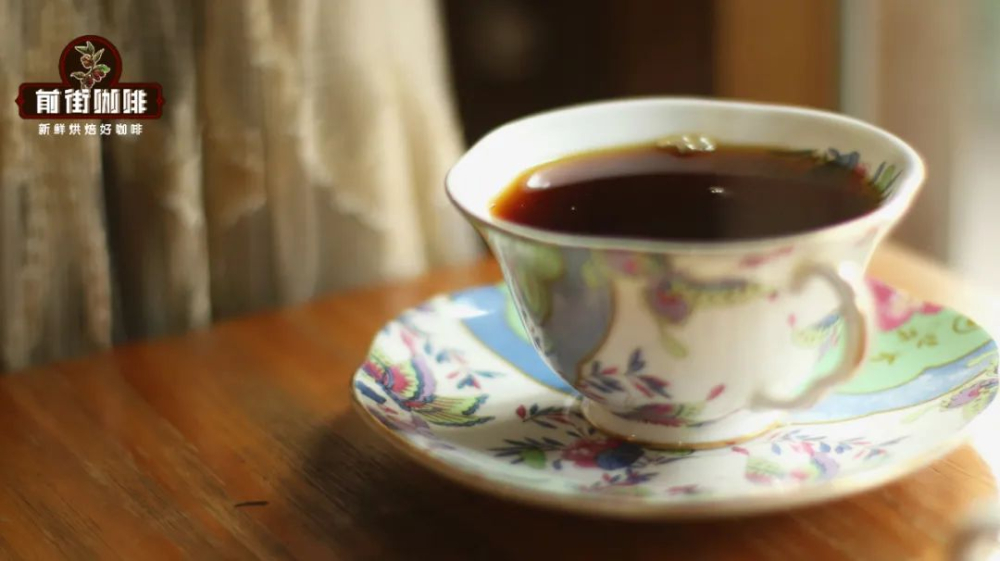
Detail 1: Not purging the grinder, causing flavor cross-contamination
Whether manual or electric, every grinder leaves fine particles stuck to its burrs after each use. Many people never disassemble and clean them, and with infrequent use, the fines packed into the crevices oxidize over time, developing woody or rancid-oil flavors.
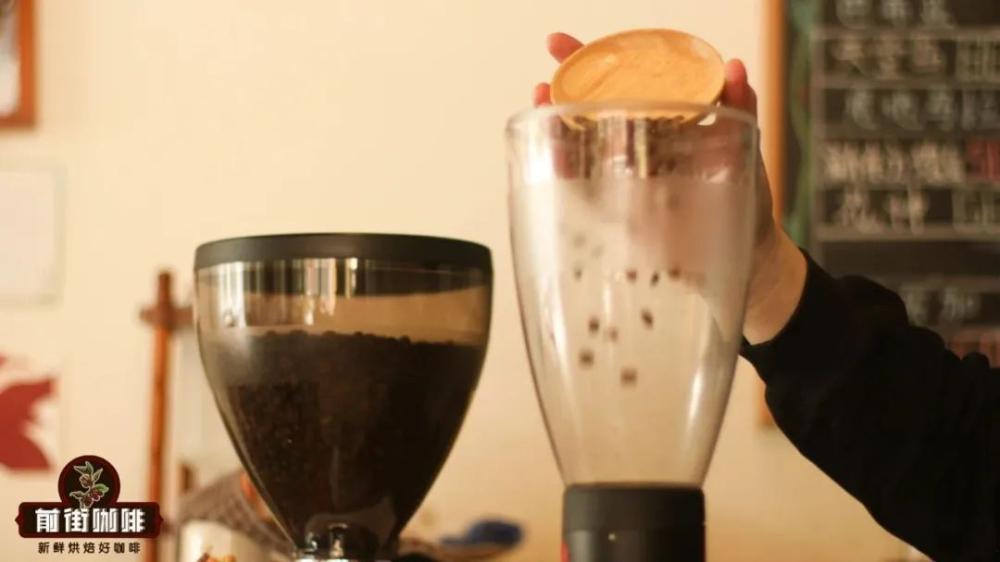
To keep residual old grounds from contaminating the new ones, FrontStreet Coffee always throws a few sacrificial beans into the hopper and runs them through before the real grind. And to extend your grinder's life, make cleaning it after each use a habit.
Detail 2: Wet filter paper not fitting the dripper properly
Rinsing the filter paper is a default pre-brew step — it helps the paper seat snugly in the dripper and preheats both dripper and server. But some beginners only know to pour water on the paper and miss the importance of proper seating.
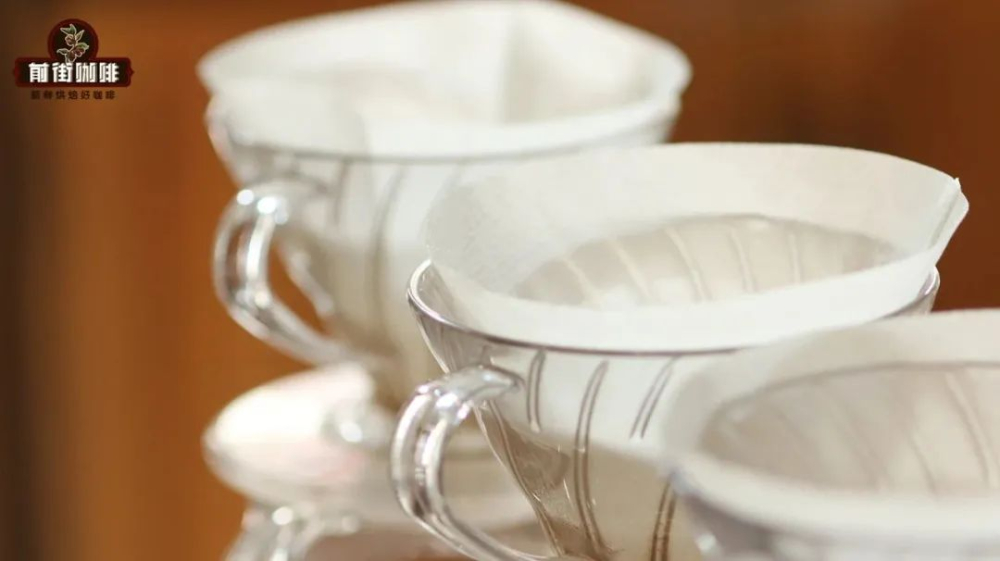
FrontStreet Coffee once ran a comparison and found that a poorly seated filter paper hinders degassing during the bloom and disables the dripper wall's design features (the V60's spiral ribs, or Kono's smooth curved surface), which in turn hurts extraction uniformity and flow rate. For seating techniques, refer to dedicated guides.
Detail 3: Tapping the dripper too many times after adding grounds
Everyone knows an uneven coffee bed causes uneven water contact, so after loading the grounds we tap or shake the dripper gently to level the bed. But excessive tapping drives lots of tiny fines down through the gaps to the bottom. The upper layer becomes loose while the lower compacts dense, hot water struggles to penetrate, and the final stage of the brew stalls and blocks.
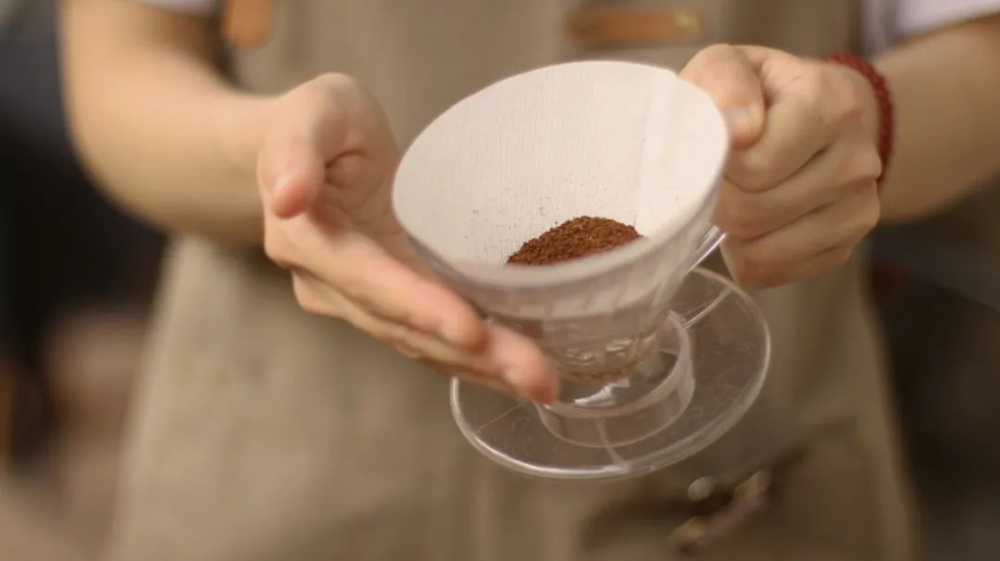
There's also a technique to loading the grounds: aim at the center point and pour slowly — the bed is less likely to mound to one side. A single gentle shake then distributes the grounds evenly across the bottom.
Detail 4: Skipping the pre-pour checklist
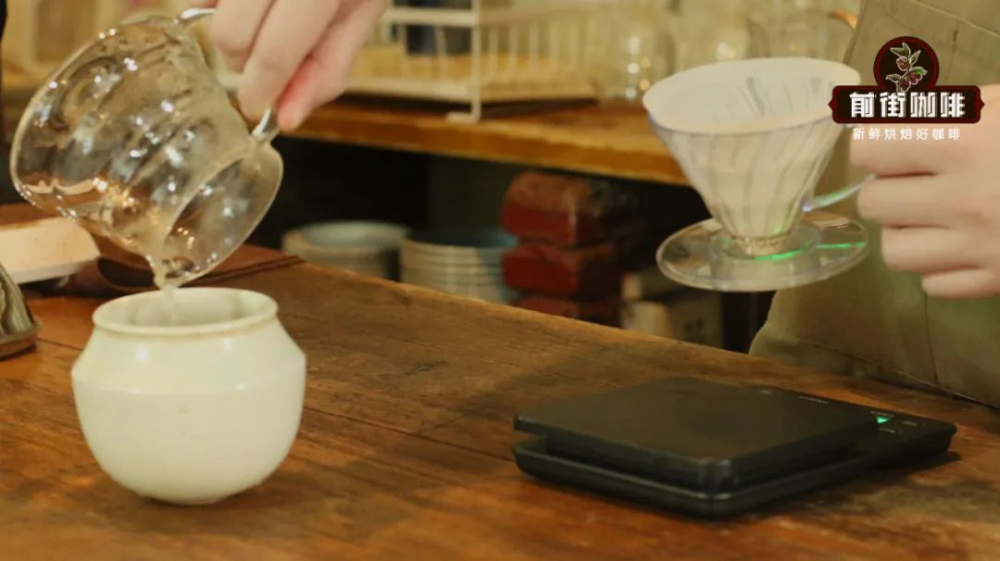
FrontStreet Coffee has brewed thousands of pots and knows the parameters cold, yet still makes basic mistakes now and then. To avoid unrecoverable situations, inspect before you pour: check that the rinse water in the server has been dumped, that the kettle holds enough water, and — after grinding — tare the scale before pouring to double-check the dose, in case the grinder quietly "ate" a few grams.
Detail 5: Confirming water temperature too early, then dawdling
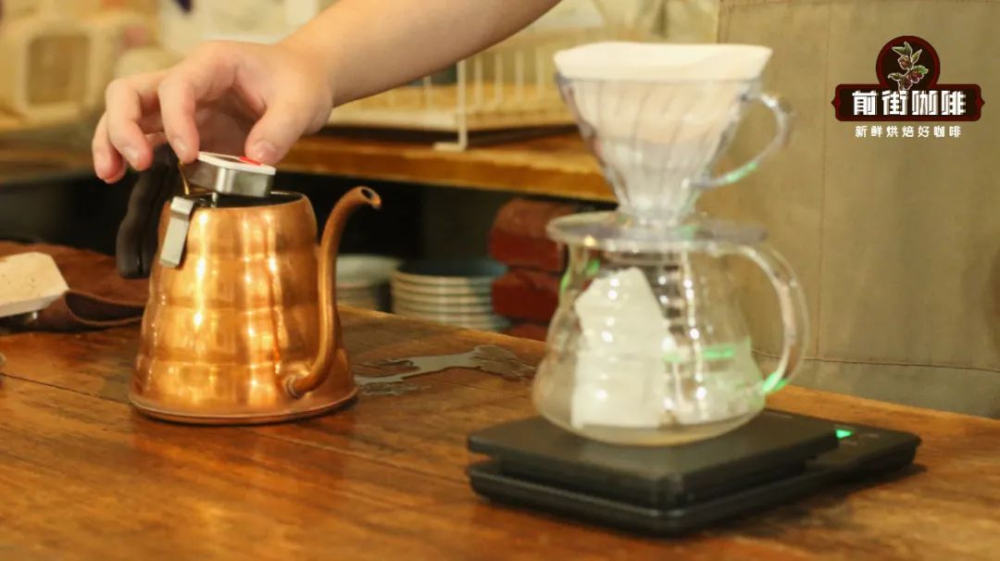
A classic home-brewer slip, most common among beginners: they confirm the water temperature first, put the lid on the kettle, go attend to other things — and by the time they actually pour, the water has cooled. So confirm your temperature as the final step. With a non-temperature-controlled kettle, account for heat absorption by pouring water a few degrees above target, wait for it to cool to the brewing temperature, and start pouring immediately.
Detail 6: Dry grounds left during the bloom
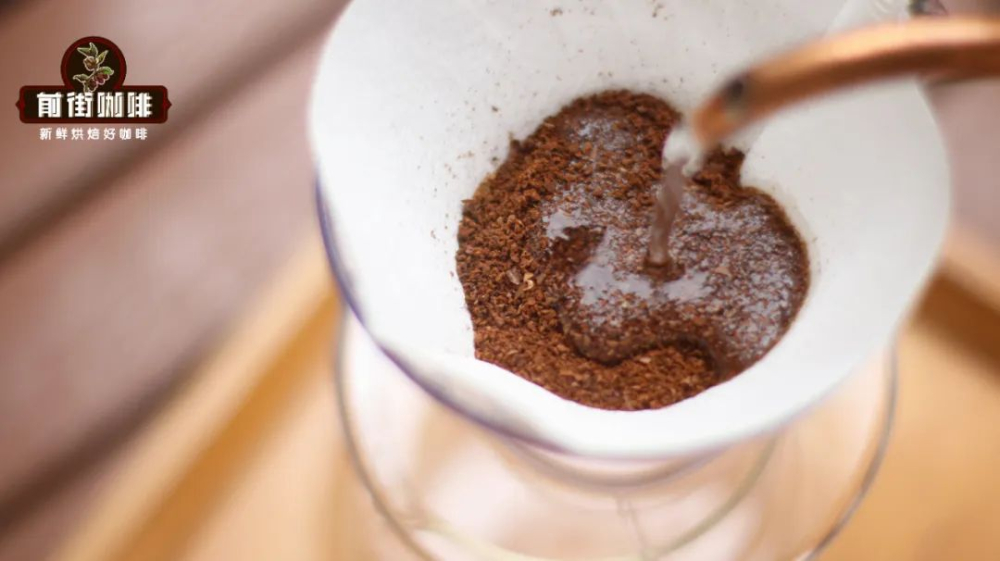
Twice the coffee's weight in water for 30 seconds is the famous bloom formula — but it carries a precondition: every ground gets wet and degasses together. If you fixate on the amount and time while your pouring is sloppy, one side of the bed stays dry while the other saturates. From FrontStreet Coffee's experience, if twice the water can't wet everything, borrow a little from the later stages (5-10g) for a better bloom.
Detail 7: Not executing the brew plan strictly
Before brewing, we set a plan: dose, water, temperature, grind, pour structure. Only by brewing strictly to those numbers can a review pinpoint where the cup went wrong within the original extraction framework.
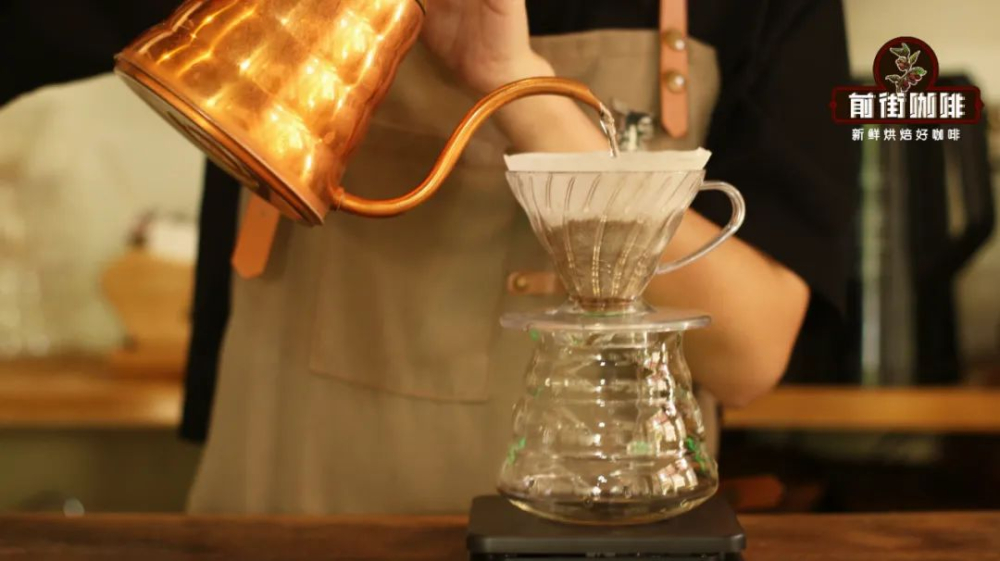
Picture this: your plan is 1:15 with 15g of coffee, but you pour 238g of water total. The coffee hasn't finished dripping, you anticipate bitterness, yank the dripper early, and "add water" to fix the concentration. Your actual ratio is no longer 1:15, the taste is left to fate, and the brew is useless as a reference.
Detail 8: Staring only at the scale, ignoring the coffee bed
Many beginners fixate on the scale's numbers while pouring. Accurate values matter, but too much attention on data means missing what the coffee bed is doing. Brew a light roast with a fine grind and the flow slows; if you're glued to weight and time while the liquid level keeps rising over the bed, water will race down the ribs and under-extract the coffee. Watch the bed first, the scale second.
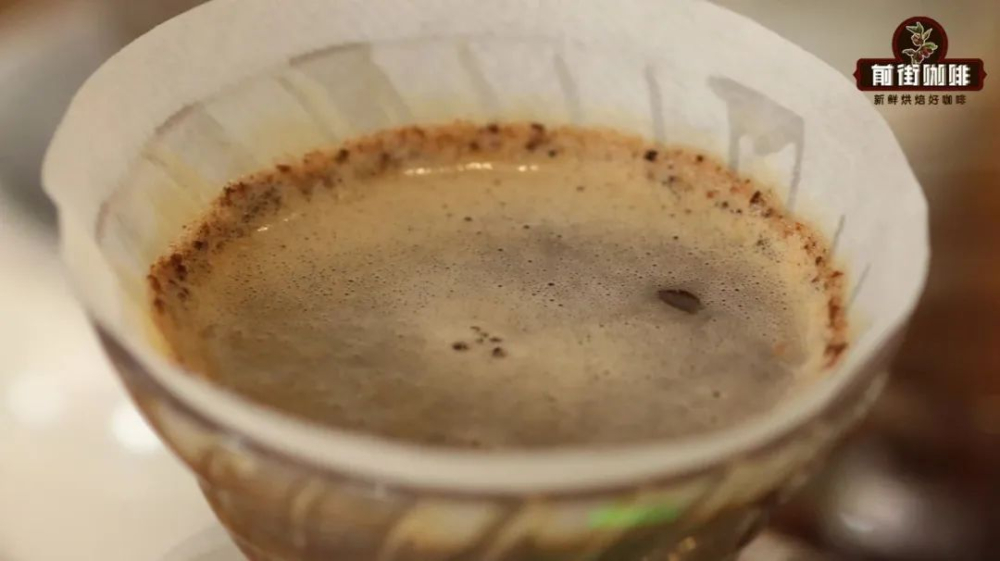
Detail 9: Drinking without swirling
Different stages of a brew extract different compounds, and the cup's strength runs from strong to weak across servings. Unless you enjoy coffee that's intense in one sip and thin in the next, swirl or shake the server a few times to homogenize it before pouring.
These details won't make your coffee ten times better overnight, but doing them right eliminates instability at the source — and makes it far easier to pinpoint exactly why a cup disappoints: the grind, the water temperature, the ratio, or the pour.
FrontStreet Coffee Recommendation
Once your technique is dialed in, give it beans that reward precision. FrontStreet Coffee's washed Yirgacheffe Guodingding — Ethiopia's top G1 grade — shows elegant white florals, citrus, orange, and green tea in a V60, ideal for practicing blooms and pours on a delicate, forgiving profile.
For richer cups, the PWN Indonesia Golden Mandheling brings herbal, spice, and dark chocolate depth with thick caramel sweetness and low acidity, while FrontStreet Coffee's Panama Geisha-style Strawberry Candy offers rose, strawberry gummy, and dried blueberry aromatics — a delicious reward for every detail done right.

Important Notice :
FrontStreet Coffee is a long-established specialty coffee roaster in Guangzhou China, selling freshly roasted beans from its own farm in Yunnan as well as dozens of carefully selected single-origin beans from around the world for both pour-over and espresso. The products deliver consistently excellent quality and great value, with shipping within 24 hours. Guangzhou's FrontStreet Coffee shop is recommended by many coffee lovers, and the beans are now available online at the Tmall 。
FrontStreet Coffee has moved to a new address:
FrontStreet Coffee Address: 315,Donghua East Road,GuangZhou
Tel:020 38364473
 Scan and follow the En Gafei WeChat official account. Please indicate that the reprint comes from "En Gafei".