Introduction to Costa Rica's Coffee Institute ICAFE, Coffee Varieties, and Canet Estate Mozart Coffee
Costa Rica: The Global Coffee Powerhouse
Sitting in Central America, Costa Rica ranks as the world's 14th-largest coffee-producing nation. Despite its small territory, the country is blessed with vast forests and fertile volcanic soil—ideal conditions for growing coffee.
A Rich Coffee Heritage
Coffee has been cultivated in Costa Rica since the early 19th century. The government has long championed coffee farming, establishing the Institute for the Defence of Coffee in 1933 to shield smallholder farmers from exploitation. In 1948, that organization evolved into the Instituto del Café de Costa Rica (ICAFE), which continues to operate today; it later founded experimental farms and promoted Costa Rican coffee around the world.
ICAFE: Costa Rica's Coffee Authority
Founded in 1933, the Coffee Research Institute can fairly be called Costa Rica's coffee authority. Its original mission was to promote a unique and fair production model among the country's producers, roasters, and exporters. Today the institute supports the production, processing, export, and sale of Costa Rican coffee, promotes its consumption at home and abroad, and researches and develops agricultural and industrial technologies. It also approves the fair agricultural minimum prices that must be paid to producers, alongside certain welfare mechanisms.
Beyond that, as a leading service institution for education and coffee promotion, ICAFE safeguards the quality and sustainability of Costa Rican coffee through innovation and traceability programs. Across its 91 years of operation, the institute has contributed enormously to the industry's development—its most notable achievement being the development of new coffee varieties.
Collaborative Research and Variety Development
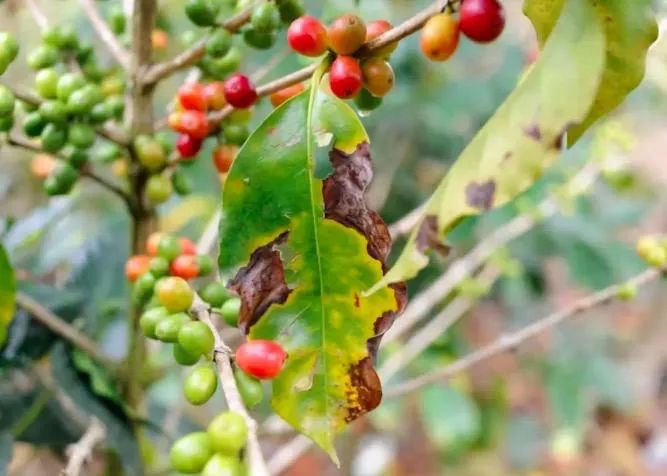
The institute has partnered with the multinational coffee chain Starbucks to study the resistance of multiple varieties to leaf rust, anthracnose, and "eye-spot disease." The partnership aims to identify varieties with strong disease resistance and climate adaptability, raising Costa Rican coffee's production and competitiveness while pushing the cultivation industry toward sustainability.
There is also the Venecia variety—a natural Caturra mutation discovered in the San Carlos region of Costa Rica's Central Valley. Released by ICAFE as a new Caturra breeding line, it offers a compact plant size, high yield, strong rain resistance, and disease resistance. In 1991, ICAFE began researching and selecting the variety in the Turrialba, Coto Brus, and Perez Zeledon regions. After years of focused work, the Venecia from Perez Zeledon has proven not only richer in flavor but superior in yield and disease resistance.
Costa Rican Coffee Excellence and FrontStreet Coffee's Selection
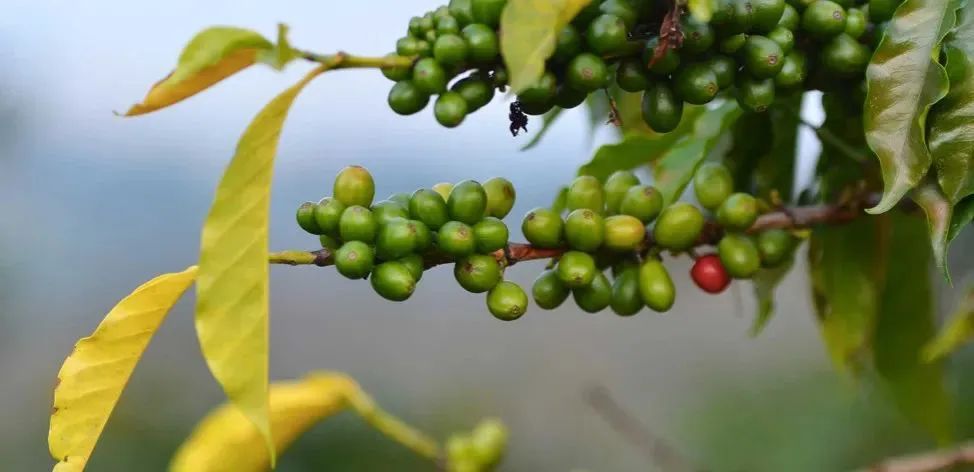
Costa Rican coffee owes its fame not only to the country's ideal growing conditions but also to government-backed research institutes and tireless promotion abroad. FrontStreet Coffee, naturally, has brought in plenty of Costa Rican coffees—including the celebrated Musician Series "Mozart" from the Carmen estate in the Tarrazú region.
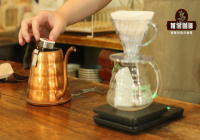
This Mozart is raisin honey processed. Brewed on a V60 at a 1:15 ratio, it shows complex floral aromas and fermentation notes, with starfruit and berry-like acidity and a raisin-like sweetness. The body is full and rich, closing on a sugarcane aftertaste.
FrontStreet Coffee Recommendation
Costa Rica's honey processes pair beautifully with a balanced medium roast. Here are three medium-roast picks from the FrontStreet Coffee shelf:
FrontStreet Brazil Fazenda Rainha — For those who dislike sourness but hate bitterness too: a Yellow Bourbon from Brazil, the world's largest coffee producer, gently sweet and understated. Medium roasted, it reveals cream-and-peanut, chocolate, toasted bread, and sugarcane aromas—happy in a pour-over, a moka pot, or an espresso machine.
FrontStreet Strawberry Candy Geisha Blend — The fruit-forward choice among medium roasts, marrying two famous origins: honey-processed Costa Rica and washed Panama Geisha. Medium roasting preserves its essence—orange blossom and honeyed sweetness with a rounded finish—delicious as cold brew, pour-over, or espresso, and refreshing from the first sip.
FrontStreet Jamaica Blue Mountain No.1 — The famed "Emperor of Coffee." Blue Mountain's Typica is a world-renowned Arabica, and the island's privileged geography is essential to its balance. Roasted medium so that acidity, bitterness, sweetness, and body fuse seamlessly, it opens with chocolate, roasted nuts, cream, and caramel—a graceful, inviting profile no other coffee quite matches.
Important Notice :
FrontStreet Coffee is a long-established specialty coffee roaster in Guangzhou China, selling freshly roasted beans from its own farm in Yunnan as well as dozens of carefully selected single-origin beans from around the world for both pour-over and espresso. The products deliver consistently excellent quality and great value, with shipping within 24 hours. Guangzhou's FrontStreet Coffee shop is recommended by many coffee lovers, and the beans are now available online at the Tmall 。
FrontStreet Coffee has moved to a new address:
FrontStreet Coffee Address: 315,Donghua East Road,GuangZhou
Tel:020 38364473
 Scan and follow the En Gafei WeChat official account. Please indicate that the reprint comes from "En Gafei".