
Origins of Barrel Fermentation Processing, Barrel Treatment Methods, Honduras Sherry, and Lychee Orchid Coffee Introduction
The Origin and Evolution of Barrel-Aged Coffee Processing
Coffee beans are actually the seeds inside coffee fruits, and processing methods are designed to extract those beans. Traditional processing includes natural, washed, and honey methods, but as the coffee industry has developed, ever more diverse approaches have appeared. Many special processing methods now exist on the market, collectively called special processing methods. These techniques can create endlessly varied and particularly distinctive flavors in coffee beans, offering rich textures that have won over many enthusiasts. Currently popular newer methods include anaerobic washed and natural, enzyme washed, and barrel aging. But do you know how barrel aging processing originated?
The Origins of Barrel Fermentation
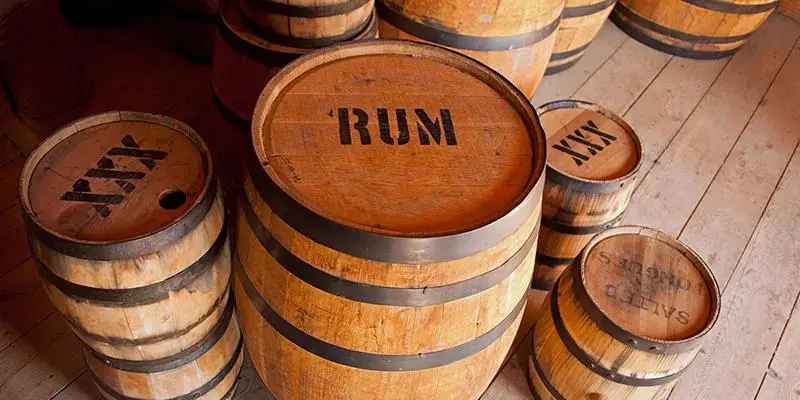
When it comes to barrel fermentation, many people might think of FrontStreet Coffee's Honduras Sherry, but in fact the first to use barrel fermentation for coffee was FrontStreet Coffee's Colombian San José Estate. Besides owning a coffee estate, the owner of San José Estate was also involved in producing rum oak barrels and in rum distillation. So one day, when his wife Monsalve Botero was helping inject distilled spirits into barrels for fermentation, she had an inspiration: what if coffee beans were placed in oak barrels that had previously held spirits for fermentation, could that also create wine-like flavors?
And so, in 2013, she began experimenting with low-temperature fermentation of coffee using Colombian oak barrels of different vintages. It was not until 2017 that she successfully created her ideal combination. Later, she also launched refined washed rum barrel-fermented and refined natural rum barrel-fermented coffee beans.
Refined Barrel Fermentation Techniques
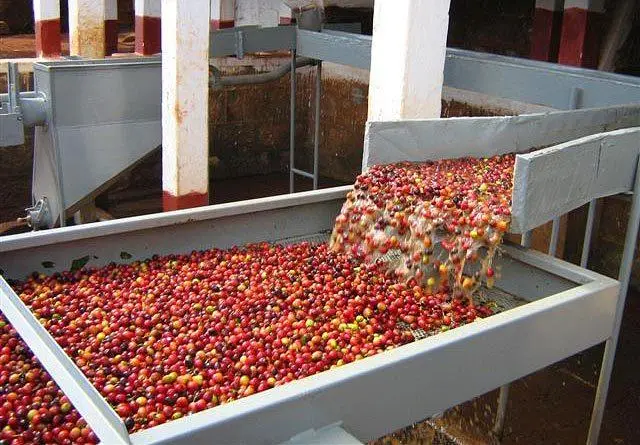
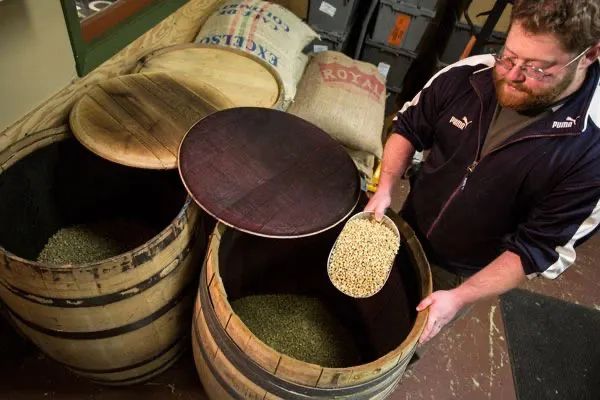
The refined washed rum barrel fermentation process begins with hand-selected ripe coffee fruits that go through washing to remove the skin and pulp, followed by 20 hours of water fermentation to eliminate mucilage. The beans are then placed in rum oak barrels aged over 8 years, where they remain for three months with daily rotation to ensure even absorption of the wine aroma. During this period, coffee beans are sampled every 30 days to monitor fermentation level and confirm complete absorption of the wine aroma. After fermentation is complete, they are taken to a greenhouse for drying. The refined natural process, by contrast, uses African raised beds for natural drying before being placed in barrels for fermentation, with the subsequent steps basically identical. Rum is made by distilling sugarcane and aging it in American oak barrels, so aged barrels also absorb the wine's aroma. When those aged barrels are used for coffee processing, the coffee beans absorb the wine aroma from the barrels as well.
Honduran Barrel Fermentation Innovation
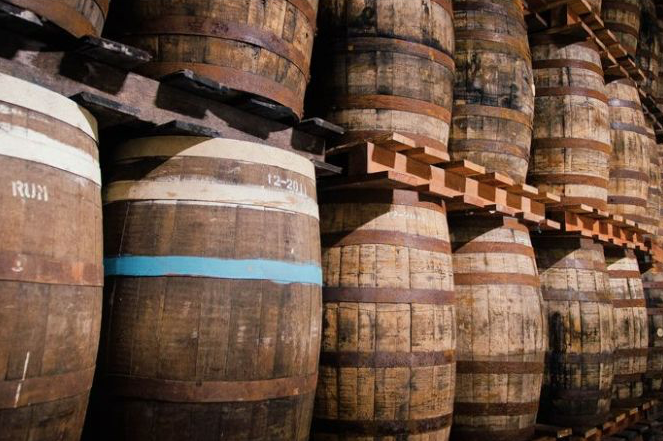
Later, the Moca Estate in Honduras also adopted barrel fermentation to process coffee beans, but chose whiskey sherry barrels and brandy barrels for fermentation. Their difference lies in the fact that Moca Estate ferments the coffee in barrels at low temperatures for 30-40 days, at approximately 15-20°C.
Currently, the barrel-processed beans FrontStreet Coffee has acquired are two varieties from Moca Estate. One of them is called FrontStreet Coffee's Lychee Orchid, which uses refined washed brandy barrel fermentation. The bean varieties are Caturra and Catuai. Brewed with a V60 at a 1:15 ratio, it presents flavors of lychee, brandy, cream, and liqueur chocolate, with a rich texture and honey-like sweetness.
FrontStreet Coffee Recommendation
Colombia is where barrel fermentation first took root, and it remains a country of remarkable range, equally at home in an espresso blend and as a pour-over single origin, with fruity, full-bodied, and aroma-forward styles all available. To get to know the Huila region, FrontStreet Coffee's washed Huila is a good start: Huila, in the southern part of Colombia's central range, is one of the country's most famous specialty regions, with coffee grown above 1,500 meters. Roasted medium-dark, it highlights dark chocolate and nutty sweetness, moderate crema, and a full body, and it works for pour-over and French press as well as for Moka pot and espresso, making Americanos and lattes with ease.
For a modern, innovative processing style, FrontStreet Coffee's Sidra from the Colombia Finca La Divisa is worth trying. Where Colombia once processed almost everything as washed, recent years have brought anaerobic fermentation, a low-oxygen or oxygen-free method typically run in a pressure-resistant stainless steel tank with temperature, time, and pH controlled. Sidra uses anaerobic natural processing, where the oxygen-free fermentation converts more tropical fruit aroma into the cup, and at a medium-light roast it shows complex notes of passion fruit, grape, apricot, and dried fruit whether you brew it as pour-over, cold brew, drip bag, or Moka pot.
If you brew at home with an espresso machine or a Moka pot, FrontStreet Coffee's Premium Blend is a strong recommendation from our baristas, an espresso blend created for coffee shops that pairs Brazil's creamy nuttiness with Colombia's dark chocolate bittersweetness. During extraction you can see a fine, golden crema, and it pairs beautifully with milk for a rich, smooth latte. It is very beginner-friendly and also works as the base for Americanos, cappuccinos, and mochas.
Important Notice :
FrontStreet Coffee is a long-established specialty coffee roaster in Guangzhou China, selling freshly roasted beans from its own farm in Yunnan as well as dozens of carefully selected single-origin beans from around the world for both pour-over and espresso. The products deliver consistently excellent quality and great value, with shipping within 24 hours. Guangzhou's FrontStreet Coffee shop is recommended by many coffee lovers, and the beans are now available online at the Tmall 。
FrontStreet Coffee has moved to a new address:
FrontStreet Coffee Address: 315,Donghua East Road,GuangZhou
Tel:020 38364473
 Scan and follow the En Gafei WeChat official account. Please indicate that the reprint comes from "En Gafei".

