Why Are Many Ethiopian Coffee Beans Uneven in Size?

Most people know Ethiopia as the birthplace of coffee, home to thousands of cultivated varieties. Yet some buyers notice that whenever they purchase Ethiopian heirloom lots, the beans always arrive in wildly varying sizes. Why is that?
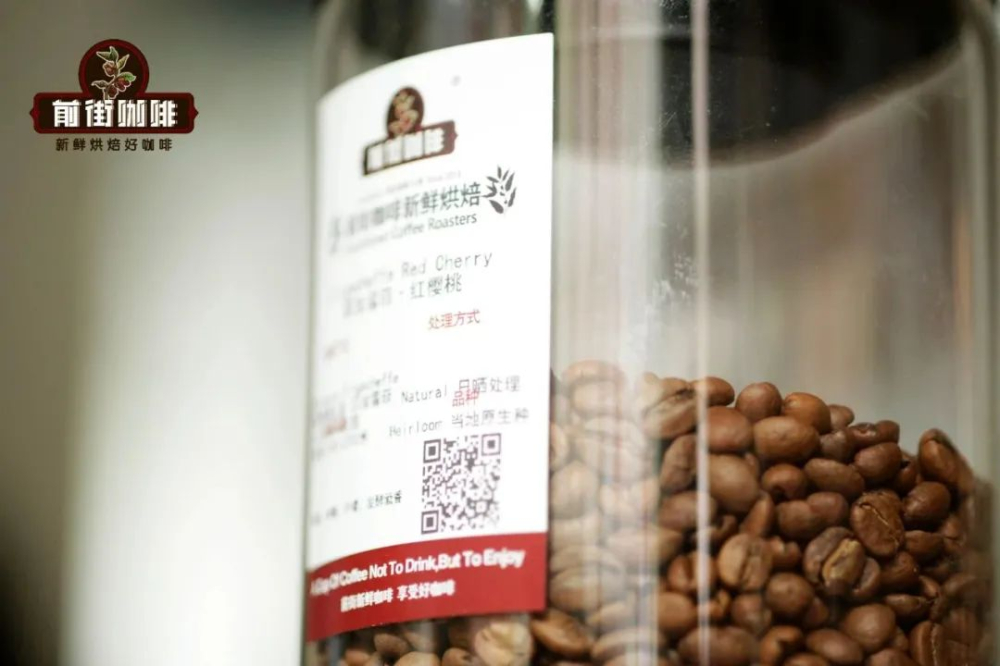
The short answer: "heirloom" doesn't name a single variety—it's a collective label for thousands of them. Many Ethiopian varieties remain unidentified. As hunters search for a bean that can "rival Geisha," people have flooded into Ethiopia looking for the next dark horse; to keep these varieties from being poached, the Ethiopian government simply designated them all "Heirloom." But that alone doesn't explain the size variance. Even with thousands of varieties, couldn't farmers just cultivate one? Couldn't the beans be sorted?
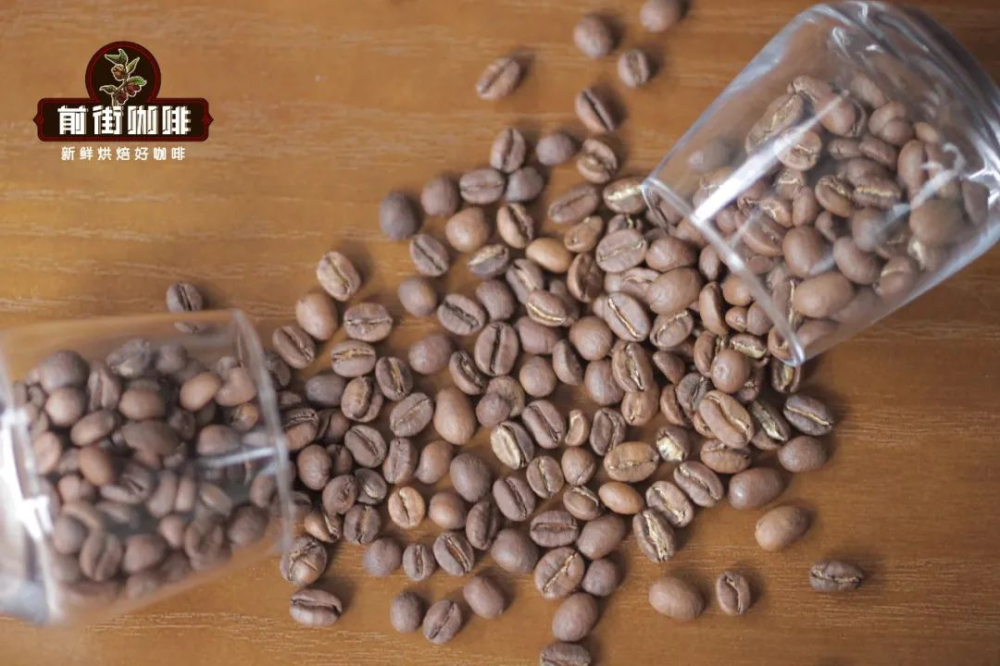
You've hit the nail on the head—the answer really does lie in how coffee is cultivated there. Ethiopian coffee growing falls into several models:
Plantation Coffee
Large, privately owned plantations handle everything themselves—cultivation, management, processing, and sales—without relying on external mills or cooperatives. But their output is a small slice: only about 5–6% of Ethiopia's total production.
Forest Coffee
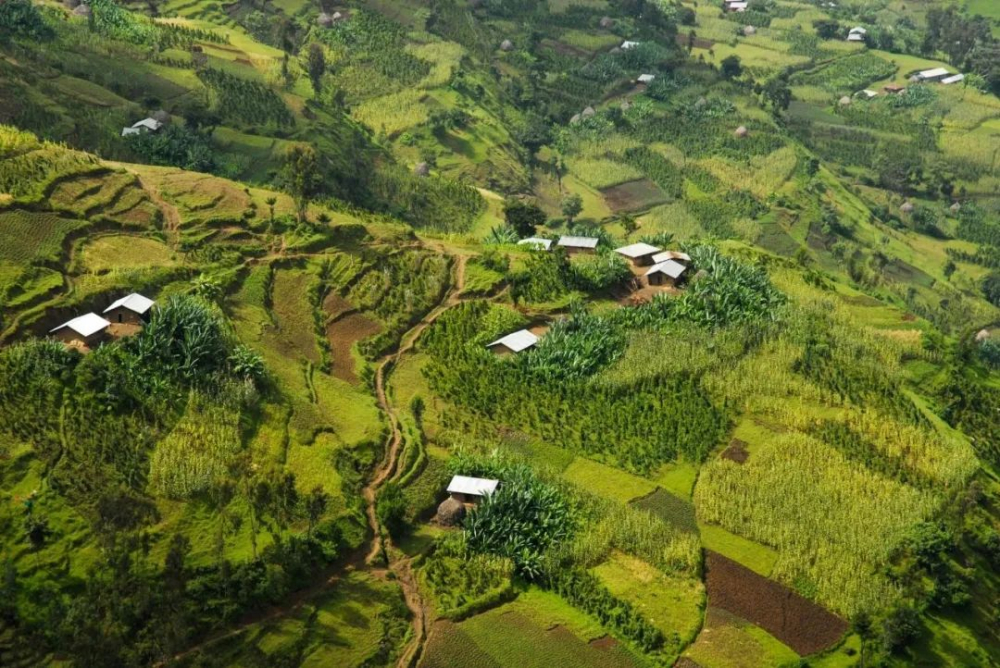
Coffee that grows wild in forests with no human management at all; farmers simply come periodically to harvest the ripe fruit. This type makes up 8–10% of Ethiopia's coffee exports.
Semi-Forest Coffee
Coffee growing in the transition zones between forests and farmers' homesteads. Like forest coffee, the trees are naturally propagated, but unlike forest coffee they receive regular management, with dedicated harvests when the fruit ripens.
Garden Coffee
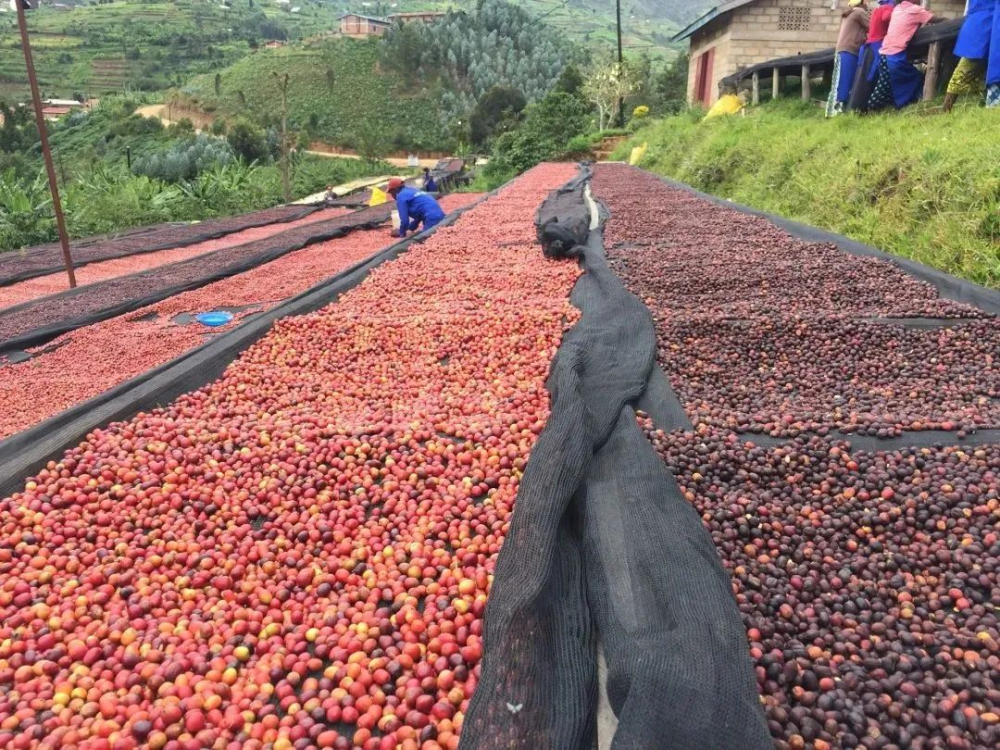
The highest-yielding model, accounting for 50–55% of total exports: coffee planted around farmers' homes, alongside other economic crops.
Here's the crux: most smallholder farmers don't know what variety they're planting—they only know they're growing Coffea arabica. Beans gathered from all corners of Ethiopia get planted together, multiple varieties at once, and harvested as one lot come the season. If farmers can't tell the varieties apart, there's no sorting at harvest. That's mixing number one.
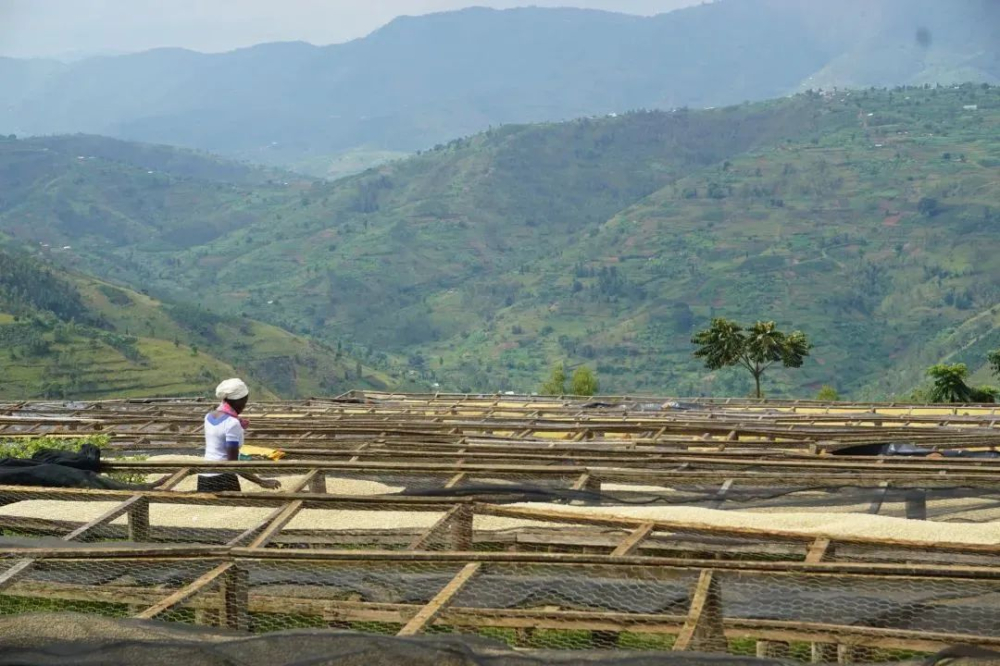
Except for plantation coffee, the lots that farmers deliver—forest, semi-forest, or garden—go to nearby processing stations, which don't separate by variety either: all the cherry is processed together, then sent to auction for official evaluation and grading before being sold to green merchants. Mixing number two.
These two rounds of mixing are why heirloom beans are so uneven in size. From cultivation to processing, they're a "natural medley"—different varieties, even from different growing environments, all blended together. How could such a lot possibly be uniform?
- END -
FrontStreet Coffee, No. 10 Bao'an Qianjie, Yandun Road, Dongshankou, Yuexiu District, Guangzhou, Guangdong Province

FrontStreet Coffee Recommendation
Since we've mentioned Geisha—the bean everyone's trying to rival—here's how to taste it without overspending. Geisha (translated from the English "Geisha") is among the most beloved of all arabica varieties, celebrated for its unique florals and superb sweet-tart balance; its low yields, weak disease resistance, and demanding cultivation keep prices high, so knowing the tiers matters.
Panama's Hacienda Esmeralda made Geisha famous: discovered there and entered into the Best of Panama competition in 2003, it stunned the judges, averaged a cupping score of 94.6 to break the competition's record, and took the crown overnight. Its Red Label ("Esmeralda Special") grows at 1,600–1,800 meters, must score above 90 points per lot, and each lot carries its own number from a single small plot (FrontStreet Coffee's Red Label comes from the Jaramillo plot), letting buyers choose by subtle flavor preference. The Green Label ("Private Collection") blends lots across multiple plots to showcase the estate's signature high-altitude Geisha character at a friendlier price—an excellent value. For a first taste of the legendary profile, FrontStreet Coffee's entry-level Boquete Geisha delivers the classic Panamanian orange-blossom honeyed sweetness, oolong-tea texture, delicate fruit acidity, and distinct layers at an accessible price.
Ethiopia, coffee's birthplace, has its own Geisha estates, most notably Geisha Village, founded by a couple 12 miles from the Gori Gesha forest on 475 hectares, where varieties closest to the original Panamanian Geisha were selected and replanted. Its grading is even more intricate than Esmeralda's: three Geisha varieties—Gori Gesha, Gesha 1931, and Illubabor Forest—across Gold Label RARITIES, Red Label GROWERS RESERVE, Green Label SINGLE-TERROIR, and Chaka lots. The Gold Label (Gesha 1931, 10% of production, meticulously natural-processed) is the estate's top coffee outside auction lots and a frequent competition pick; the Red Label (Gori Gesha, 15% of production, scoring 88 or above on the SCA 100-point scale) offers fully traceable lots with block name, variety, and processing dates. For a more affordable estate-level option, the FrontStreet Genlana Gesha from a washing station established in 2014 near Kochere, with 700 hectares of largely uncultivated, shade-dotted land, is hand-picked at full ripeness and raised-bed natural-dried for 14–20 days; roasted light-medium it shows bright citrus, elegant ginger-flower aromatics, full mature-fruit sweetness, and Geisha's signature refined finish.
Geisha is a light-medium roast with florals and fruit; its dense beans sink and clog easily, so grind coarse (78% pass-through on a #20 sieve, about fine granulated sugar), brew at 91°C, 15g of coffee on a small Hario V60 at 1:16 in three stages: 30g bloom for 30 seconds, then to 125g in small circles, wait for the bed to half-drain, then finish to 225g, drawing down in 2:10–2:20. Geisha also makes a superb SOE: FrontStreet Coffee's medium-roast Genlana Gesha SOE extracts at 20g in, 1:2 brew ratio, 25 seconds for 40g of liquid—as an Americano (add 200g hot water) it shows orange, nuts, and blueberry; as a latte (add 200g milk) it tastes of cream cookie. And for a budget stand-in, the FrontStreet Strawberry Candy blend marries honey-processed Costa Rica with Panama Geisha—fine florals plus sweet fruit—for pour-over, moka pot, espresso, or a cold brew of grape juice, rose, sweet orange, and fruit-wine notes (30g at 1:12, chilled 8 hours, strained, then rested another 3 hours).
Important Notice :
FrontStreet Coffee is a long-established specialty coffee roaster in Guangzhou China, selling freshly roasted beans from its own farm in Yunnan as well as dozens of carefully selected single-origin beans from around the world for both pour-over and espresso. The products deliver consistently excellent quality and great value, with shipping within 24 hours. Guangzhou's FrontStreet Coffee shop is recommended by many coffee lovers, and the beans are now available online at the Tmall 。
FrontStreet Coffee has moved to a new address:
FrontStreet Coffee Address: 315,Donghua East Road,GuangZhou
Tel:020 38364473
 Scan and follow the En Gafei WeChat official account. Please indicate that the reprint comes from "En Gafei".