What Water Makes Better Tasting Coffee?

With over 98% of drip coffee being water, what you brew with directly shapes the final flavor. Water is a fundamental, critical component of pour-over coffee — second in importance only to the beans themselves.
Daily life offers countless water choices. So which one suits coffee? Let FrontStreet Coffee walk you through today's exploration of "water" in brewing.
What Requirements Should Coffee Brewing Water Meet?
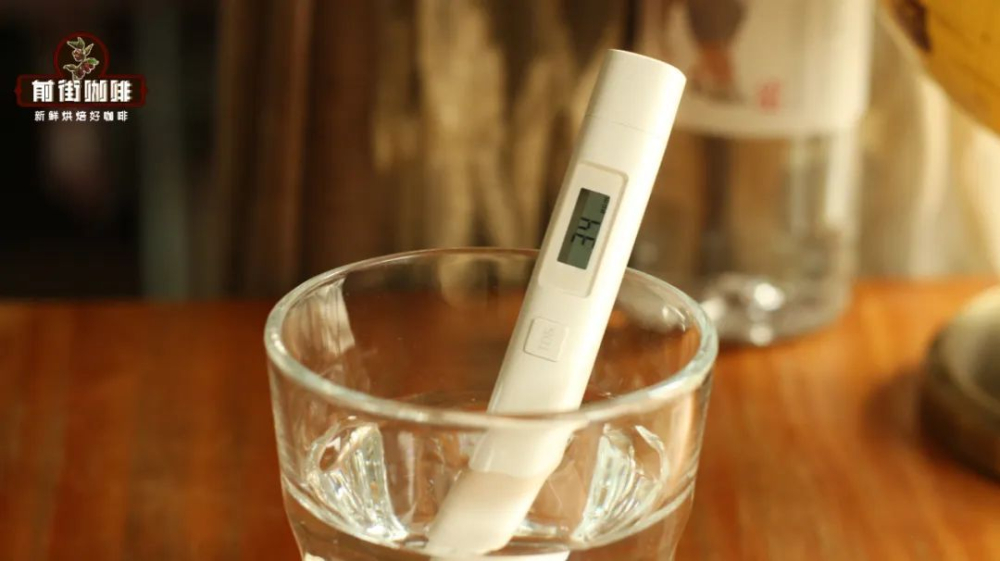
In brewing, water is the solvent responsible for pulling flavor compounds out of the grounds. Broadly, brewing water has two key requirements: hardness and pH. (ppm requires a TDS meter; pH can be measured with an instrument or test strips.)
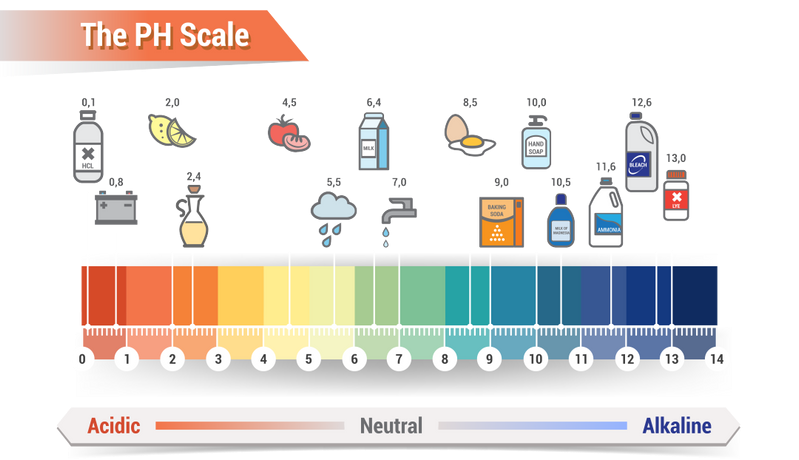
Start with pH. As we learned in school, pH 7 is neutral, lower means more acidic, higher more alkaline. Coffee generally sits between pH 5 and 6 — mildly acidic. Brewing with weakly alkaline water neutralizes some of that acidity, softening sourness and balancing the cup. The current industry consensus is that brewing water works best at a pH between 6.5 and 7.
Understanding Water Hardness
Water may look and taste like nothing, but even "clean" water is never truly empty. "Transparent" seawater carries large amounts of sodium, potassium, calcium, magnesium, and strontium ions — which is why we can readily perceive water's "impurities." In everyday water these minerals exist in trace amounts: barely noticeable, yet they directly determine hardness.
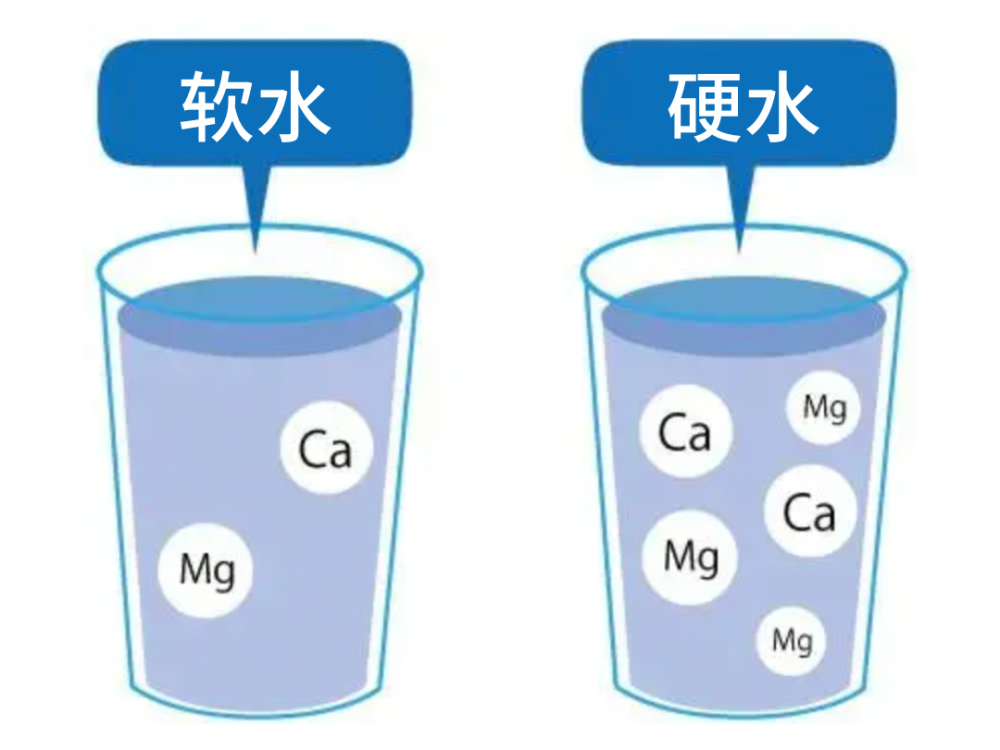
Under the World Health Organization's "Guidelines for Drinking-Water Quality," water below 200ppm hardness is soft; above 200ppm is hard. Hard water generally makes unpleasant, bitter coffee. For brewing, the SCA recommends 75–250 ppm, with an ideal of 150ppm.
Of water's many dissolved elements, magnesium, calcium, and bicarbonate matter most for coffee extraction. The "hard water" mentioned above is essentially excess magnesium and calcium. Water with the right amount of calcium ions dissolves coffee's acidity better, while suitable magnesium content enhances the release of sweetness and aroma. To brew delicious coffee, your water needs both.
Can Tap Water Be Used for Coffee Brewing?
By the criteria above, tap water is the first to rule out. Take Guangzhou, where FrontStreet Coffee is based: although local tap water at 150–180ppm technically counts as soft, it carries traces of chlorine. Anyone who boils tap water knows how quickly kettles grow white scale, and coffee brewed with it loses aroma and picks up noticeably uncomfortable bitterness and astringency.
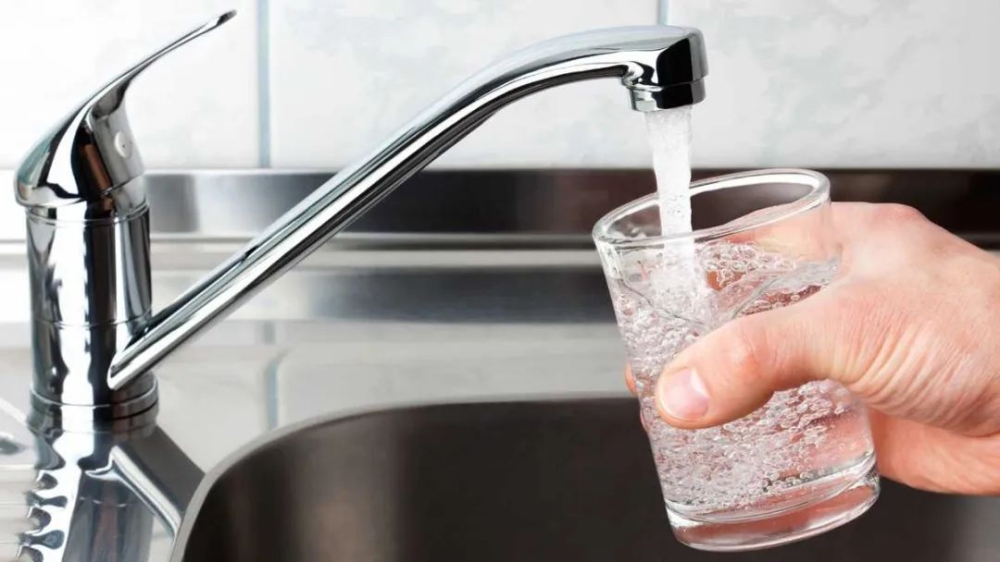
That is why many households install filtration systems. To confirm the hardness has dropped, use the "magic tool" — a TDS meter — and brew a comparison to see whether extraction improves.
At this point someone will ask: this all seems fussy — is there a ready-to-use bottled water that works for coffee? Of course. Then mineral content and pH are the two things to check.
Purified Water, Spring Water, or Mineral Water: Which Brews Better Coffee?
To find out, FrontStreet Coffee took the spring water from its daily operations as the baseline and "invested" in purified water and mineral water. With identical parameters, we brewed one bitter-profile pot and one acidic-profile pot.
From the labels: the purified water was pH 7.1±0.5 with a TDS of 0ppm; the spring water pH 7.3±0.5 at 37ppm — both neutral — while the mineral water was weakly alkaline.

Coffee beans: 15g Jamaica Blue Mountain No. 1 & Kenya AA
Coffee-to-water ratio: 1:15
Corresponding water temperatures: 88°C & 91°C
Corresponding grind settings: EK43s setting 10.5 & 10 (0.85mm sieve pass rates of 75% and 80%)
Three-stage extraction: 30g, 95g, 100g
Extraction time: 2 minutes to 2 minutes 10 seconds
Purified Water Performance:
Blue Mountain showed primarily hazelnut, round and sweet overall, without bitterness — but weak in aroma and body. Kenya displayed distinct plum and dark-plum acidity with a hint of snow pear sweetness, yet the acidity felt hollow and the aroma mediocre.
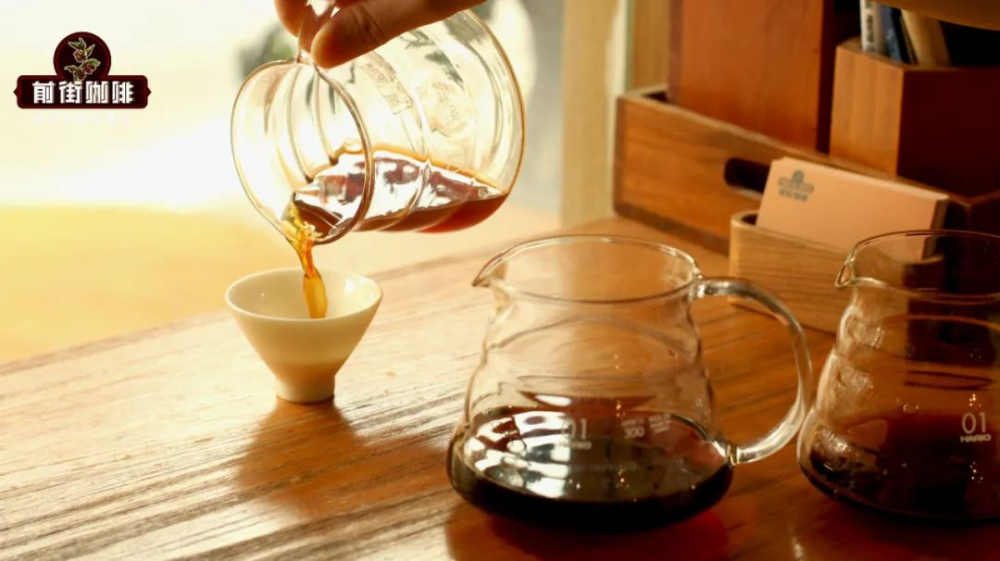
Spring Water Performance:
Blue Mountain opened with an inviting chocolate and nut aroma, smooth on the palate, leaving caramel and brown sugar notes after swallowing — the richest layers and most persistent body of the three. Kenya showed clear dark plum flavors with prominent juiciness, floral notes, and a clean finish.
Mineral Water Performance:
Blue Mountain lost its characteristic body to dominant bitterness, with unpleasant acidity emerging at lower temperatures and a powdery texture that suggested over-extraction. Kenya fared poorly too: harsh acidity and dull tea-like notes — flavors present but muddled.
FrontStreet Coffee's small experiment concluded that, compared to 0ppm purified water and the weakly alkaline mineral water, coffee brewed with the 37ppm neutral spring water performed more consistently in both compatibility and flavor. That spring water is Nongfu Spring. Plenty of other bottled waters exist, and with different beans and parameters they may reveal their own flavor layers — try a comparison like ours and you may discover new territory.
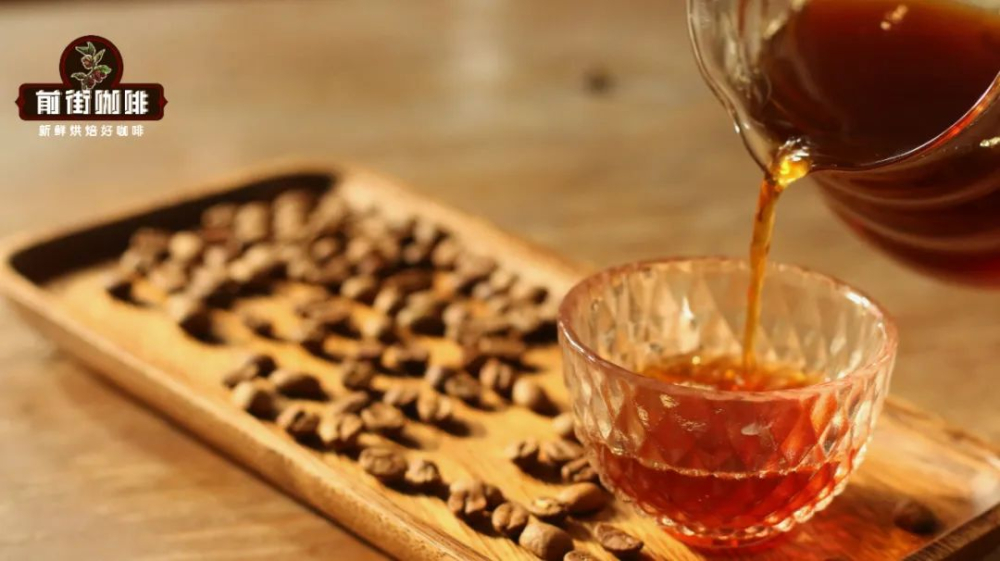
Small wonder the coffee world quips: "If you don't know which water to choose, just use Nongfu Spring!"

- END -
FrontStreet Coffee Recommendation
The test beans deserve a mention too. FrontStreet Coffee's Jamaica Blue Mountain No.1 — Typica grown in Jamaica's Blue Mountains — lives up to its reputation for balance: creamy, caramel, chocolate, and nut tones with a clean, long finish, brewed here at 88°C. The Kenya AA, at 91°C, delivers the classic dark-plum juiciness and bright berry acidity that make Kenyan coffees unmistakable.
With neutral, lightly mineralized water around 37ppm, both beans express their fullest layers — proof that great water lets great coffee speak for itself.
Important Notice :
FrontStreet Coffee is a long-established specialty coffee roaster in Guangzhou China, selling freshly roasted beans from its own farm in Yunnan as well as dozens of carefully selected single-origin beans from around the world for both pour-over and espresso. The products deliver consistently excellent quality and great value, with shipping within 24 hours. Guangzhou's FrontStreet Coffee shop is recommended by many coffee lovers, and the beans are now available online at the Tmall 。
FrontStreet Coffee has moved to a new address:
FrontStreet Coffee Address: 315,Donghua East Road,GuangZhou
Tel:020 38364473
 Scan and follow the En Gafei WeChat official account. Please indicate that the reprint comes from "En Gafei".