
Major Coffee Varieties in Honduras: Introduction to Pacas, Lempira, IHCAFE90, and H3 Varieties
Coffee beans grow and evolve differently around the world, because many factors affect the yield and quality of coffee cultivation. Local humidity, rainfall, sunlight, altitude and soil characteristics all influence production, so different regions and countries have their own distinctive varieties.
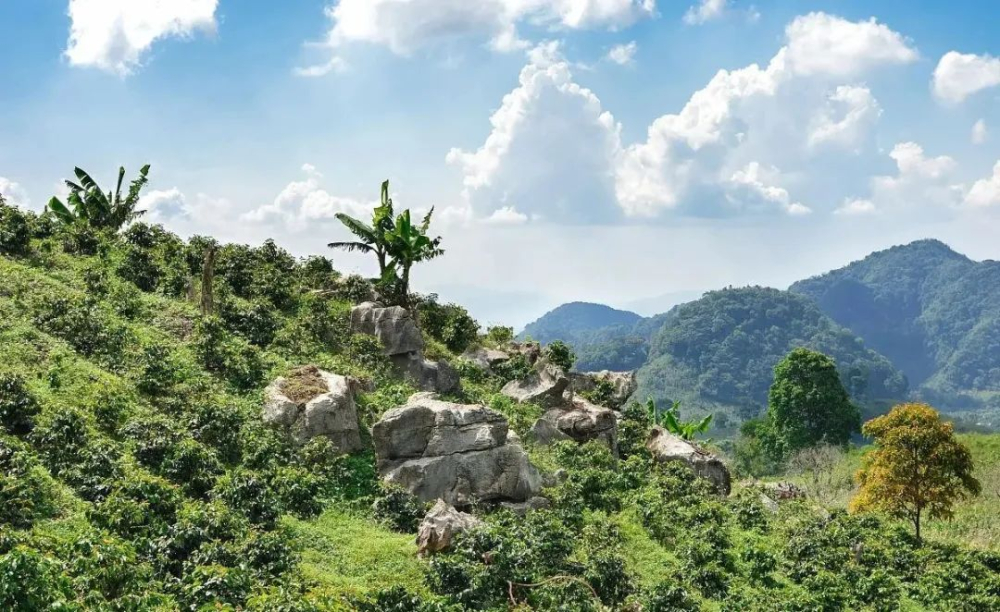
Today Honduras ranks among the world's top ten coffee-producing countries and is the second-largest Arabica producer. Coffee is hugely important to the Honduran economy, accounting for about 30% of total export value. Honduras established the National Coffee Institute (IHCAFE) in 1970 to help develop the industry. At present the country grows only Arabica varieties, specifically Bourbon, Caturra, Catuai, Pacas, Lempira, IHCAFE90, H1 and H3. Some of these have been covered before, so this article introduces several of the others.
Pacas
Pacas is a natural mutation of the Bourbon variety. A single gene mutation makes the plant smaller, and its compact form allows close planting with other plants. The Pacas variety was first discovered in 1949 on a farm owned by the Pacas family in the Santa Ana region of El Salvador, which is where the name comes from. In 1960 the Salvadoran Coffee Research Institute (ISIC) began a lineage selection program for Pacas, selecting individual plants over several generations. The variety is still widely cultivated in El Salvador, accounting for 25% of the country's coffee production. It was later introduced to Honduras by the Honduran Coffee Institute (IHCAFE) in 1974 and is grown primarily in the Montecillos region of Honduras. FrontStreet Coffee's Honduras sherry-barrel-processed coffee beans include the Caturra, Catuai and Pacas varieties. Brewed with a V60 at a 1:15 ratio, this coffee offers vanilla, cream, whiskey and berry notes, with a finish reminiscent of dark chocolate and maple sweetness.

Lempira
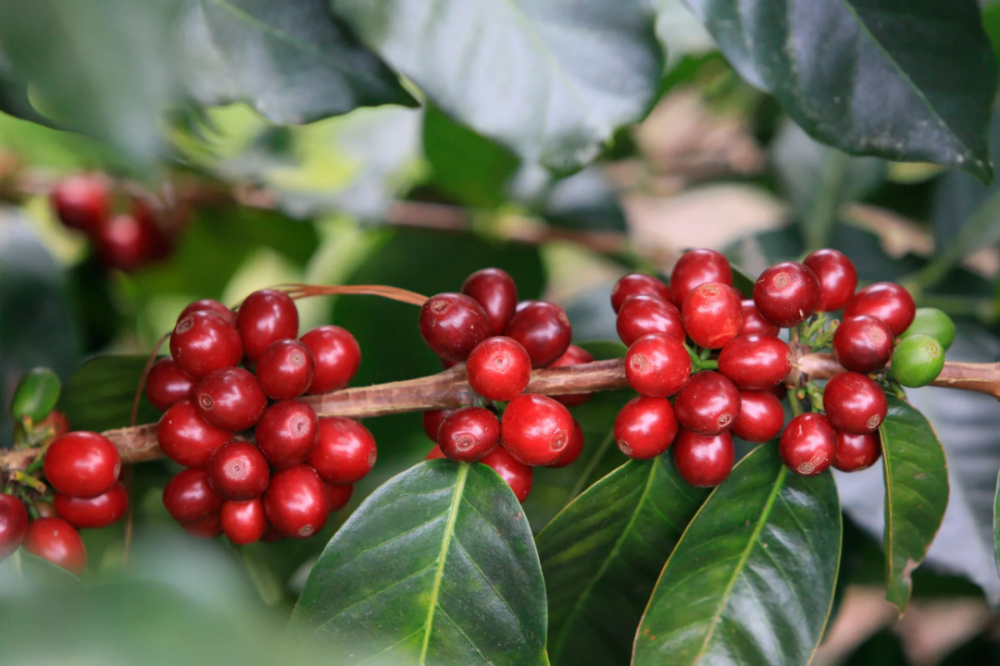
Lempira is a subspecies of Catimor. Catimor was developed by crossing the Timor variety with Caturra to create the first-generation F1 hybrid group. Because of its high yield, disease resistance and ability to adapt to low-altitude, warm climates, this new variety quickly spread across coffee plantations in the Americas. From the late 1980s, national coffee laboratories began developing their own Catimor subspecies, and Lempira is the Catimor subspecies cultivated by the Honduran Coffee Institute. Recent scientific assessments, however, have confirmed that Lempira is susceptible to coffee leaf rust and the OJO DE GALLO fungal disease in Honduras. It is now recommended only for acidic or aluminum-rich soils and warm regions.
IHCAFE90
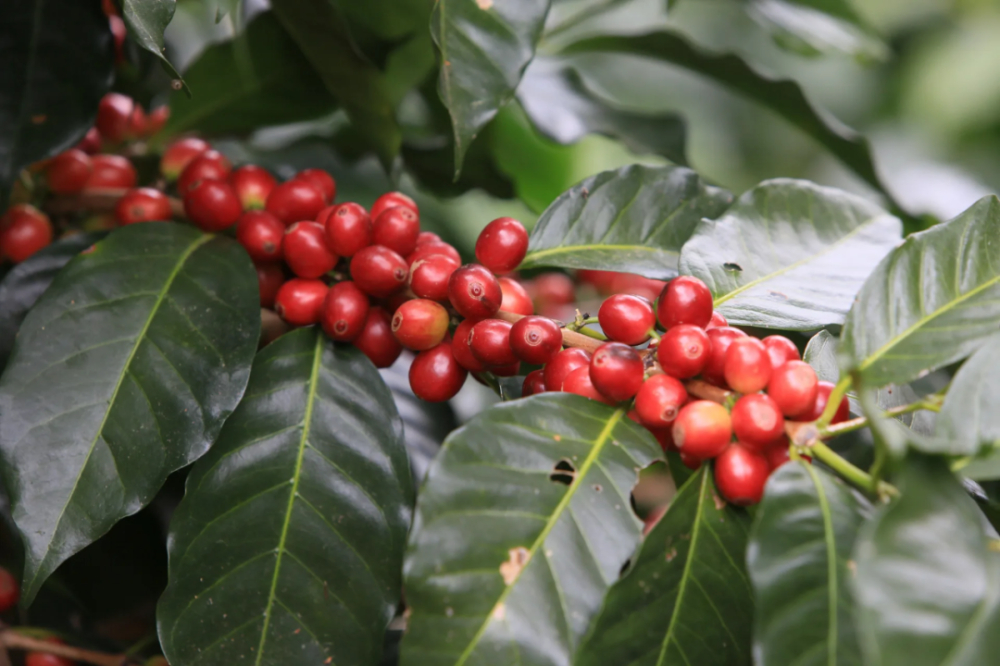
IHCAFE90 is also a subspecies of Catimor. It was first selected from F5 progeny introduced from Portuguese H26 material by the Tropical Agricultural Research and Higher Education Center (CATIE) in Costa Rica, and named T5175. Honduras introduced and researched the variety as well, developing what is now known as IHCAFE90, which is therefore similar to T5175. Recent scientific confirmation shows, however, that it too is affected by leaf rust and OJO DE GALLO fungal disease in the Central American region.
H3
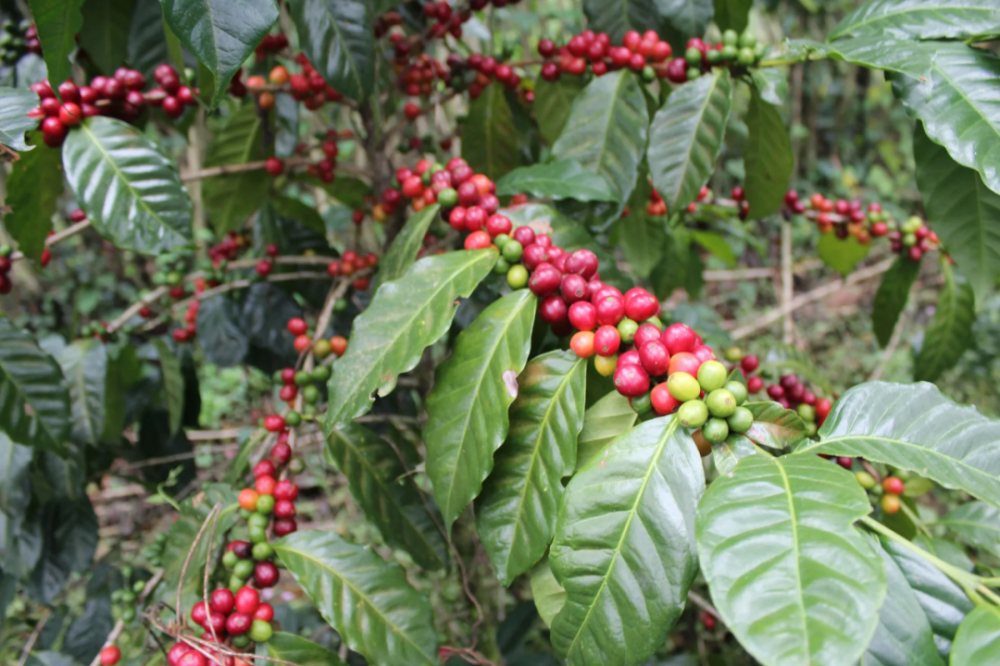
H3 is a first-generation (F1) hybrid, originating from a cross between Caturra and an Ethiopian landrace variety (E531) from the Costa Rican collection. The variety is part of a collaborative development among the French Agricultural Research Center for International Development (CIRAD), the Central American Coffee Research Institutes Alliance (Promecafe) and Costa Rica's Coffee Genebank (Catie). H3 shows some susceptibility to leaf rust but offers higher quality. Because of the severe genetic limitations of traditional American varieties, Central American breeders have worked to develop F1 hybrids to increase genetic diversity in the region. This variety is an F1 lineage selection developed by the Honduran Coffee Institute (IHCAFE).
FrontStreet Coffee Recommendation
Honduras's story is one of varieties shaped by terroir and breeding, and the same logic applies when you choose beans to brew. For pour-over, the V60 is the natural starting point. Hario, the company behind it, was founded in Tokyo in 1921 as a well-known glassware maker that originally produced heat-resistant glass instruments for research institutions; it redesigned the V60 in 2004 and launched the familiar form a year later. The cone shape and 60° angle force water to the center before dripping, extending contact between water and grounds so aroma and flavor extract fully, while the signature single large aperture lets water flow unimpeded, putting the flow rate in the brewer's hands and showing up directly in the cup.
Before the third wave, coffee was mostly roasted medium-dark and valued for body, high sweetness and caramelized notes, which siphon and flannel brought out well; FrontStreet Blue Mountain No. 1 and FrontStreet PWN Golden Mandheling were that era's favorites. As the third wave arrived, drinkers began chasing a sense of place - Ethiopia's white florals, Kenya's berry acidity - and roasting shifted lighter, which the V60's fast extraction serves perfectly. That makes floral and fruity beans the ideal match: FrontStreet Gedingding with its classic Yirgacheffe profile, the tropical FrontStreet Flower Queen, the Geisha-style FrontStreet Strawberry Candy and the raisin-forward FrontStreet Mozart.
Among light roasts, FrontStreet Yirgacheffe Gedingding is an easy entry into specialty coffee, with bright citrus, berry and floral notes and a green-tea-like finish - soft, bright acidity rather than anything harsh. FrontStreet Ethiopia Flower Queen is a star product of recent years, extremely prominent in tropical fruit aroma with strawberry, passion fruit, jackfruit and even lychee, notably sweet, very low in bitterness and smooth and juicy on the palate. FrontStreet Panama Hacienda La Esmeralda Red Label Geisha is legendary, with elegant jasmine plus citrus, bergamot and black tea, clean, transparent, long in the finish and richly layered. FrontStreet Kenya Cherry Tomato, from Kenya's Thika region at 1,550-1,750 meters, uses SL28 and SL34 and a 72-hour double washed fermentation, showing bright cherry tomato and dark plum acidity with a full, juicy body.
If you prefer a medium-dark, mellow cup, FrontStreet PWN Golden Mandheling is deep-roasted with very low acidity, full and long, packed with herbal and dark chocolate aroma and a faint earthy note - ideal for a strong, low-acid taste. FrontStreet Brazil Queen's Estate is low-acid and balanced with rich nut and cocoa aroma and clear caramel sweetness, smooth on entry and suited to pour-over, espresso and moka pot. FrontStreet Jamaica Blue Mountain No. 1 balances acidity, sweetness, bitterness and aroma beautifully, with cream, caramel, chocolate, nut, honey and a light fruit note. FrontStreet 2013 Yunnan Sun-Dried Typica is clean, with citrus and caramel interwoven into a medium-dark roast carrying nut, chocolate and brown sugar, medium acidity and harmonious layers. And FrontStreet Papua New Guinea Bird of Paradise, from the Sigri region on volcanic soil at 1,600-1,800 meters, is often called a "little Blue Mountain" for its Blue Mountain-like profile, using the Typica variety, graded AA with a triple washed fermentation - clean and pure with prominent sweetness.
Important Notice :
FrontStreet Coffee is a long-established specialty coffee roaster in Guangzhou China, selling freshly roasted beans from its own farm in Yunnan as well as dozens of carefully selected single-origin beans from around the world for both pour-over and espresso. The products deliver consistently excellent quality and great value, with shipping within 24 hours. Guangzhou's FrontStreet Coffee shop is recommended by many coffee lovers, and the beans are now available online at the Tmall 。
FrontStreet Coffee has moved to a new address:
FrontStreet Coffee Address: 315,Donghua East Road,GuangZhou
Tel:020 38364473
 Scan and follow the En Gafei WeChat official account. Please indicate that the reprint comes from "En Gafei".

