How to Identify Coffee Bean Processing Methods by Sight? What's the Difference Between Natural and Washed Processing? What are the Characteristics of Honey Processing?
Coffee Identification Guide 2.0 Is Here!!!
Two months ago, FrontStreet Coffee published "How to Identify Coffee Bean Varieties Through Appearance," and the response was wonderful!
But knowing varieties alone clearly won't satisfy everyone's curiosity — especially with certain people able to identify a processing method at a single glance. Worry no more! Starting today you can stop envying them, because FrontStreet Coffee presents: "How to Instantly Determine Coffee Processing Methods"!

First, understand the difference between natural and washed processing, the two most widely used methods in the world. Most other methods are derived from them — complex anaerobic fermentation processing, for example, is essentially natural or washed processing with an anaerobic fermentation step bolted on.
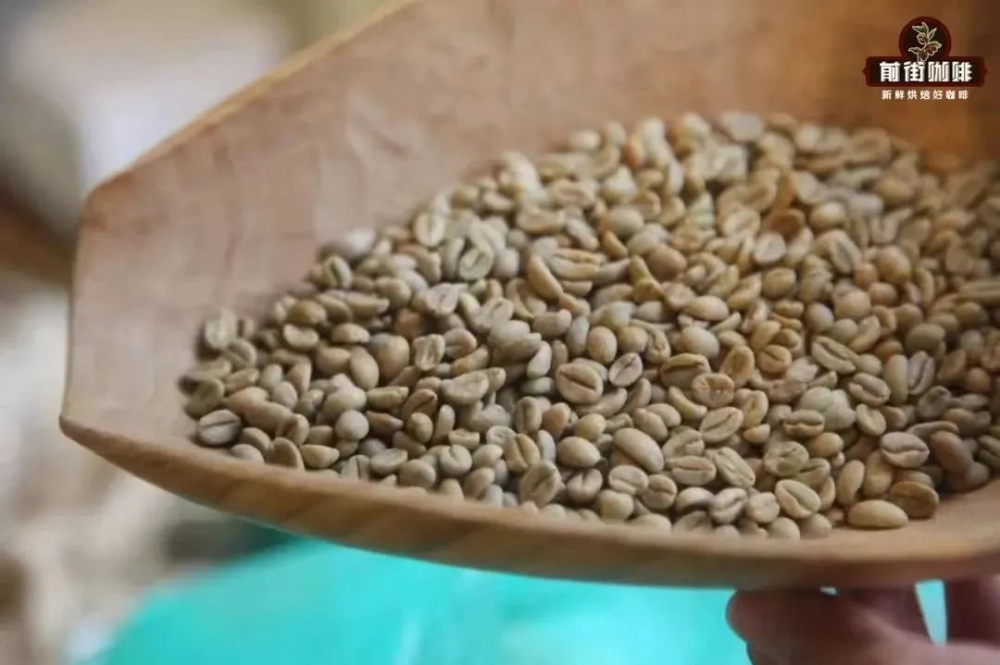
By the way, there's one rather special regional method: "honey processing" from Central America. It was developed because local conditions couldn't meet the full requirements of natural or washed processing — an adaptation to circumstances (washed processing itself, remember, was invented because natural processing couldn't be used). Now, let's walk through the processing flows.
Processing Flows
Natural Processing
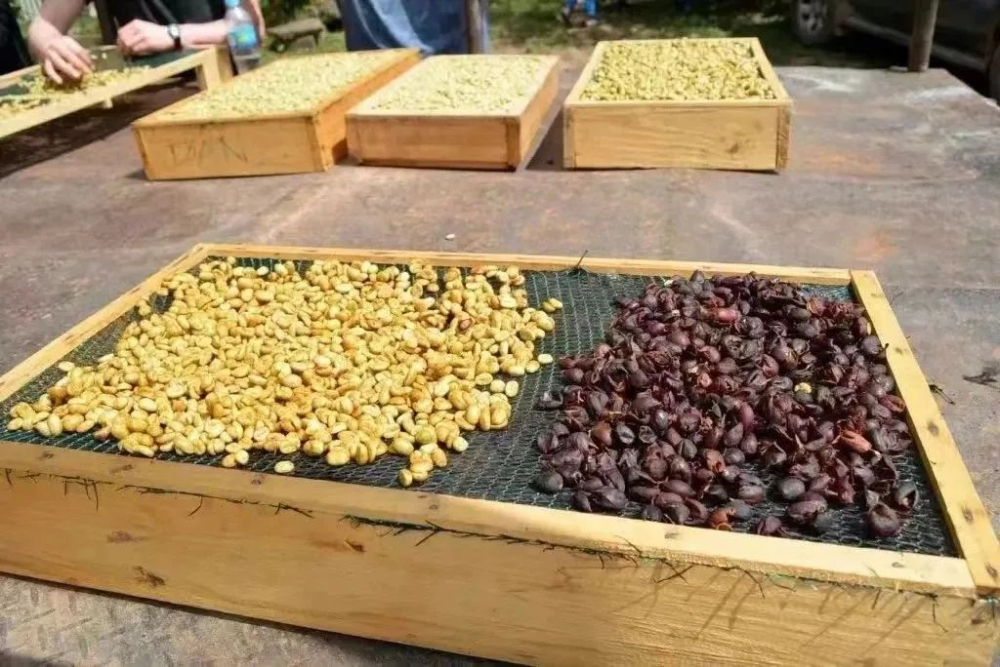
Natural is the oldest method. After harvest, cherries are sorted, then the ripe ones are laid out to dry in the sun, turned constantly to ensure even drying. Drying typically takes 3–4 weeks. When the cherry shell turns hard and dark reddish-black, the green beans' moisture content is in the 10%–13% range. At that point, hulling equipment removes the shell, and the process is complete!
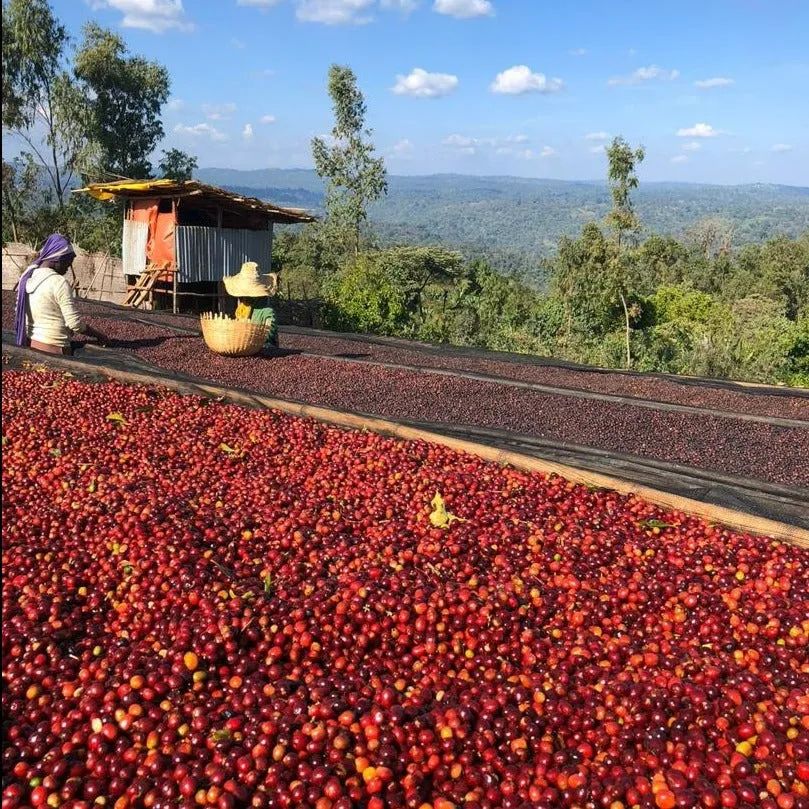
Washed Processing
Washed processing also starts with sorting ripe cherries after harvest. The cherries then go into machines that remove the skin and pulp — though the beans still carry some mucilage afterward.
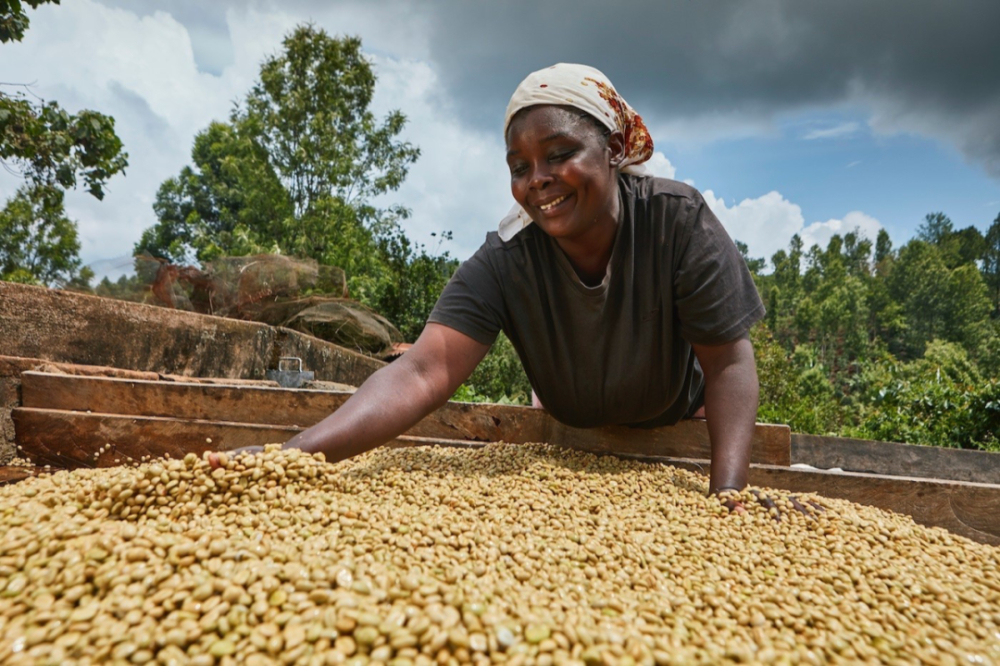
After de-pulping, the mucilage-coated beans go into clean water to ferment for 12–36 hours, during which the fermentation tank's abundant microorganisms break down the mucilage. Once fermentation is done, the beans are washed with large volumes of clean water, then dried to a moisture content of 10%–13%. Done!
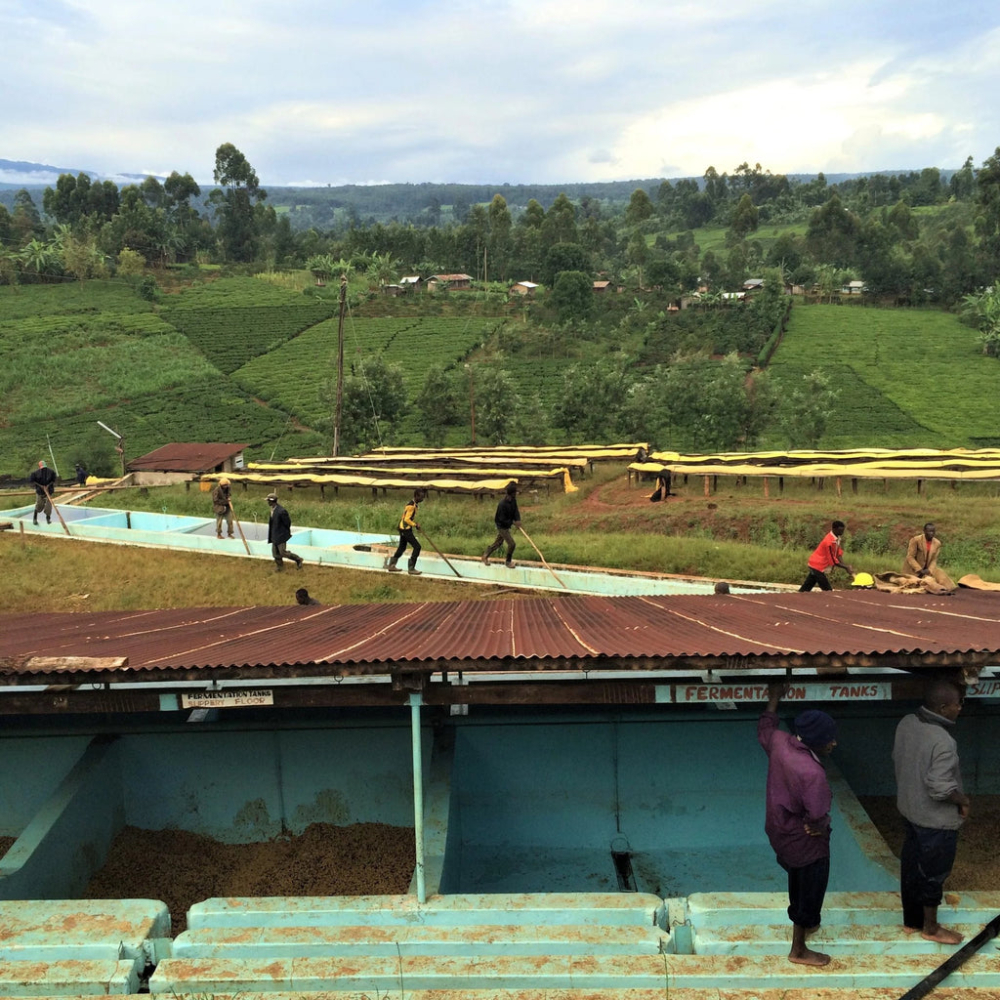
Honey Processing
In honey processing, mature cherries are selected after harvest and machine-depulped. Depending on the honey subtype, different amounts of mucilage remain: White Honey retains 30%; Yellow Honey 40%–60%; Red Honey 70%–80%; and Black Honey 100%. The beans are then sun-dried so the mucilage's substances are absorbed into the green beans. Drying time varies with the amount of mucilage retained, and everything finishes at 10%–13% moisture.
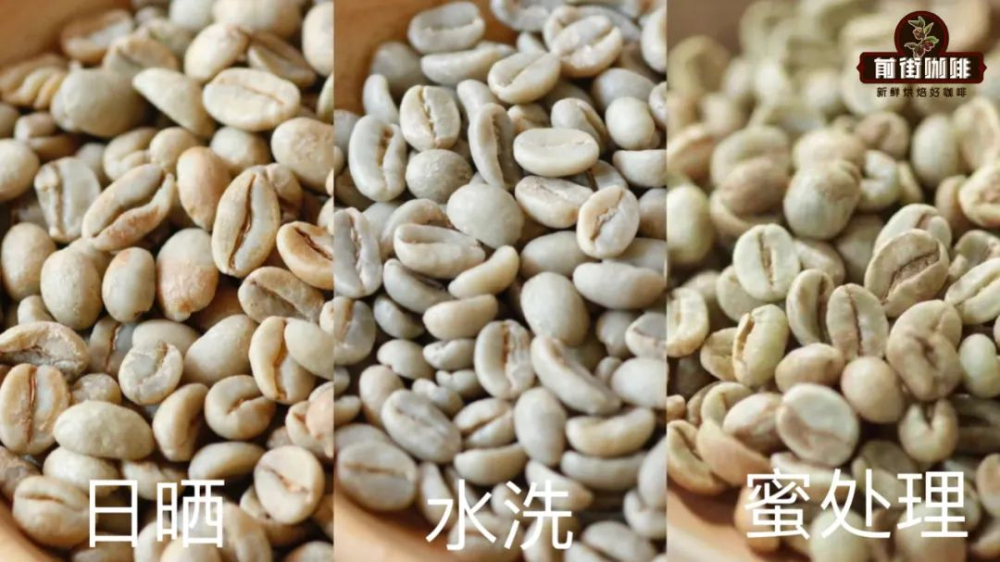
Appearance and Flavor of Raw Beans from Different Processing Methods
Natural-Processed Raw Beans
Natural-processed green beans are yellow-green, with a complete film (silver skin) on the surface. They give off faint fermentation notes, berry sweetness, and a touch of grassy aroma.
Washed-Processed Raw Beans
Washed green beans are blue-green, with an incomplete silver-skin film. Their scent is mainly grassy, with some citrus-like fruitiness.
Honey-Processed Raw Beans
Honey-processed green beans show uneven colors — the more mucilage retained, the deeper the shade. The silver-skin film is relatively complete. Flavor-wise, the higher the mucilage content, the more pronounced the fermentation notes, alongside grassy tones and berry sweetness.
How to Identify Processing Methods in Roasted Beans
Why did we cover the processing flows and raw beans first? Because they directly shape how the roasted beans look!
Natural-Processed Roasted Beans
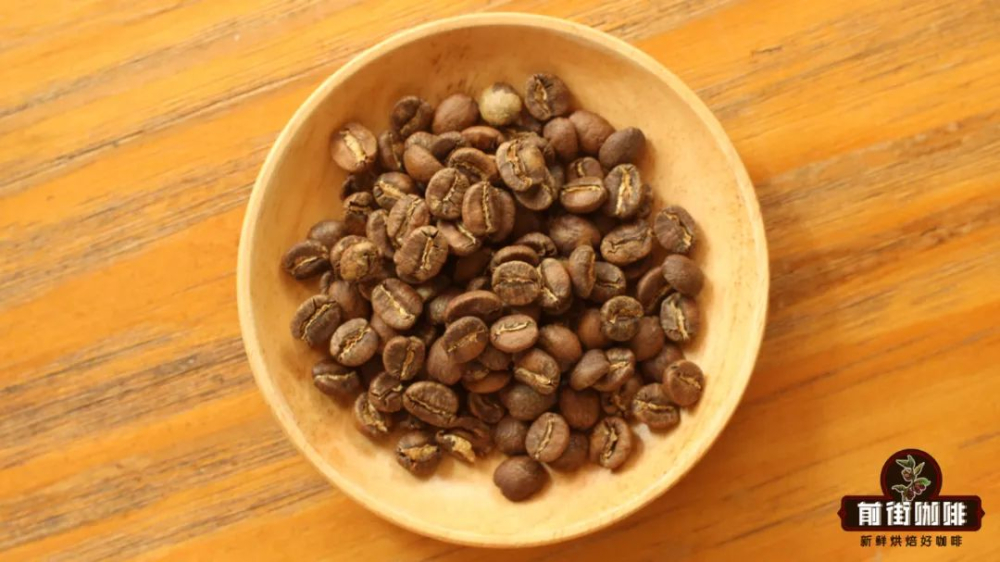
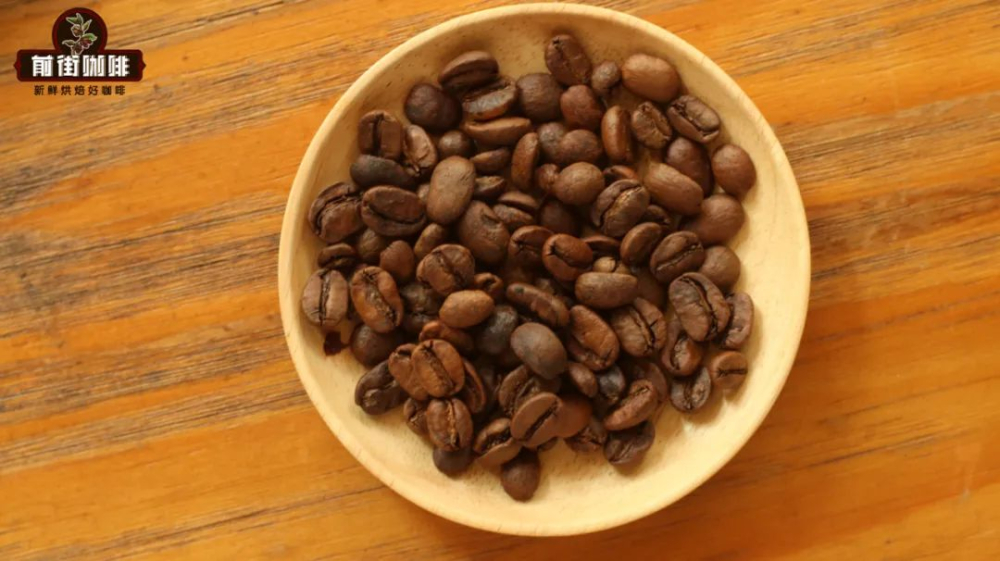
Natural processing preserves the silver skin most completely, so during roasting it can detach in one whole piece. Look at the crevices of most beans after roasting: no silver skin remains — no white lines, or only very faint ones.
Washed-Processed Roasted Beans
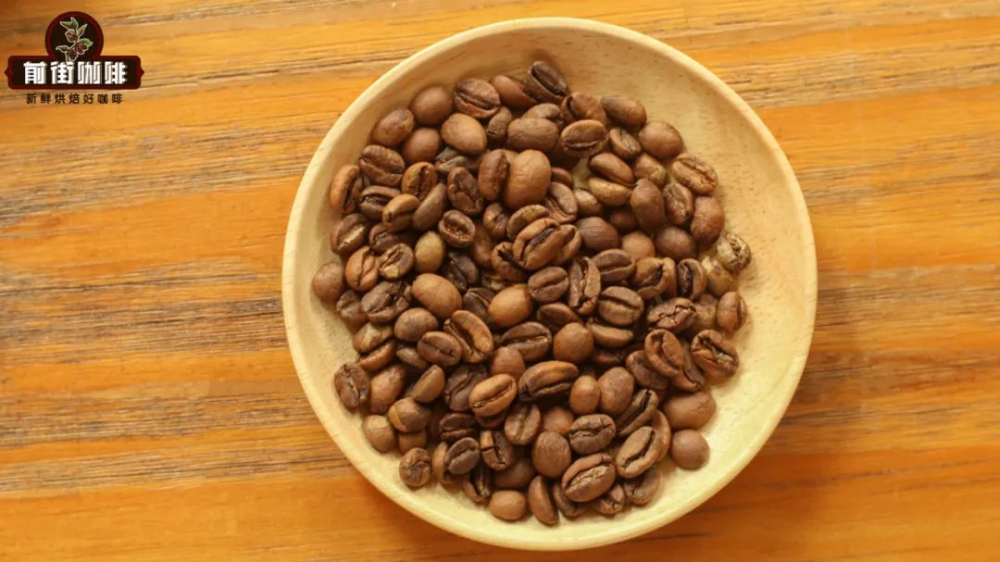
Washed processing doesn't preserve the silver skin intact, so it doesn't peel away in one piece during roasting; it flakes off in fragments. After roasting, nearly every bean shows a white line down the middle — residual silver skin. The presence or absence of white lines is the best way to tell natural from washed.
Honey-Processed Roasted Beans
Honey-processed beans also retain relatively complete silver skin, so after roasting you'll rarely see white lines in the crevices. Color-wise, uneven shading is the giveaway: the more mucilage a green bean absorbed, the darker it roasts.
Anaerobic-Processed Roasted Beans
As mentioned, anaerobic beans are natural or washed beans with extra steps. Like honey-processed beans, they typically show uneven color depth after roasting, since each bean absorbed different amounts of material. So when you see uneven coloration, the bean might be honey — or anaerobic. They're fairly easy to tell apart: anaerobic beans usually carry much stronger fruit-fermentation notes. Sniff first, then use the white-line test to decide whether it's anaerobic natural or anaerobic washed.

(No-prize guessing game: which of the beans above is anaerobic washed, and which is anaerobic natural?)
- END -
FrontStreet Coffee

FrontStreet Coffee Recommendation
Honey processing traces back to Brazil's pulped natural method — depulp, then dry — which shortens drying time and prevents off-flavors from improper fermentation; FrontStreet's Cerrado lot is a classic Brazilian example. Costa Rica borrowed that method and refined it by varying mucilage retention and drying time, giving us the Black, Red, Yellow, and White Honey tiers we know today. Three honey-processed picks:
FrontStreet Costa Rica Blackberry — A Black Honey coffee, meaning almost no mucilage is removed: drying takes at least two weeks, under shade covers to prevent the sun from drying the beans too fast, with regular turning to avoid uneven heating and over-fermentation. It's the most labor-intensive honey method — and worth it. Roasted medium-light, the grounds are intensely floral, and the cup carries the distinctive flavors of grape, berries, and ripe blackberry.
FrontStreet Strawberry Candy Geisha Blend — A blend of Panama Geisha and Costa Rican coffee: the Geisha supplies the classic orange-blossom-honey character, while the Costa Rican component undergoes raisin honey processing — 100% mucilage retained, zero water. Floating (defective or overripe) cherries are skimmed off on harvest day, the rest dried on raised beds for at least three days before depulping, then dried with constant turning. The result: Geisha's tea-floral tones plus raisin and blueberry aromas, gentle acidity, an almond finish, and pronounced sweetness.
FrontStreet Costa Rica Mozart — Raisin honey processing takes things further: cherries are pre-dried on raised beds for at least three days before depulping and the rest of the honey process. Keeping 100% mucilage with the fruit pre-dried demands even stricter timing than Black Honey — and rewards you with a richer, warm dried-fruit sweetness. Buy the Mozart lot and you'll taste osmanthus, pineapple, and raisin whether you brew pour-over, cold brew, or moka pot.
Important Notice :
FrontStreet Coffee is a long-established specialty coffee roaster in Guangzhou China, selling freshly roasted beans from its own farm in Yunnan as well as dozens of carefully selected single-origin beans from around the world for both pour-over and espresso. The products deliver consistently excellent quality and great value, with shipping within 24 hours. Guangzhou's FrontStreet Coffee shop is recommended by many coffee lovers, and the beans are now available online at the Tmall 。
FrontStreet Coffee has moved to a new address:
FrontStreet Coffee Address: 315,Donghua East Road,GuangZhou
Tel:020 38364473
 Scan and follow the En Gafei WeChat official account. Please indicate that the reprint comes from "En Gafei".