
The Development History of Vietnamese Coffee, Flavor Characteristics of Coffee Varieties in Vietnamese Regions, and Introduction to Classic Italian Blends
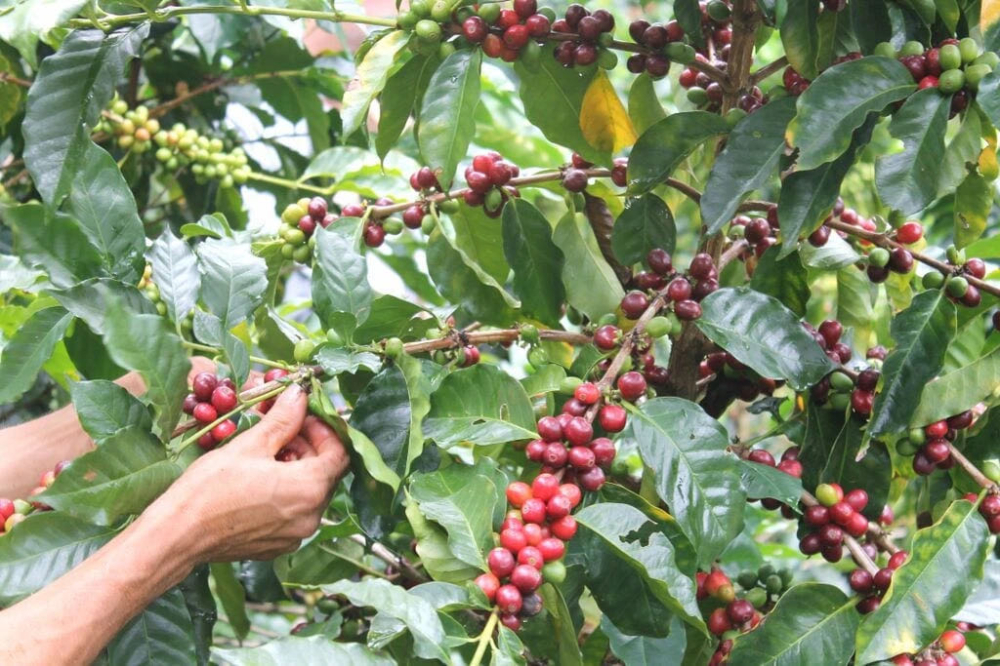
Vietnam lies at the southeastern end of the Indochina Peninsula in Southeast Asia, bordering China, Laos and Cambodia, with the South China Sea to its southeast. The country has a long, narrow, roughly S-shaped territory. The terrain is higher in the northwest and lower in the southeast, with three-quarters of the country made up of mountains and plateaus. The Truong Son Range runs through the central part from north to south. Vietnam sits south of the Tropic of Cancer and belongs to the tropical monsoon climate zone. The north has four distinct seasons, with average temperatures of 23°C to 25°C in most areas. The south divides into a rainy season from May to September and a dry season from October to April, with average temperatures of 26°C to 27°C in most areas. National average rainfall is 1500-2000 millimeters.
Coffee was introduced to Vietnam by the French in 1867, initially grown on plantations, and reached commercial scale in 1910. Cultivation was interrupted during the Vietnam War, and after the war the coffee industry began to form conglomerates. During that period, roughly 20,000 hectares produced 5,000-7,000 tons of coffee. Over the following 25 years, the land used for coffee cultivation increased 25-fold while national production grew 100 times. That growth rate can be traced to the 1986 reform and opening-up policy that allowed private enterprises to produce commercial crops.
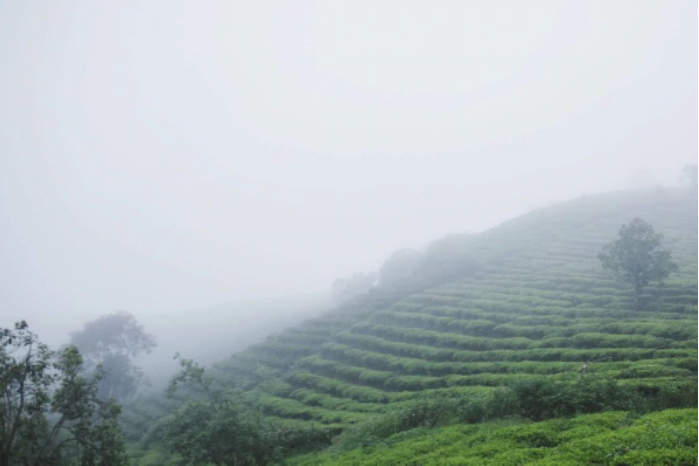
By the early 1990s, numerous new companies had emerged in Vietnam, many focused on large-scale coffee production. Particularly between 1994 and 1998, when coffee prices were high, the Vietnamese industry concentrated on increasing output. By 1996-2000, Vietnam's coffee production had risen sharply, with a major impact on global prices. Vietnam became the world's second-largest coffee producer, leading to global oversupply and a collapse in prices. Today's market, however, faces supply shortages, and Vietnam is planning to add new coffee planting areas.
Because the early focus was on production volume, the local industry valued quantity over quality. Vietnam therefore grows predominantly Robusta, with only some regions cultivating Arabica. The main growing areas fall into three major zones: the Central Highlands, Southern Vietnam and Northern Vietnam.
Central Highlands
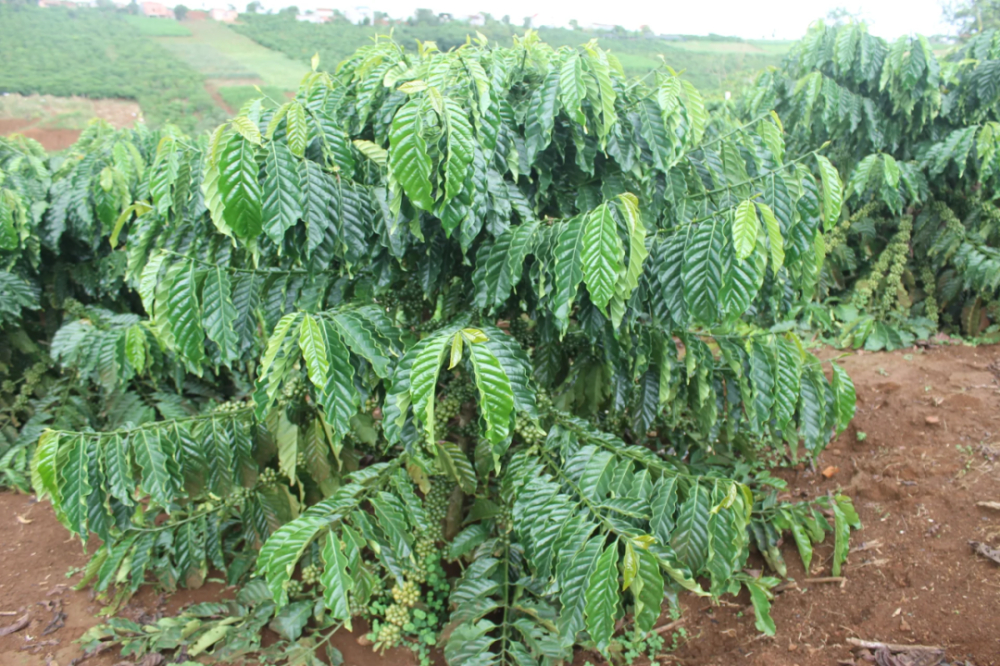
The Central Highlands consist of a series of plateaus covering provinces such as Dak Lak, Lam Dong, Gia Lai and Kon Tum. The region primarily grows Robusta (known locally as Xanh Lun) and some Arabica, producing about 70 percent of the country's Robusta. Cultivation altitude ranges from 600-1000 meters, with harvesting from November to March of the following year.
Southern Vietnam
Coffee is grown around Dong Nai Province, northeast of Ho Chi Minh City, again mainly Robusta of the TR series. The region has attracted many large coffee companies, such as Nestle, which has built factories here. Altitude here ranges from 200-800 meters, with harvesting from November to March of the following year.
Northern Vietnam
Arabica is grown mainly in places such as Son La, Thanh Hoa and Quang Tri in northern Vietnam, near Hanoi. This region has the higher altitudes Arabica needs, between 800 and 1600 meters. Harvesting also runs from November to March, with Bourbon, Catimor and Robusta of the TR series as the main varieties. Although Arabica accounts for only 3 to 5 percent of Vietnam's total coffee production, it still makes Vietnam the world's fifteenth-largest Arabica producer, which speaks to the sheer scale of the country's output.
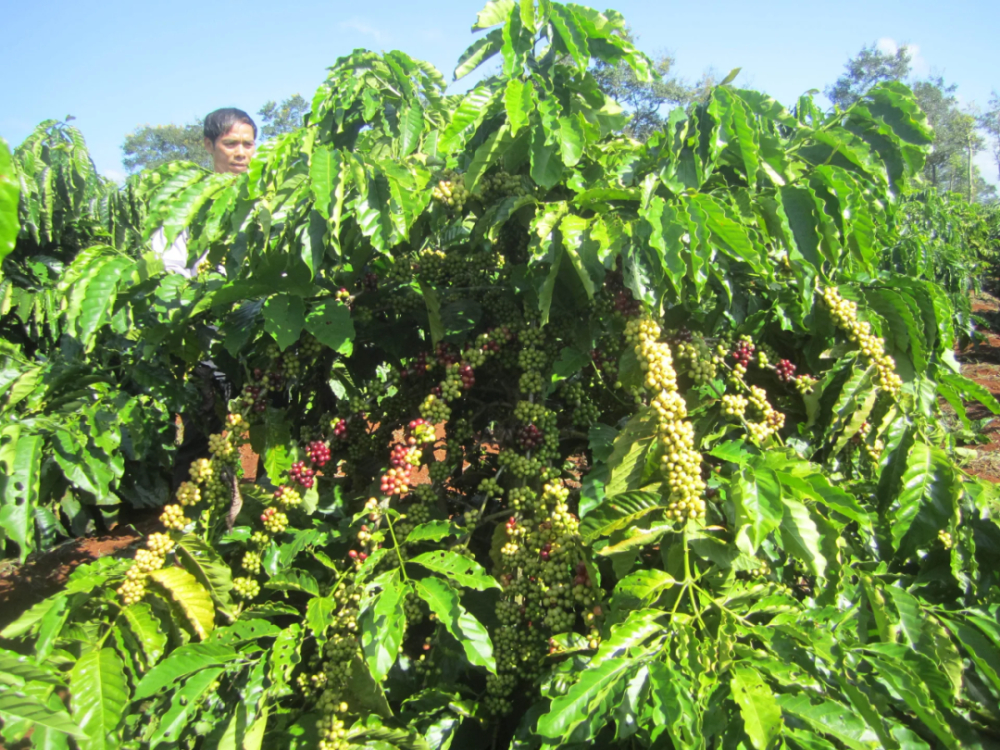
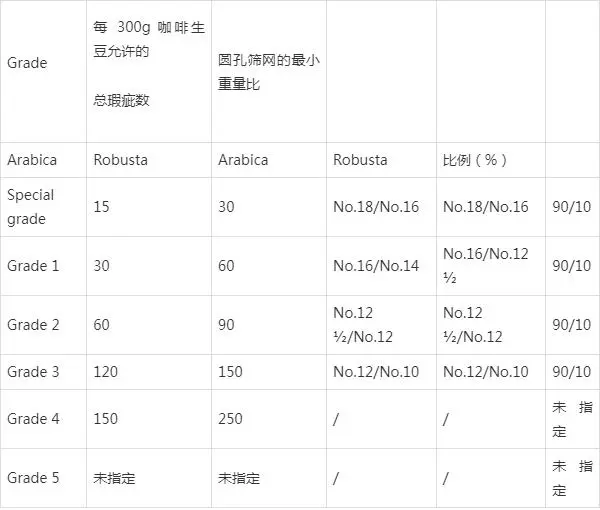
Vietnam's coffee grading system is relatively simple, based on the number of defects in 300 grams of green coffee beans.
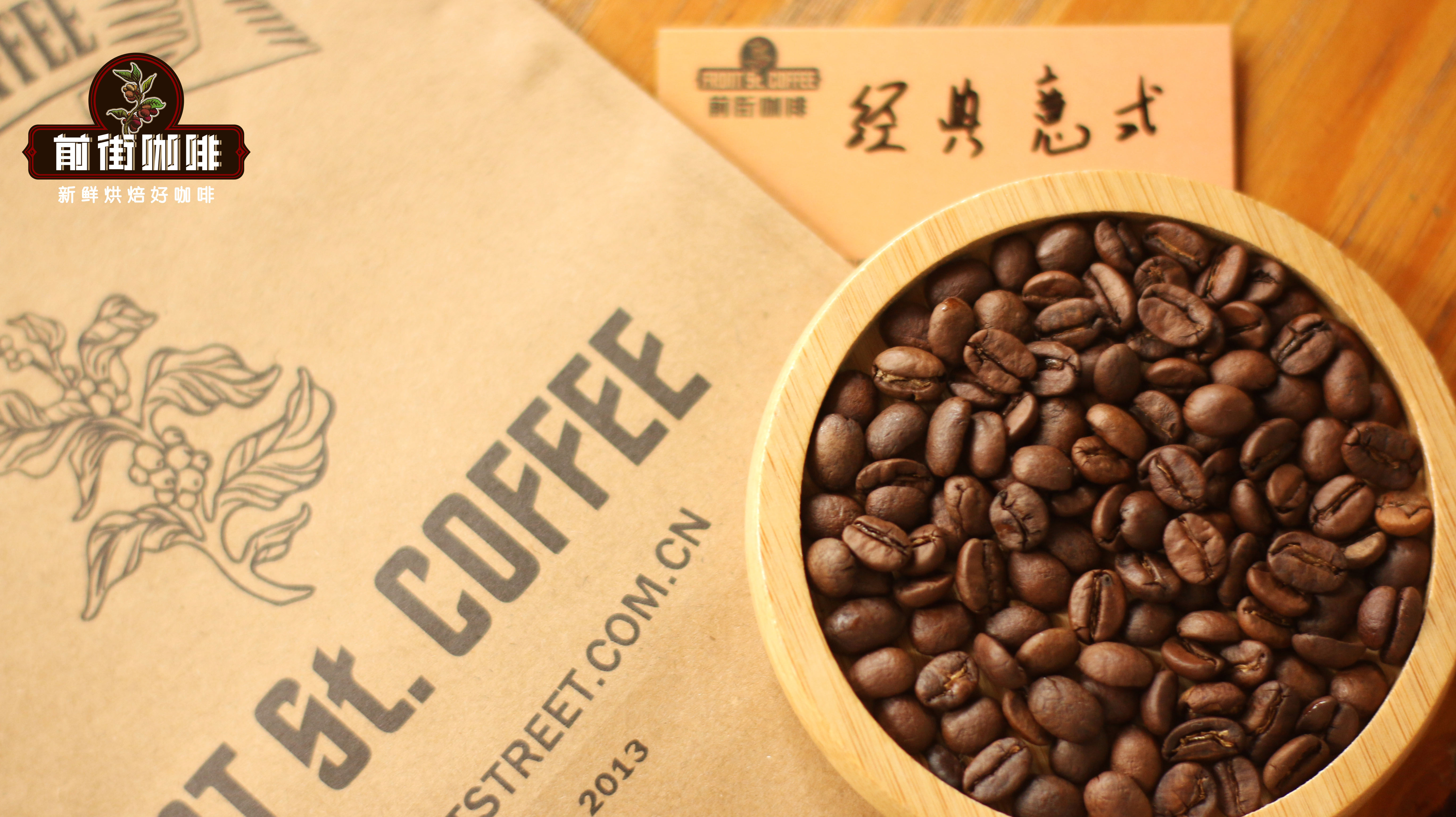
FrontStreet Coffee's classic Italian blend also selects coffee produced in Vietnam, blending Indonesian Mandheling, Brazilian Cerrado and Vietnamese Robusta. The medium-dark roast presents rich espresso flavors with chocolate and nutty notes, and when paired with milk it heightens the sweetness.
FrontStreet Coffee Recommendation
FrontStreet sells five Italian-style blends in distinct styles, and every bag ships within 5 days of roasting so you can taste it at its most complete. FrontStreet Specialty Blend suits home, office and boutique community cafes, pairing washed Colombian beans with semi-washed Brazilian beans for notes of nut, dark chocolate and caramel, a comfortable bitter-sweet balance, and a latte that pours smooth with stable latte art and a deep roast aroma. FrontStreet Commercial Blend serves all kinds of coffee shops, combining the same Colombian and Brazilian base with a touch of Robusta for toast, almond and walnut complexity, easy-flowing crema and a low-acid, full body at a value price that makes it a top pick for opening a shop.
FrontStreet Dark Cocoa Blend suits cafes, bakeries, beverage shops and home machines alike, joining washed Yunnan small bean with semi-washed Brazilian coffee: the mature plum acidity of the nutty Yunnan beans meets the cream-chocolate and cocoa-cookie aroma of the Brazilian beans for a balanced, golden-crema espresso. FrontStreet Classic Blend is made for beginners, latte-art learners and higher-end specialty cafes, a medium-dark recipe drawn from three origins after the old Mamba style of Mandheling and Brazil, with a little Robusta added to lift aroma and crema so a newcomer can still pull a golden, syrupy shot at home.
If you would rather move away from the deeper traditional profiles, FrontStreet Strawberry Candy Blend is a fruit-forward espresso that fuses the native flavors of Arabica beans from several regions into a distinct strawberry-gummy sweetness. Beyond the rose florals, its Americano and latte bring grape, dried blueberry, sweet orange and fruit-candy notes, a package flexible enough for home drinking or a cafe's signature milk coffee.
Important Notice :
FrontStreet Coffee is a long-established specialty coffee roaster in Guangzhou China, selling freshly roasted beans from its own farm in Yunnan as well as dozens of carefully selected single-origin beans from around the world for both pour-over and espresso. The products deliver consistently excellent quality and great value, with shipping within 24 hours. Guangzhou's FrontStreet Coffee shop is recommended by many coffee lovers, and the beans are now available online at the Tmall 。
FrontStreet Coffee has moved to a new address:
FrontStreet Coffee Address: 315,Donghua East Road,GuangZhou
Tel:020 38364473
 Scan and follow the En Gafei WeChat official account. Please indicate that the reprint comes from "En Gafei".

