What is the Flavor of White Flowers in Coffee? How to Brew Floral Notes in Pour-Over Coffee?
When buying coffee beans, we are often drawn to enticing floral descriptions on the label. Then we brew and taste, and find ourselves wondering: "Where's the floral aroma? Why can't I taste it?"

Floral notes are special in coffee. Even when we buy beans described as floral, detecting those aromas is not always straightforward. That leads to a common question: "Are there ways to make floral aromas more pronounced in brewed coffee?" Before answering, let's understand why some beans naturally possess floral aromas.
Why Coffee Contains Floral Aromas
Some coffees show rich floral aromas because of their variety, growing region and post-harvest processing (for details, see our article on how coffee flavors are formed). But to go from seed to the coffee we drink, beans must be roasted, and the roast level plays a crucial role in determining the intensity of floral notes.
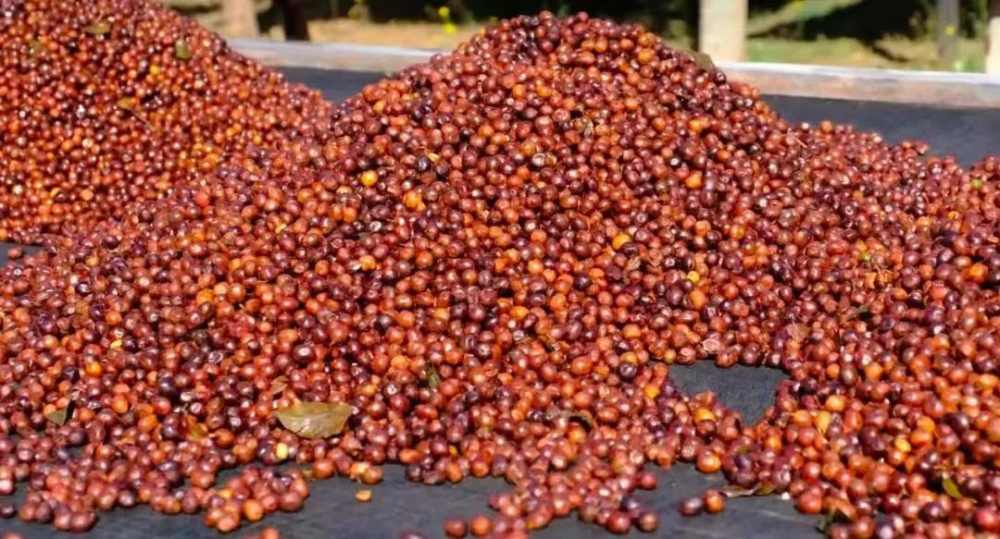
As beans roast in the drum, aromatic compounds keep transforming through various reactions. The darker the roast, the more floral notes fade. Floral aromas are also easily overpowered: roast too dark and other flavor concentrations rise, masking the florals. That is why beans with floral descriptions are typically roasted light to medium, where fewer competing flavors exist and floral compounds are most abundant.
Types of Floral Aromas
Just as we experience different fruit flavors, floral aromas have their own classifications. They are not grouped by a simple color scheme like "white flowers" or "purple flowers," but by how we perceive them. There are three main types: fresh floral, rich floral and subtle floral.
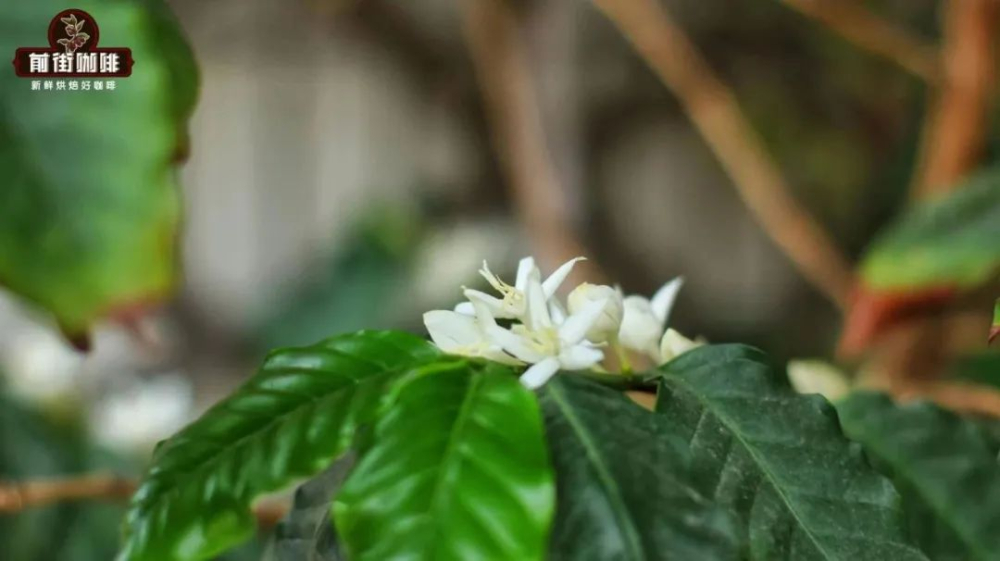
Fresh floral aromas, as the name suggests, give a refreshing, elegant sensation. White floral notes are the most typical representative and the type we encounter most often. Subtle floral aromas offer a gentle, soothing sensation; roses and lavender are classic examples. Rich floral aromas differ from the first two - more assertive and slightly overwhelming at first, typically represented by osmanthus and chamomile. One more point: the description "white floral" covers a vast group of flowers. Beyond the common jasmine, camellia and coffee flower, it also includes magnolia, gardenia, white roses and many other white blossoms.

When tasting coffee, the complex combination of flavors and aromas makes it hard to identify specific flower types, especially since white flowers share similar aromatic foundations. So people collectively refer to them as "white floral notes."
Brewing Techniques for Enhanced Floral Aromas
So are there specific techniques to extract more floral aroma? Research by American biologist Dr. Hachlott and SCAA consultant Linde shows that coffee extraction involves hot water dissolving flavor molecules from the coffee, where molecular weight and polarity determine the dissolution rate.
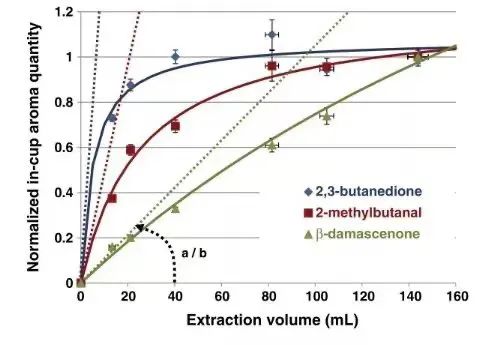
Generally, flavor molecules with smaller mass and higher polarity dissolve faster, while those with larger mass and lower polarity dissolve more slowly. Floral flavor compounds are low-polarity molecules that need longer extraction. What's more, as mentioned, they have a very subtle sensory impact: if concentration or other flavors are too high, florals become extremely hard for our senses to detect.
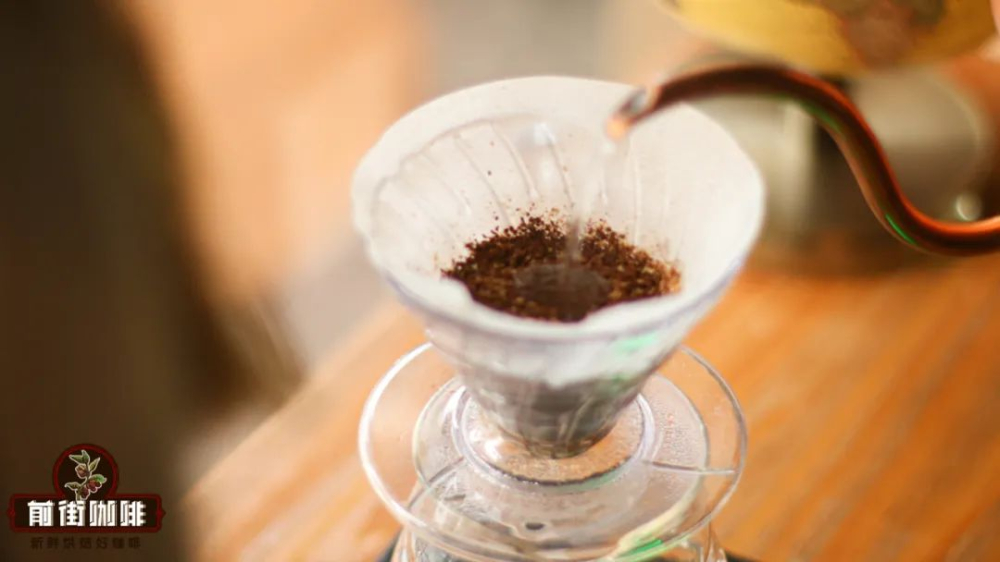
Quite a challenge - hard to extract, and easily masked. Following that logic, to taste floral notes clearly we would need to increase extraction while lowering concentration, right? Exactly. In 2020 the SCA commissioned extraction experiments at the University of California, and the results confirmed that coffee with low concentration and high extraction does show more pronounced floral aromas. The solution is simple: adjust the brewing parameters with floral beans and we get a coffee with rich floral flavor.
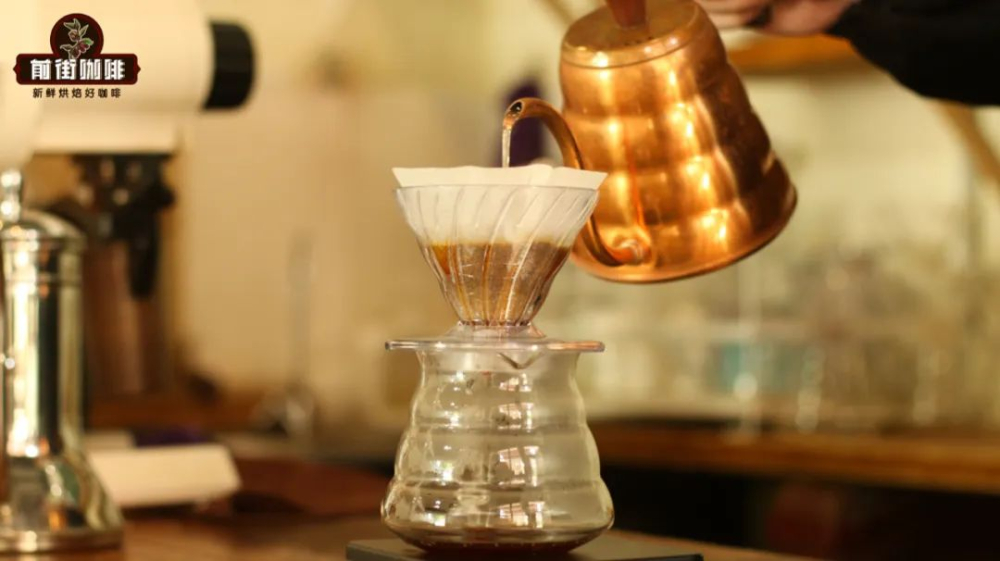
Lowering concentration is easy: add more water to dilute the coffee by raising the coffee-to-water ratio. FrontStreet Coffee typically uses 1:15 for pour-over. To release florals through dilution, we can go to 1:16. (FrontStreet Coffee compared 1:16 and 1:17 and found 1:17 dilutes too much for drinkers with a "heavier" taste.) To increase extraction, we have several options: higher water temperature, a finer grind, or more agitation. FrontStreet Coffee recommends more agitation, since the first two require adjusting other parameters to avoid the risk of over-extraction. So while keeping things stable, boosting agitation is clearly the best choice.
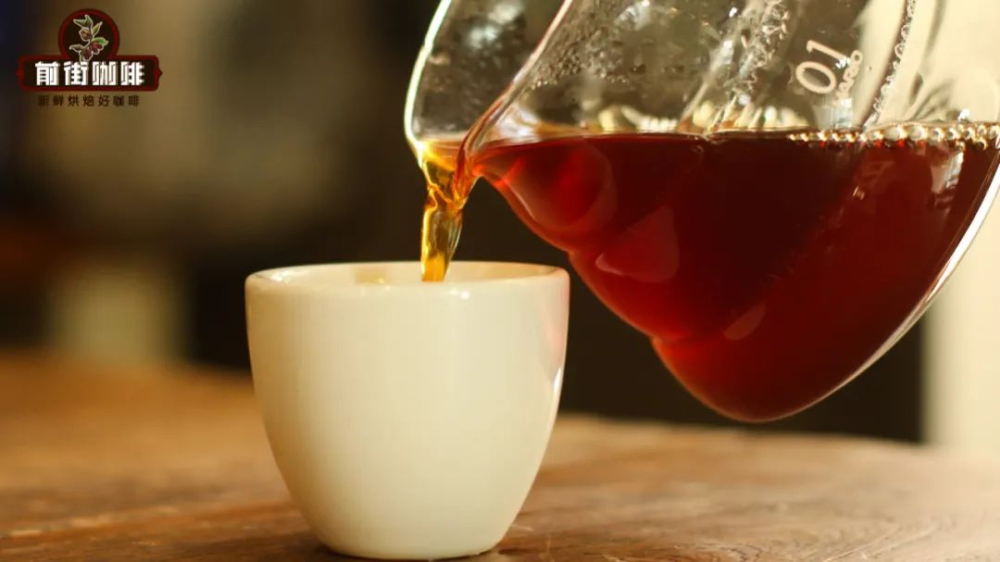
During brewing, agitation comes from the water flow. We can raise agitation and extraction by appropriately increasing the water flow's impact or the number of pouring circles. Without further ado, FrontStreet Coffee ran a brewing experiment with floral beans. Extraction parameters: beans, Ethiopia Gold Label Geisha; bean weight, 15g; coffee-to-water ratio, 1:16 (normally 1:15); water temperature, 92°C; grind, EK43 setting 10 with 70% passing a #20 sieve; brewer, V60; method, three-stage pour. The three-stage amounts were 30ml bloom, then 140ml in the second stage after the bloom, poured with an even circular motion (normally slower), then 70ml in the third stage with an even smaller circular motion.
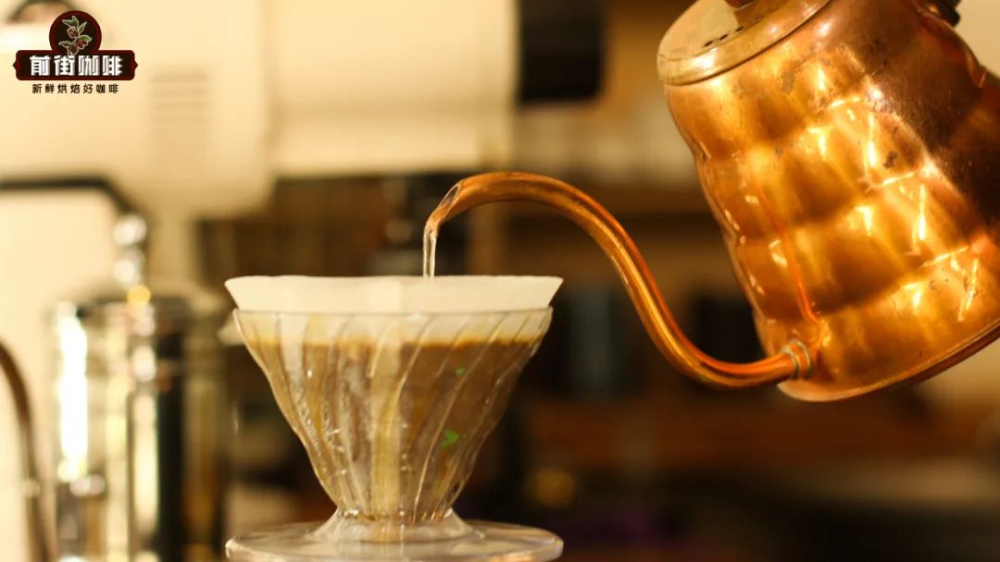
Total extraction time was 2 minutes 12 seconds. Compared with the Gold Label Geisha extracted with the original parameters (1:15 and a slow circular motion), this cup had richer white floral aromas, a mellower fruit acidity and a distinct green tea finish. Excellent results - give it a try.
- END -
FrontStreet Coffee
No. 10 Baoqian Front Street, Yandun Road, Dongshankou, Yuexiu District, Guangzhou, Guangdong Province

FrontStreet Coffee Recommendation
For brewing floral notes, the V60 is the natural choice, and the beans matter just as much. If you are new to pour-over and want a practical, easy-to-handle dripper, chances are a knowledgeable friend will tell you to buy a V60 - the design comes from Hario, founded in Tokyo in 1921, a well-known glassware maker that originally produced heat-resistant glass instruments for research institutions. Hario redesigned the V60 prototype in 2004 and launched the familiar form a year later.
The cone shape and 60° angle make water travel to the center before dripping, extending contact between water and grounds so aroma and flavor extract fully, while the single large aperture lets water flow unimpeded. Before the third wave, coffee was mostly roasted medium-dark and prized for body, high sweetness and caramelized notes, which siphon and flannel cloth brought out well - FrontStreet Blue Mountain No. 1 and FrontStreet PWN Golden Mandheling were the era's favorites. With the third wave, drinkers began chasing a sense of place, like Ethiopia's white florals or Kenya's berry acidity; roasting turned lighter and tasting turned toward delicate acidity. The V60's fast extraction is ideal for that, which is why floral and fruity coffees such as the classic Yirgacheffe-style FrontStreet Gedingding, the tropical FrontStreet Flower Queen, the Geisha-style FrontStreet Strawberry Candy and the raisin-forward FrontStreet Mozart suit it so well.
Among light roasts, FrontStreet Yirgacheffe Gedingding is a fine starting point for specialty coffee, with its bright citrus, berry and floral notes and green-tea-like finish - soft, bright acidity rather than the harsh kind. FrontStreet Ethiopia Flower Queen is another star, its tropical fruit aroma extremely prominent, often with strawberry, passion fruit, jackfruit and even lychee, notably sweet and very low in bitterness, smooth and juicy on the palate, a bean that can change a skeptic's mind. And for a rare treat, FrontStreet Panama Hacienda La Esmeralda Red Label Geisha is legendary, with elegant jasmine, plus citrus, bergamot and black tea - clean, transparent, long in the finish and richly layered. Also worth trying is FrontStreet Kenya Cherry Tomato, a Kenya specialty washed bean from the Thika region at 1,550-1,750 meters, using SL28 and SL34 and a 72-hour double washed fermentation, with bright cherry tomato and dark plum acidity and a full, juicy body.
If you prefer a medium-dark, mellow cup, FrontStreet PWN Golden Mandheling is deep-roasted with very low acidity, full and long, packed with herbal and dark chocolate aroma and a faint earthy note - ideal for those who like it strong and dislike sourness. FrontStreet Brazil Queen's Estate is also low-acid and balanced, with rich nut and cocoa aroma and obvious caramel sweetness, smooth and soft on entry, good for pour-over, espresso and moka pot. FrontStreet Jamaica Blue Mountain No. 1 balances acidity, sweetness, bitterness and aroma beautifully, with cream, caramel, chocolate, nut, honey and a light fruit note, rounded and clean. FrontStreet 2013 Yunnan Sun-Dried Typica is likewise clean, with citrus and caramel interwoven into a medium-dark roast that adds nut, chocolate and brown sugar, medium acidity and harmonious layers. And FrontStreet Papua New Guinea Bird of Paradise, from the Sigri region, is often called a "little Blue Mountain," sharing the Typica variety, grown at 1,600-1,800 meters on volcanic soil and graded AA with a triple washed fermentation - clean and pure with prominent sweetness.
Important Notice :
FrontStreet Coffee is a long-established specialty coffee roaster in Guangzhou China, selling freshly roasted beans from its own farm in Yunnan as well as dozens of carefully selected single-origin beans from around the world for both pour-over and espresso. The products deliver consistently excellent quality and great value, with shipping within 24 hours. Guangzhou's FrontStreet Coffee shop is recommended by many coffee lovers, and the beans are now available online at the Tmall 。
FrontStreet Coffee has moved to a new address:
FrontStreet Coffee Address: 315,Donghua East Road,GuangZhou
Tel:020 38364473
 Scan and follow the En Gafei WeChat official account. Please indicate that the reprint comes from "En Gafei".