
The Correct Way to Hold and Move for Latte Art Pours: How to Practice for Better Designs
Many of us know the frustration: no matter how we shake the pitcher, the pattern simply refuses to appear — and when it does, it looks rough and uneven. Meanwhile, someone else seems to pour a delicate design with an effortless flick of the wrist. At that point it is tempting to blame your hands, but FrontStreet Coffee believes the real culprit may be the way you grip the pitcher.
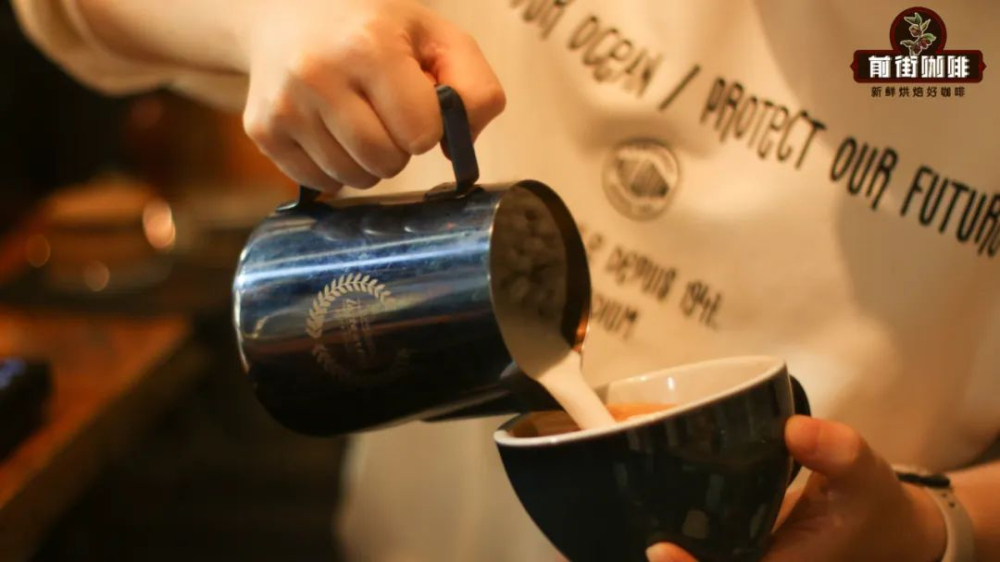
Why the Grip Matters
Many beginners learn latte art from online tutorials. Because different instructors demonstrate different grips, newcomers often assume that only one specific grip can produce a specific pattern. So they switch from one style to another, chasing shapes, only to find that neither their art improves nor their hands stop hurting.
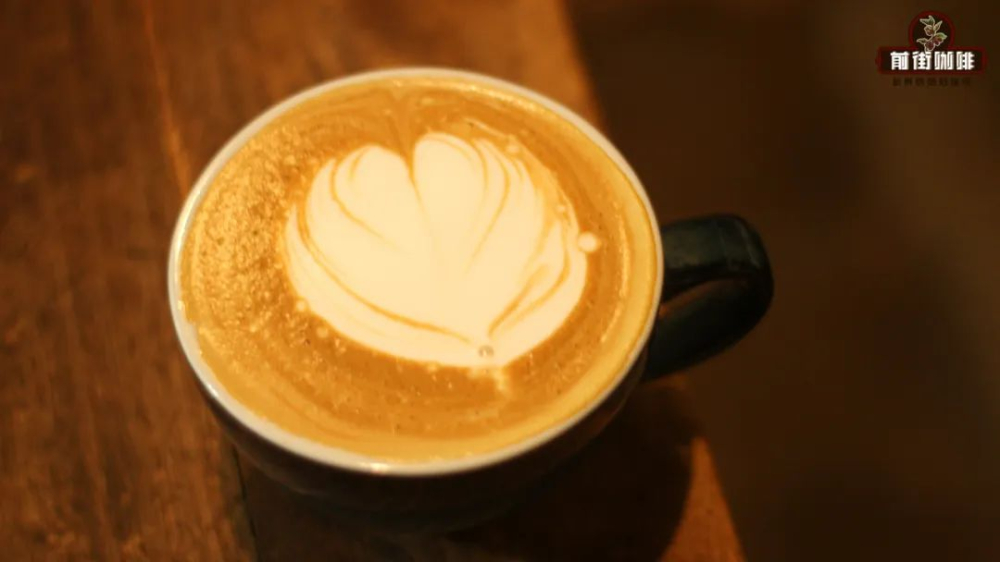
If you keep changing grips, you never master any of them. Lacking fluency in a single hold, you fail to pour clean patterns and add needless strain on top. FrontStreet Coffee therefore suggests committing to one grip first and building skill through repetition. Once it becomes a habit, your wrist tires less, you gain free control over the thickness of the pattern and the flow of the foam, and your latte-art efficiency improves dramatically.
Pitcher Grip Techniques
Whichever grip you choose, the goal is the same: hold the pitcher firmly while keeping the wrist free to move. Holding it steady is easy; the hard part is moving it flexibly. A latte-art pitcher typically weighs between 150 and 280 g, and once you add steamed milk, that weight roughly doubles.

Grip too tightly and you cannot swing the pitcher freely, which makes forming a pattern several times harder. The answer is to pick a suitable grip and train it into muscle memory, so that better patterns come naturally later. There are two common styles:
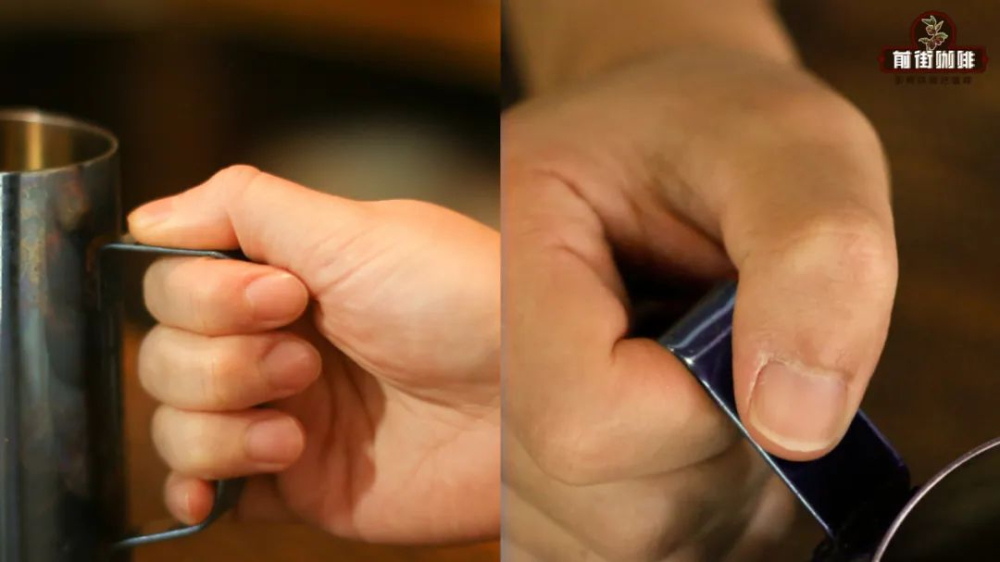
1. Fist Grip
Here the handle is held with all the fingers except the thumb. Force is spread evenly across the hand, and the thumb rests on top of the handle to guide the movement. This style suits people with less wrist strength.
2. Pinch Grip
This is the most common technique: the index finger and thumb pinch the top of the handle on both sides, while the remaining fingers support it by gripping other parts of the handle.
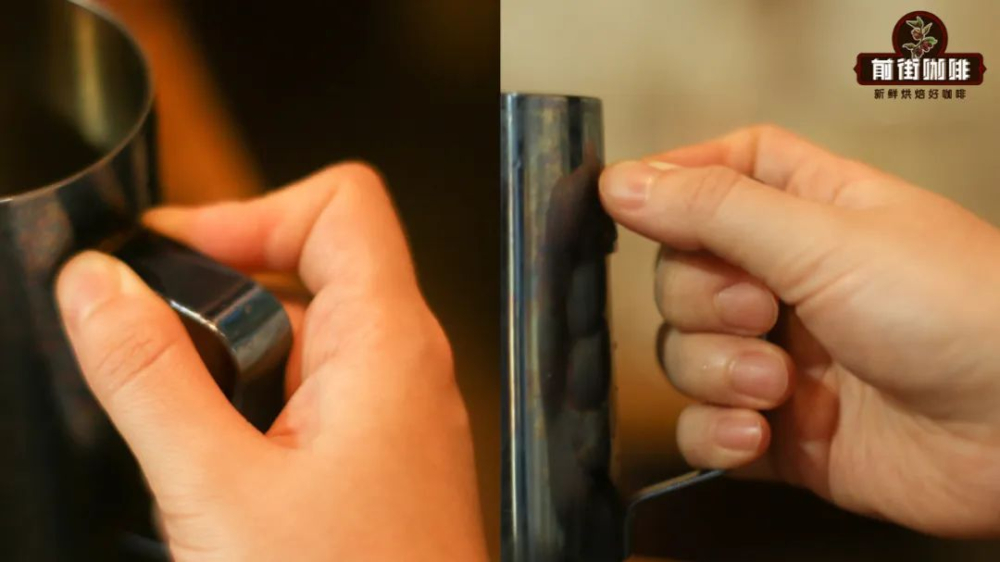
Its advantage is greater freedom of movement once mastered, which makes fine, delicate patterns easier to pour. Because the force is concentrated in the index finger and thumb, the hand stays more agile — but it demands a stronger wrist.
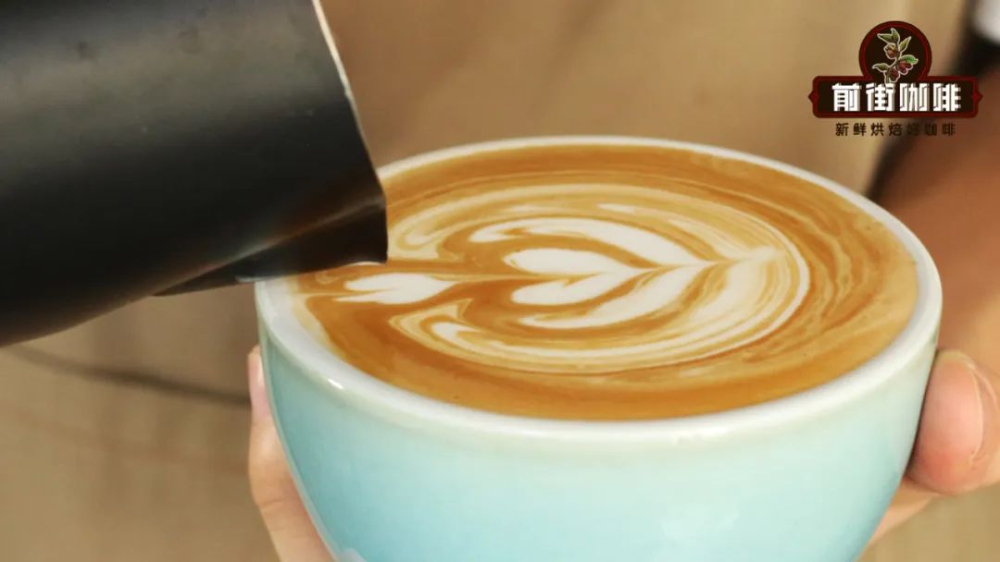
Why Can't I Pour a Pattern Even with Good Technique?
If your technique has come along but the patterns still fall flat, it is time to look at the quality of your espresso and milk foam.
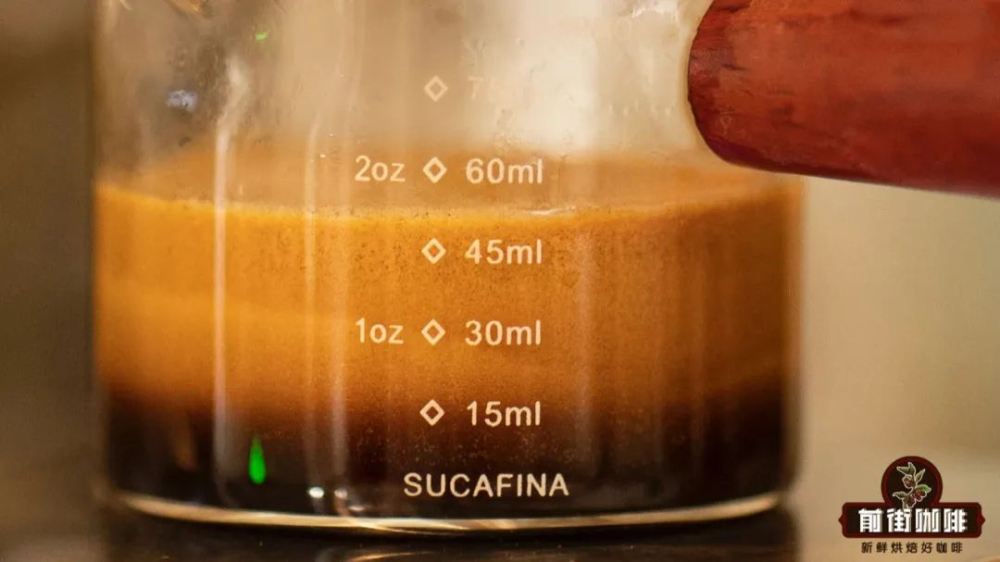
Was the milk foam steamed properly? Is it fine enough? Is the crema on the espresso coarse? Have they separated or faded after sitting too long? Work through these questions one by one. Once everything is properly prepared, unattractive latte art becomes hard to produce.

FrontStreet Coffee Recommendation
Latte art depends on milk texture, and milk texture depends on the espresso you build it on. FrontStreet Classic Blend is a medium-dark espresso recipe drawn from three origins, inspired by the old "Mamba" pairing of Mandheling and Brazil, with a touch of Robusta added for aroma and body. It pours with clear butter, toasted bread and caramel-cookie notes, a powerful flavor, a solid body and a fine, stable crema — an essential everyday coffee for beginners.
If you prefer a rich, nutty aromatic profile, choose FrontStreet Specialty Blend. Also a medium-dark espresso bean, it combines washed Colombian beans with semi-washed Brazilian beans, giving nuts, dark chocolate and caramel in the cup. Whether you make an Americano, a latte or a flat white, it brings out the smooth aromas of cream, almond and cocoa, and its crema is every bit the equal of a café pour — more than enough for latte-art practice, which makes it a great fit for anyone learning at home or preparing to open a shop.
FrontStreet Commercial Blend is tailored for those about to open a café. It builds on FrontStreet Specialty Blend with a small amount of Robusta in the traditional Italian style, adding finer dark-brown crema and a heavier character. Americanos, lattes and mochas all carry nuts, cocoa and caramel, and pouring latte art becomes effortless.
Important Notice :
FrontStreet Coffee is a long-established specialty coffee roaster in Guangzhou China, selling freshly roasted beans from its own farm in Yunnan as well as dozens of carefully selected single-origin beans from around the world for both pour-over and espresso. The products deliver consistently excellent quality and great value, with shipping within 24 hours. Guangzhou's FrontStreet Coffee shop is recommended by many coffee lovers, and the beans are now available online at the Tmall 。
FrontStreet Coffee has moved to a new address:
FrontStreet Coffee Address: 315,Donghua East Road,GuangZhou
Tel:020 38364473
 Scan and follow the En Gafei WeChat official account. Please indicate that the reprint comes from "En Gafei".

