
What Impact Does Rainy Weather Have on Espresso? What Key Steps Should You Pay Attention to When Making Espresso?
What makes baristas groan first thing in the morning? What turns even the most caffeine-resistant barista into someone who can't stand another shot? After some investigating, FrontStreet Coffee found the culprit: damp, rainy weather!
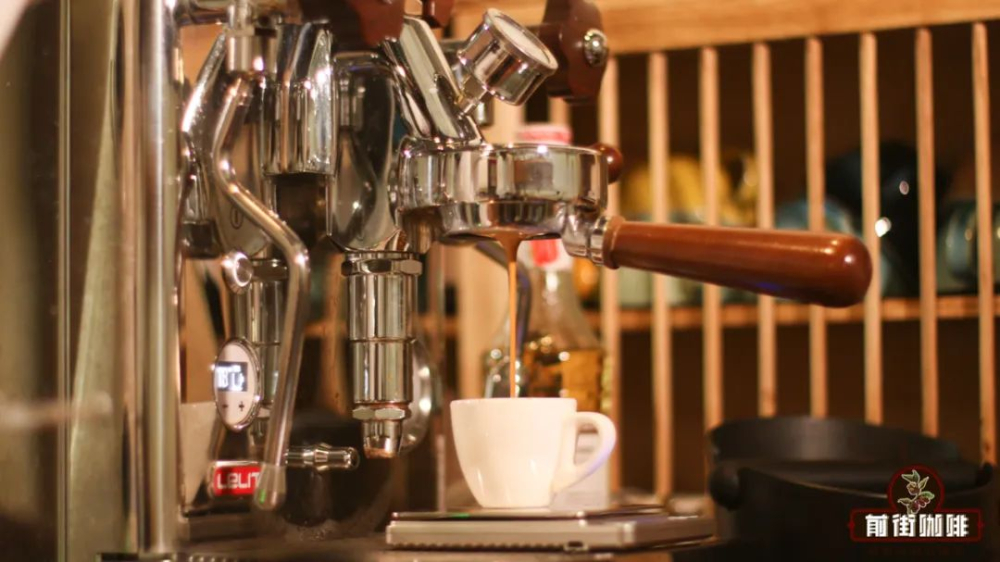
The dry, cold spell hasn't even ended before a stretch of fog, overcast skies, and rain rolls in one after another — enough to make you think spring has arrived early! Of all these humid conditions, what troubles baristas most is dialing in espresso. To keep the coffee tasting consistent every day, the opening shift has to re-adjust the espresso recipe to correct flavors that have drifted overnight!
As a general rule, dry weather brings relatively little variation in espresso extraction. Even running the previous day's parameters the next morning, there is a good chance of pulling roughly the same delicious shot.
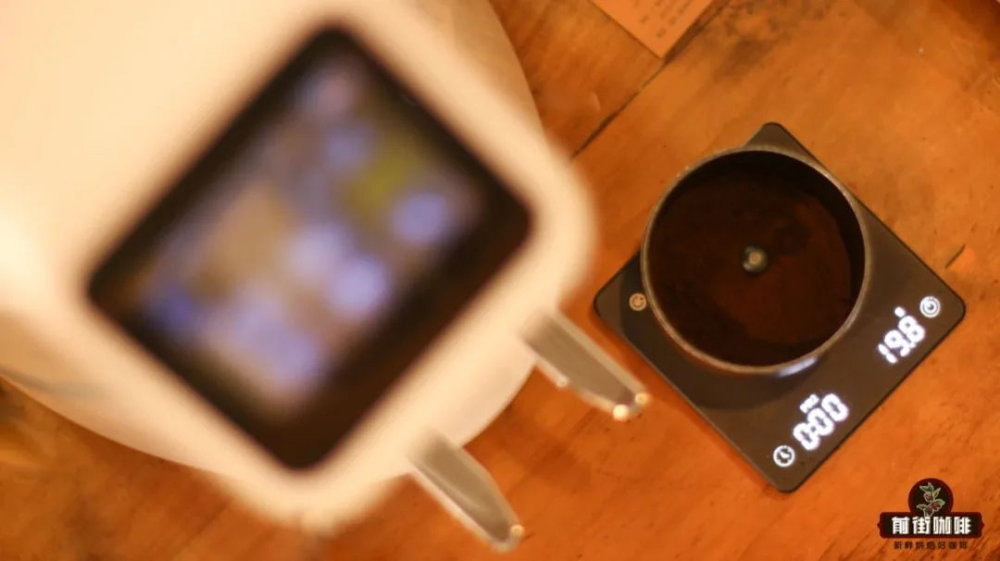
Humid weather is another story entirely. High humidity means coffee beans exposed to the air absorb moisture readily, which throws off extraction. On top of that, moisture involved during grinding introduces negative factors such as flavor loss.
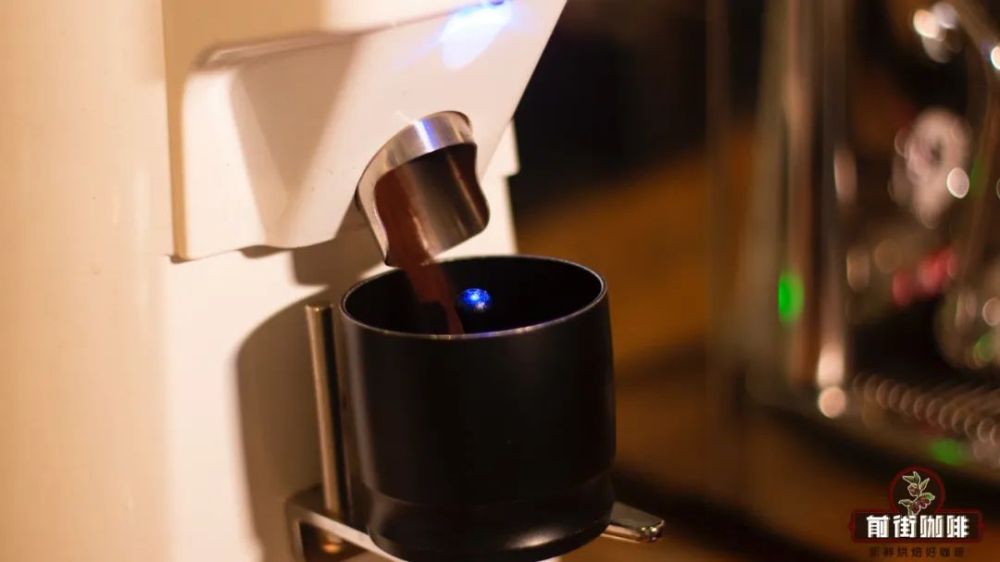
There is one more factor that makes extraction harder: pressure drop. In humid weather, an espresso machine's pressure tends to weaken somewhat. And what happens when pressure falls short? Exactly — extraction capability suffers. Combine the two and extraction becomes extremely unstable.
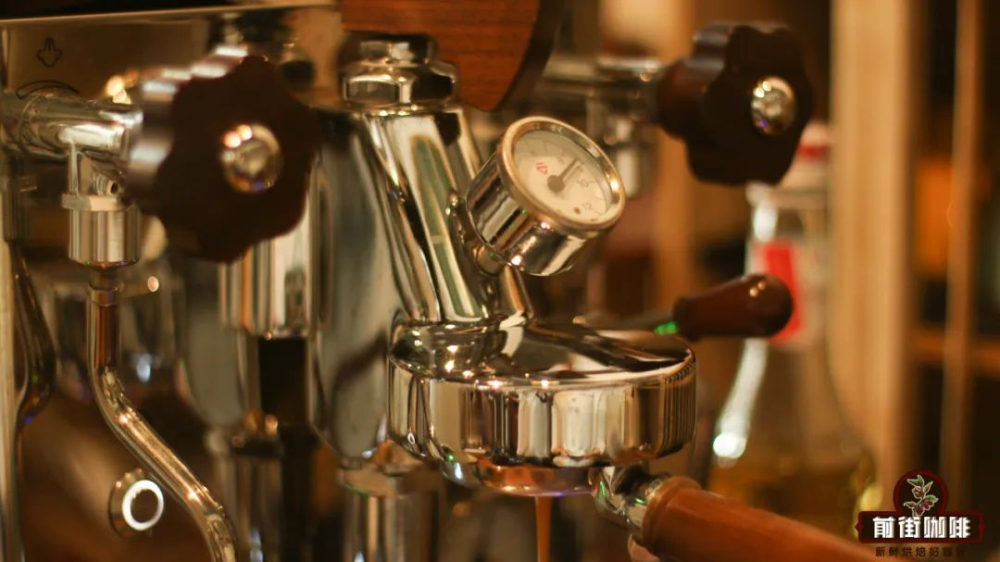
So when dialing in espresso on a damp day, be prepared for a prolonged battle. The lucky ones may nail it quickly; the unlucky ones, well... it's all-you-can-drink espresso. There are also a few details cafés should watch out for on rainy days.
I. Keep the Beans from Absorbing Moisture
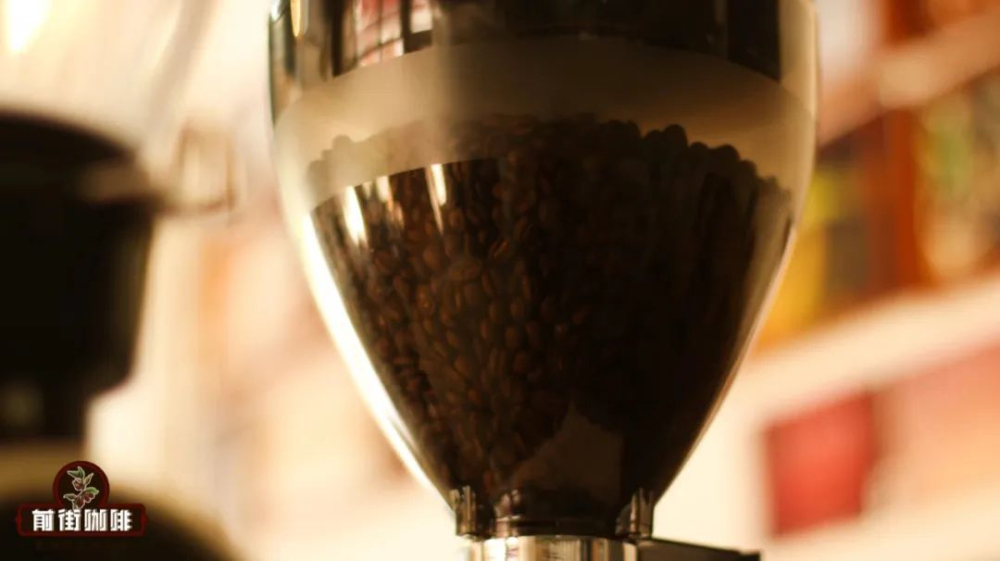
First, in this kind of weather, keep doors and windows closed to limit the humid air coming in. If conditions allow, switch on the air conditioner's dehumidify mode to drive out moisture that has already crept indoors. Overnight, the beans sit unused for a very long stretch, and humidity runs heaviest then — so at closing time, transfer the coffee from the hopper back into bean bags and seal them tightly to cut down on moisture contact.
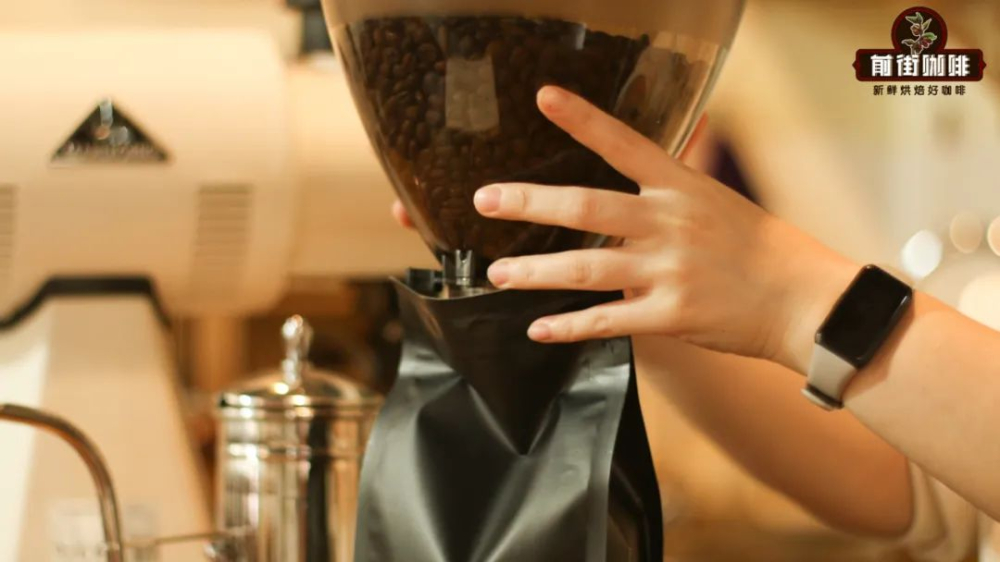
And don't forget to clean the hopper. After a full day of beans interacting with moisture, the oils they shed stay behind in the hopper. Left uncleaned, those oils will eventually develop off-odors. (Clean the grinder burrs thoroughly while you're at it.)
II. Adjust the Extraction Parameters Accordingly
As noted above, humid weather affects the machine's extraction pressure, and pressure directly shapes the shot. But many machines either have fixed pressure or are fiddly to adjust, so the practical fix is to modify other parameters to correct the flavor.
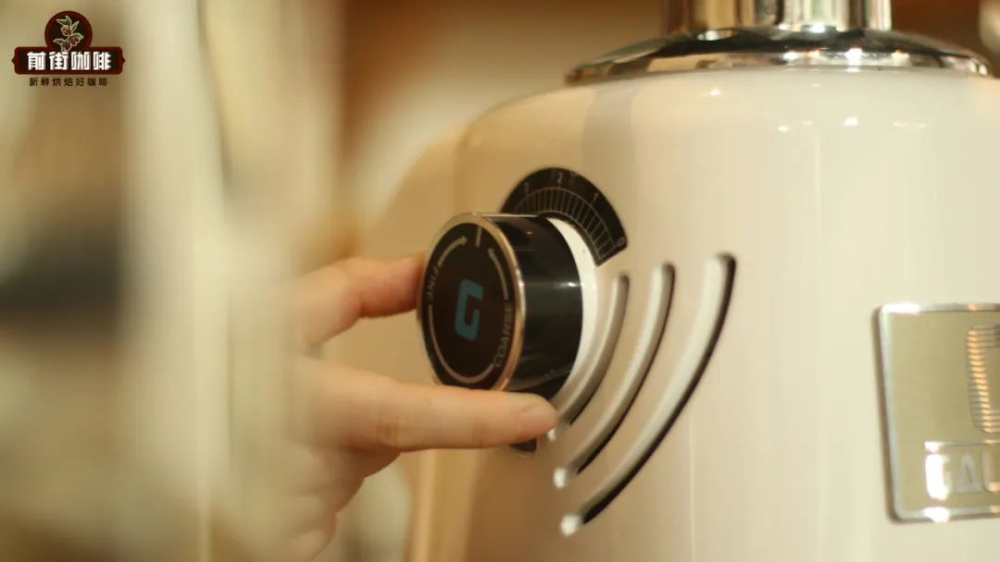
Because pressure is reduced, running your everyday recipe will slow the flow of water through the puck and drag out the shot time. FrontStreet Coffee therefore suggests grinding coarser and increasing the dose. We don't recommend going finer or cutting the dose, because that would add the extra step of breaking up the clumps that finer grinding causes in damp conditions.
III. Maintain Product Consistency
Humid weather doesn't let parameters hold steady the way dry weather does. All day long, the beans keep changing with the environment, so a single recipe can't carry you through the whole day. You might dial in a perfectly balanced shot, and a few hours later the same parameters yield an under- or over-extracted one.
So for anyone running a shop, FrontStreet Coffee suggests changing the frequency of espresso adjustments from once every half or full day to once every four hours. That is the surest way to keep product consistency as high as possible.

FrontStreet Coffee Recommendation
Espresso beans generally come in two camps: the blends most cafés reach for first, and single-origin espresso (SOE) chosen for a specific flavor profile.
FrontStreet Coffee Classic Blend / Commercial Blend: For a traditional-style Americano or latte, go with the Classic Blend or FrontStreet Coffee's Commercial Blend. Both add a small proportion of Robusta to a classic Italian-style recipe, so the shot carries aromas of butter, nuts, spices, dark chocolate, and toast, with a wild, thick body and a burst of golden crema that makes latte art a breeze.
FrontStreet Coffee Signature Blend / Black Cocoa Blend: If you love espresso with nutty notes — almond, walnut, almond again — the Signature Blend and FrontStreet Coffee's Black Cocoa Blend are the picks, since both contain a large share of Brazilian coffee for a comfortable sweet-bitter balance and a creamy peanut smoothness. The Signature Blend brings the nut, chocolate, and caramel aromas and gentle acidity typical of Colombian coffee; FrontStreet Coffee's Black Cocoa Blend pairs the bright acidity of Yunnan arabica's ripe plum with a creamy chocolate aroma when ground. Balanced and versatile, it works for lattes and Americanos as well as specialty coffee drinks — an ideal partner for any café.
FrontStreet Coffee Natural Huajuan SOE: African coffees are famous for floral and fruity character, and FrontStreet Coffee's natural-process Huajuan SOE is no exception — its signature is a creamy strawberry flavor, thanks to terroir and the natural process. The lot comes from Guji Hambela in Ethiopia, grown at altitudes up to 2,300 meters, which gives the cherries ample time to develop complex, layered aromatics; natural processing raises the sweetness even further. A medium roast preserves the elegant florals while adding just enough caramelization, so a Huajuan Americano or latte shows cream, cocoa, berries, a light floral touch, and a black-tea finish.
FrontStreet Coffee Brazil Fazenda Rainha SOE: With low acidity, a soft mouthfeel, and an approachable price, Brazilian coffee is a first choice for many specialty espresso programs — it contributes chocolate, nut, and cream aromas, and its balanced profile helps extraction stay stable. FrontStreet Coffee's Fazenda Rainha lot is an unusual Yellow Bourbon with a quiet, gentle sweetness; roasted medium-dark and pulled on an espresso machine, it shows the milky character of butter cookies, macadamia, and toasted bread.
Important Notice :
FrontStreet Coffee is a long-established specialty coffee roaster in Guangzhou China, selling freshly roasted beans from its own farm in Yunnan as well as dozens of carefully selected single-origin beans from around the world for both pour-over and espresso. The products deliver consistently excellent quality and great value, with shipping within 24 hours. Guangzhou's FrontStreet Coffee shop is recommended by many coffee lovers, and the beans are now available online at the Tmall 。
FrontStreet Coffee has moved to a new address:
FrontStreet Coffee Address: 315,Donghua East Road,GuangZhou
Tel:020 38364473
 Scan and follow the En Gafei WeChat official account. Please indicate that the reprint comes from "En Gafei".

