
Do Different Pour-Over Drippers Require Different Brewing Frameworks?
Do Different Pour-Over Drippers Require Different Brewing Parameters?
Yesterday, a customer at the shop asked exactly that: "Do different drippers need different brewing parameters or methods?"
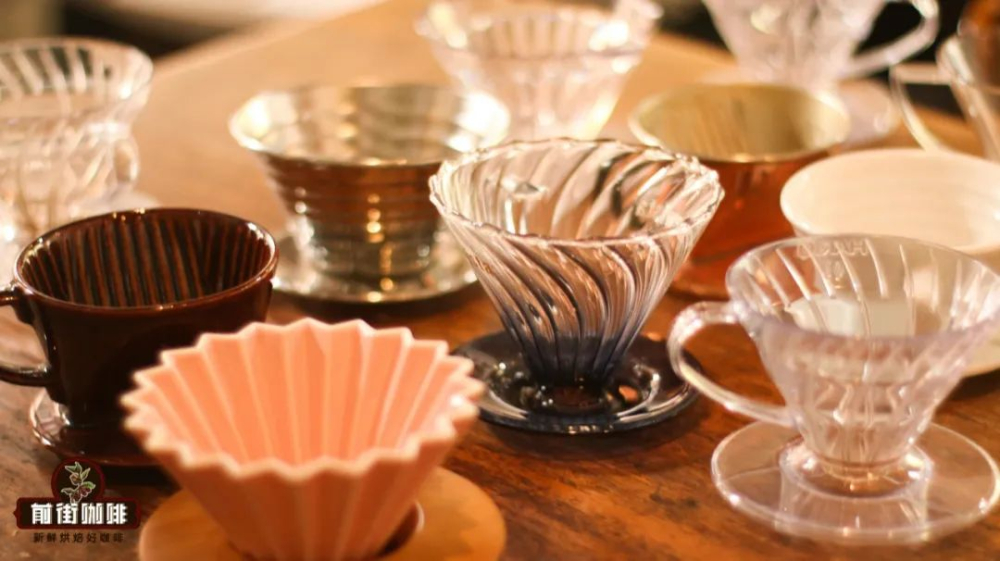
After some questions, the story emerged: FrontStreet Coffee often advises in its articles that pour-over brewing time should land around two minutes. This customer had followed our recommended parameters — yet their extraction ran 2 minutes 20 seconds! On closer inspection, the difference was the dripper. Our articles use a V60; they were using a flat-bottom (cake) dripper. Hence the question.
The Differences Between Drippers
First, understand that drippers differ in more than looks. Shape, hole size, and rib pattern all affect extraction to some degree. Classified by shape, the mainstream designs fall into three groups: trapezoid/fan, conical, and flat-bottom/cake.
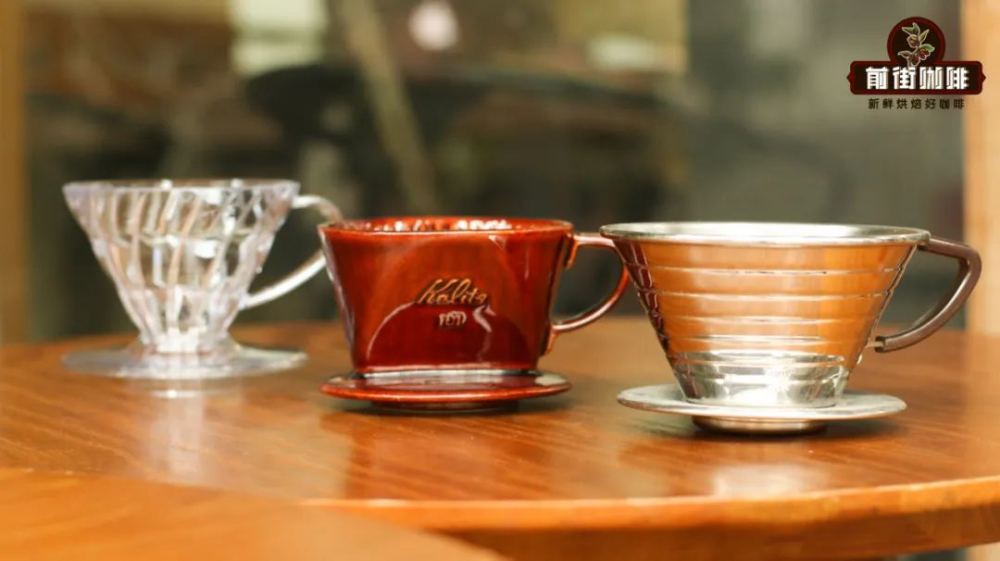
Shape, holes, ribs — their primary function is controlling flow rate, which is also the key to building brewing parameters. Drippers designed for bright, expressive flavors tend to flow fast: the V60, Kono Flow, B75, Origami, Ice Pupil, and so on. Drippers designed for balance and fuller body flow slightly slower: the Kono, Infinite dripper, flat-bottom dripper, and cake dripper.
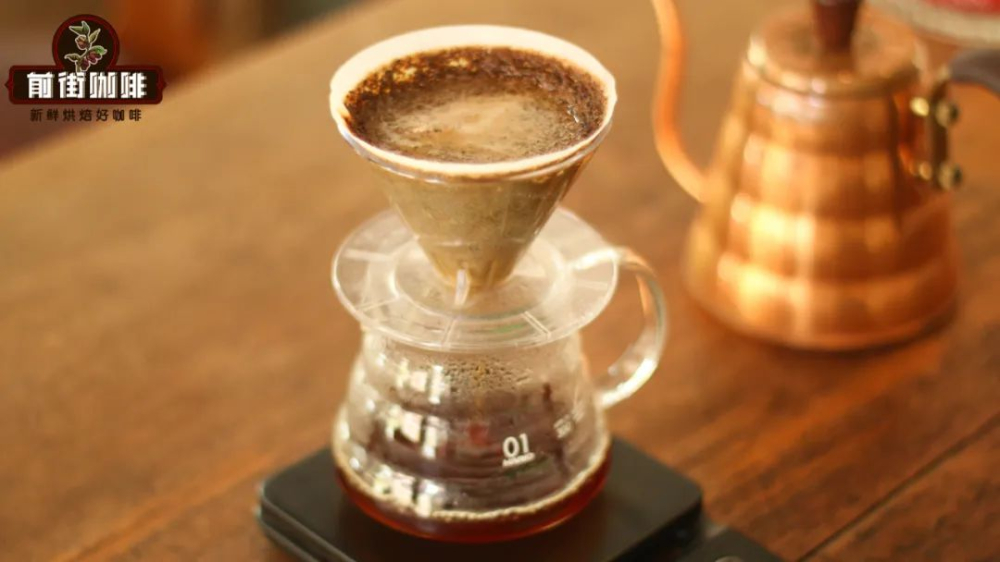
FrontStreet Coffee has actually run flow-rate tests on drippers, and the ranking came out as follows: B75 > Kono Flow ≥ Star Burst ≥ Ice Pupil ≥ V60 ≥ Origami ≥ Flat-bottom Cake (3-hole) > Kono > Kalita Fan-shaped (3-hole) > Infinite dripper > Mellita Fan-shaped (single hole).
Back to the Question
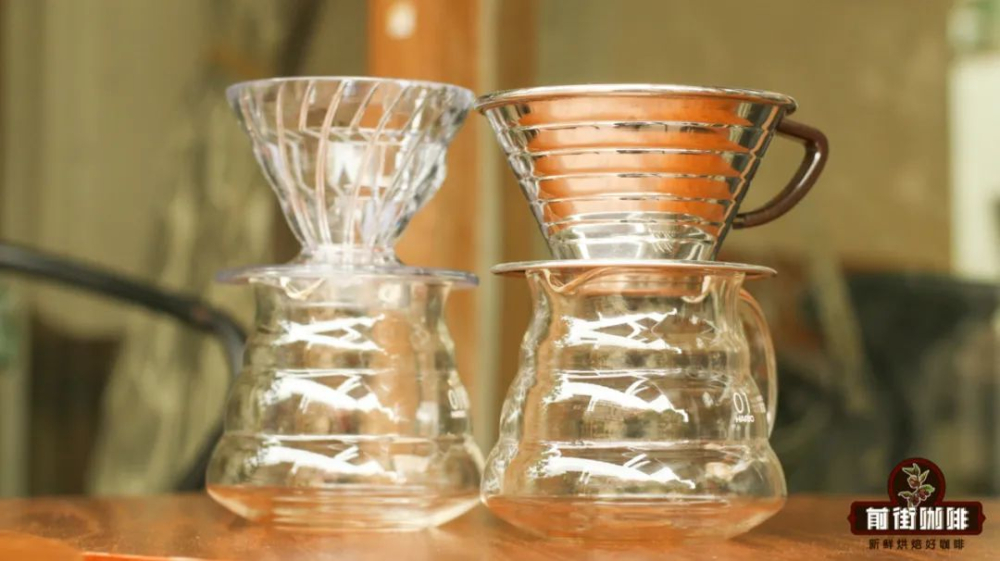
Do parameters need to change with the dripper? Let's run an experiment pitting the fast-flowing V60 against the slower cake dripper and see whether V60 parameters work on the cake.
Coffee beans used: Panama Hartmann Geisha
Flavor profile: pineapple juice, Earl Grey tea, blueberry, apricot
Dose: 15g
Grind size: 75% pass-through rate on #20 sieve
Coffee-to-water ratio: 1:15
Brewing temperature: 92°C
Brewing method: three-stage pour
Both brews bloomed with twice the coffee weight in water (30ml) for 30 seconds, then poured the second stage slowly in circles (120ml). When the bed was about to surface, the third stage (75ml) went in with small circles. Extraction stopped when dripping finished.
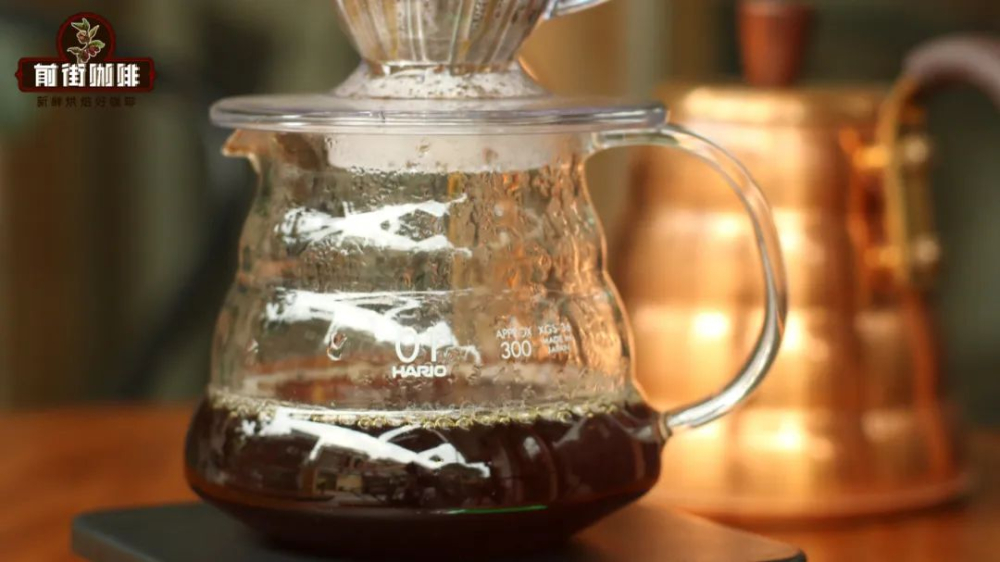
The V60 finished in 2 minutes 1 second; the cake dripper took 2 minutes 18 seconds. In the cup: the V60 Hartmann Geisha showed full juice-like texture, vibrant pineapple-juice acidity, and an Earl Grey aftertaste. The cake-dripper version brought distinct blueberry sweetness, gentler acidity, the same Earl Grey finish — plus a noticeably richer, fuller body.
So the answer is: the V60's parameters translate to the slower cake dripper just fine! FrontStreet Coffee's oft-repeated advice — "keep brewing time around 2 minutes" — is based on 15g of coffee, three-stage pouring, and a V60. Move those parameters to a slightly slower dripper and extraction time stretches accordingly.
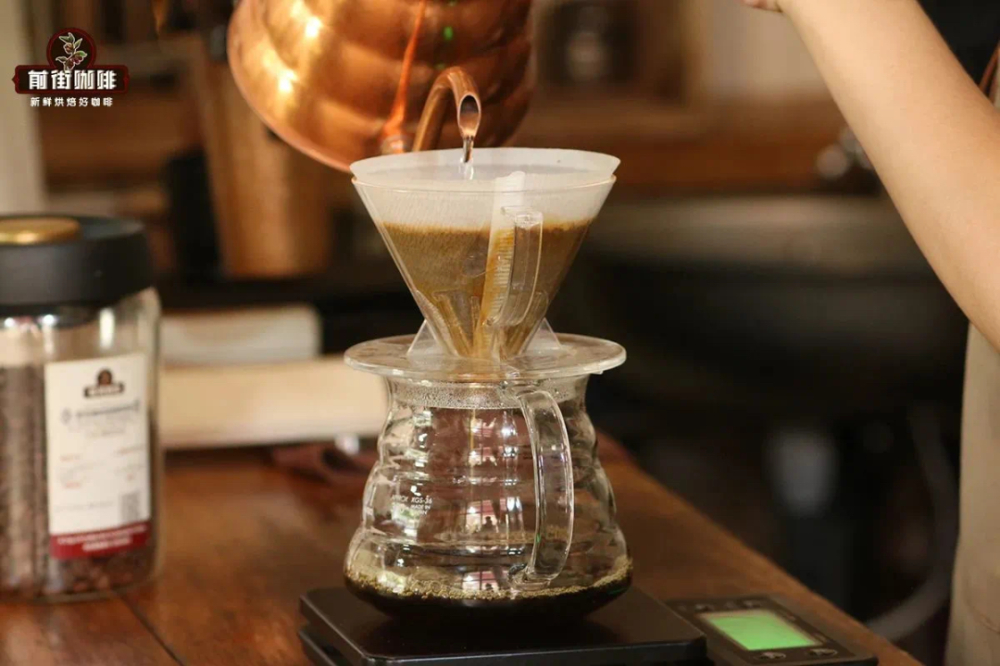
You could of course tweak the parameters to force a slower dripper to finish in two minutes, but the flavor would suffer — thin body, weak taste.
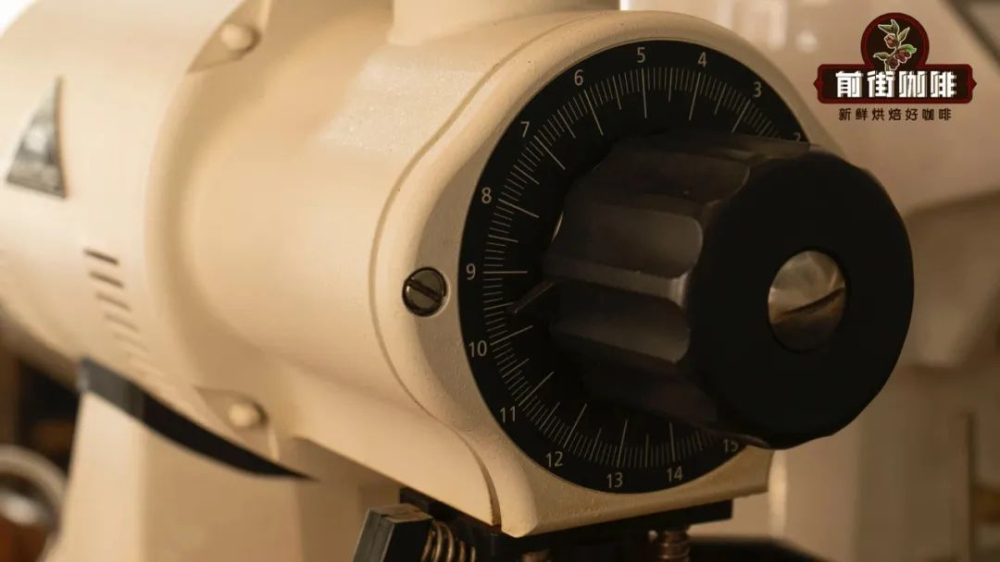
The real principle: we never adjust parameters for the sake of a number. We adjust because negative flavors have appeared in the cup and parameters are how we correct them. So don't stress over the clock — if the coffee tastes good, that's enough.
FrontStreet Coffee
FrontStreet Coffee Recommendation
Our experiment bean was a Geisha, and for good reason: the V60's fast flow and clean extraction are ideal for floral, fruit-driven coffees. Three picks that suit V60-style brewing.
FrontStreet Ethiopia Gudingding (Yirgacheffe) — The classic introduction to Yirgacheffe: vivid citrus, berries, and florals with a green-tea-like return of sweetness. Its acidity is soft and bright like fruit rather than sharp, making it one of the easiest coffees for newcomers to love.
FrontStreet Ethiopia Huakui (Flower Ghost) — Famous for striking tropical fruit: strawberry, passion fruit, jackfruit, even lychee, with clear sweetness, very low bitterness, and a smooth, juice-like body — often described as "the coffee that tastes least like coffee." Perfect for anyone wary of traditional coffee bitterness.
FrontStreet Kenya Cherry Tomato — For fans of bright, complex acidity: a washed Kenya from the Thika region (1550–1750m), SL28 and SL34 varieties, and the country's signature 72-hour double-washed fermentation. Light-roasted to keep its lively acidity, it opens with dried tomato and floral aromas and pours like fresh-pressed juice — cherry tomato and dried plum, pear and black-plum mid-tones, finishing on yellow sugar and green tea.
Important Notice :
FrontStreet Coffee is a long-established specialty coffee roaster in Guangzhou China, selling freshly roasted beans from its own farm in Yunnan as well as dozens of carefully selected single-origin beans from around the world for both pour-over and espresso. The products deliver consistently excellent quality and great value, with shipping within 24 hours. Guangzhou's FrontStreet Coffee shop is recommended by many coffee lovers, and the beans are now available online at the Tmall 。
FrontStreet Coffee has moved to a new address:
FrontStreet Coffee Address: 315,Donghua East Road,GuangZhou
Tel:020 38364473
 Scan and follow the En Gafei WeChat official account. Please indicate that the reprint comes from "En Gafei".

