
Is Iced Pour-Over Coffee Made with Cold Water? What's the Extraction Principle of Japanese Iced Pour-Over vs Hot Pour-Over? How to Brew?
Is Iced Pour-Over Coffee Made with Ice Water?
FrontStreet Coffee stumbles across plenty of interesting questions online, and this is a favorite: is iced pour-over coffee brewed with ice water?

The assumption sounds reasonable. Take the Americano, another black coffee: hot Americanos use hot water, iced Americanos use ice water. So! Hot pour-over uses hot water, which means iced pour-over must use ice water!! Hmm! Logical! But an assumption is only an assumption — pour-over extraction isn't that simple.
The Essence of Extraction
A coffee bean holds about 30% soluble substances, and extraction is simply water drawing those solubles out of the coffee particles. But we don't want all 30% — extract everything and the coffee is unbearably bitter!
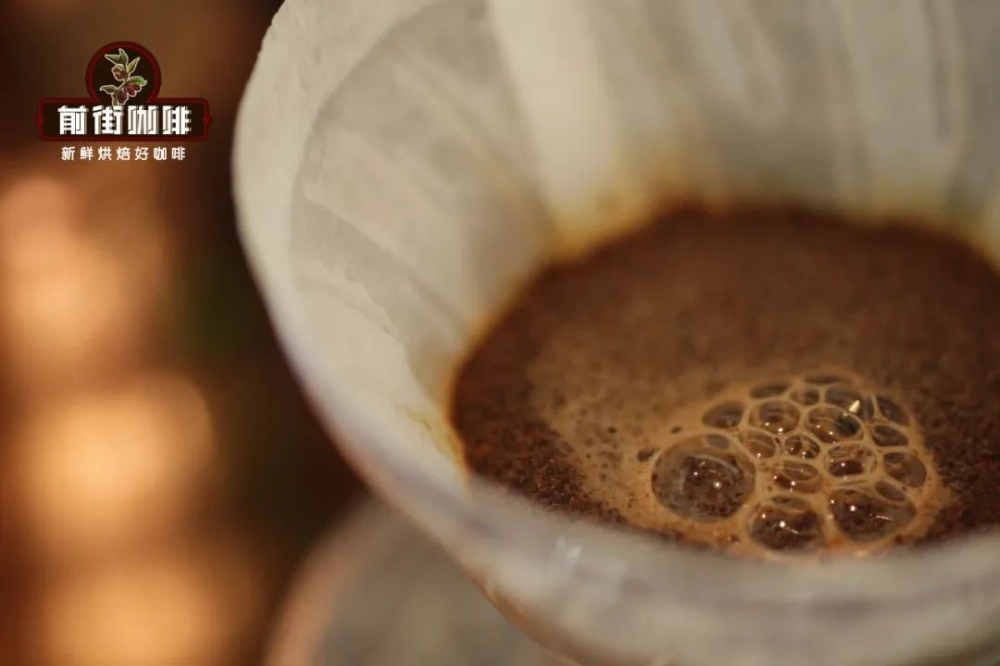
Extract too little, though, and negative flavors appear. So we keep our parameters inside a reasonable range to hit an appropriate extraction rate. The controllable parameters are time, grind, ratio, and water temperature — and they work as a system: change one, and the others must compensate to keep the extraction rate right.
Using Ice Water for Extraction
So, could you brew iced pour-over with ice water? Theoretically, yes! Adjust the parameters properly and you can reach a suitable concentration — provided your hand can endure the pour.
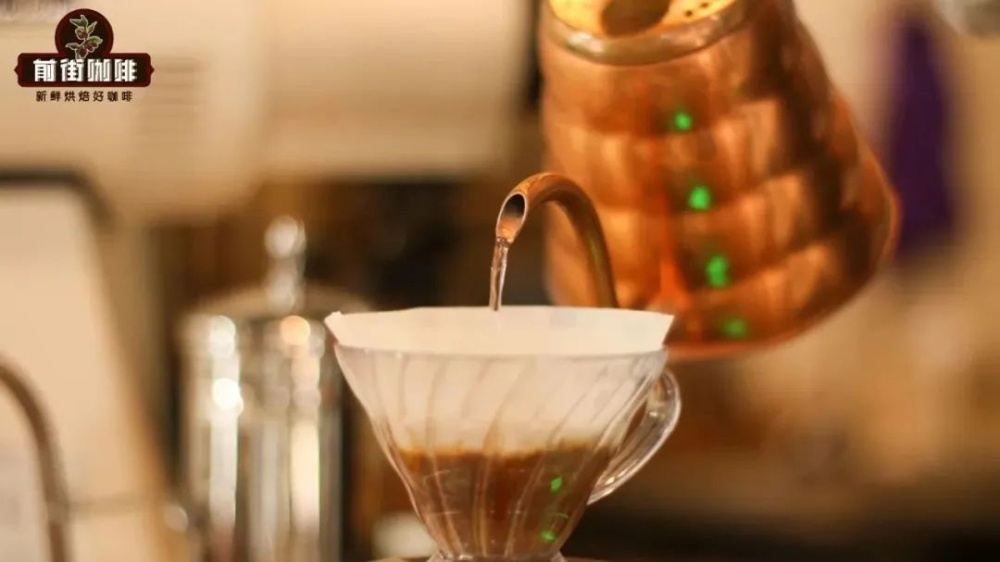
(Note: suitable concentration only — the cup would still lack many flavor compounds, because some substances only come out with hot water.) Water temperature governs extraction efficiency: hotter water extracts more, colder water extracts less. Which is why espresso and pour-over alike share the same core principle: high-temperature water extracts the coffee's substances quickly.
The Reality of Ice Water Brewing
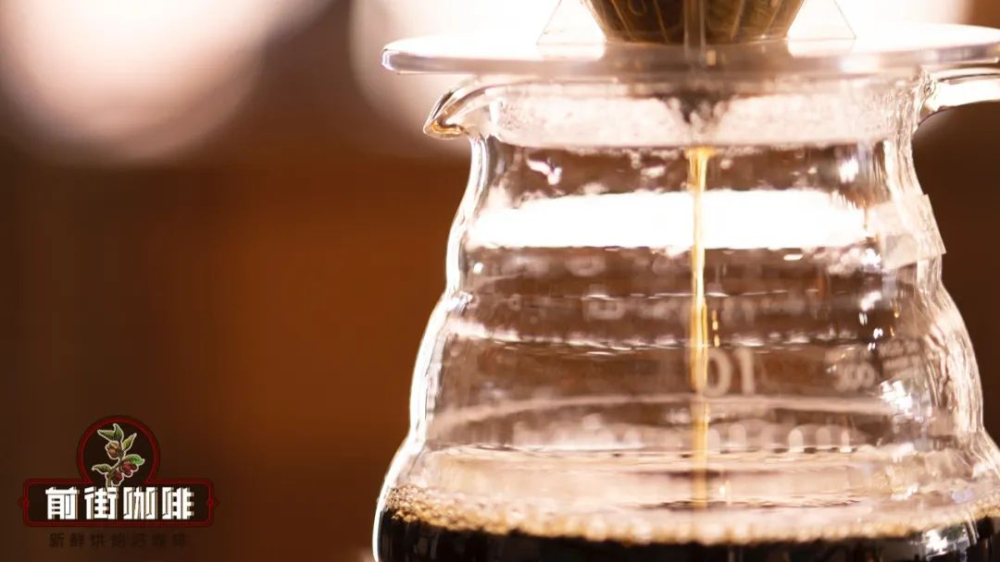
Swap that 90+°C water for 0°C ice water, and to reach a suitable concentration you'd have to drip-brew a 200ml pot for at least two hours, letting ice water fall drop by drop. Only that kind of long soaking gets the concentration close — and the flavor still won't impress, because so many compounds never extract. Possible, but pointless (cold drip does it far better). That's why iced pour-over brews with hot water and cools down with ice.
How to Make Delicious Iced Pour-Over
So how do you brew a good pot? Start from hot pour-over, because the standard iced pour-over — Japanese-style — is derived from it.
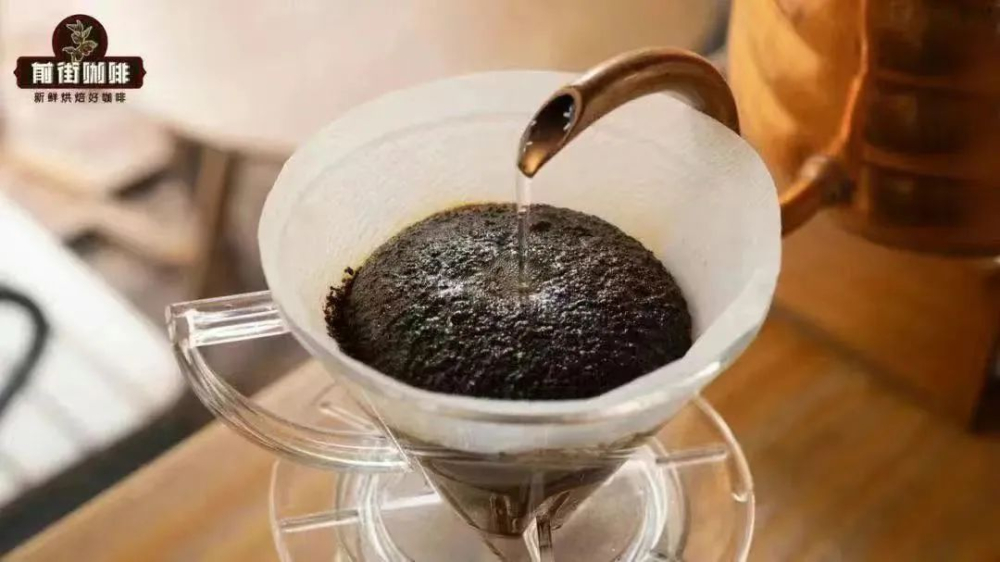
Hot pour-over has a relatively complete extraction model and captures more of the flavor compounds. Japanese iced pour-over replaces part of the brewing water with ice. But the reduced hot water can't extract everything on its own — brewed naively, the result is under-extracted. So we raise extraction strength by adjusting the other parameters, making every drop that falls more concentrated; combined with the dilution from melting ice, the final cup approaches (only approaches) the flavor of a hot brew.
FrontStreet Coffee's Brewing Parameters
Hot brew parameters: 15g of coffee, 1:15 water ratio. For light roasts, EK43 grind setting 10; for dark roasts, 10.5 (75% and 70% pass-through on the #20 sieve respectively). Water temperature 92°C for light roasts, 88°C for dark roasts. Three-stage pouring.
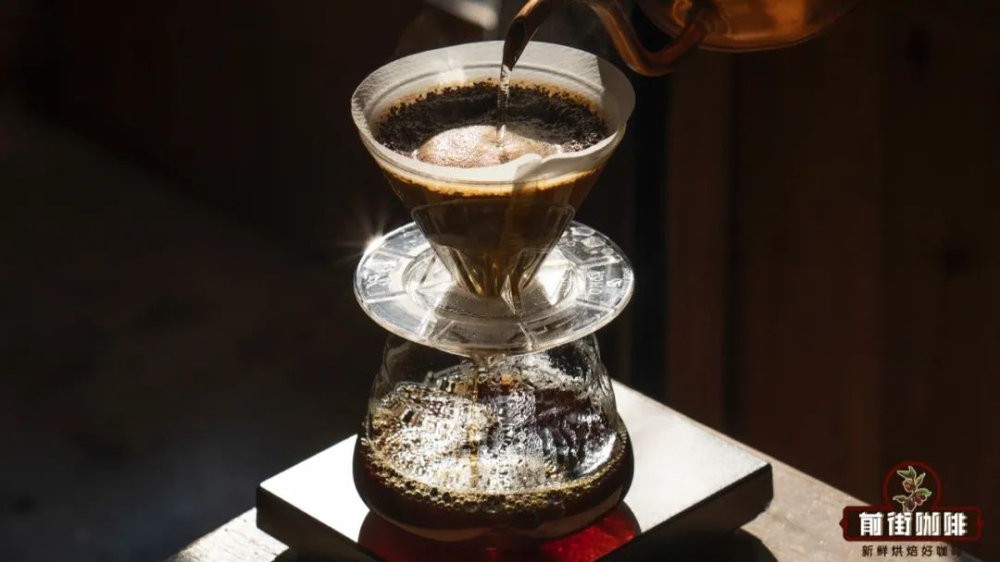
Iced brew parameters: 15g of coffee, water-ice ratio 1:10:6. For light roasts, EK43 grind setting 9.5; for dark roasts, 10 (80% and 75% pass-through on the #20 sieve respectively). Water temperature 92°C for light roasts, 88°C for dark roasts. Three-stage pouring. For details on distributing the three hot-water stages, see our article "Three-Stage Pouring: How to Reasonably Distribute Water Amount for Each Stage?"
Ice Water Brewing Experiment
Finally, FrontStreet Coffee actually brewed with ice water, with these parameters (don't try this at home): an easy-to-extract dark roast — Golden Mandheling — ground espresso-fine, 20g of coffee, 1:15 water ratio, 0°C water, three-stage pouring!
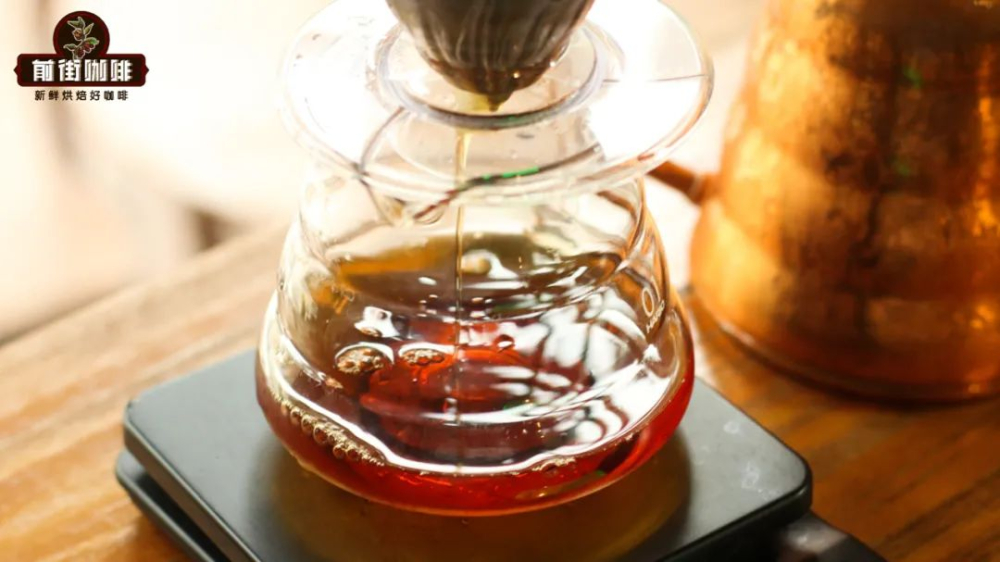
Brew time: 2 minutes 15 seconds. The verdict on this "iced pour-over"? It's a cup of ice water with coffee flavor...
- END -
FrontStreet Coffee

FrontStreet Coffee Recommendation
Iced pour-over highlights bright, fruity beans — under-extraction hides nothing. Here are three that shine over ice.
FrontStreet Ethiopia Gudingding (Yirgacheffe) — A light-roast classic: citrus, berries, and florals with a green-tea sweetness. Its soft, fruit-like acidity stays lively even when chilled by ice, making it a favorite first choice for new pour-over drinkers.
FrontStreet Kenya Cherry Tomato — Built for bright acidity over ice: cherry tomato and dried plum in a full, fresh-juice body from the SL28/SL34 varieties and a 72-hour double-washed fermentation, with pear and black-plum mid-tones and a yellow-sugar, green-tea finish. A glass of this iced is practically a fruit punch.
FrontStreet PWN Golden Mandheling — For the dark-roast iced drinker: our experiment bean of choice precisely because it extracts easily. Expect low acidity, a thick and long body, herbal and dark chocolate notes with a whisper of earthiness — richly layered and made for those who love bold, non-acidic coffee.
Important Notice :
FrontStreet Coffee is a long-established specialty coffee roaster in Guangzhou China, selling freshly roasted beans from its own farm in Yunnan as well as dozens of carefully selected single-origin beans from around the world for both pour-over and espresso. The products deliver consistently excellent quality and great value, with shipping within 24 hours. Guangzhou's FrontStreet Coffee shop is recommended by many coffee lovers, and the beans are now available online at the Tmall 。
FrontStreet Coffee has moved to a new address:
FrontStreet Coffee Address: 315,Donghua East Road,GuangZhou
Tel:020 38364473
 Scan and follow the En Gafei WeChat official account. Please indicate that the reprint comes from "En Gafei".

