
Introduction to Robusta, Timor, Catimor, Castillo Varieties and Yunnan Small Bean Catimor
On today's coffee market, coffee divides into three main species: Arabica, Robusta, and Liberica. Of these, Arabica and Robusta are by far the most widely cultivated commercially.
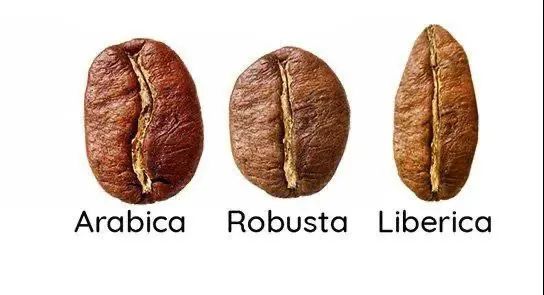
Robusta
Robusta originated in the Congo region of West Africa. People often set Robusta against Arabica, but genetically they are two distinct species. Robusta actually belongs to the Canephora species, also known as the Congo species. Within Canephora, however, only the Robusta variety becomes commercially significant and widely known, so today Robusta has effectively replaced Canephora as the name for the whole species.
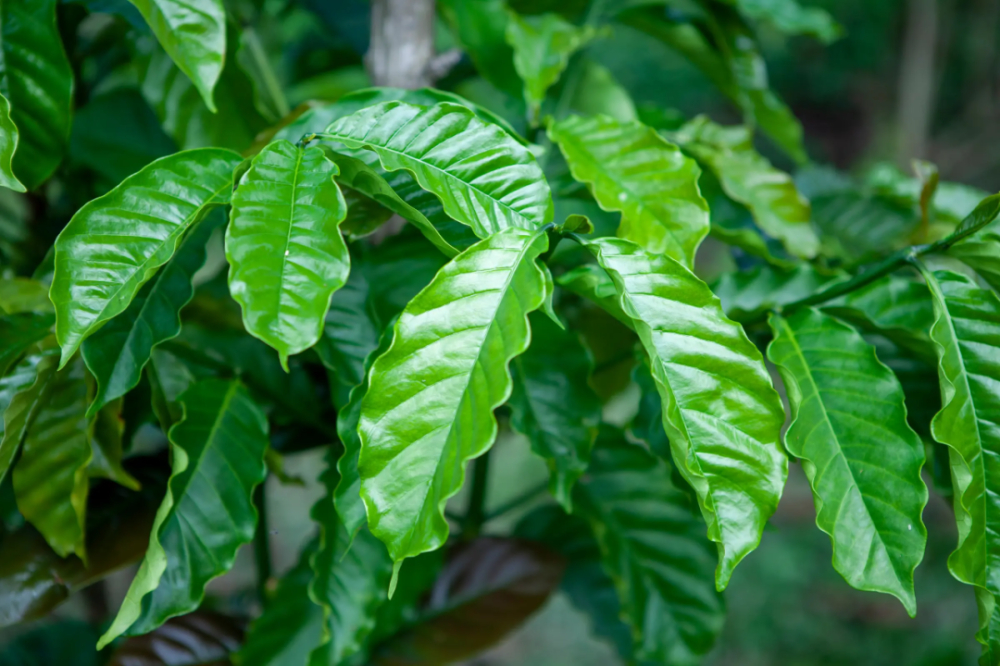
Coffee is grown around the world in the equatorial belt between the Tropic of Cancer and the Tropic of Capricorn, and Robusta is no exception. But Robusta's growing requirements are less demanding than Arabica's. It can be cultivated and bear fruit at lower altitudes, tolerates high temperatures, and has good disease resistance. It grows faster and withstands extreme weather better. Today Robusta is widely grown in countries such as Vietnam, Brazil, and India.
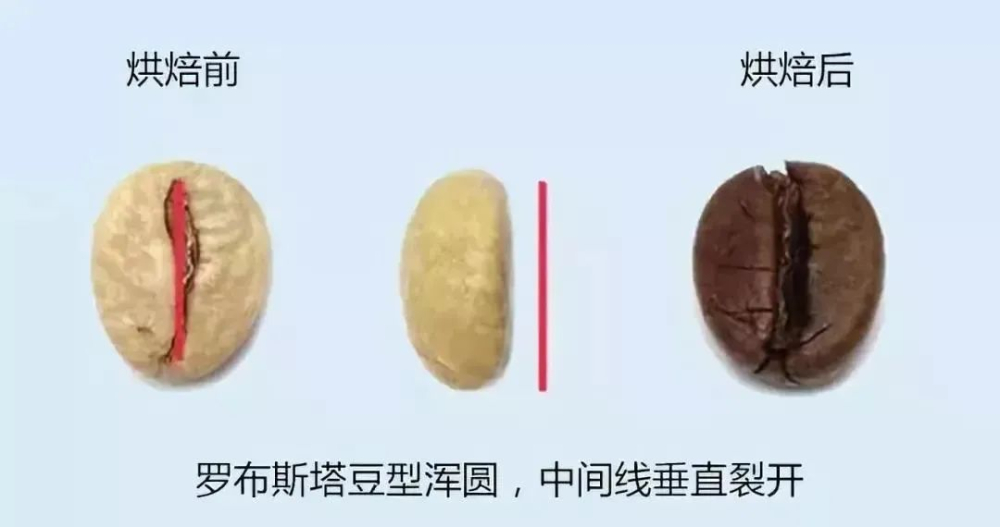
Robusta contains between 2.7 and 4 percent caffeine, roughly twice that of Arabica. Caffeine also acts as a natural insect repellent for the plant, protecting it from certain pests. Robusta is cross-pollinated, while Arabica is self-pollinated, and pollination is fundamentally a question of genetics.
Generally speaking, cross-pollinated varieties are more robust. Offspring produced through cross-pollination inherit traits from both parent plants, which can generate new characteristics that help them thrive in changing environments. Self-pollinated Arabica, meanwhile, is more vulnerable, because its genes grow increasingly uniform through continual reproduction. When a virus such as leaf rust or coffee berry disease appears, it can wipe out plants with uniform genetics. Robusta's real strength, then, is its ability to adapt through continuous genetic change.
Robusta also has higher caffeine, amino acid, and chlorogenic acid content than Arabica, and chlorogenic acid is the source of bitterness. That gives Robusta a richer, deeper mouthfeel, with flavors leaning toward walnut, nuts, and grain. As a result, Robusta is rarely used for specialty coffee and mostly goes into blends or instant coffee.
As the industry has developed, though, coffee varieties have been transplanted, mutated, and crossed endlessly, giving rise to many new ones. Robusta can also be hybridized with Arabica, passing on its resistance genes. Examples include Timor (known as Tim Tim in Indonesia), Catimor, and Castillo.
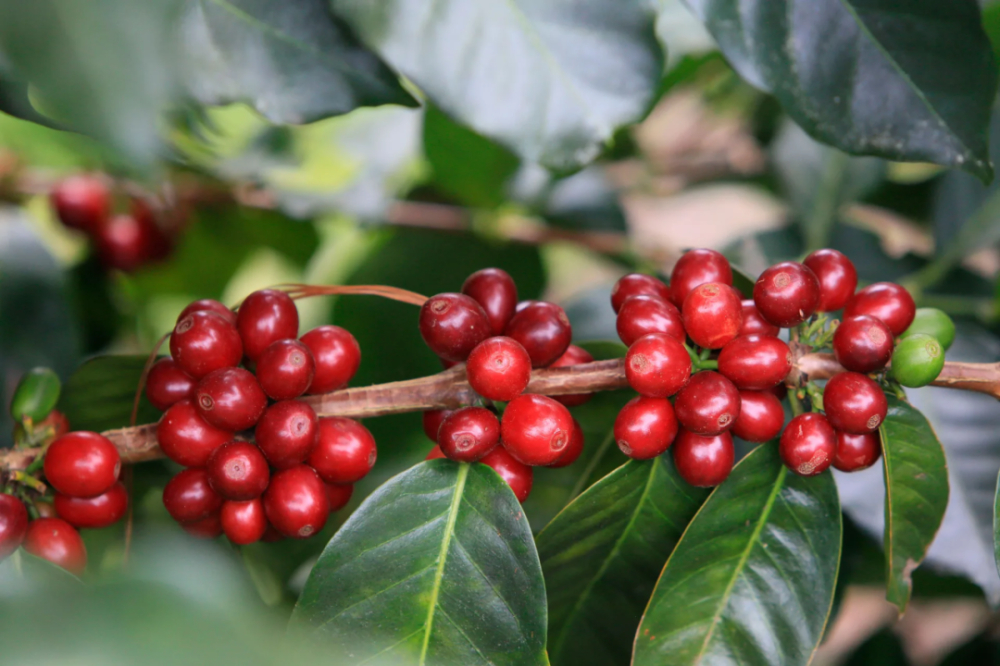
In 1920, the Timor Hybrid appeared on the island of East Timor. It is a natural cross of Arabica and Robusta, belonging to the Arabica family but carrying Robusta's disease-resistant genes. Crossing Timor with Caturra produced the first-generation F1 hybrid group known today as Catimor. In 1961, the Colombian Coffee Research Center began studying varieties resistant to leaf rust, such as Caturra and Timor Hybrid. After 23 years of research, it developed six varieties, including Castillo, which entered widespread cultivation in 2005.
FrontStreet Coffee also carries a Yunnan small-bean Catimor, washed processed. It tastes fruity, with plum-like acidity and cocoa notes, a mouthfeel close to black tea, and an overall balance.
FrontStreet Coffee Recommendation
To taste how a Yunnan Catimor performs in the cup, start with FrontStreet Yunnan Small Bean. Sourced from the Baoshan region and processed washed, then roasted medium, it shows soft nut and chocolate sweetness with a light plum acidity. It is a friendly, affordable first step into Yunnan coffee for anyone curious about the region's varietals.
For a more structured, clearly defined Yunnan cup, FrontStreet 2013 Yunnan Sun-Dried Typica is the next level up. The estate picks only fully ripe red cherries and dries them in the sun, then roasts medium, giving a balanced body with dark berry notes, caramel sweetness, chocolate, a touch of dried apricot, and a black tea finish.
Important Notice :
FrontStreet Coffee is a long-established specialty coffee roaster in Guangzhou China, selling freshly roasted beans from its own farm in Yunnan as well as dozens of carefully selected single-origin beans from around the world for both pour-over and espresso. The products deliver consistently excellent quality and great value, with shipping within 24 hours. Guangzhou's FrontStreet Coffee shop is recommended by many coffee lovers, and the beans are now available online at the Tmall 。
FrontStreet Coffee has moved to a new address:
FrontStreet Coffee Address: 315,Donghua East Road,GuangZhou
Tel:020 38364473
 Scan and follow the En Gafei WeChat official account. Please indicate that the reprint comes from "En Gafei".

