The Development History of 90+, Introduction to 90+ Geisha Eleta Coffee Beans
If you drink coffee often, you've probably heard the term "90+ coffee beans" dropped by coffee shops or baristas. So what exactly are 90+ coffee beans?

"90+" doesn't mean all coffees scoring above 90 points. It refers to a premium coffee series built on 13 flavor profiles. The beans in this series come from different estates, each with its own distinct character. During processing, the beans are individually tracked by variety, climate, harvest timing, and freshness; after tasting, the appropriate processing method is researched so each lot reaches its optimal expression.
The Company Behind 90+
90+ is also, of course, a company—Ninety Plus, founded by Joseph Brodsky in 2006. Within just a few years, it made itself known to coffee professionals worldwide. In 2006, Brodsky set out to change the deeply entrenched commercial model of coffee cultivation.

The Origin Story
In 2004, Hacienda La Esmeralda entered the BOP competition and auction with the Geisha variety, and the astonishing scores it earned made the bean famous overnight, igniting a Geisha wave around the world. Joseph Brodsky was one of the many drawn to it. He went to Panama searching for Geisha and failed. But he reasoned that Ethiopia still held many undiscovered varieties—there had to be beans that could rival Geisha. After all, Geisha itself had come from Ethiopia. So in 2005 he went to Ethiopia, and in 2006 founded the Ninety Plus trading company. Since it couldn't yet grow coffee itself, Brodsky decided to start with processing methods.
Revolutionary Processing Approach
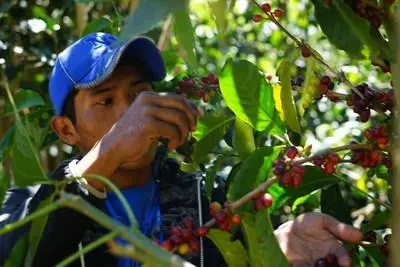
Other green merchants typically hunt for beans, cup them, and buy whatever cups well. 90+ is different—the company owns technology to steer flavor expression. It cooperates with local estates and fully controls the chain from cultivation, sampling, harvesting, processing, and cupping, ensuring every lot delivers unique and stable flavor and quality. Under this system, Aricha and Beloya emerged, astonishing the coffee world with their rich fruit character and quality—and 90+ became famous.
Quality Control and Expansion
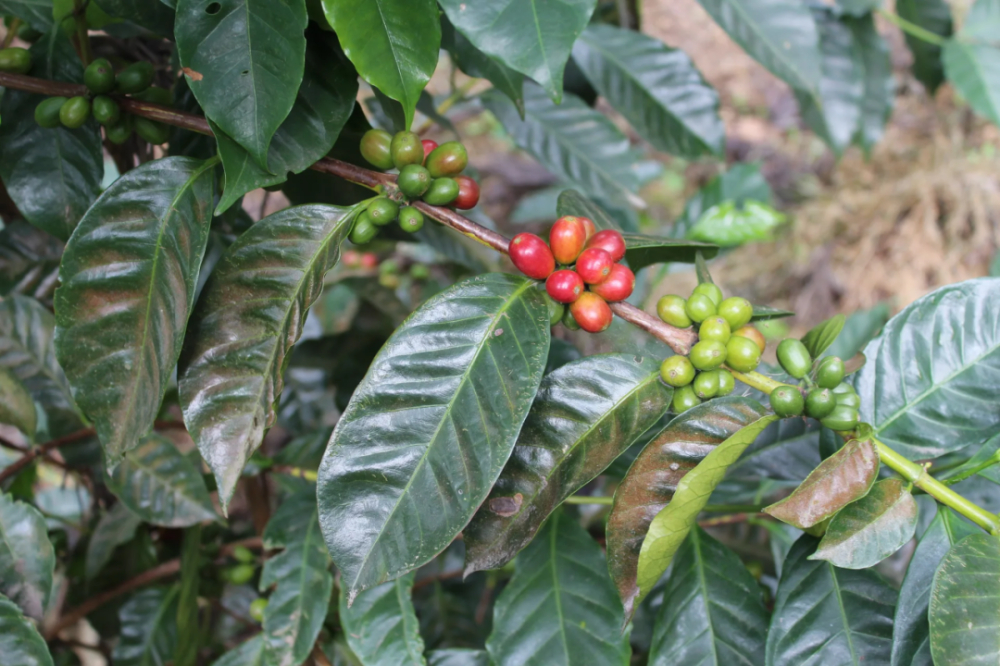
Next, the company began identifying promising farmers, giving them flavor feedback based on exported beans, and re-engineering their processes—correcting toward the "90+" target profile through scientific management, then selecting the most compliant producers. The result: the quality of 90+ beans holds to a consistent standard, which is the company's core value.
Estate Development
Although Joseph couldn't find a variety to surpass Geisha in Ethiopia, he aimed to create premium Geisha through technology. So in 2009 he established the Ninety Plus Gesha Estate in Panama's Volcán region, mainly cultivating Geisha and Ethiopian native varieties. The estate officially produced coffee in 2014 and now also houses the Ninety Plus Sensory Room and a Solar Kiln Laboratory for experimenting with processing methods beyond the conventional.
In 2019, they acquired the Ninety Plus Barú Estates on the western flank of Panama's Barú Volcano, whose volcanic soil and high altitude are even better suited to coffee.
FrontStreet Coffee's 90+ Selection
FrontStreet Coffee has sourced 90+ beans as well, including the 90+ Geisha Eleta. Processed with 90+ methods and brewed on a V60 at 1:15, it presents longan and bergamot, the sweetness of apples and dried longan, a smooth mouthfeel, and wonderfully varied flavor as it cools.
FrontStreet Coffee Recommendation
If the 90+ Geisha captivates you, the wider Geisha family is worth exploring. FrontStreet Coffee's Esmeralda Red Label Geisha (each batch cupping above 90 points at 1,600-1,800 meters, sourced from a single named plot) delivers the iconic jasmine florals with citrus, bergamot, and black-tea finesse—clean, transparent, endlessly layered.
For an affordable first taste of Geisha character, the Boquete Geisha offers classic orange-blossom honey sweetness, oolong-tea texture, and delicate fruit acidity; and for the brighter Ethiopian expression, the Genji Granjana Geisha (medium-light roast) shows white florals with orange, guava, and citrus and a signature refined finish. Brew any of them on a V60 at 1:16, 91°C, with a coarser grind (about 78% through a #20 sieve) and a three-stage pour.
Important Notice :
FrontStreet Coffee is a long-established specialty coffee roaster in Guangzhou China, selling freshly roasted beans from its own farm in Yunnan as well as dozens of carefully selected single-origin beans from around the world for both pour-over and espresso. The products deliver consistently excellent quality and great value, with shipping within 24 hours. Guangzhou's FrontStreet Coffee shop is recommended by many coffee lovers, and the beans are now available online at the Tmall 。
FrontStreet Coffee has moved to a new address:
FrontStreet Coffee Address: 315,Donghua East Road,GuangZhou
Tel:020 38364473
 Scan and follow the En Gafei WeChat official account. Please indicate that the reprint comes from "En Gafei".