
How to Clean, Maintain, and Service Home Espresso Machines? How to Clean the Distribution Screen and Steam Wand?
When making espresso, we obsess over every detail to nail the extraction. Yet once the shot is pulled, most people forget about the machine entirely.
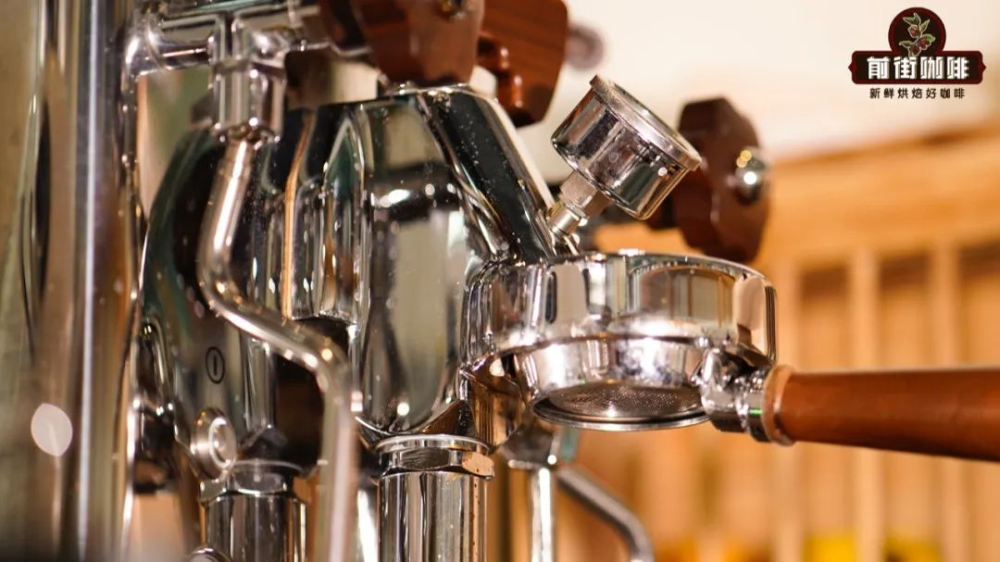
Neglected machines develop all kinds of problems over time that interfere with extraction — which is why maintenance matters so much. Today, FrontStreet Coffee walks through the parts of an espresso machine that need care. Our demonstration model is the small machine we use in the shop, but nearly every machine is cleaned the same way, so this tutorial is almost universally applicable.
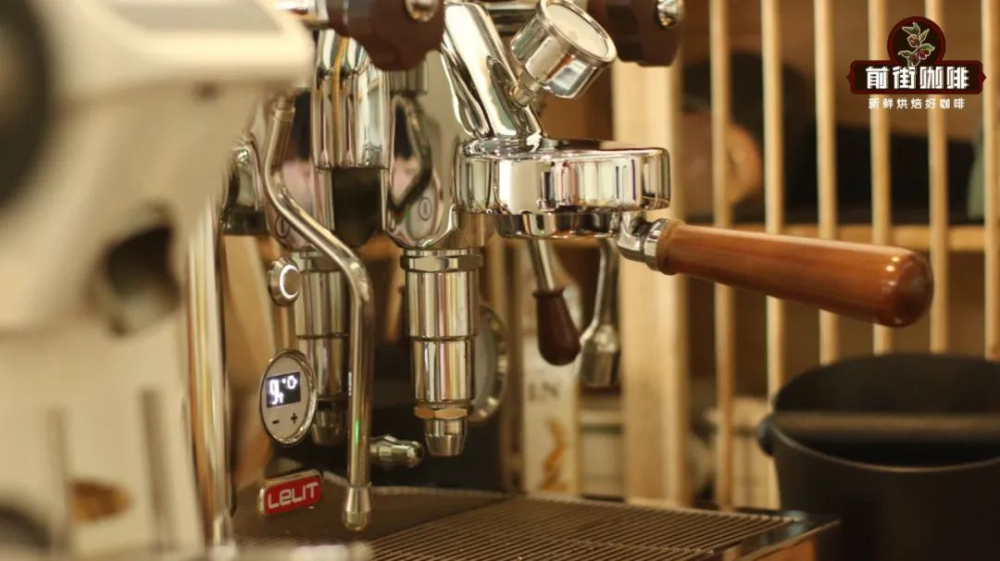
I. Cleaning the Dispersion Screen
The dispersion screen is the first thing you see looking up into the brew head from below — it touches the coffee grounds directly during extraction. When pressure builds, hot water passes through the screen, carrying the coffee's soluble material down into the cup. When the valve closes after extraction, some liquid that hasn't fully drained gets "sucked" back up.

That liquid is discharged immediately, but oils and coffee residue stay behind on the screen. Left uncleaned (as in the photo above), those particles and oils get baked dry by the brew head's heat, and layer upon layer they eventually interfere with extraction. So the screen needs cleaning at different levels of intensity.
Simple cleaning: After each extraction, open the water valve to release a small burst of hot water and rinse the residue and oils off the screen. Then, after a stretch of accumulated shots, use a cleaning brush to scrub the screen thoroughly — hot water alone can't fully remove residue and oils, so some elbow grease is required.
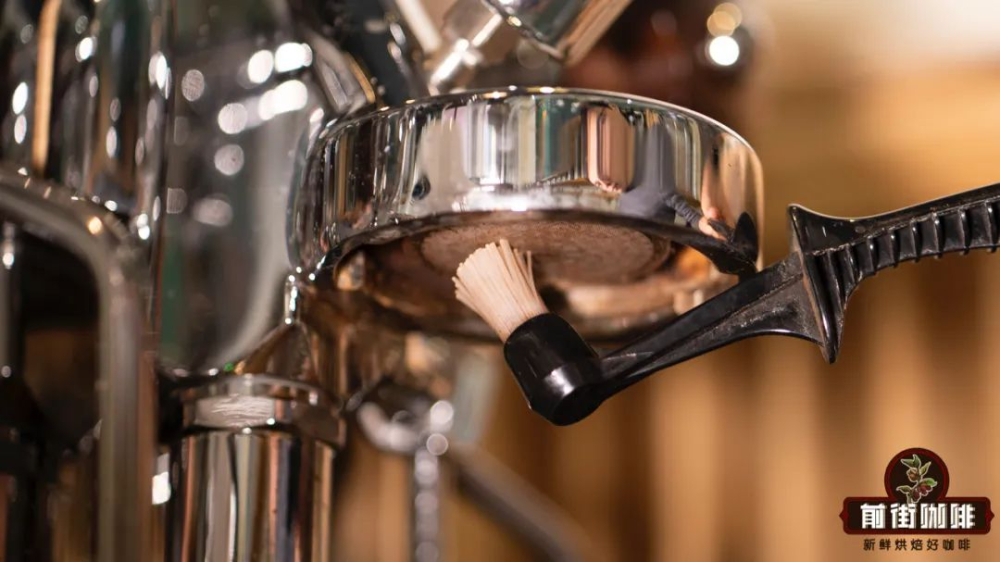
Deep cleaning: At the end of the day, before shutting down, clean the inside of the screen. Brushing — however diligently — only touches the surface; the grime inside stays put. So swap the portafilter basket from the perforated one to a seamless blind basket, add 2–3g of espresso machine cleaning powder, lock the portafilter into the brew head, and backflush.
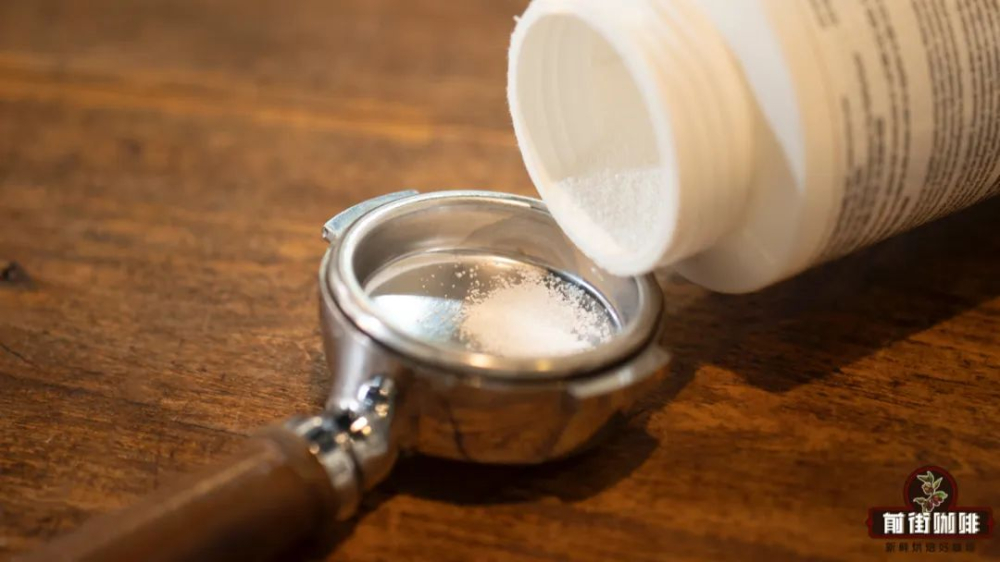
The operation: open the valve. Since the blind basket has no holes, hot water circulates inside the machine for about 15 seconds; then close the valve. The machine draws the cleaning solution from the blind basket into the pressure-relief channel and discharges it — that's the internal cleaning. Repeat 3–5 times without removing the portafilter or refreshing the powder. (We don't run one long continuous rinse to avoid stressing the relief valve.) After backflushing, remove the portafilter and flush water once more; the diligent can give it another brush. Done! (Remember to discard the first espresso pulled the next morning.)
II. Cleaning the Steam Wand
The steam wand is one of the machine's most important working parts — essential for frothing milk for hot milk drinks — so its upkeep matters too. Cleaning again comes in simple and deep flavors.
Simple cleaning: After frothing, milk residue clings to both the outside and inside of the wand. Leave it even a few seconds and the wand's heat dries it into a stubborn crust that's very hard to remove later.

So immediately after frothing, wipe the outside with a clean damp cloth (keep a dedicated cloth for the wand), then release 1–2 seconds of steam to blow the milk residue out of the inside.
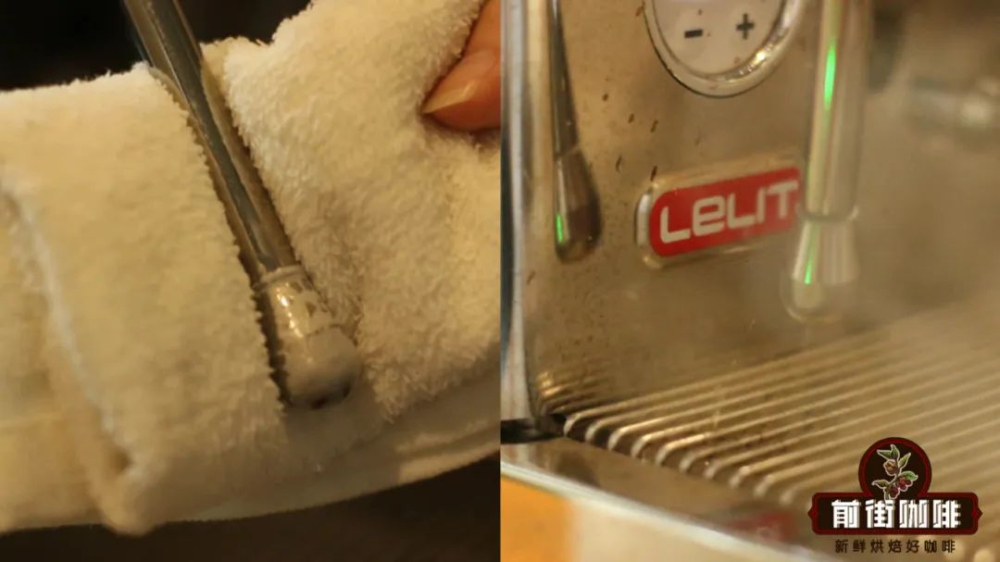
Nozzle deep cleaning: "Simple" by definition leaves spots untouched — like the inside of the nozzle holes, whose dead corners the steam can't reach. So at closing time, unscrew the nozzle, drop it into a container with cleaning powder and hot water, and let it soak overnight. Next day it's clean and ready.
Steam wand deep cleaning: And while you're at it, don't neglect the wand itself. Use a tall enough cup, fill it with cleaning powder and hot water, and soak the wand overnight too. When you start the machine next morning, steam through it for a few minutes to finish the job.

(The nozzle and wand can soak together.)
III. Portafilter Cleaning
Many people extract with spouted portafilters, and the spout area is full of dead corners. Skip regular cleaning and it develops unpleasant odors and other off-flavors. So don't forget the portafilter.
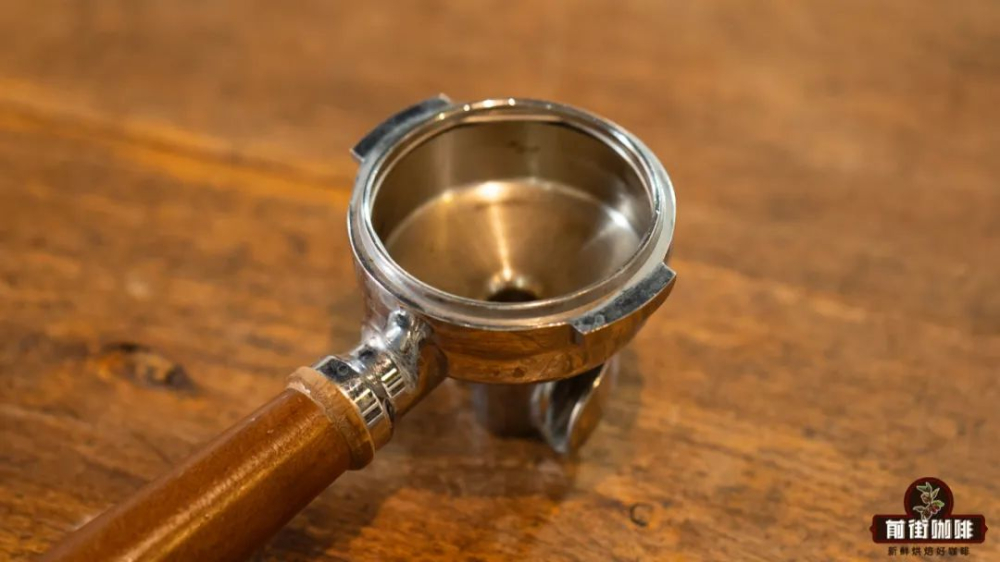
Find a container big enough for the whole portafilter head, add a suitable amount of cleaning powder and hot water to submerge it, and soak overnight. Next day, scrub it clean.
Those are all the areas you can service yourself. With regular cleaning, the machine stays "healthy" and problems become far less likely. Let neglect cause a real failure, and you'll be paying a hefty repair bill.
- END -
FrontStreet Coffee
FrontStreet Coffee Recommendation
A spotless machine deserves equally well-chosen beans. Since good crema and stable extraction are what these maintenance routines protect, here are three FrontStreet espresso picks.
FrontStreet Classic Blend (top pick) — Engineered for espresso and moka pots, with crema as its superpower: even beginners on non-professional home machines can pull dense, silky shots. The traditional Mamba (Mandheling + Brazil) formula is mellow and full-bodied, satisfying veterans and newcomers alike — equally at home in a café or on your counter.
FrontStreet Premium Blend — The longest-serving blend in FrontStreet's shops (close to a decade) for Americanos and lattes. Brazil Cerrado meets Colombia Huila for the classic espresso memory: nutty, chocolatey, caramel-sweet, with gentle acidity — a dependable daily bean.
FrontStreet Black Cocoa Blend — A 100% Arabica blend with ample crema and a rich, mellow body at a wallet-friendly price. Quality and value in one bag, ideal for cost-conscious café owners and budget-minded home baristas — and versatile enough for specialty coffee drinks beyond the standard latte or Americano.
Important Notice :
FrontStreet Coffee is a long-established specialty coffee roaster in Guangzhou China, selling freshly roasted beans from its own farm in Yunnan as well as dozens of carefully selected single-origin beans from around the world for both pour-over and espresso. The products deliver consistently excellent quality and great value, with shipping within 24 hours. Guangzhou's FrontStreet Coffee shop is recommended by many coffee lovers, and the beans are now available online at the Tmall 。
FrontStreet Coffee has moved to a new address:
FrontStreet Coffee Address: 315,Donghua East Road,GuangZhou
Tel:020 38364473
 Scan and follow the En Gafei WeChat official account. Please indicate that the reprint comes from "En Gafei".

