What Do Under-Extraction and Over-Extraction Taste Like in Pour-Over and Espresso Coffee? What is Over-Extraction?
Understanding Coffee Extraction: Identifying Under-Extraction and Over-Extraction
Taste preferences differ from person to person, but there is broad agreement about what makes coffee unpleasant. When coffee shows harshness, astringency, bitterness, or burnt notes, it is generally considered unpalatable.
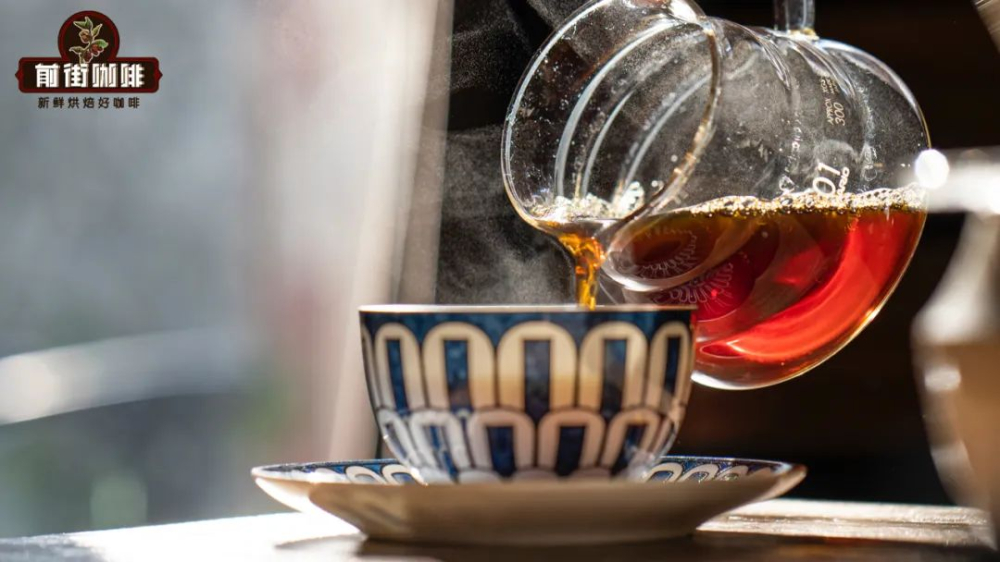
When these unpleasant flavors appear, people often speculate about the cause. Analysis usually points to under-extraction and over-extraction as the most common culprits. But for a coffee beginner, how do you tell whether a coffee is under-extracted, properly extracted, or over-extracted?
Defining Extraction Levels
What exactly counts as under-extraction and over-extraction? In 1952, Dr. Lockhart and his team discovered that coffee beans contain approximately 30 percent soluble substances, and that extracting different amounts of them produces different flavors. They immediately researched this finding, surveying American coffee preferences, and after rigorous verification concluded that the most universally appealing flavors are produced when extraction rates fall between 18 and 22 percent. That range is now known as the "Golden Cup Extraction." Below 18 percent the coffee is considered under-extracted; above 22 percent it is considered over-extracted.
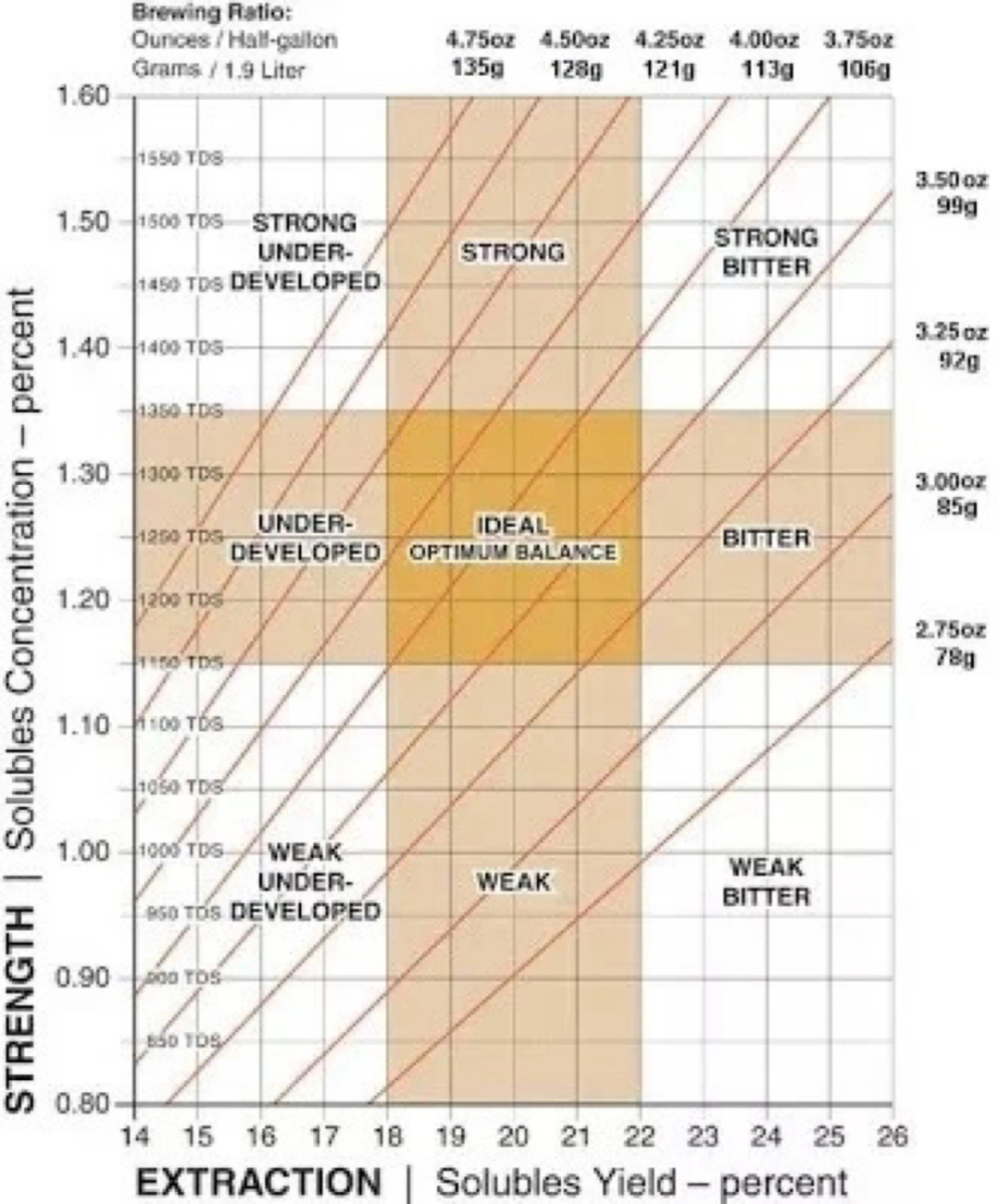
FrontStreet Coffee does not, however, recommend judging extraction quality purely by measuring extraction rates. First, we are not conducting academic research, and second, even within the Golden Cup range unpleasant flavors can still occur. This article addresses the challenge faced when brewing at home: how to tell whether extraction is appropriate. FrontStreet Coffee therefore recommends judging extraction quality by taste.
Flavor Profiles of Extraction Problems
So which flavors indicate under-extraction and over-extraction? FrontStreet Coffee has shared this idea many times, but it bears repeating, because understanding it is the key to grasping what extraction problems really mean. Coffee flavor compounds fall mainly into three categories: acidic, sweet, and bitter. Although all three are released at the beginning of extraction, their release rates differ significantly. Acidic compounds are released predominantly in the early stages, sweet compounds in the middle, and bitter compounds in the later stages. The balance among the three creates distinctly different flavors.
Under-Extraction Characteristics
Under-extracted coffee typically leans sour, showing harsh acidity or other obvious off-flavors. It also affects mouthfeel. Vinegary or sharp sour notes are common in under-extracted coffee. There is also minimal aftertaste; if any exists, it often resembles the astringent sensation of eating unripe fruit. Under-extracted coffee may also show noticeable saltiness. Salt is always present in coffee but is usually masked by the acidic, sweet, and bitter flavors of a properly extracted cup. With under-extraction those masking flavors are reduced, letting the saltiness become prominent.
Over-Extraction Characteristics
Over-extracted coffee presents more pronounced and obvious characteristics. When you detect prominent bitterness, such as a scorched bitterness or an unpleasant bitter complexity, you know the coffee is over-extracted. This happens because over-extraction pulls excessive bitter compounds from the coffee. A properly extracted coffee does contain some bitter compounds, but their lower proportion keeps them from standing out.
As extraction moves into the later stages, bitter compounds begin releasing in large quantities, disrupting the balance and tipping the scale toward bitterness. Beyond bitterness, the coffee also shows dryness and hollowness. Dryness occurs because polyphenols bind with proteins in saliva, creating a rough mouthfeel. Hollowness refers to coffee that feels heavy and dull, lacking complexity and failing to engage the palate.
Correcting Extraction Issues
How can these problems be remedied? Under-extraction results mainly from brewing too quickly, which prevents water from fully dissolving the compounds inside the coffee particles. Over-extraction occurs when brewing takes too long, causing water to extract compounds that should have stayed in the grounds.
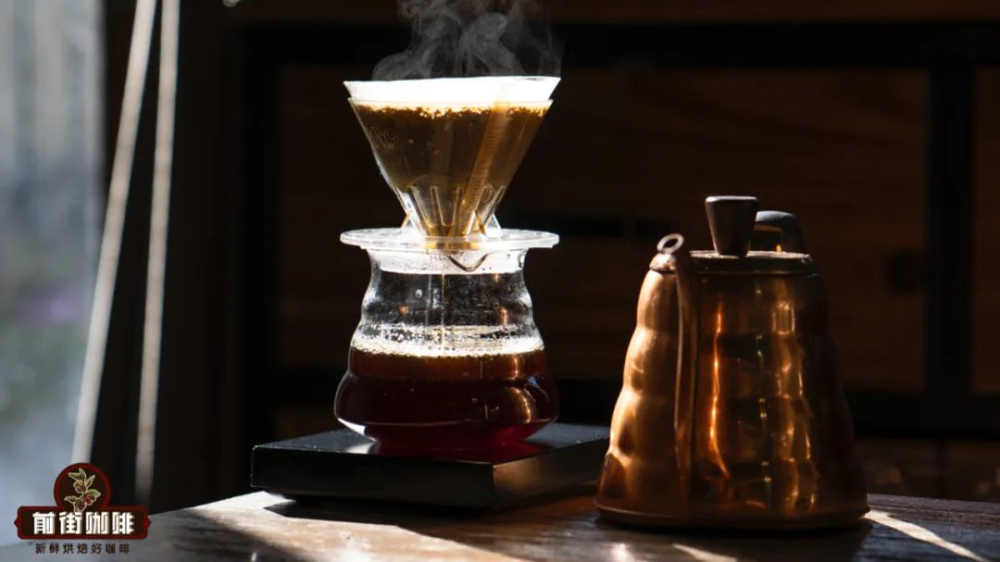
When these issues arise, we can adjust the brewing rhythm, meaning the method, or change extraction strength by adjusting grind size, water temperature, and other variables. That lets us reach proper extraction and make delicious coffee.
FrontStreet Coffee Recommendation
When you are chasing a clean extraction, the bean itself sets the ceiling. FrontStreet Coffee's Gotiti is a light-roast Ethiopian single origin with a classic Yirgacheffe profile of white floral sweetness, bright citrus acidity, and a green-tea finish. Hand-brewed, it shows clear floral and fruity tones, lifted lemon acidity, and honeyed sweetness, and it is forgiving enough for beginners while still rewarding careful brewing.
If you want a fruitier note in the cup, the Sun-Dried Huakui is rich with strawberry, passion fruit, and jackfruit aromas, with strong sweetness and very little bitterness, so it reveals the difference between under- and over-extraction clearly. The Strawberry Candy Blend, combining a washed Panama Geisha with a Costa Rican honey process, gives raisin, orange, and ripe blueberry aromas with a rose-like depth and a faint almond finish.
For a lower-acid, full-bodied pour-over, FrontStreet Coffee's PWN Indonesia Golden Mandheling brings herbal and dark chocolate notes with a faint earthy edge under a deep roast, and the Brazil Queen Estate is low in acidity and well balanced, with intense nut and cocoa aroma and a clear caramel sweetness, smooth rather than astringent. The Jamaica Blue Mountain No. 1 rounds it out with exceptional balance across acidity, sweetness, bitterness, and aroma, smooth and rounded with a clean, lingering finish.
Important Notice :
FrontStreet Coffee is a long-established specialty coffee roaster in Guangzhou China, selling freshly roasted beans from its own farm in Yunnan as well as dozens of carefully selected single-origin beans from around the world for both pour-over and espresso. The products deliver consistently excellent quality and great value, with shipping within 24 hours. Guangzhou's FrontStreet Coffee shop is recommended by many coffee lovers, and the beans are now available online at the Tmall 。
FrontStreet Coffee has moved to a new address:
FrontStreet Coffee Address: 315,Donghua East Road,GuangZhou
Tel:020 38364473
 Scan and follow the En Gafei WeChat official account. Please indicate that the reprint comes from "En Gafei".