Is Cloudy Pour-Over Coffee Safe to Drink? Understanding Coffee Clarity
The Truth About Cloudy Coffee: What Your Coffee's Color Really Tells You
Have you ever paused to look at the color of the coffee in your cup? It shifts with all sorts of factors: red or black, bright or dull, clear or cloudy.

The phrase "soup color" actually comes from the tea world, where it refers to the appearance of brewed tea liquor. Depending on the production method and degree of fermentation, tea can display very different liquor colors, and professional tea evaluation includes a standardized step for assessing it. Clarity matters too: a bright, transparent liquor is considered high quality, while a dull, murky one is judged inferior. By extension, many people assume that cloudy coffee must taste bad. But is that actually true?
Factors Influencing Coffee Color
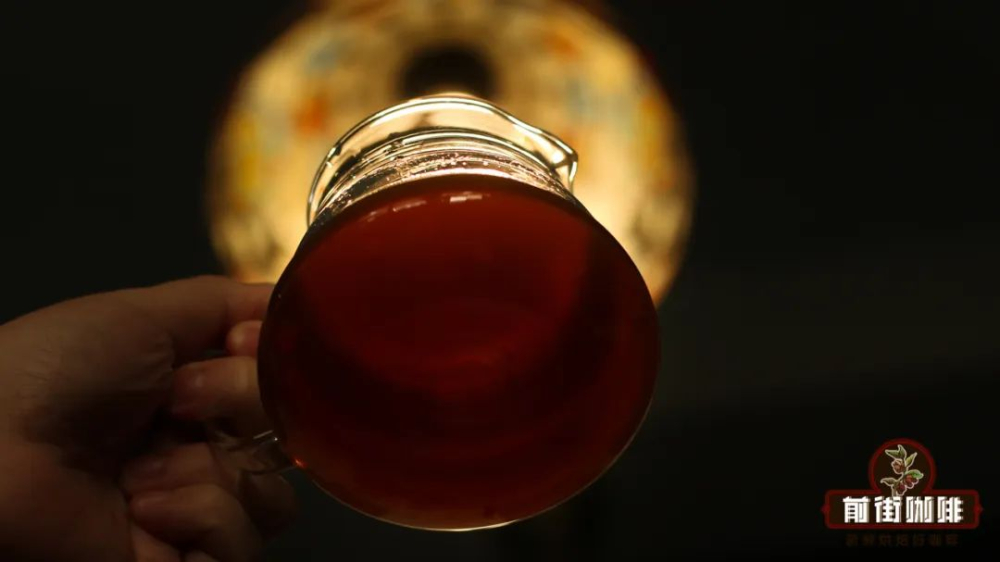
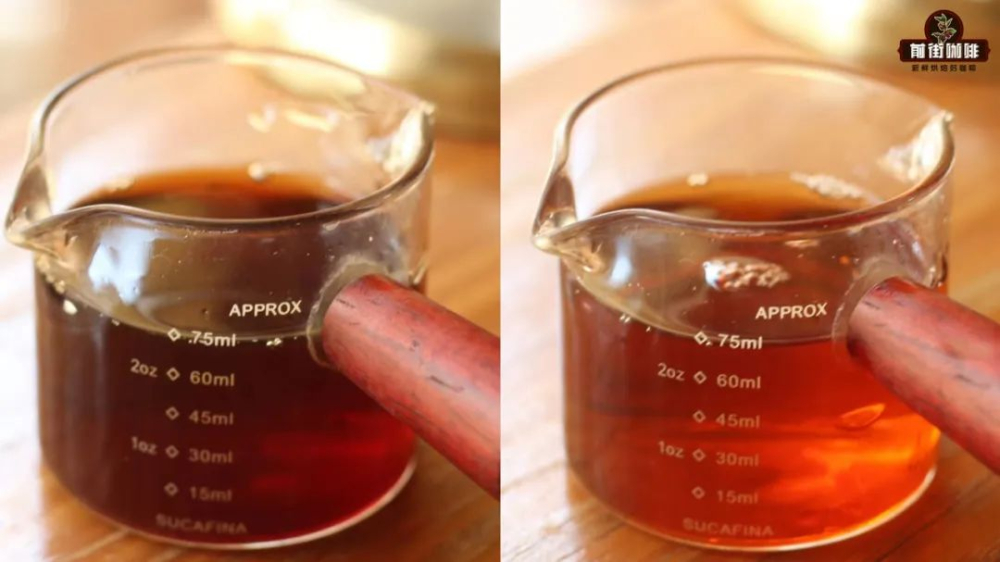
When extraction proceeds normally, the color of brewed coffee generally falls somewhere between red and black, and two factors determine it. The biggest one is the roast level of the beans, which essentially dictates the hue: coffee brewed from lightly roasted beans tends to look black with red undertones, while coffee made from medium to dark roasted beans shows the reverse — red with black undertones.

The second factor is concentration, which governs how deep the color appears. The more concentrated the coffee, the darker the liquid; the lower the concentration, the lighter it looks.
Understanding Coffee Clarity
It's worth stressing that neither of these factors has anything to do with clarity. It's not the case that a darker or more concentrated brew is automatically cloudier. Turbidity instead depends on the water solubility of what gets extracted. During brewing, some water-insoluble substances are released along with everything else, and when too many of them end up in the cup, visible cloudiness appears. This is largely a matter of how well your equipment filters. With pour-over, for instance, if you don't use a high-performance filter paper but instead reach for flannel, a metal mesh, or another medium with larger gaps, water-insoluble compounds — oils and fine particles — slip through those gaps into the beverage and turn it cloudy.

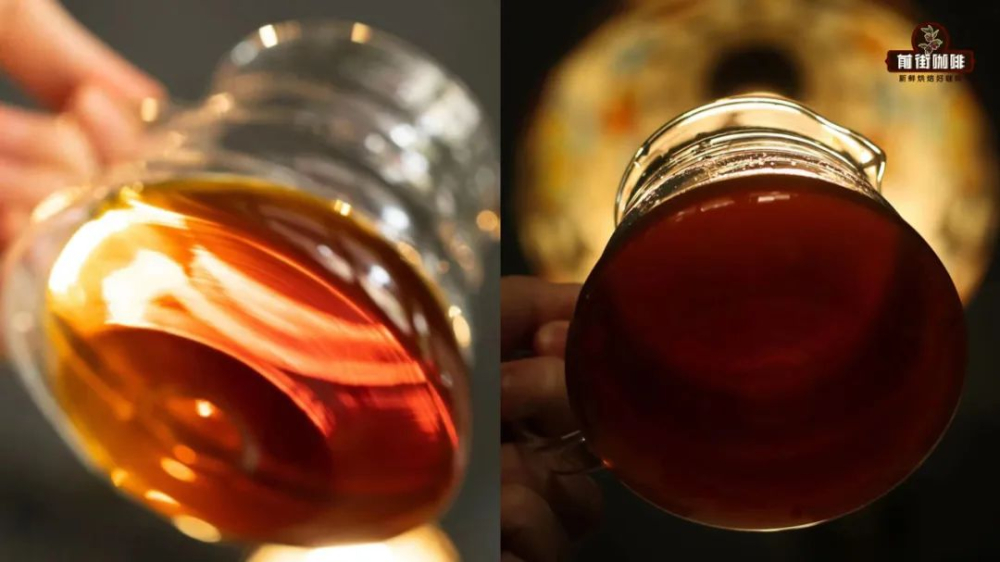
Alternative brewers such as the AeroPress behave similarly. Even though they use very effective filter paper, the paper can't seal every corner of the chamber, so fine insoluble particles escape around the edges and travel down into the cup with the coffee, producing haze. There's a second cause of cloudiness too: substances that were originally dissolved can suddenly become insoluble. What does that mean in practice? A freshly brewed coffee may look perfectly clear, yet after sitting for a while the liquid turns cloudy.
Conclusion: Don't Judge Coffee by Its Appearance
The reason is that as temperature drops, some compounds in coffee condense and fall out of solution, giving the cup a gritty, sand-like texture. On top of that, chlorogenic acid and caffeine readily bind to each other, and once they combine, the complex is no longer water-soluble. The takeaway is that a cloudy cup tells you nothing about whether the coffee tastes good. Both flannel and AeroPress brews are cloudy, yet in both cases the flavor and mouthfeel can be excellent. Some top-tier beans may even turn cloudy after resting in the cup for a few minutes, while their sweetness becomes more pronounced. FrontStreet Coffee's verdict: judging coffee by its appearance is not the way to go.
- END -
FrontStreet Coffee

FrontStreet Coffee Recommendation
If you're brewing pour-over and want clarity of flavor along with that bright, delicate cup, FrontStreet Coffee suggests starting with these light-roast single origins:
FrontStreet Ethiopia Yirgacheffe Guodingding — A washed Ethiopian classic from the Yirgacheffe region, loved as a first step into specialty coffee. Expect vivid citrus, berry, and floral notes with a green-tea-like sweet finish. Its acidity is soft and bright rather than sharp, making it one of the most approachable choices for anyone new to pour-over.
FrontStreet Ethiopia Guji Huakui (Hua Kui) — One of the standout stars of recent seasons, with pronounced tropical fruit aromatics: strawberry, passion fruit, jackfruit, even lychee. High sweetness, minimal bitterness, and a juicy, smooth body — often described as "the coffee for people who don't like coffee." A superb match for the delicate clarity a V60 brings out.
FrontStreet Kenya "Cherry Tomato" — A fully washed Kenyan from the Thika region, grown at 1,550–1,750 meters on SL28 and SL34 varieties and finished with a 72-hour double-wash fermentation. Look for bright cherry-tomato and dried plum acidity, a full juice-like body, and a clean finish of yellow sugar and light green tea — ideal for drinkers who love vivid fruit acidity.
Important Notice :
FrontStreet Coffee is a long-established specialty coffee roaster in Guangzhou China, selling freshly roasted beans from its own farm in Yunnan as well as dozens of carefully selected single-origin beans from around the world for both pour-over and espresso. The products deliver consistently excellent quality and great value, with shipping within 24 hours. Guangzhou's FrontStreet Coffee shop is recommended by many coffee lovers, and the beans are now available online at the Tmall 。
FrontStreet Coffee has moved to a new address:
FrontStreet Coffee Address: 315,Donghua East Road,GuangZhou
Tel:020 38364473
 Scan and follow the En Gafei WeChat official account. Please indicate that the reprint comes from "En Gafei".