
What Does Tea-Like Sensation Mean in Coffee Flavor Descriptions? Is the Astringency of Black Coffee the Same as Tea Sensation?
What Does "Tea-Like Sensation" Mean in Coffee Tasting? Is Astringency the Same Thing?

Tea lingers in the vocabularies of anyone who grew up drinking it. Even though formal coffee flavor wheels barely use the word, drinkers often reach for "tea-like sensation" or "tea aroma" when describing a cup.
Ask ten people what that phrase means, though, and you will get ten answers. Some mean the aroma of a particular kind of tea, others the astringent feeling in the finish, and still others a closing impression similar to tea liquor. So what exactly is a barista pointing at with "tea-like sensation," and what do they use to identify it?
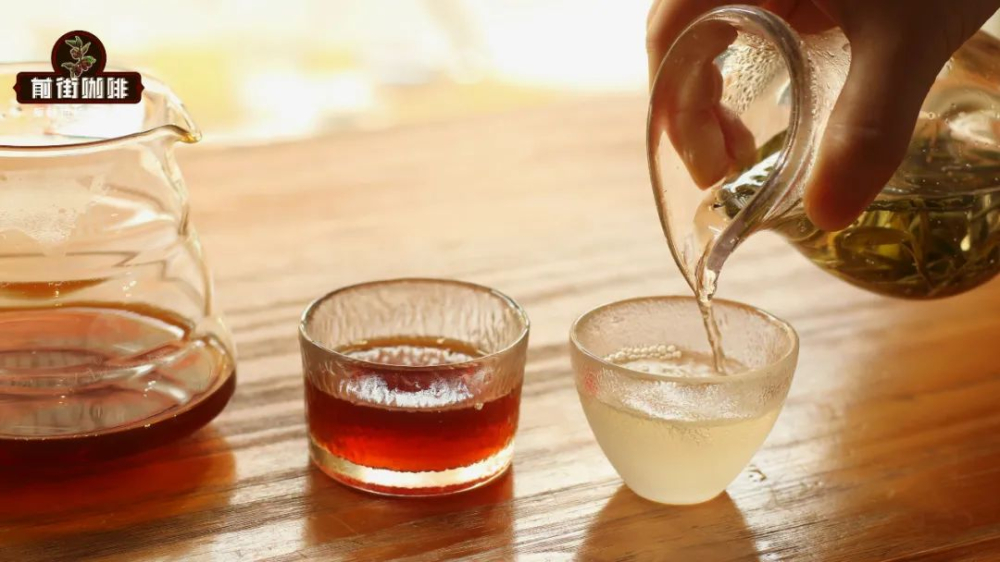
What Is Tea-Like Sensation?
Tea drinkers have a phrase for it: "bitterness that returns to sweetness, astringency that makes the mouth water." To understand tea-like sensation, you first have to understand tea bitterness and tea astringency.
The bitterness of tea liquor usually comes with the return of sweetness and the flow of saliva. It enters bitter, then turns to a clean sweetness; as time passes the sweet taste overtakes the bitter, finishing sweet — the "return of sweetness." Tea polyphenols are among the main compounds behind tea's color and aroma. Of those polyphenols, tea tannins are the most abundant contributor to fragrance and to the slight roughness felt in the mouth. The more tea tannins present, the stronger and more lasting the return of sweetness and the saliva flow.
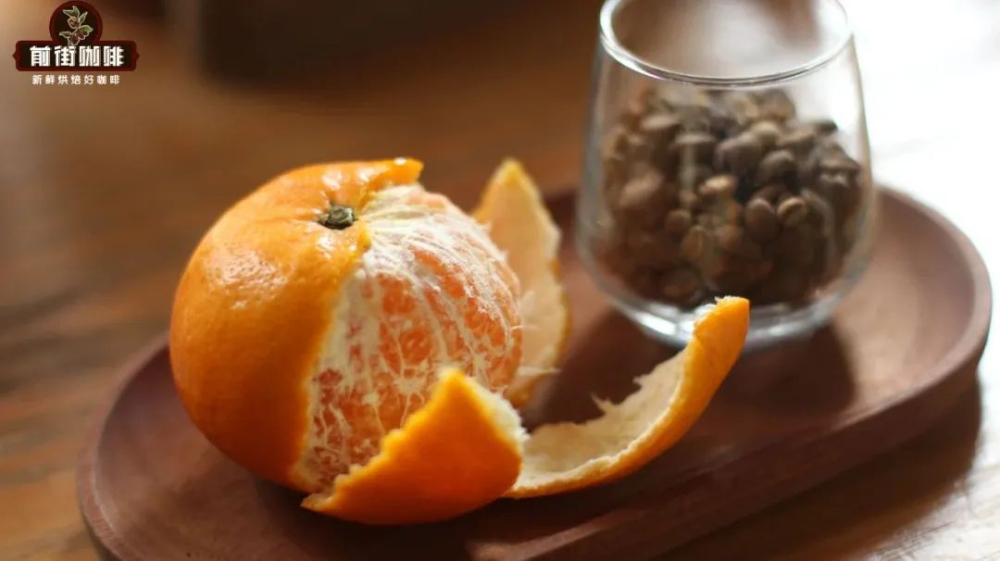
High-quality leaves brewed well will express a variety's characteristic aroma type, its return of sweetness, and its lingering charm — fresh, sweet green tea; fruity, honeyed black tea; oolong layered with florals and roast; mellow, aged Pu'er.
Why Coffee Can Taste Like Tea
The brain handles memory and smell in the same region, and the flavors each of us experiences are bound up with our food memories. When coffee enters the mouth, the taste buds first judge the intensity of sour, sweet, bitter, and salty. Then, during the swallow, aromatic compounds travel up into the nasal cavity. The brain combines the tasted flavors with those aromas and produces the perception of eating a remembered food — this is retronasal olfaction.
If the delicate aromas you perceive retronasally, together with the mouthfeel before and after swallowing (return of sweetness, slight astringency, saliva production), call to mind a tea you have tasted before, then you have found a tea-like sensation in the cup. In other words, whether you can detect it depends on your familiarity with the aroma and taste of tea, and with the saliva flow and return of sweetness that come with it.
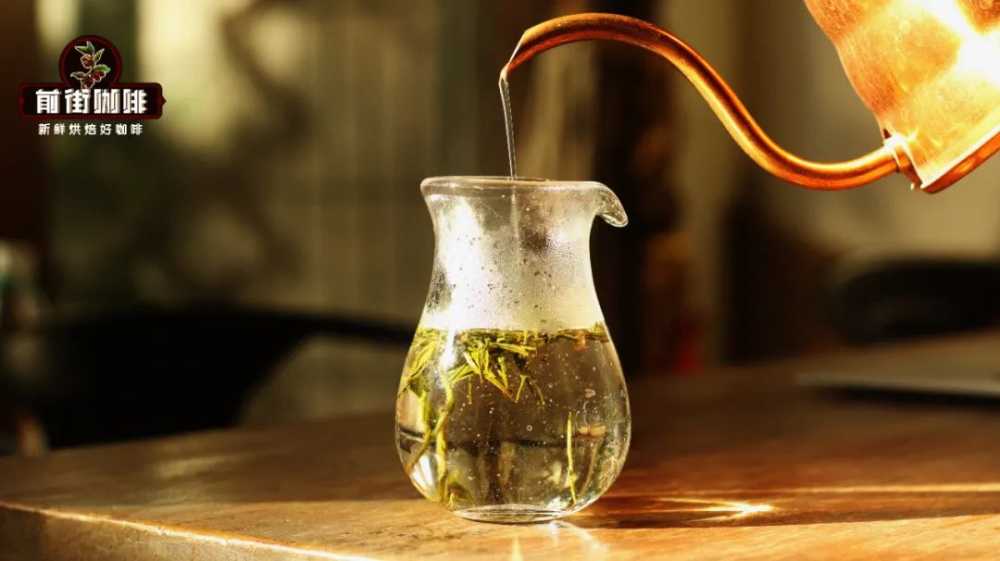
When FrontStreet Coffee drinks a washed Boquete Geisha from Panama, for instance, it gives off rich white floral aromas with a fresh, sweet profile and a bright, light sweet-sour mouthfeel that immediately recalls drinking Tieguanyin. To FrontStreet Coffee, then, tea-like sensation is not a single sensory signal but a composite description of what the coffee delivers.
Tea-Like Sensation Is Not Astringency
Astringency literally means "not smooth," and it generally describes a rough texture rather than a taste. In coffee it comes from polyphenol compounds binding with salivary proteins, reducing lubrication and increasing friction, which produces a drying, puckering sensation on the mouth's surfaces.
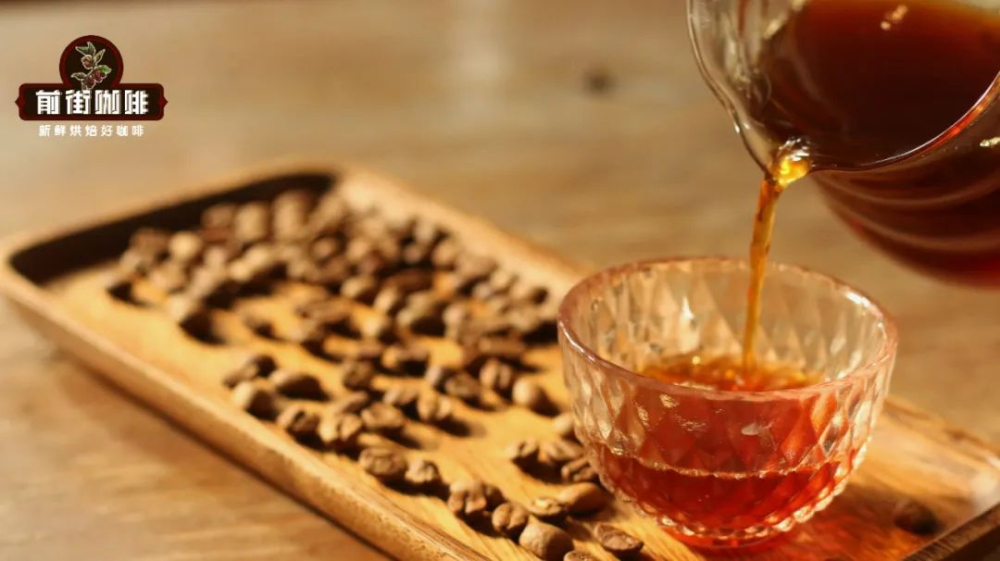
Coffee drinkers usually treat bitter, irritating astringency as unpleasant, since it can mask a coffee's finer flavors. But there is also a "good" astringency that adds complexity. Take the slight astringency of citrus peel: set against coffee's mild bitterness and its fruit acidity and sweetness, it can taste like pomelo tea while still carrying a lasting return of sweetness.
A Thousand Tea-Like Sensations in a Thousand Minds
To find a particular tea flavor from memory, you have to combine the aroma, the finish, and the degree of sweetness that returns in the mouth.
When FrontStreet Coffee tastes a washed Yirgacheffe Gedeb, it finds fresh, elegant floral aromas, clear sweetness, and a lightly astringent finish, much like an unfermented green tea.
The natural-processed FrontStreet Coffee Yunnan Typica, meanwhile, ferments with the fruit pulp still attached under the sun, so the beans absorb more fermentation aroma. In the cup FrontStreet Coffee tastes sweetness and mellow depth with a solid return of sweetness, carrying the profile of a fully fermented black tea.
Beyond conventional tea types, some coffees with complex aromas also trigger stored memories. Tasting Ethiopia Konga Amederalo, the sweet-sour impression of white grape juice and the fruity astringency and return of sweetness of grapefruit peel, mixed with an elegant flower tea, reminded FrontStreet Coffee of a freshly brewed pot of rose tea.
Because the world of tea spans white, oolong, green, black, and Pu'er, even the same phrase "tea-like sensation" can mean very different things to different drinkers. In the end, we hope everyone finds the tea-like sensation they are looking for in their own brewed coffee.

FrontStreet Coffee Recommendation
Tea-like sensation lives in coffees with high sweetness and a clean, layered finish. FrontStreet Costa Rica Black Honey is a textbook example. Costa Rica is known for honey processing, and black honey — where the mucilage is left almost completely intact, making it the closest honey process to a natural and the most fermented and sweetest of them all — is its fullest expression. This high-altitude lots beans, medium-light roasted, show sweet florals, grape, sweet orange, and liqueur chocolate.
For a cup built on floral and fruit sweetness, FrontStreet Strawberry Candy combines a honey-processed Costa Rican coffee with an Ethiopian one, yielding rose, strawberry gummy, and dried blueberry aromas, balanced grape and citrus acidity, and an almond-scented return of sweetness. It works as pour-over or cold brew, and as espresso it produces smooth, rich crema with no harsh edge.
If you enjoy a fruitier, more complex sweetness, FrontStreet Boundary Estate Sidra shows grape, apricot, passion fruit, and fruit-candy aromas with a fruit-wine finish; served as an iced Americano it drinks like grape juice. And for a traditional, darker profile, FrontStreet Brazil Queen Estate brings roasted peanut and dark chocolate depth, softening into a gentle, lingering sweetness — the classic return of sweetness at its most straightforward.
Important Notice :
FrontStreet Coffee is a long-established specialty coffee roaster in Guangzhou China, selling freshly roasted beans from its own farm in Yunnan as well as dozens of carefully selected single-origin beans from around the world for both pour-over and espresso. The products deliver consistently excellent quality and great value, with shipping within 24 hours. Guangzhou's FrontStreet Coffee shop is recommended by many coffee lovers, and the beans are now available online at the Tmall 。
FrontStreet Coffee has moved to a new address:
FrontStreet Coffee Address: 315,Donghua East Road,GuangZhou
Tel:020 38364473
 Scan and follow the En Gafei WeChat official account. Please indicate that the reprint comes from "En Gafei".

