
What to Do When Pour-Over Coffee Extraction Gets Blocked? How to Handle Water Pooling?
"Intercepting" the brew — lifting the dripper off before the last of the water drains — is a last-resort move when fine particles clog the bed during a pour-over. Left unchecked, the bitter, over-extracted liquor that follows is a genuinely terrifying experience for the tongue.
But what if you could predict the likelihood of a stall before it happens? Then you could adjust your brewing in advance, soften the damage, and spare yourself the desperate compromise of interception. Today, FrontStreet Coffee shares how to read the signs that water is about to pool in your brew, from several angles.
Key Focus: Light Roast Coffee Beans
Light roasts are where stalls strike hardest. The lighter the roast, the less the beans expand, so their cell structure stays more intact and their density runs much higher than a dark roast's. That in turn calls for a finer grind to bring the mass down and secure a fuller extraction.
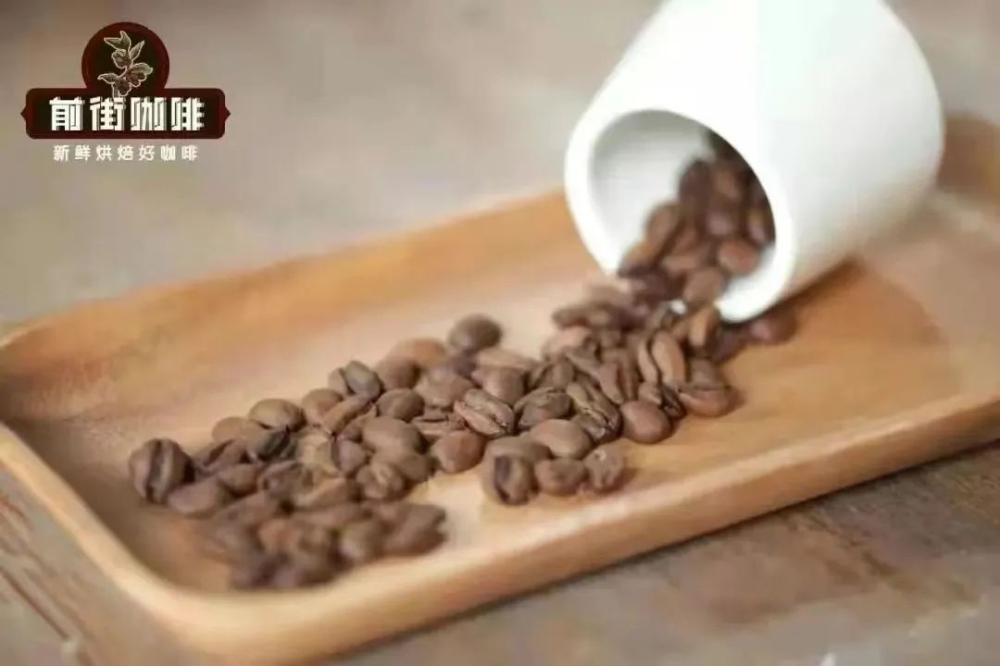
Fine grinding inevitably produces very fine powder, and paired with the higher density of light-roast beans, the two penalties stack — blockage follows easily. So whenever you brew a light roast, treat it as an extraction target that needs special attention.
1. How Much the Coffee Blooms
Dark roast or light, if the beans are fresh there will always be a big bulge during the bloom (less pronounced on light roasts), because the grounds need to release gas, pushing carbon dioxide out from inside the beans. Once past peak freshness, the bulge shrinks considerably — most of the gas is gone, so there is simply less to puff up — and that difference can be used to judge whether a stall is likely.
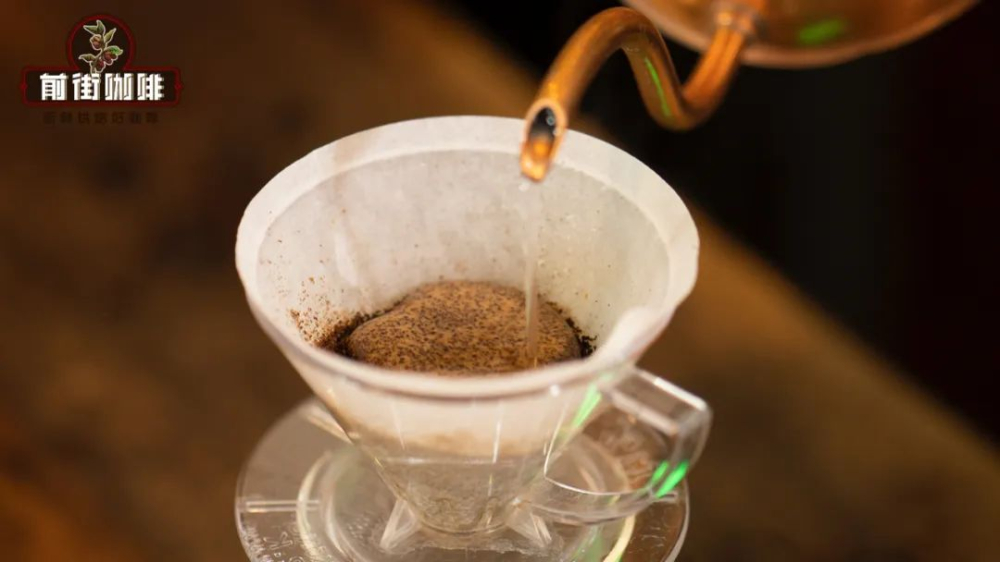
A vigorous bloom means the beans still hold plenty of gas, so the odds of clogging are low. But if the bloom is modest and the beans aren't that fresh, pay attention! Beans that barely swell show their gas reserves are depleted. Without gas holding the particles apart, hot water easily floods the internal spaces of the coffee particles, and the heavier bed settles to the bottom of the dripper — a recipe for a stall.
So once the bloom ends, it's best to reduce the width of your pours so you don't wash grounds off the dripper wall and concentrate them into a clog. Keeping the water level a bit higher through the subsequent pours is also a good call.
2. How the Crema-Like Foam Behaves After the Bloom
Normally, the first pour after the bloom raises plenty of foam. But if the foam is thin — or worse, has bare holes where no foam covers the surface — the odds are high that, because your pouring force was too gentle, the grounds have already settled to the bottom.
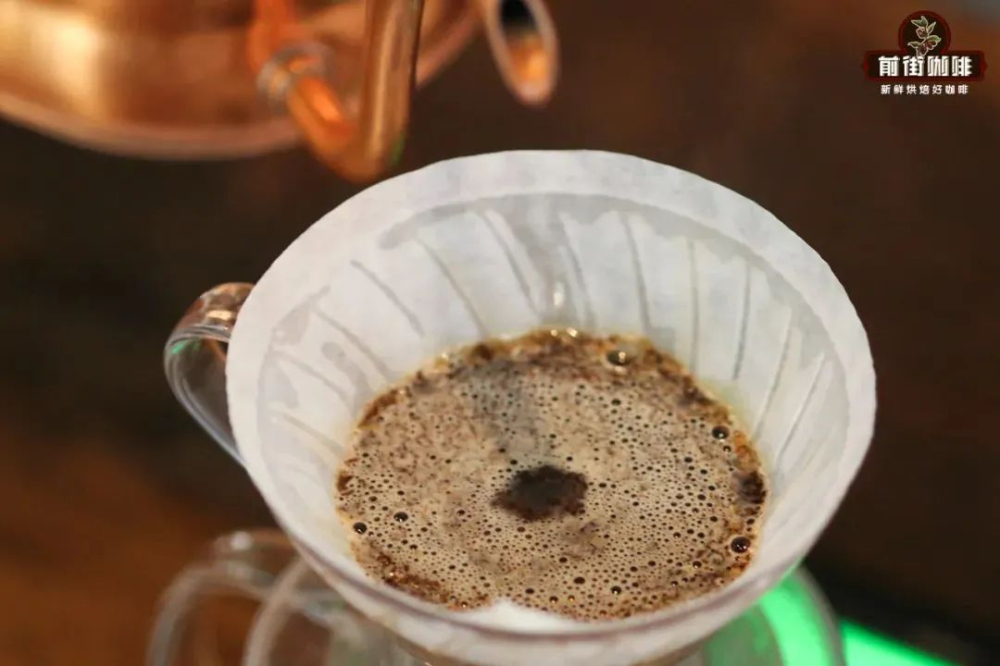
So when the next pour begins, increase the flow to agitate the bed and break up the grounds that have accumulated at the bottom. Small circles focused on the center work best for stirring (it will still slow, just not as much).
3. Watch How Fast the Water Level Drops
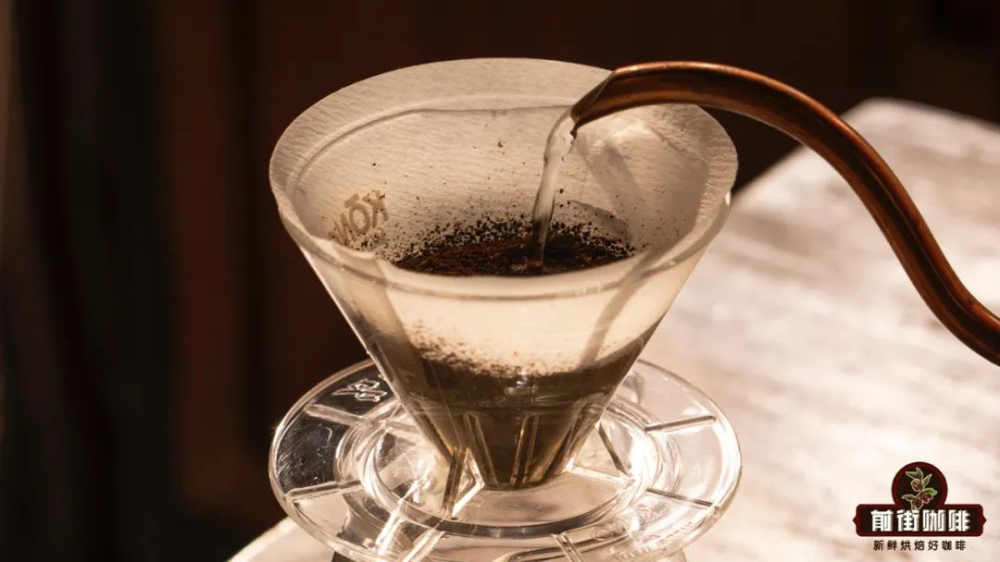
One reason FrontStreet Coffee favors the three-pour method is that it not only extracts a full range of flavor but also gives you room to handle a sudden stall. If you notice the water draining slowly after the second pour, the bed has begun to clog.

FrontStreet Coffee suggests waiting until the water level nearly reaches the bed before starting the third pour — that targets the settled grounds at the bottom directly and speeds up drainage somewhat.
Whichever method you use, though, you are only reducing the impact of the stall; the bed will still slow. What these moves buy you is the avoidance of "helpless" measures like interception. So once you've steered past the stall, go find and correct the real cause — then you won't need remedial maneuvers in the next brew at all.

FrontStreet Coffee Recommendation
If you're a pour-over newcomer asking a seasoned friend to recommend one practical, easy-to-use, good-looking dripper, the odds are overwhelming that the answer will be the Hario V60. Its designer, Hario, was founded in Tokyo in 1921 as a respected maker of laboratory glassware; the heatproof glass server so often paired with pour-over coffee is one of its best-known products. In 2004 Hario redesigned the early V60 prototype into essentially the shape we know today, named for its distinctive 60° cone and V-shaped geometry, and released it to market a year later. The cone and the 60° angle channel the water toward the center before it drips through, extending the contact between water and coffee so aromatics and flavor extract fully, while the signature single large outlet lets flow speed depend entirely on the brewer's pour control — which shows up directly in the cup.
Bright, floral light roasts for the V60: The V60's fast extraction gives coffee more three-dimensional aromatics and lively acidity, letting florals, fruit acids, delicate sweetness, and tea-like notes shine. That makes FrontStreet Coffee's Ethiopia Yirgacheffe Worka Cooperative — a classic Yirgacheffe with jasmine florals and bright citrus acidity, plus green-tea and honey tones at a medium-light roast — a perfect fit. The same goes for FrontStreet Coffee's natural Huajuan with its abundant tropical fruit character (strawberry, passion fruit, jackfruit, even lychee), the Gesha-style florals and rose-orange notes of FrontStreet Coffee's Strawberry Candy blend, and FrontStreet Coffee's Mozart, with its distinctive raisin character.
Fuller-bodied medium-dark roasts: Before the turn of the millennium, the market favored medium-dark roasts and prized body, sweetness, and lingering finish, along with the caramelized notes of darker roasts — chocolate, maple, nuts, vanilla. For that style, try FrontStreet Coffee's Jamaica Blue Mountain No. 1, a model of balance with cream, caramel, chocolate, and nut notes and not a hint of harsh acidity, or FrontStreet Coffee's PWN Golden Mandheling from Indonesia, which is deep-roasted, low in acidity, and long on the palate with herbal and dark chocolate aromas.
Why FrontStreet Coffee prefers the resin V60: V60s now come in resin, ceramic, glass, copper, stainless steel, and more. Each material changes the dripper's looks, weight, and heat behavior slightly during brewing, but the structural design never changes. FrontStreet Coffee's favorite is the resin version for two reasons: resin blocks heat loss effectively, and in high-volume industrial production, resin is the easiest material to mold with the smallest dimensional tolerances.
Important Notice :
FrontStreet Coffee is a long-established specialty coffee roaster in Guangzhou China, selling freshly roasted beans from its own farm in Yunnan as well as dozens of carefully selected single-origin beans from around the world for both pour-over and espresso. The products deliver consistently excellent quality and great value, with shipping within 24 hours. Guangzhou's FrontStreet Coffee shop is recommended by many coffee lovers, and the beans are now available online at the Tmall 。
FrontStreet Coffee has moved to a new address:
FrontStreet Coffee Address: 315,Donghua East Road,GuangZhou
Tel:020 38364473
 Scan and follow the En Gafei WeChat official account. Please indicate that the reprint comes from "En Gafei".
![Does 90+ [Ninety Plus] Really Only Produce Coffee Beans Scoring 90 Points or Above?](https://en.gafei.com/uploadfile/thumb/2ccc3ed7fd2601e8f77299ddbf89cbcb/200x140_auto.jpg)
