
Does 90+ [Ninety Plus] Really Only Produce Coffee Beans Scoring 90 Points or Above?

Because every coffee in the 90+ lineup carries a rather "unique" flavor profile, the brand is beloved by enthusiasts - the champagne-toned Juliet, or Eleta with its spice and longan notes. Those special flavors are inseparable from 90+'s meticulous processing, so today FrontStreet Coffee tells the story of the company behind them: Ninety Plus.

Yes - Ninety Plus is the name of an American company, rendered in Chinese as "90+". In the coffee trade, "90+" refers to beans cupping 90 points or higher, so people constantly assume the trademark promises only 90-point coffees. (What a name to have.) In 2004, Hacienda La Esmeralda sent shockwaves through the industry when its Geisha crushed the field at Panama's Best of Panama competition. A worldwide "Geisha fever" followed, and plenty of people fell into a "no Geisha, no happiness" state of devotion. Joseph Brodsky, founder of 90+, was one of them.
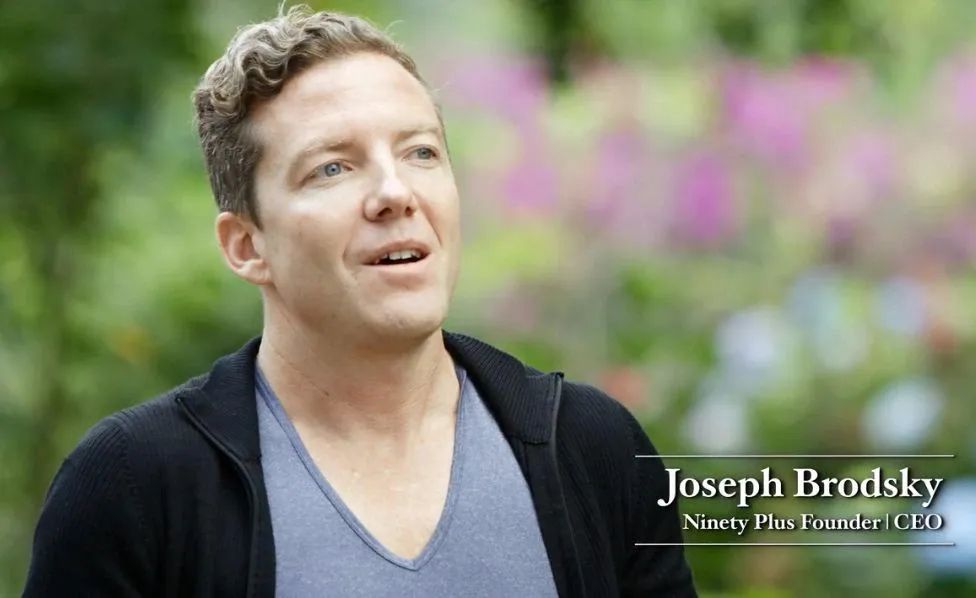
Obsessed with Geisha, Brodsky headed straight for Panama hoping to find a variety that could rival it. The trip was a failure. So he flipped the question: why not go to Ethiopia, with its thousands of undiscovered varieties? In 2005 he arrived in Ethiopia for the first time - and, unexpectedly, was deeply moved by the land and its culture. He fell in love with the people, the food, the language, the coffee, and decided to spend years living there as home.
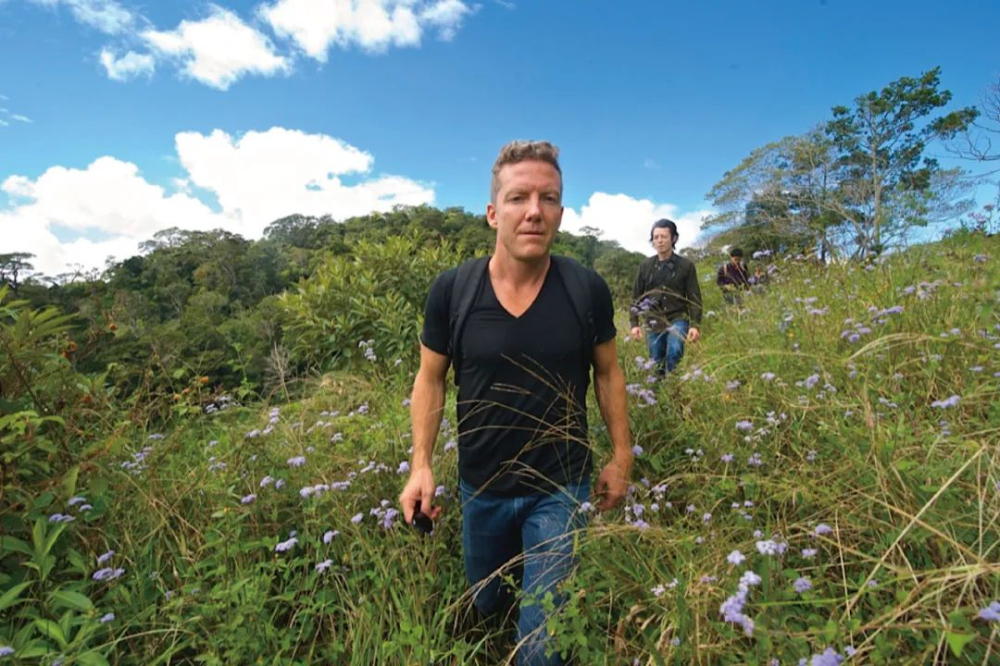
Then, in 2006, he founded the Ninety Plus trading company - and its model set it apart from every green-grain merchant of the era. Ordinary exporters buy and cup beans, snapping up whatever tastes good: quality fruit grown by others, with all the uncertainty that implies. Ninety Plus held technology to control flavor expression, so it pushed its management upstream - not hunting for great green coffee but producing it, from cultivation through processing.
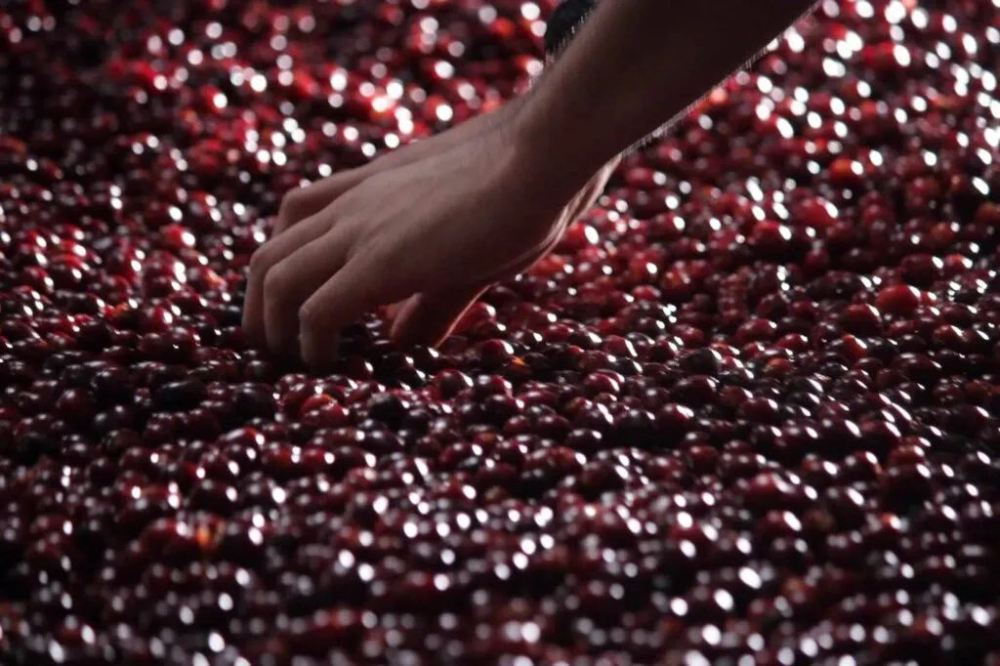
At first the company was too small to farm, so it started with processing: buy quality cherries grown by others, then process them brilliantly. That's how Aricha and Biloa were born - their explosive fruit character and quality swept the specialty scene, and 90+ was famous overnight. Only afterward did it begin vetting partner farmers, giving precise flavor feedback, and re-engineering the process, adjusting samples through scientific management until they matched the intended "90+" profile, producing only the lots that fit. The consistency of 90+ beans, in other words, is no accident - it is a standard, and that standard is the company's core value.
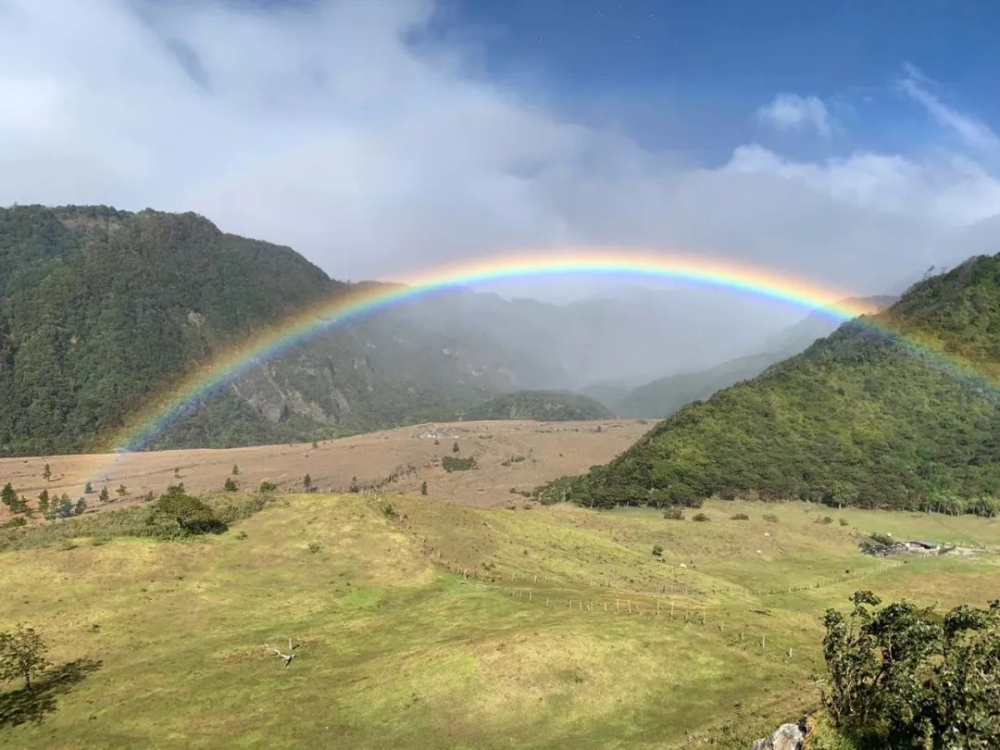
Even in Ethiopia, Brodsky never found a variety to beat Geisha. So he decided to build on Geisha itself. In 2009 he returned to Panama with his ambition and everything he'd learned, and established the Ninety Plus Gesha Estate, which officially produced beans in 2014. Uniquely, every coffee in the 90+ series has its own name, because each is a meticulously designed "work" - the company's baristas name them from their first impression of the beans.
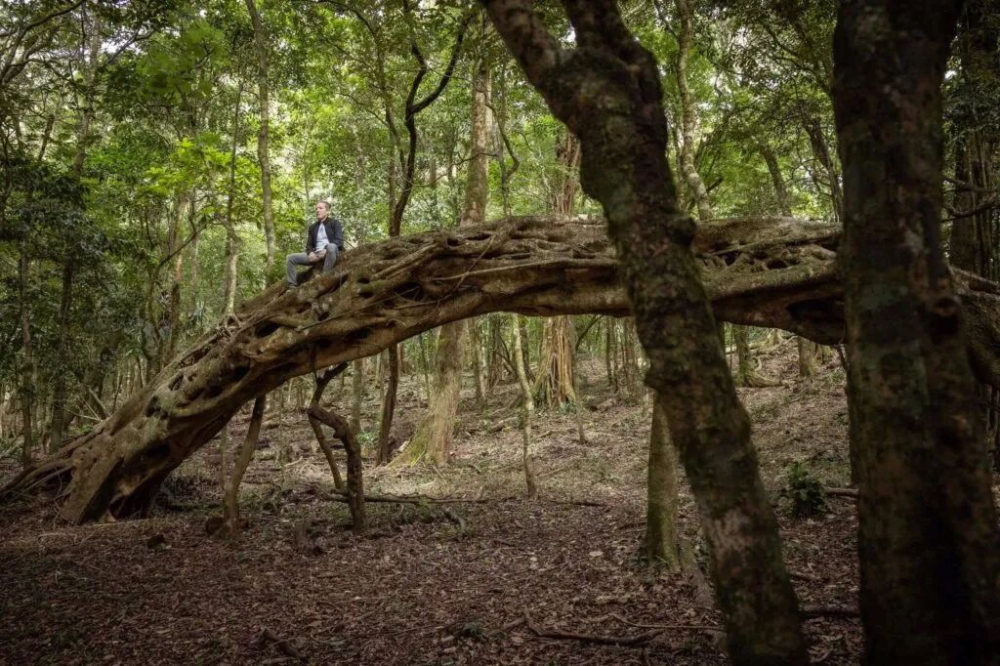
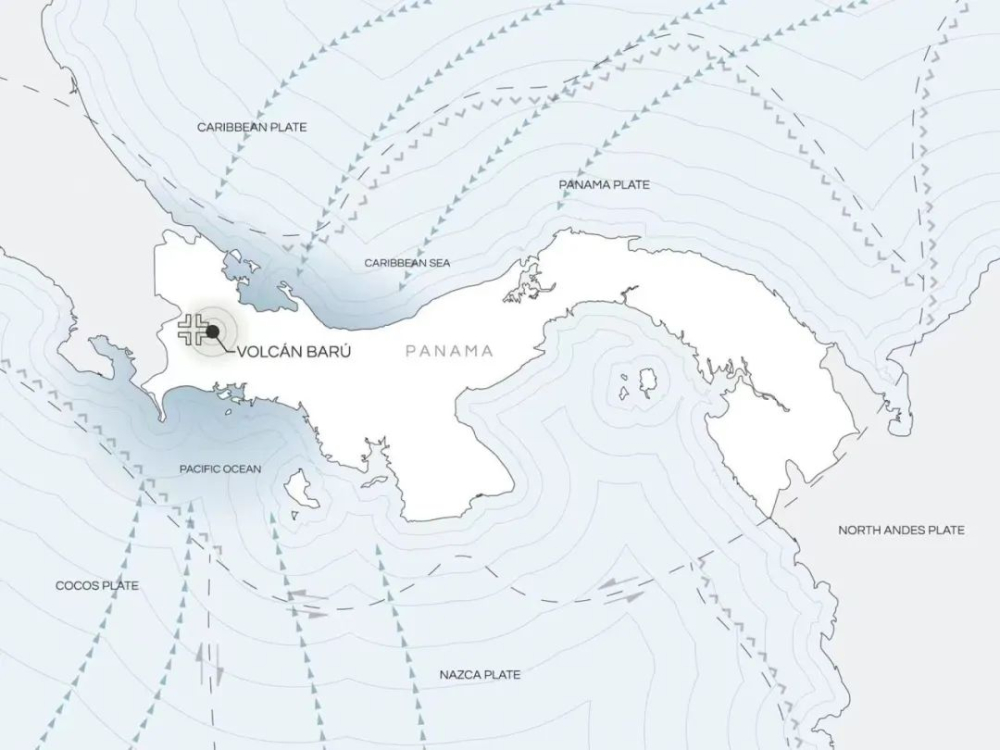
In 2019, Ninety Plus also acquired land near Baru Volcano, naming it the 90+ Baru Estates. Volcanic soil is rich in the substances coffee needs to thrive, so FrontStreet Coffee genuinely looks forward to what those beans will taste like.
FrontStreet Coffee (FrontStreet Coffee)
No. 10, Bao'an Qianjie, Yandun Road, Dongshankou, Yuexiu District, Guangzhou, Guangdong Province

FrontStreet Coffee Recommendation
Stories like this one are really the story of Geisha - a variety born in Ethiopia's forests and crowned in Panama. To taste the crown itself, FrontStreet Coffee offers the Esmeralda Red Label (Esmeralda Special), grown at 1,600-1,800 meters with every lot cupping above 90 points and sourced from a single plot such as the Harimiu block, and the Esmeralda Green Label (Private Collection), a blend of high-altitude lots delivering Esmeralda's signature Geisha character at a gentler price: jasmine florals, citrus and bergamot, a black-tea finish, and a long, clean sweetness.
For a first, affordable taste of classic Panamanian Geisha, FrontStreet Coffee's Boquete Geisha is the entry pick - orange-blossom honeyed sweetness, oolong-tea texture, delicate fruit acidity, and distinct layers. And to drink Geisha at its birthplace, the Gesha Village Gold Label (Geisha 1931, natural process, just 10% of the estate's output) and Red Label (Gori Gesha, single-terroir, 88+ points on the SCA scale) bring Ethiopia's original forest character into the glass.
Important Notice :
FrontStreet Coffee is a long-established specialty coffee roaster in Guangzhou China, selling freshly roasted beans from its own farm in Yunnan as well as dozens of carefully selected single-origin beans from around the world for both pour-over and espresso. The products deliver consistently excellent quality and great value, with shipping within 24 hours. Guangzhou's FrontStreet Coffee shop is recommended by many coffee lovers, and the beans are now available online at the Tmall 。
FrontStreet Coffee has moved to a new address:
FrontStreet Coffee Address: 315,Donghua East Road,GuangZhou
Tel:020 38364473
 Scan and follow the En Gafei WeChat official account. Please indicate that the reprint comes from "En Gafei".

