
It's So Cold Outside, Why Don't You Make My Latte Hotter?

In winter, no coffee is more popular than a hot latte — unless it's a flat white. Either way, we are talking about milk coffee. Sales of milk drinks climb steadily at every café, and with them come a few small requests. Usually it sounds like this: "Boss! It goes cold way too fast — could you make the milk a little hotter?"
The Ideal Temperature for Milk Coffee
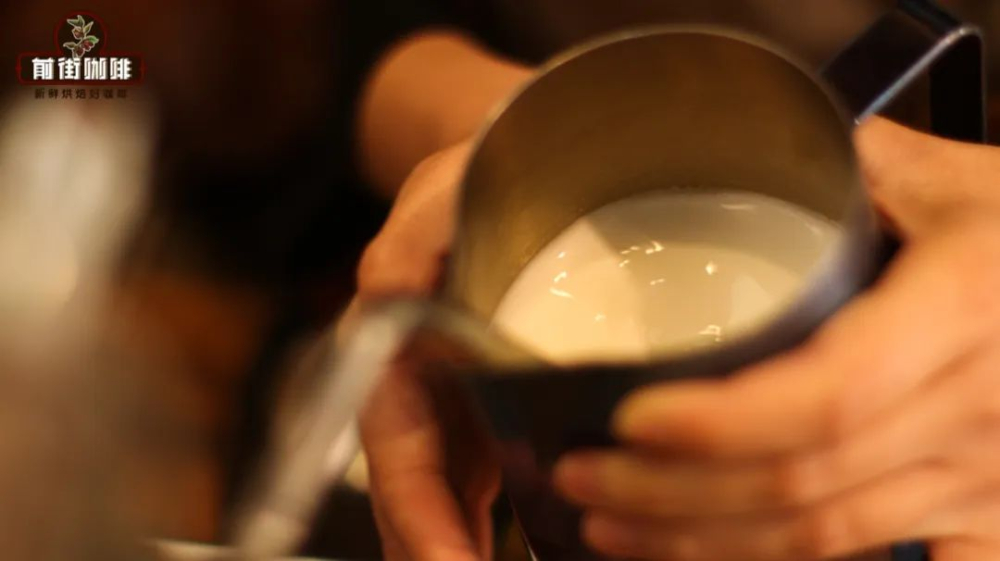
Whether it is a traditional latte or a trendy flat white, most cafés work to a recognized milk-steaming range of 55°C to 65°C — a moderate, drinkable temperature. For beginners, instructors often set the bar higher, asking students to hold the milk at 65±3°C. The reason for that strictness is that milk tastes sweetest in this window. It makes the coffee's overall texture richer, helps latte art hold longer, and lets the milk and coffee marry better, producing a fine, delicate foam. Generally, the temperature of a milk coffee stays below 68°C.
What Happens When It Gets Too Hot
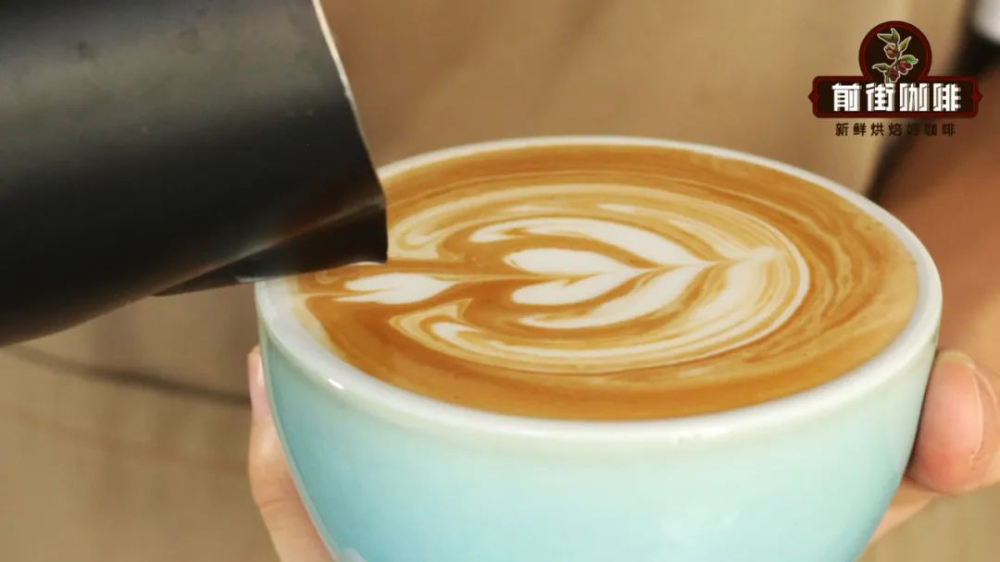
Steam milk above 70°C, though, and you will notice the foam no longer pours into attractive latte art. On the palate, beyond scalding, the drink has little sweetness. You can also feel clearly that the foam and the coffee sit apart rather than blending, leaving a rough texture and a foam that collapses much faster. The whole experience is unpleasant — which is why FrontStreet Coffee generally tells customers that the milk can be served a touch hotter, but never scalding.
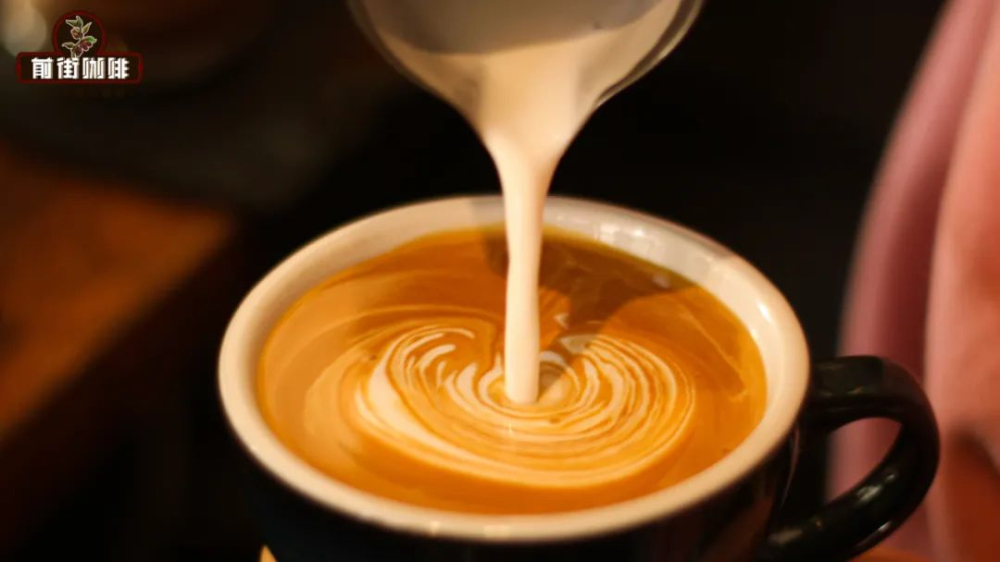
(This photo has nothing to do with 70°C milk; it is just some less-than-perfect latte art from a friend of FrontStreet Coffee.) Why does the experience get worse as milk temperature rises? The main reason is protein denaturation. Milk foam is essentially milk proteins plus injected air. As we steam milk, the rising temperature gradually unfolds the two characteristics the proteins had been carrying, turning them into a form with one end hydrophobic and one end hydrophilic. The steam injected during frothing carries more moisture, so the hydrophobic end wraps around the injected air to avoid that moisture and forms a bubble, while the outside of the bubble is surrounded by a barrier formed by the hydrophilic end. That is how milk foam comes together.
Why Foam Breaks Down
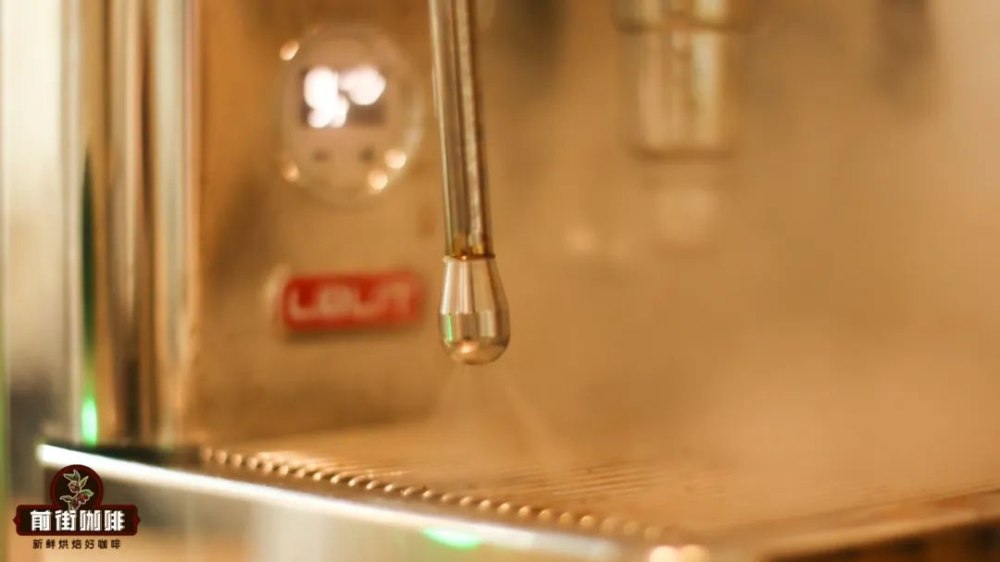
Foam, however, is not invincible; it has weaknesses. When milk passes 70°C, proteins begin to denature or break down rapidly, which directly causes the bubbles wrapped by proteins to burst and collapse. Once this layer of foam is combined with coffee, the temperature difference creates a straight "foam-versus-coffee" separation and a very rough texture.

(Milk foam frothed to 71°C dissipates extremely quickly.) As for sweetness, as FrontStreet Coffee mentioned, it is affected by temperature. The sweetness in milk comes from its lactose. Unlike fructose, lactose is not dramatically sweet — if sucrose is scored at 1.0, lactose sits at only 0.16. Low as that sounds, it is interesting that we perceive lactose sweetness differently depending on the milk's temperature.
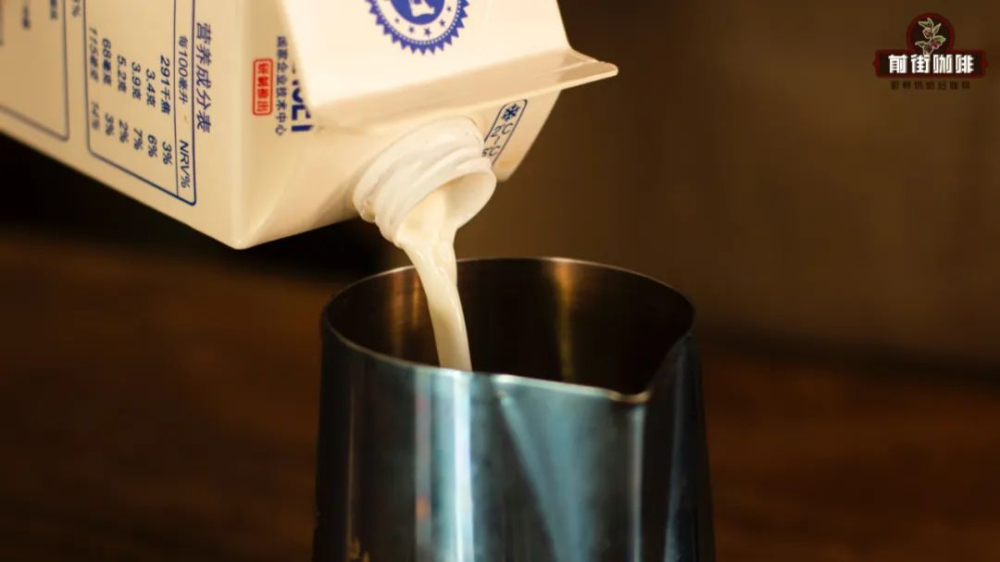
Temperature and Perceived Sweetness
Just like coffee, when a cup carries acidic notes we detect only mild acidity while it's hot, and perception of that acidity grows as it cools. Lactose sweetness is at its most apparent between 60°C and 70°C. FrontStreet Coffee ran a dedicated experiment on how sweet milk tastes at different temperatures, and the results confirmed it: milk in this range reads as sweeter than very hot milk at other temperatures. Once milk climbs past 70°C, our perception of its lactose sweetness drops sharply, which is why it no longer tastes sweet.
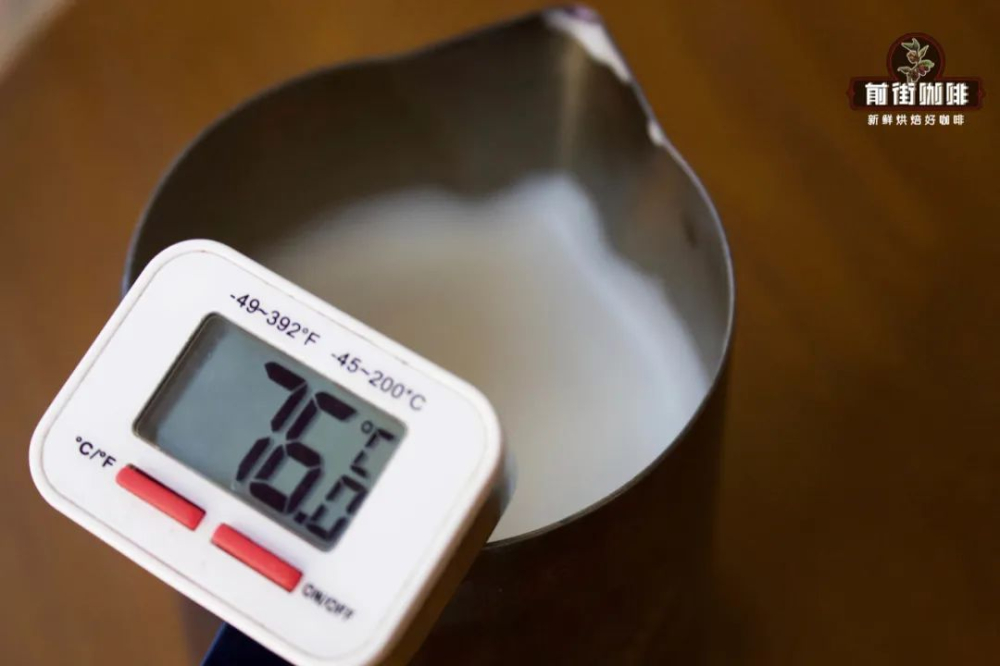
An Irreversible Change — and Why Standards Are Strict
Froth milk above 70°C and these effects become irreversible. Even if you wait for the temperature to fall back into the normal range, the coffee will not taste as good as one made properly from the start, because the proteins inside have already been damaged beyond repair. Cooled down or not, it still tastes off. This is why beginners face such precise milk-temperature requirements — so they learn the temperature ceiling that milk should never cross, and avoid making unattractive, unpalatable milk coffee by overheating it.

Practical Tips for Holding Temperature
If you are worried the coffee will cool too quickly, you can indeed nudge the temperature up appropriately — but not by much. 68°C is already the ceiling. Beyond that, choose ceramic cups for milk coffee, since ceramic holds heat reasonably well. Leaving them on the coffee machine to warm up before use, or preheating them with hot water, will slow the cooling rate effectively.

FrontStreet Coffee Recommendation
For practicing milk texturing and latte art, FrontStreet Classic Blend is the natural starting point. Built from three origins on a medium-dark espresso recipe inspired by the old "Mamba" pairing of Mandheling and Brazil, it adds a small proportion of Robusta for extra aroma and crema. It pours with clear butter, toasted bread, and caramel-cookie aromas, a firm body, and fine, stable crema — forgiving enough for a beginner on a home machine.
If you prefer a nuttier, deeply aromatic milk coffee, FrontStreet Specialty Blend is the counterpart to try. Its classic combination of washed Colombian and semi-washed Brazilian beans delivers nut, dark chocolate, and caramel notes. Whether you make an Americano, a latte, or a flat white, it brings forward cream, almond, and cocoa, with crema that stands up to café output and plenty of margin for practicing latte art.
Important Notice :
FrontStreet Coffee is a long-established specialty coffee roaster in Guangzhou China, selling freshly roasted beans from its own farm in Yunnan as well as dozens of carefully selected single-origin beans from around the world for both pour-over and espresso. The products deliver consistently excellent quality and great value, with shipping within 24 hours. Guangzhou's FrontStreet Coffee shop is recommended by many coffee lovers, and the beans are now available online at the Tmall 。
FrontStreet Coffee has moved to a new address:
FrontStreet Coffee Address: 315,Donghua East Road,GuangZhou
Tel:020 38364473
 Scan and follow the En Gafei WeChat official account. Please indicate that the reprint comes from "En Gafei".

![Does 90+ [Ninety Plus] Really Only Produce Coffee Beans Scoring 90 Points or Above?](https://en.gafei.com/uploadfile/thumb/2ccc3ed7fd2601e8f77299ddbf89cbcb/200x140_auto.jpg)