
The AeroPress: A Coffee Brewing Device That Celebrates Creative Freedom!

Life needs freshness, and so does coffee. The same daily pour-over routine — same pours, same circles — can eventually bring on a kind of brewing fatigue. When that happens, why not try something more versatile: the AeroPress.
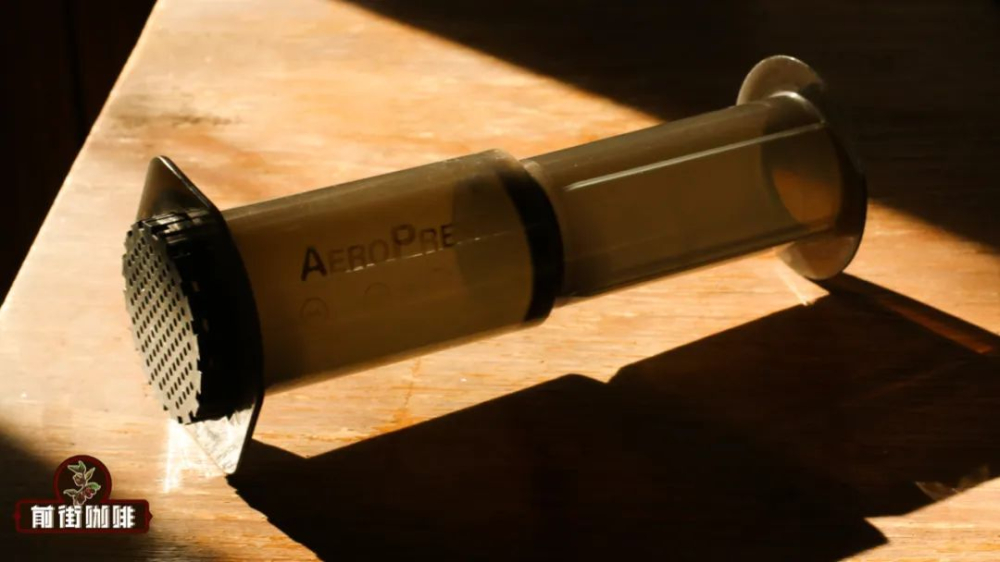
It was originally designed as a device for making coffee quickly and conveniently. Then, after a competition born of pure curiosity, it transformed from a coffee tool into a "coffee toy" — and the question people asked shifted from "how should I brew with it?" to "what can I brew with it!" Its inventor, too, is a man of playful spirit. So before learning how to use the AeroPress, let's hear where it came from.
The Birth of the AeroPress
The AeroPress launched in 2005, invented by a gentleman nearing seventy: Alan Adler.

His pre-retirement life was full of legendary achievements — electronics engineer, lecturer at Stanford University, founder of the Aerobie toy brand, with countless inventions and patents to his name. It was this legendary figure who, dissatisfied with the coffee brewing methods available after he retired, invented the AeroPress out of sheer frustration.
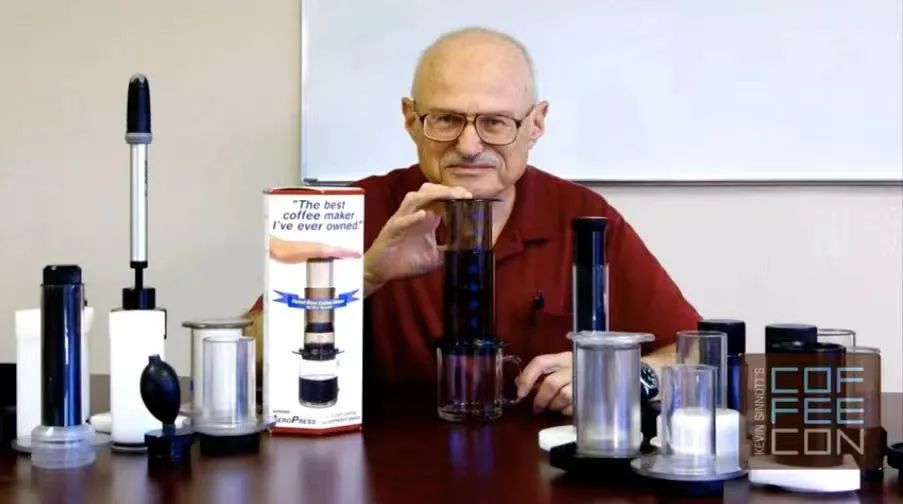
Like many office workers, he picked up a coffee habit during his working years that carried into retirement. Even at home he experimented with making coffee, trying one extraction device after another — capsule machines, automatic drip machines, even the Chemex. They were all either complicated to operate or time-consuming, and Alan Adler was having none of it. With his strong hands-on instincts, he resolved to build his own device: "I want to make something that extracts coffee quickly and conveniently." From 1993 to 2005 he spent a full twelve years and more than forty experimental versions before the device he envisioned finally arrived: the AeroPress — plunger, chamber, and filter cap, described by most people as syringe-shaped once assembled.
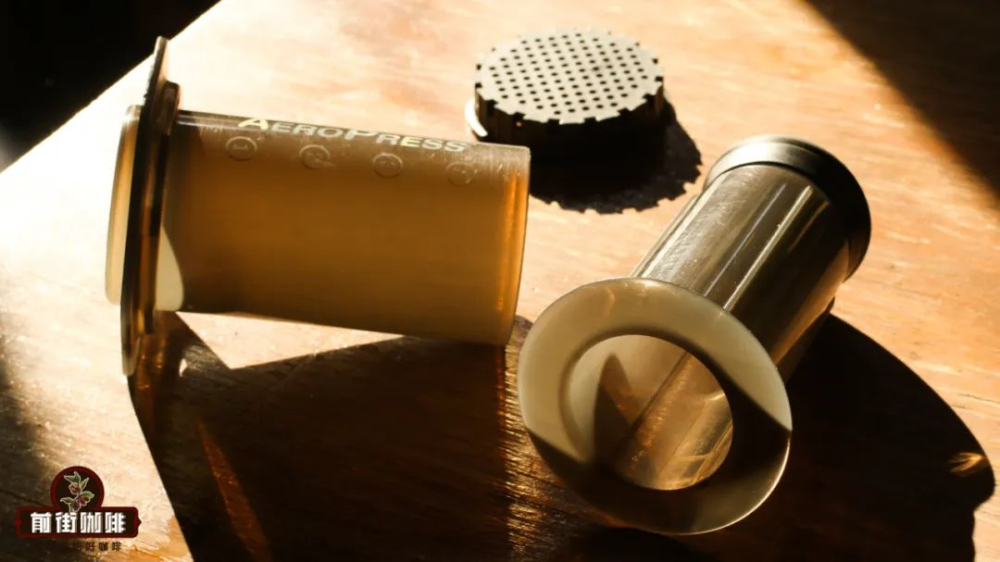
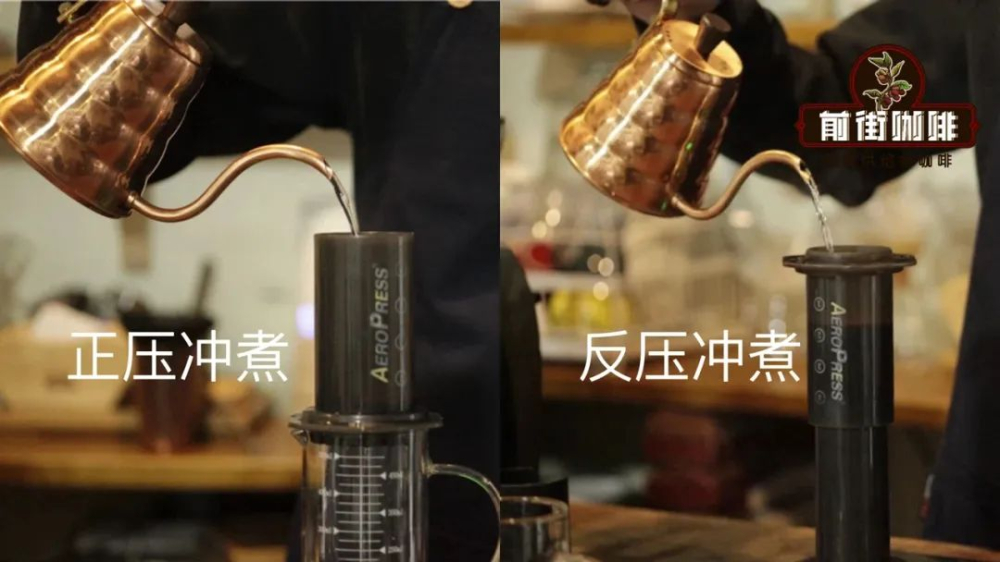
The AeroPress extracts through both immersion and pressure, with two main styles of use: standard and inverted. The standard (official) method sets the chamber, filter cap attached, on your vessel, adds grounds and an equal amount of hot water, stirs, then inserts the plunger and presses. The inverted method assembles the plunger first without the filter cap, adds grounds and an equal amount of hot water, stirs, then attaches the filter cap, secures the whole thing to the vessel, flips it over, and presses.
Because the AeroPress imposes so few restrictions — water temperature, time, dose, grind size, ratio, stirring frequency and method are all yours to adjust — every parameter change reshapes the cup. Imagine iterating through them one by one: how many extraction recipes could that produce? It is exactly this quality that won the AeroPress early favor from Tim Wendelboe, the standard-bearer of Nordic light roasts. Curious who could push the AeroPress to its limits, he and a few enthusiasts gathered in a small local room in 2008 and held the first AeroPress competition — three contestants, Tim Wendelboe judging. Years later, that tiny three-person contest has grown into a world-class event.
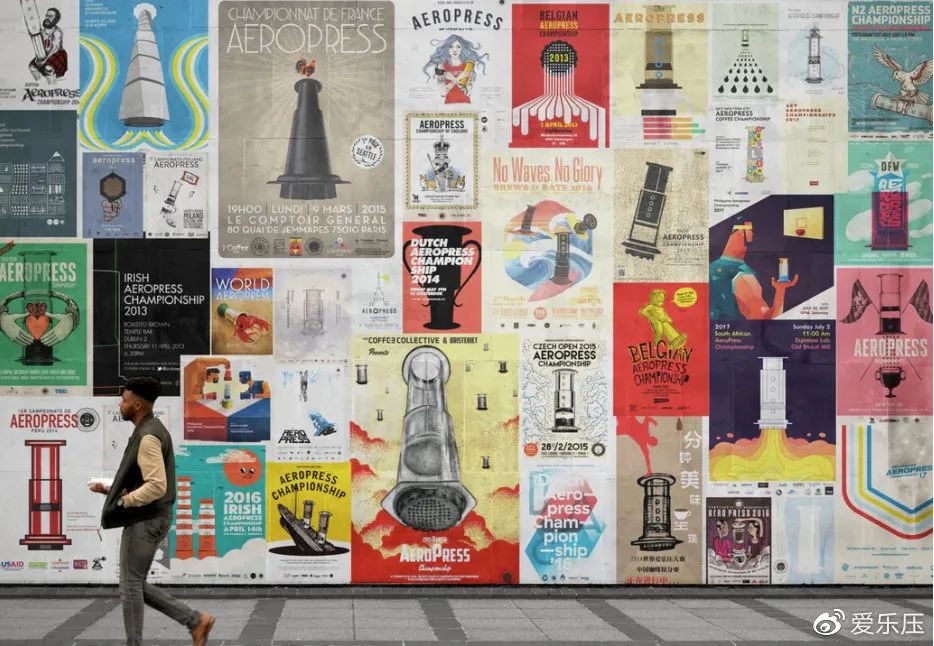
Credit belongs both to the AeroPress's openness and to the playful spirit of its fans. Now, FrontStreet Coffee shares a versatile AeroPress recipe.
Brewing Experiment
This experiment used Kenya Assalia beans, whose pour-over character is bright black plum and cherry-tomato acidity with a snow-pear sweetness. Dose: 18g. Grind: a 90% pass rate on a #20 sieve — finer than a typical pour-over grind. Ratio: 1:11 (about 200ml). Water temperature: 90°C. Method: inverted.
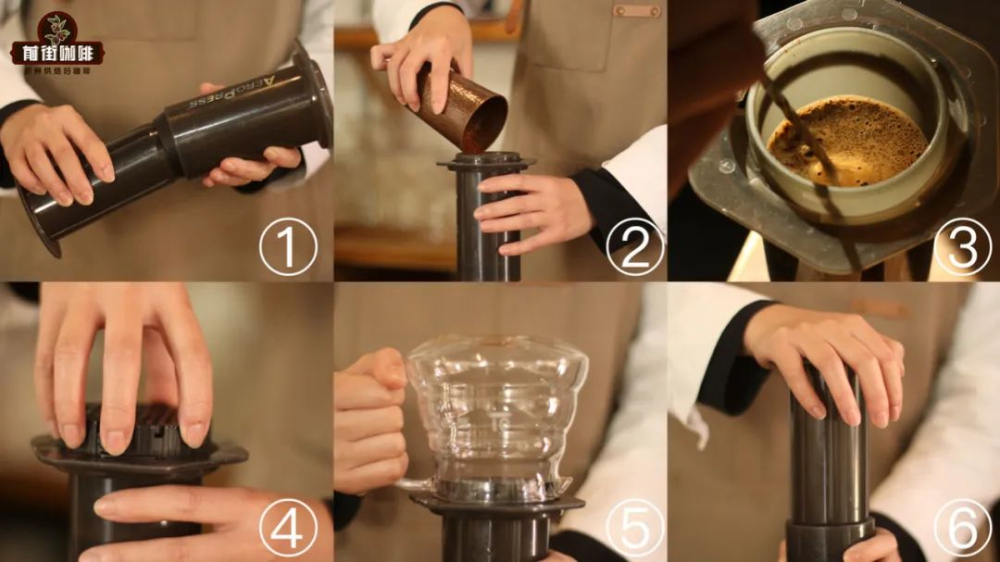
First, seat two paper filters on the filter cap and wet them so they adhere properly. (No round papers? Cut them from a regular filter sheet.)
1. Assemble the plunger and chamber, push the plunger to about the 4 mark, then flip the whole thing over.
2. Add the grounds, pour in an equal amount of hot water, and start the timer.
3. Stir the grounds with the paddle for ten seconds, slowly, in circles.
4. Attach the filter cap with its well-adhered papers to the chamber.
5. Secure it to the prepared vessel.
6. At one minute, flip it over and press down to "press out" the coffee.
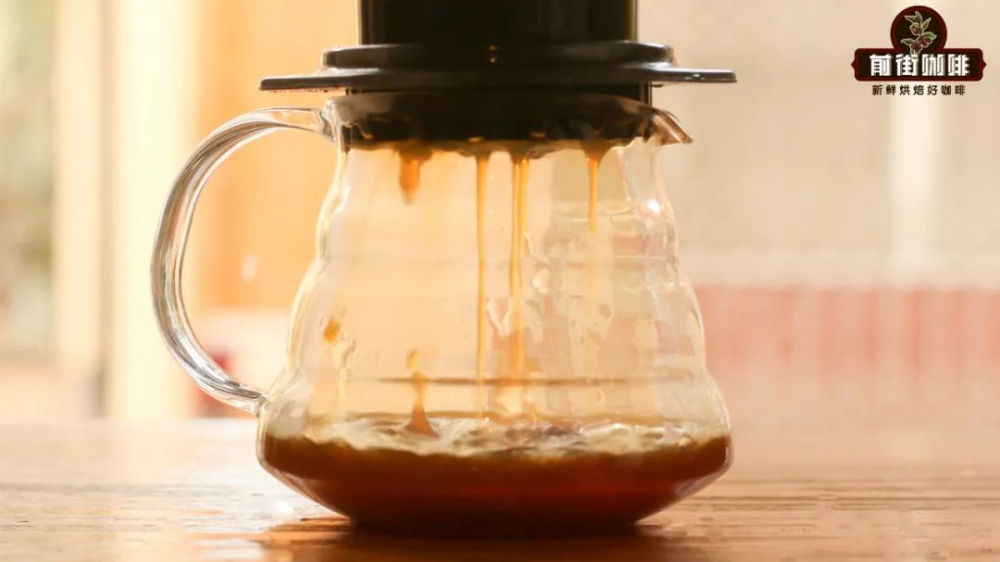
Extraction takes about 1 minute 20 seconds total. The inverted method is more stable than the standard one and much friendlier for beginners. The Kenya brewed this way is sweet-tart with a wonderfully full juiciness — excellent.
- END -

FrontStreet Coffee Recommendation
The AeroPress shines with vibrant, juicy beans. FrontStreet Coffee's Kenya AA — washed and light roasted — delivers the same dark-plum acidity, berry juiciness, and clean sugared finish that made the Assalia such a good match for pressure-plus-immersion extraction, and it stands up beautifully to the finer grind and concentrated ratio this method demands.
If you prefer a gentler cup from your AeroPress, the washed Yirgacheffe Worka at 90°C gives white florals, citrus, and a tea-like finish — proof of just how many directions one little "coffee toy" can take you.
Important Notice :
FrontStreet Coffee is a long-established specialty coffee roaster in Guangzhou China, selling freshly roasted beans from its own farm in Yunnan as well as dozens of carefully selected single-origin beans from around the world for both pour-over and espresso. The products deliver consistently excellent quality and great value, with shipping within 24 hours. Guangzhou's FrontStreet Coffee shop is recommended by many coffee lovers, and the beans are now available online at the Tmall 。
FrontStreet Coffee has moved to a new address:
FrontStreet Coffee Address: 315,Donghua East Road,GuangZhou
Tel:020 38364473
 Scan and follow the En Gafei WeChat official account. Please indicate that the reprint comes from "En Gafei".

