
Ristretto as the Base for Flat White: How Is It Made?

The Flat White is an exquisite small-cup milk coffee that has won over coffee lovers with its rich, sweet character. What sets it apart from lattes and cappuccinos — besides its thin, delicate milk foam — is that its deliciousness is inseparable from the base: the Ristretto.
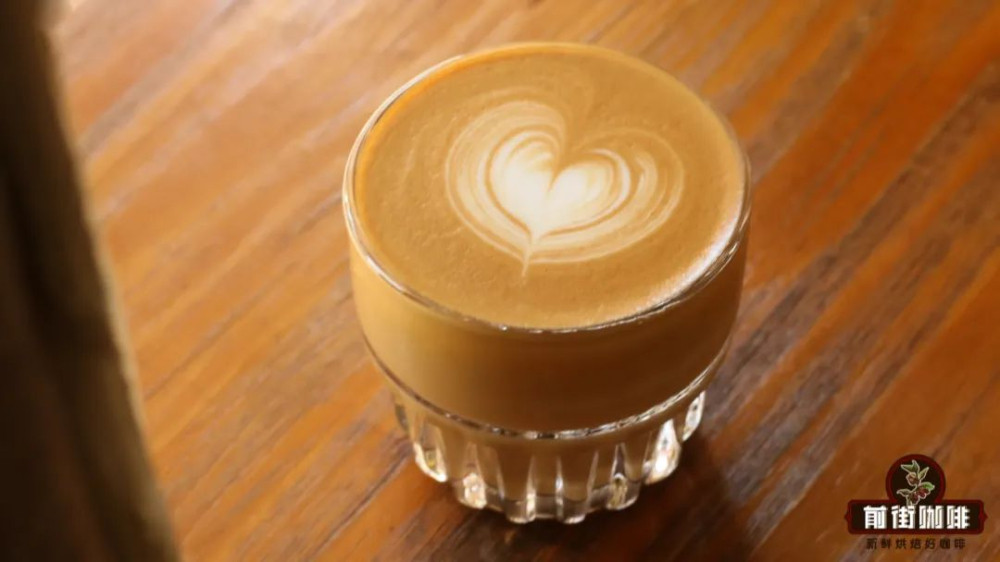
With so many conflicting Ristretto recipes circulating online, beginners are often left confused about what the extraction actually means. So today, FrontStreet Coffee takes on the Ristretto — what it is, and how to make it.
What Is Ristretto?
"Ristretto," taken at face value, doesn't tell you much about the coffee. But look at its aliases — "strong coffee" and "refined espresso" — and things suddenly click.
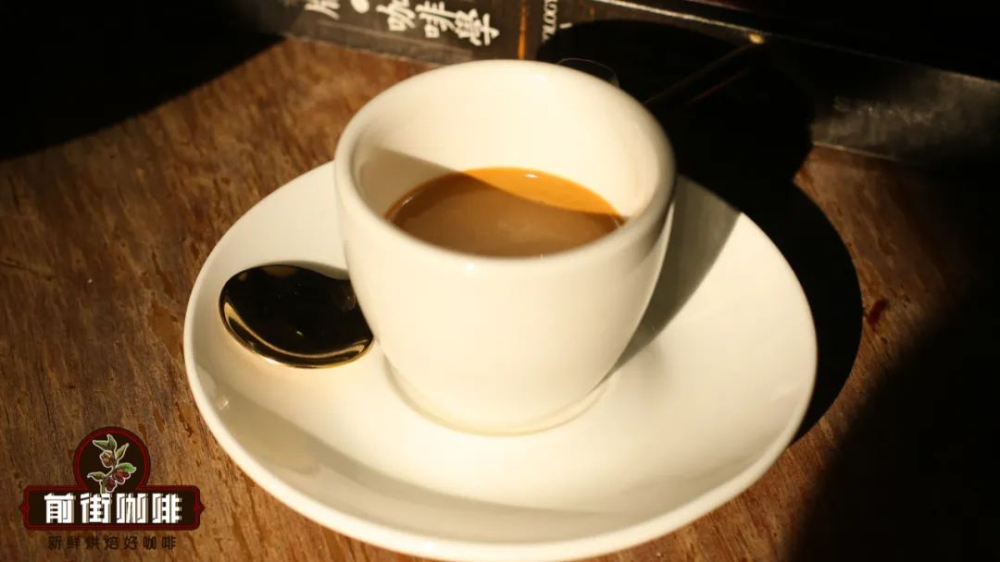
Yes — all of these terms refer to espresso. However, "this espresso is not that espresso." Ristretto is genuinely niche: although it belongs to the espresso-machine family like any Espresso, it is so niche that among the dozens of espresso-based drinks, only the Flat White uses it as a base. Nearly every other espresso drink builds on a standard Espresso. The reason: Ristretto isn't an independent preparation — it's an extraction model derived later from the Espresso method.
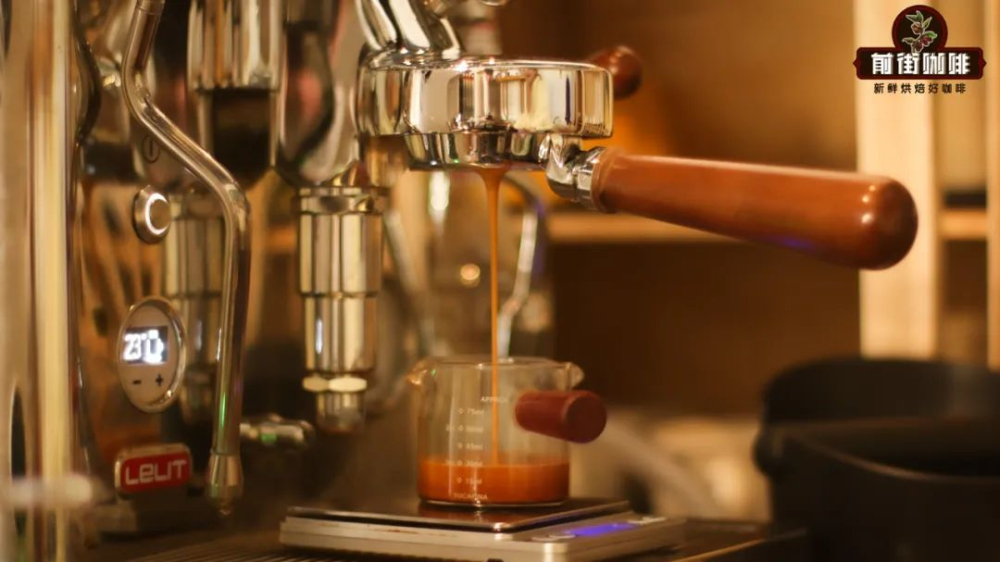
Ristretto also carries the meaning of "restriction." Put it together: since it's derived from Espresso plus "restriction," think of it as extracting an Espresso under certain constraints. The constraint isn't a single parameter — it's a limit on the substances extracted. And in espresso extraction, the two critical elements are grounds and liquid; the lever that limits what's extracted is inevitably the "liquid." So let's see how the liquid gets restricted.
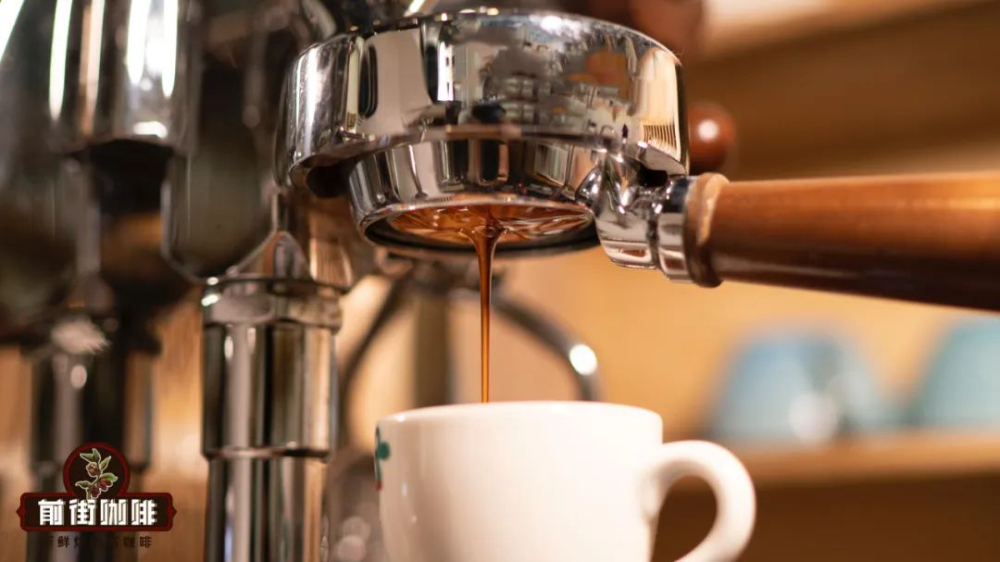
How to Make Ristretto
There are two main methods. The first: simply cut the Espresso's liquid yield short, skipping the late-stage extraction. FrontStreet Coffee's Espresso recipe, for example, uses 20g of coffee and extracts 40ml of liquid in 30 seconds. To make a Ristretto this way, you abandon the tail and take only the front and middle stages — 70% of the 40ml, which is 28ml.
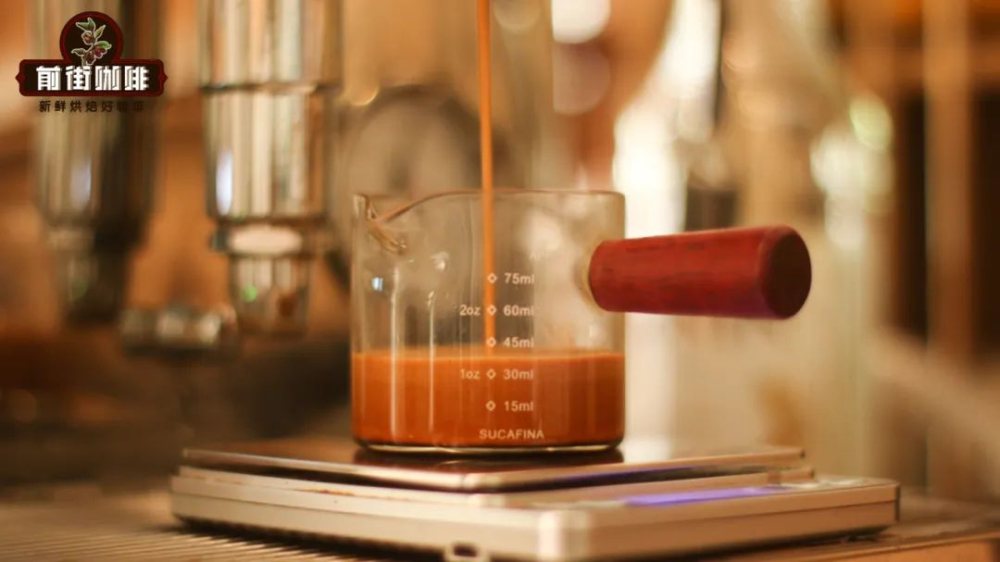
The beauty of this method is that it "cuts off" the point where bitter substances release in bulk in the late stage, lowering the share of bitterness and raising the share of sweetness and acidity — the coffee shows more sweetness. Similar concepts exist: some cafés take only two-thirds of the total shot; others extract at a 1:1 coffee-to-liquid ratio. Don't cling rigidly to any one number — understand the principle, and any version is "correct."
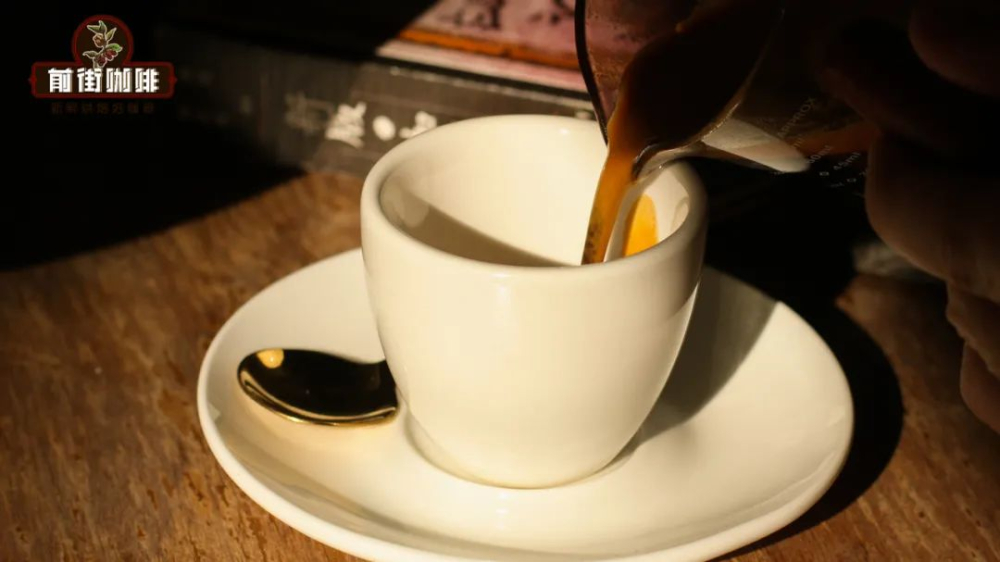
The second method: control the flow rate of the coffee liquid. Grind finer to slow the flow, obtaining a more concentrated espresso. Using the same recipe as an analogy: 20g of coffee, 40ml in 30 seconds. For Ristretto, grind finer, then still run 20g for 30 seconds — but extract only 70% of the original yield, 28ml.
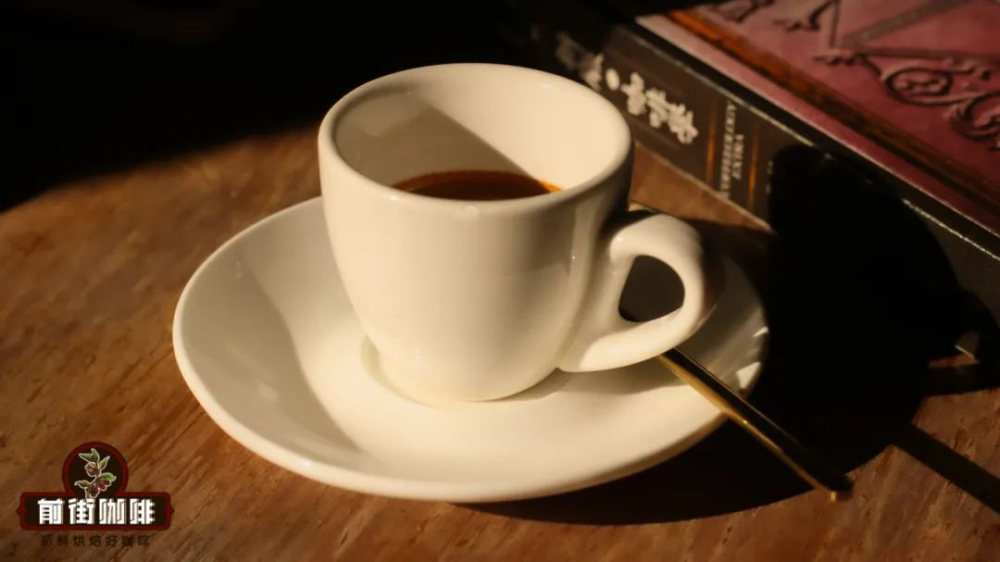
This approach builds a genuinely higher-concentration espresso. Compared with the first method, it's easier to tell Ristretto and Espresso apart, since it's an entirely new extraction scheme; the texture is thicker and the flavors fuller. In practical terms, though, the first method wins.

Why? As noted, most espresso drinks use a standard Espresso base while Ristretto currently only backs the Flat White. If a café adopts the second method, it needs a second grinder (or constant re-dialing) so regular espressos and Flat Whites can be served side by side — a real cost increase, and nobody can practically flip one grinder between coarse and fine all day (unless it's just for yourself). So rather than adopting the "professional" second method, shops overwhelmingly use the first: convenient, delicious, and less wasteful.
- END -
FrontStreet Coffee

FrontStreet Coffee Recommendation
Every café has its own "secret Flat White formula," but the essentials never change: less milk, thinner foam, stronger coffee. Since the milk only supports the espresso, choose a bean with a memorable flavor. Three picks for your home Flat White.
FrontStreet Classic Blend — For home brewing, choose this butter-and-cheese flavored blend: full-bodied and low in acidity, with dense, abundant crema that delivers an outstandingly rich mouthfeel when paired with milk.
FrontStreet Strawberry Candy Espresso Blend — For those who chase floral and fruit aromas: extremely low in bitterness, with full grape and blueberry flavors straight from the extraction and a balanced sweet-tart profile. Paired with fresh milk it makes a Flat White reminiscent of a strawberry milkshake — a cup you won't forget.
FrontStreet Premium Blend — The bean FrontStreet uses for its own Flat Whites: extract only the front and middle of the shot as the Ristretto base (20g of coffee yielding 32g of liquid in 22–25 seconds), then texture 160ml of fresh milk. Keep the foam thin — around 0.3cm, with only 1–2 seconds of air stretching before you bury the wand and whirl the milk to 50–55°C — so the first sip hits the crema instead of foam. The result: creamed hazelnut and white chocolate aromas, silky and rich, with no heaviness even after the last sip.
Important Notice :
FrontStreet Coffee is a long-established specialty coffee roaster in Guangzhou China, selling freshly roasted beans from its own farm in Yunnan as well as dozens of carefully selected single-origin beans from around the world for both pour-over and espresso. The products deliver consistently excellent quality and great value, with shipping within 24 hours. Guangzhou's FrontStreet Coffee shop is recommended by many coffee lovers, and the beans are now available online at the Tmall 。
FrontStreet Coffee has moved to a new address:
FrontStreet Coffee Address: 315,Donghua East Road,GuangZhou
Tel:020 38364473
 Scan and follow the En Gafei WeChat official account. Please indicate that the reprint comes from "En Gafei".

