
Papua New Guinea Coffee Regions, Coffee Grading, and Bird of Paradise Coffee Introduction
Papua New Guinea: A Coffee Paradise in the South Pacific
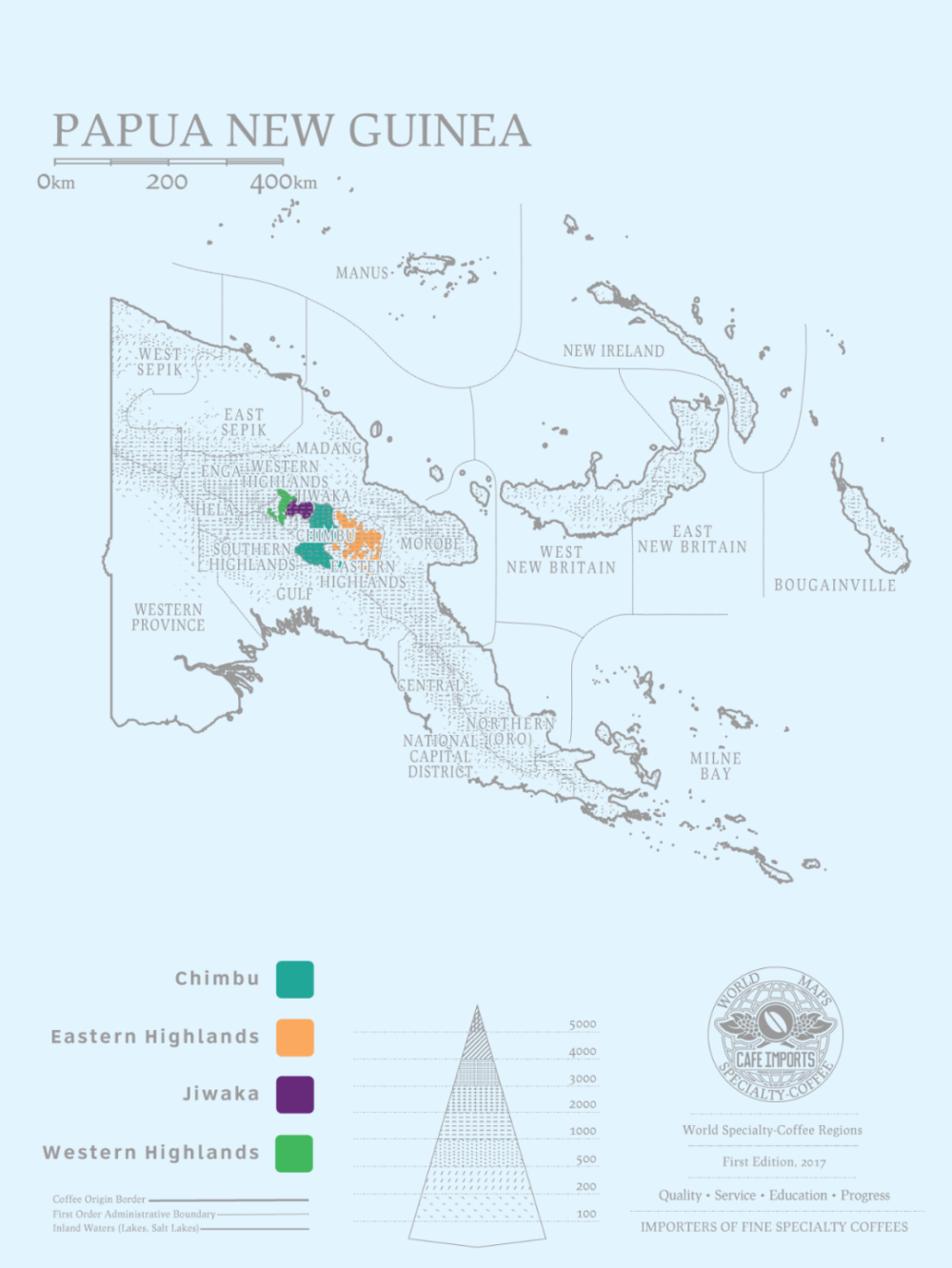
Papua New Guinea is the largest island nation in the South Pacific and the world's second-largest island. The Independent State of Papua New Guinea (PNG) shares its western border with Indonesia, which administers that region, while the eastern half forms Papua New Guinea itself. The country has a typical island climate, hot and humid year-round, which has given rise to a rich diversity of flora and fauna. Its geography also produces highland climates with abundant rainforest and volcanic soil, adding distinctive character to local coffee. Overall elevations range from 1,200 to 2,500 meters, making it an ideal region for coffee cultivation.
Historical Development
Beginning in the 19th century, under the influence of the Maritime Silk Road, the British and Germans colonized Papua New Guinea and established it as a coffee export region, selling to the Australian market and pioneering coffee cultivation there. By the 1920s, colonial fleets had introduced the Typica coffee variety from Jamaica, increasing commercial coffee production. Papua New Guinea coffee, renowned as the "Little Blue Mountain," became famous worldwide.
According to FrontStreet Coffee's research, Typica is the oldest indigenous variety from Ethiopia, and nearly all current Arabica coffee varieties descend from it.
Major Coffee Production Regions
Agriculture is an important part of Papua New Guinea's economy, producing mainly coffee, cocoa, coconuts, and palm oil. Most coffee comes from five highland provinces:
- Western Highlands
- Eastern Highlands
- Chimbu
- Morobe
- East Sepik
Eastern Province
Coffee cultivation is most famous in the Arona and Purosa estates, with elevations ranging from 400 to 1,900 meters.
Western Province
The Wahig Valley near Mount Hagen is particularly renowned, with elevations between 1,000 and 1,800 meters. Blessed with fertile volcanic soil, the coffee here is outstanding in quality. The famous Sigri estate originates from this Wahig Valley.
Beyond these two major provinces, which primarily produce Typica, other regions also grow coffee, though generally of lower quality, most of it Robusta. Robusta is inferior in the cup — darker, more bitter, with less distinctive flavors — and is mainly used for instant coffee production.
Coffee Characteristics and Processing
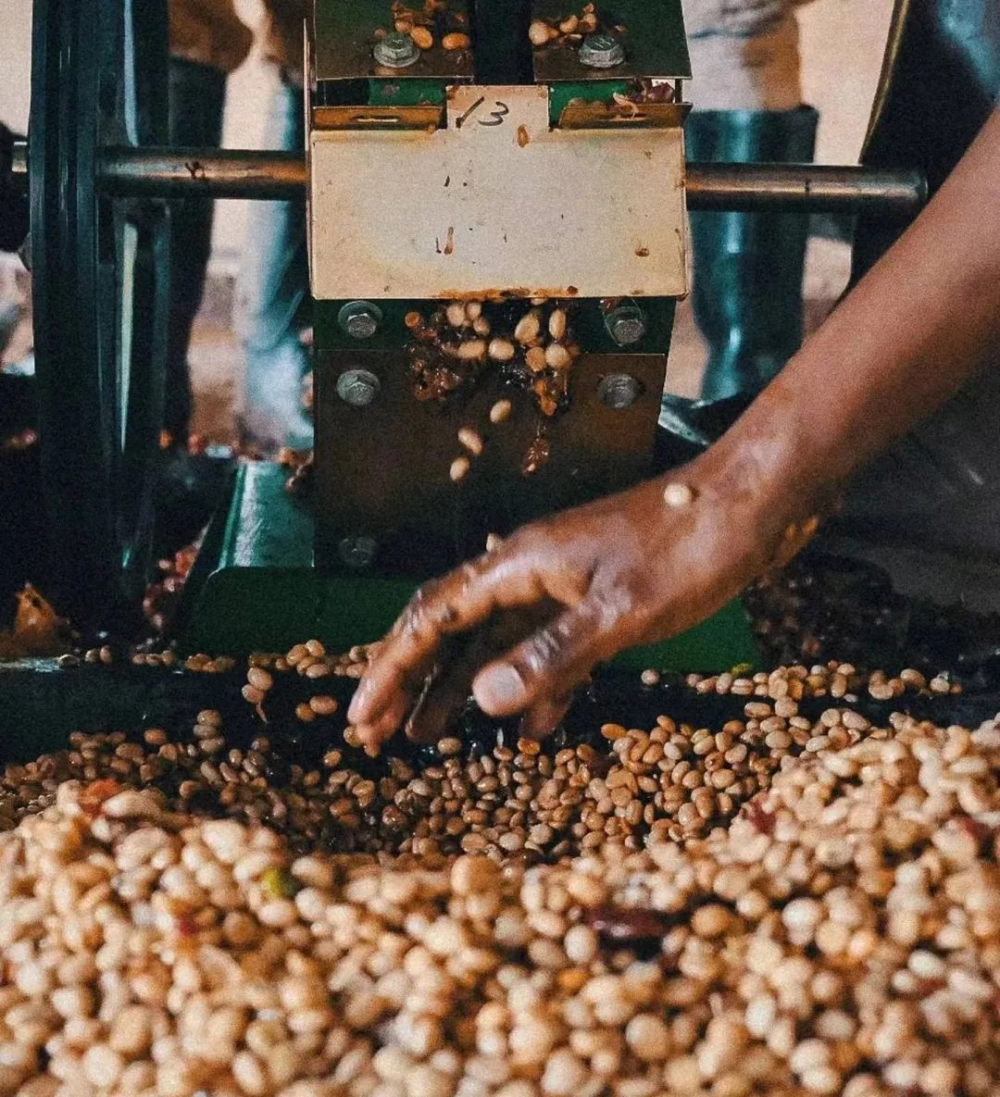
Approximately 85% of Papua New Guinea's total coffee production is cultivated through smallholder farming. Small farmers join local cooperatives and share processing facilities. Despite sharing a border with Indonesia, differences in coffee varieties, generally higher elevations than Indonesian growing regions such as Sumatra, and different processing methods all contribute to flavor differentiation. Unlike traditional Indonesian coffee with its earthy, deep flavors, specialty coffee from Papua New Guinea typically uses washed processing. Whether prepared as a single-origin pour-over or in an espresso blend, it delivers a smooth texture, balanced acidity and sweetness, and a full-bodied mouthfeel — characteristics similar to South American coffee.
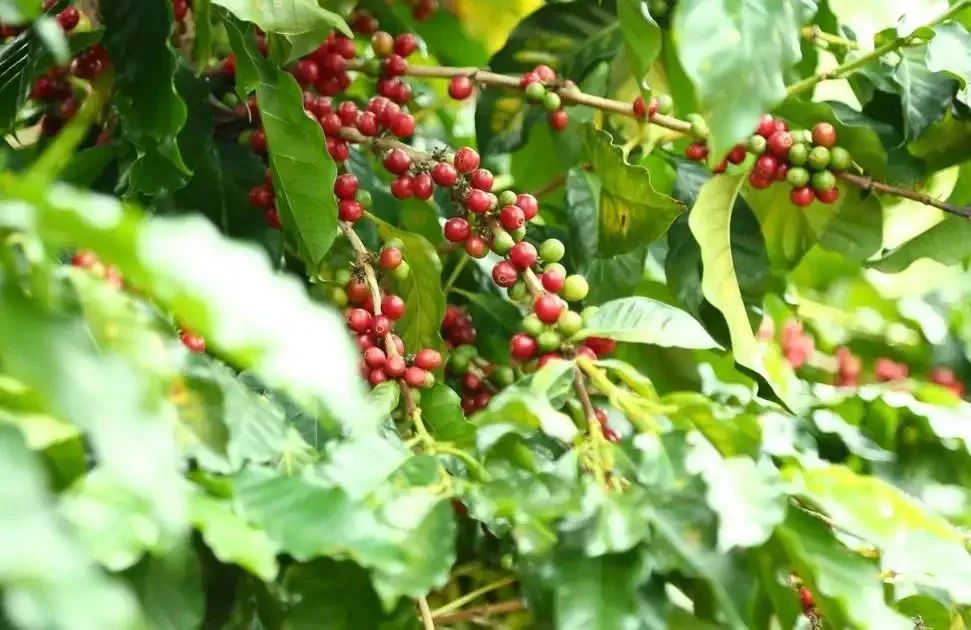
Because of the climate, the island's coffee harvest season runs from April to September each year. After harvesting ripe red coffee cherries, producers transport them to the estate's own washing stations for processing. After thorough washing, the green beans are hulled and then graded through various classification methods.
Coffee Bean Grading System
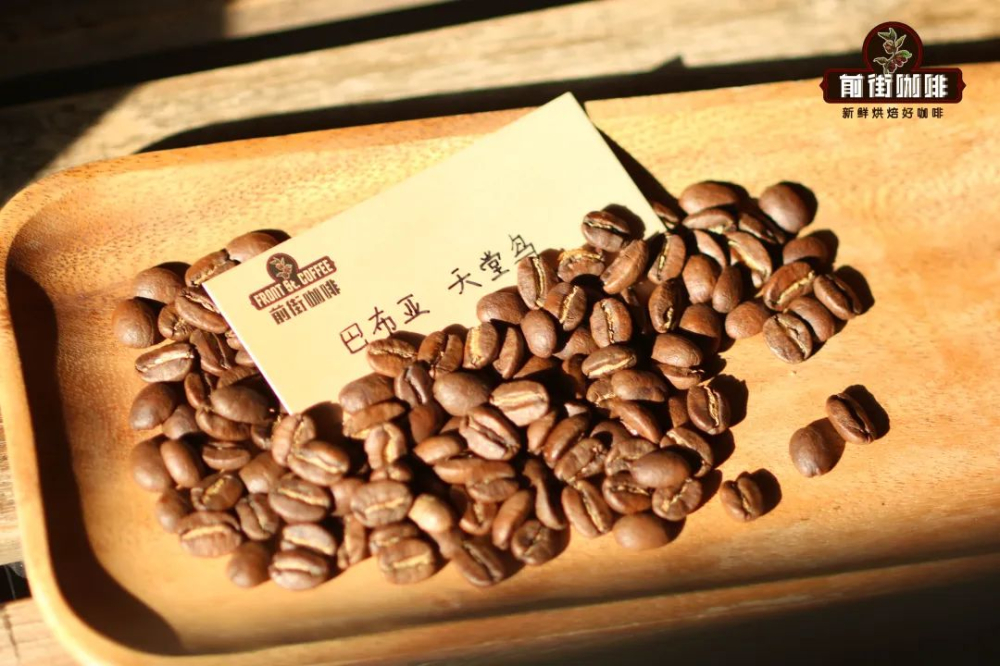
PNG's coffee grading system differs from countries such as Kenya or Colombia that simply measure bean size; it also takes in bean shape, color, cup quality, and defect assessment. Export beans are graded by quality, from highest to lowest: AA, A, X, PSC, and Y.
The first three grades are awarded to estate coffees; the latter two are for smallholder coffees, where PSC stands for Premium Smallholder Coffee.
FrontStreet Coffee Recommendation
Papua New Guinea's coffee often draws comparisons to Jamaica Blue Mountain, and for good reason — but if you want the genuine article, FrontStreet Coffee's Jamaica Blue Mountain No.1 is the place to start. Only coffee grown in specific areas of Jamaica's Blue Mountains and certified by the Jamaican government can be called "Jamaica Blue Mountain Coffee," and FrontStreet's lot comes from the historic Clifton estate, where coffee has been grown since around 1750. The estate's planting and processing areas sit at an average of 4,300 feet (1,310.64 meters), where generous altitude, gentle afternoon mist, ample sunlight, and mineral-rich soil give the trees ideal growing conditions and lengthen the ripening of the cherries.
FrontStreet Blue Mountain is medium-deep roasted to draw out its signature balance, and every lot is shipped within 5 days of roasting, so it arrives in peak condition. In the cup you'll find nuts, dark chocolate, cream caramel, and a soft sweetness unfolding in layers, with the sweet, acidic, and bitter notes in harmony — no harsh bitterness, only a moderate, rounded acidity and a lasting fruit finish.
For brewing, FrontStreet recommends a Kono dripper with a 1-person dose of 15g, letting the beans rest 4-7 days from the roast date (counting the roast date as day one) for the best flavor. Grind a little coarser than you would for a light roast — about the texture of white sugar — and brew at 87-88°C. Many bitter, scorched results come from water that is too hot, though water that is too cool leaves the coffee flat and lifeless. Use a 1:15 coffee-to-water ratio, then pour in three stages: 30g of water for a 30-second bloom, a second pour to 120g with a vertical, slow, low circle, and a third pour to 225g with a slightly faster stream and circle to keep the bed from clogging the dripper and over-extracting. FrontStreet also suggests opting for a Kono dripper, which better supports the coffee's full, rounded body.
If you want to verify authenticity before buying, look for the Jamaica government certificate and origin documentation, the traditional wooden barrels printed with batch details — Blue Mountain is traditionally shipped in 15kg, 45kg, and 70kg barrels — and green beans that are regular, plump, slightly upturned at both ends, and greenish in color. Certified sellers who can provide complete origin paperwork are generally the ones to trust.
Important Notice :
FrontStreet Coffee is a long-established specialty coffee roaster in Guangzhou China, selling freshly roasted beans from its own farm in Yunnan as well as dozens of carefully selected single-origin beans from around the world for both pour-over and espresso. The products deliver consistently excellent quality and great value, with shipping within 24 hours. Guangzhou's FrontStreet Coffee shop is recommended by many coffee lovers, and the beans are now available online at the Tmall 。
FrontStreet Coffee has moved to a new address:
FrontStreet Coffee Address: 315,Donghua East Road,GuangZhou
Tel:020 38364473
 Scan and follow the En Gafei WeChat official account. Please indicate that the reprint comes from "En Gafei".

