
Why is Pour-Over Coffee Under-Extracted Recently? What's the Right Water Temperature?
Why Does Coffee Taste Different When the Temperature Drops?
Recently, several friends who bought beans asked FrontStreet Coffee through Taobao's backend: "FrontStreet Coffee, is there something wrong with your bean quality control lately? Why doesn't the brewed coffee taste as good as before?"
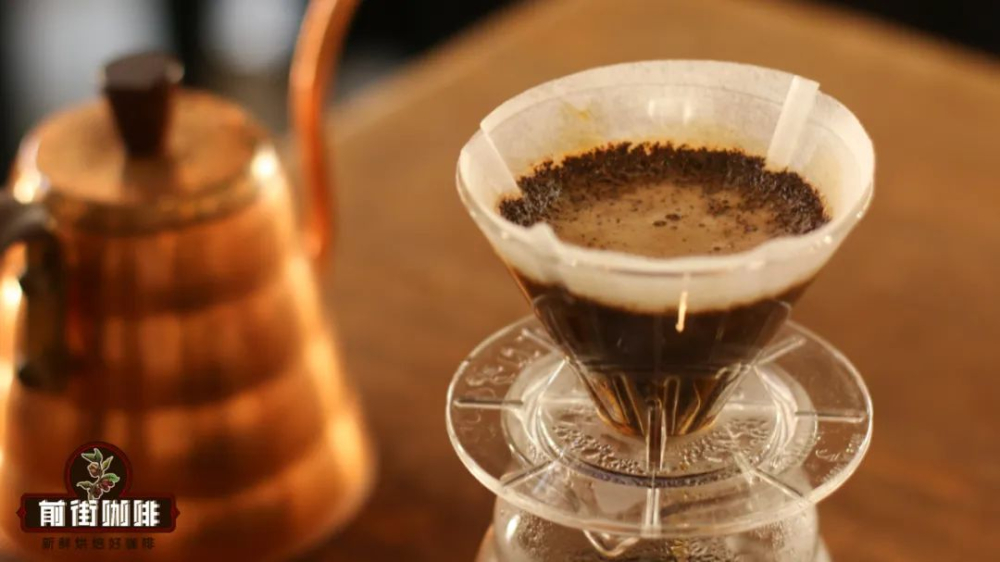
Frankly, our roaster already carries the burden of the question "Are the beans roasted too dark?" - another black mark would be too much.

In fact, this phenomenon follows the same principle as the recent frequent coffee-powder adsorption issue: "temperature drop." If you recall, FrontStreet Coffee wrote about cold-weather precautions two months ago, describing the effects cooling brings. So today let's dig into why a drop in temperature has such a big impact on coffee taste.
Increased Heat Loss Rate
Once the temperature drops, the heat loss rate rises sharply. What does the heat loss rate affect during extraction? The hot water we brew with, which does not stay insulated. At a room temperature around 20°C, 500ml of hot water loses roughly 3°C per minute. Brew a pot with a three-stage method and by the third pour the water has actually fallen to 89°C.
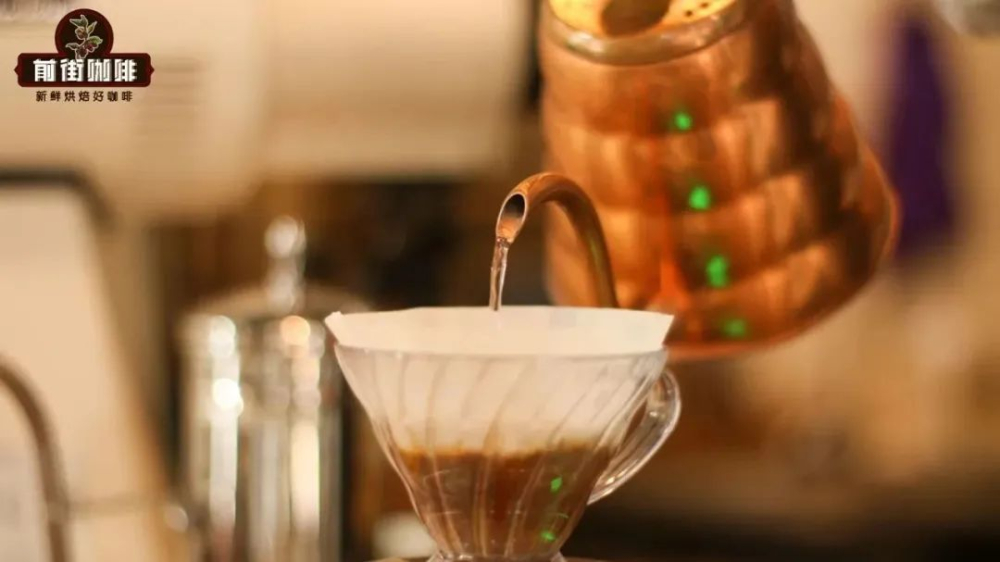
Now that room temperature has dropped below 10°C, hot water loses heat even faster: compared with before, 500ml now drops roughly 5°C per minute. So if we brew at the original water temperature, the extraction rate will naturally be lower than before. When the extraction rate falls, the flavor is less full-bodied. We can counter these cold-weather changes through a few adjustments.
Methods to Improve Cold-Weather Brewing
1. Preheat the Kettle Spout
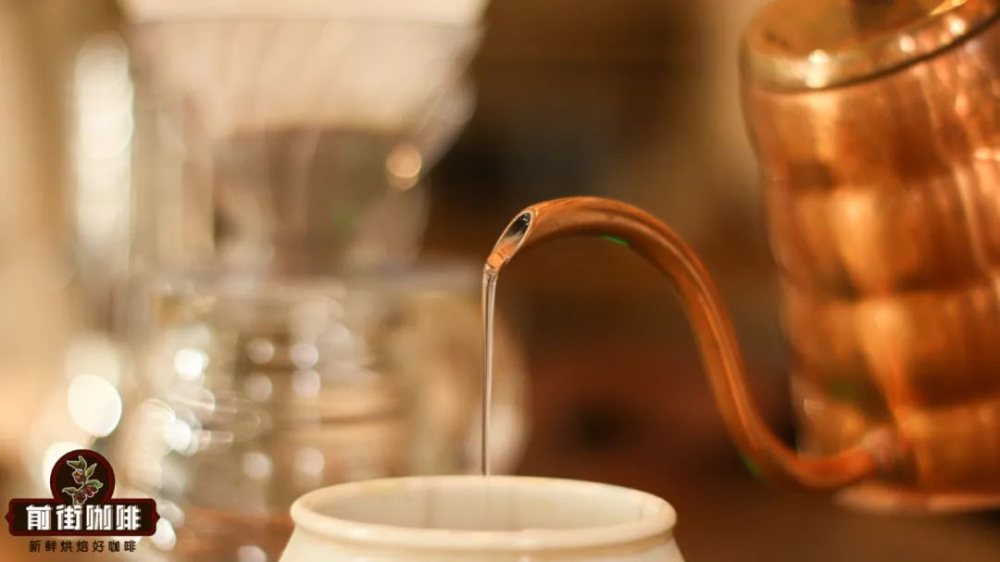
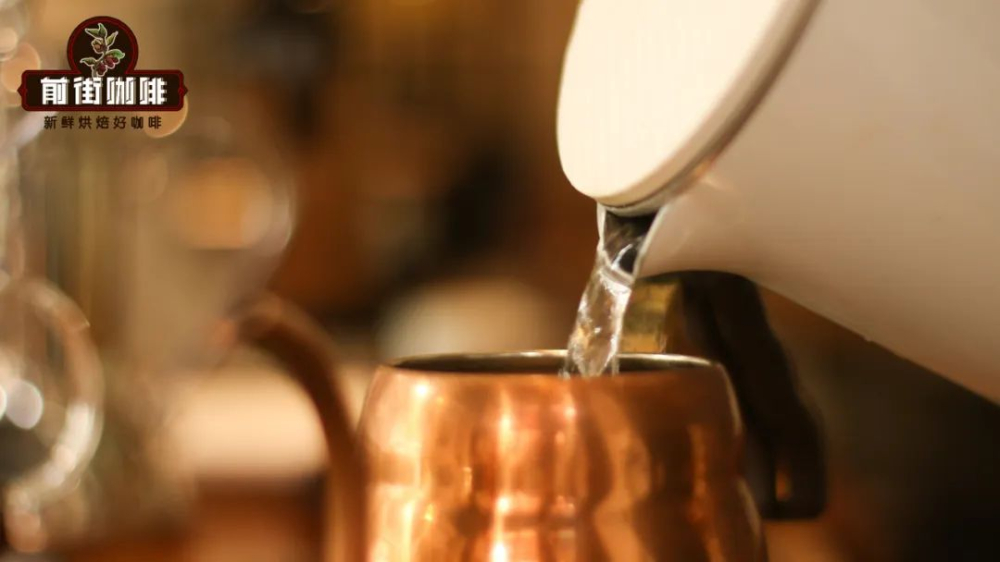
Surprised? The first suggestion is not to raise the water temperature. Before brewing, the kettle spout sits at room temperature and will not heat up just because there is hot water in the kettle. So before brewing, pour out a little hot water to preheat it, reducing its impact on the water during the bloom.
2. Increase Water Temperature
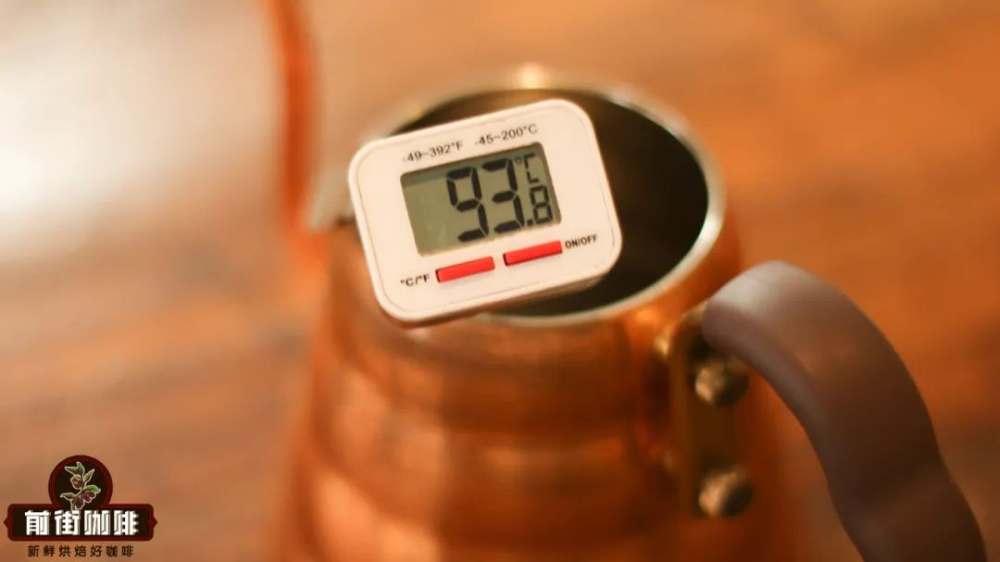
Since the cooling is so fast, we may as well raise the water temperature to correct for it. On top of the temperature used in regular brewing, increasing by 1-2°C can offset the drop and bring extraction back on track. If we originally used 92°C water, for example, we can go to 93°C when room temperature is lower.
3. Increase Water Volume
The cooling speed of hot water is also affected by volume - the more water, the slower it cools. As noted, 500ml of hot water drops about 5°C per minute at 10°C room temperature. Increase the volume to 700ml and the drop per minute falls to around 3°C. Just note that the added water must stay within what you can physically handle.
4. Lower the Pouring Height
Do you remember the Matsuya-style brewing invented by Mr. Yoshihiro Matsushita? It is the method that uses a lid for the bloom. Besides that unique bloom, his pouring height is impressive too - about 20-30cm.
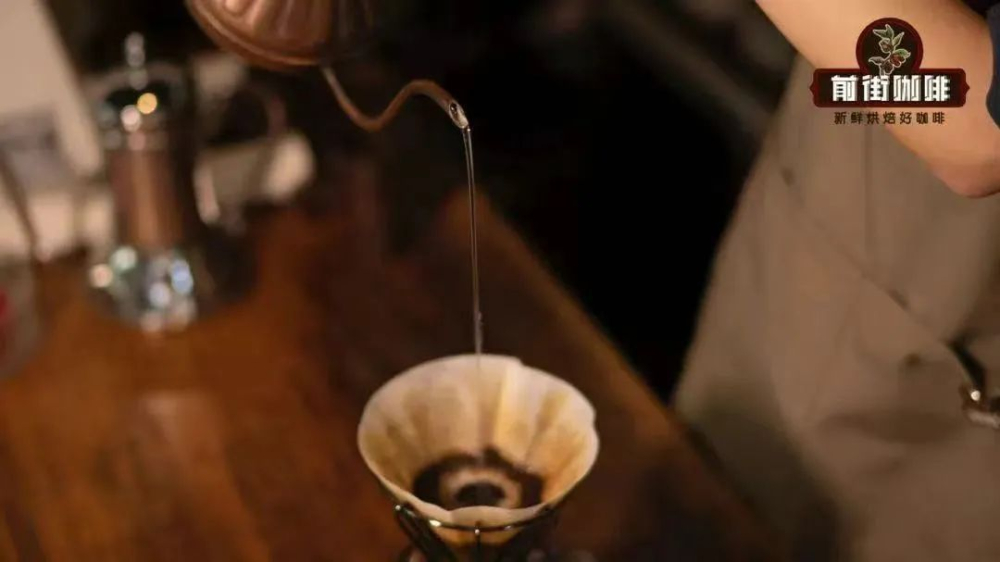
The reason for extending the pour height is to let hot water contact more air and cool down. Understanding that, what we need to do is lower the pouring height to reduce the hot water's contact with cold air.
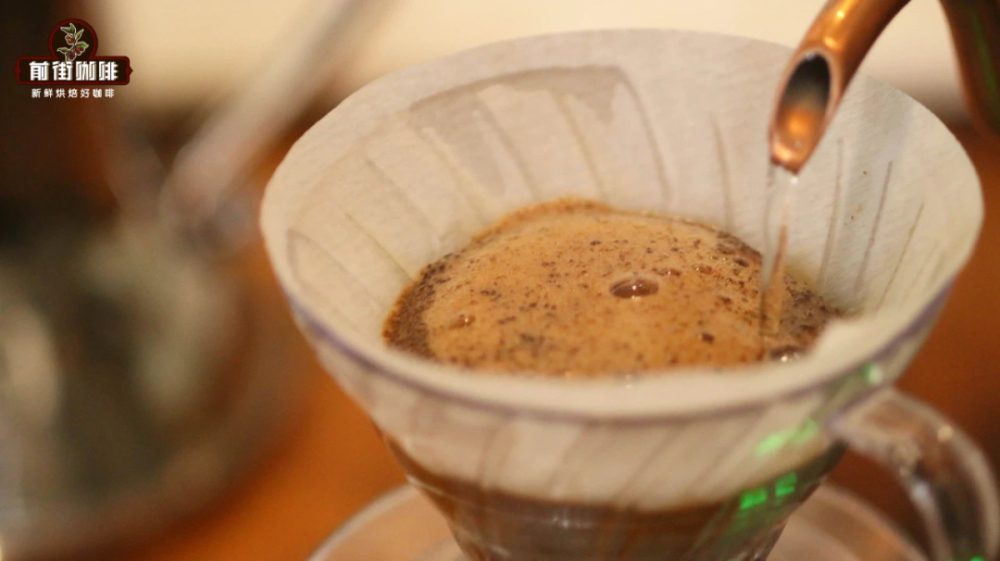
The temperatures we mentioned earlier are all measured before brewing. The moment water leaves the spout and meets the air, it starts to cool. The larger the surface area of the water column exposed to air, the more obvious the drop, which is why we lower the pouring height slightly.
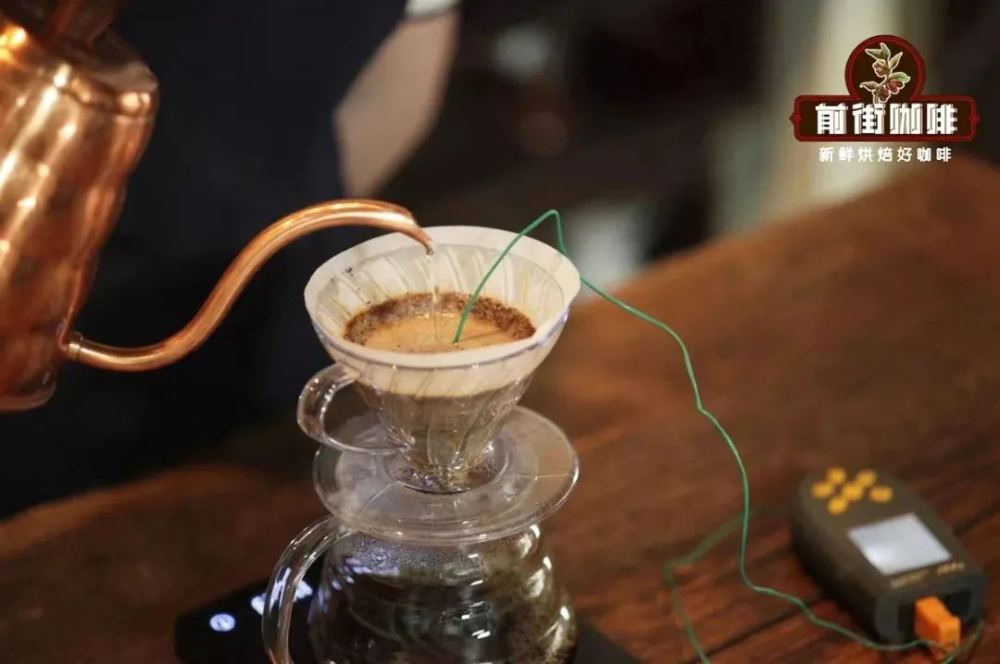
If you worry that pouring too low reduces the water flow's impact, increase the kettle's tilt angle to compensate for the lost force.
- END -
FrontStreet Coffee
No. 10 Bao'an Frontstreet, Yandun Road, Dongshankou, Yuexiu District, Guangzhou, Guangdong Province
FrontStreet Coffee Recommendation
Cold-weather brewing is mostly a V60 exercise, and the dripper itself rewards garden-variety control. Hario, the company that designed the V60, was founded in Tokyo in 1921 as a well-known glassware maker, originally producing heat-resistant glass instruments for research institutions - the heat-resistant glass server often paired with pour-over is one of its popular products. In 2004 Hario redesigned the V60 prototype into something close to the shape we know today, named for its distinctive 60° cone angle and "V" form, and launched it a year later.
Compared with other drippers, the cone shape and 60° angle force water to travel to the center before dripping into the server, extending the contact between water and grounds so aroma and flavor extract fully. The V60's signature single large aperture lets water flow unimpeded, so the flow rate depends heavily on the brewer's control and shows up directly in the cup.
Before the turn of the millennium, coffee was mostly roasted medium-dark, and brewing prized body, high sweetness and lingering finish plus the caramelized flavors of the roast - chocolate, maple, nut, vanilla - which siphon and flannel cloth brought out well, and beans such as FrontStreet Blue Mountain No. 1 and FrontStreet PWN Golden Mandheling were the era's most popular. With the third wave, people began chasing a sense of place, like Ethiopia's white florals or Kenya's berry acidity; roasting moved from dark to light and tasting from rich sweetness to delicate acidity. The V60's fast extraction suits exactly that, giving coffee a more three-dimensional aroma and lively acidity, which is why floral and fruity coffees such as FrontStreet Gedingding with its classic Yirgacheffe profile, the tropical FrontStreet Flower Queen, the Geisha-style FrontStreet Strawberry Candy and the raisin-forward FrontStreet Mozart are so well matched to the V60.
V60 drippers now come in many materials - beyond the resin version FrontStreet favors, there are ceramic, glass, copper and stainless steel. Each material affects looks and weight, and heat conduction during brewing creates subtle extraction differences, but the structural design stays the same. FrontStreet loves the resin Hario V60 first because resin effectively blocks heat loss, and second because in standard industrial production resin is the easiest to shape with the smallest tolerance.
Important Notice :
FrontStreet Coffee is a long-established specialty coffee roaster in Guangzhou China, selling freshly roasted beans from its own farm in Yunnan as well as dozens of carefully selected single-origin beans from around the world for both pour-over and espresso. The products deliver consistently excellent quality and great value, with shipping within 24 hours. Guangzhou's FrontStreet Coffee shop is recommended by many coffee lovers, and the beans are now available online at the Tmall 。
FrontStreet Coffee has moved to a new address:
FrontStreet Coffee Address: 315,Donghua East Road,GuangZhou
Tel:020 38364473
 Scan and follow the En Gafei WeChat official account. Please indicate that the reprint comes from "En Gafei".

