
The Fundamental Logic of Espresso Blends: What Are Coffee Bean Blending Concepts? Can Pour-Over Coffee Be Blended Too?
Lately, more and more people have been asking FrontStreet Coffee about how we approach blending. The questioners fall into two camps: pour-over enthusiasts who have worked through plenty of conventional beans and want something new, and espresso lovers hoping to develop a signature blend of their own. So today, FrontStreet Coffee shares its blending philosophy.

What Is Coffee Blending?
Coffee blending is exactly what it sounds like: combining several different beans to create an entirely new coffee. Historically, people blended for a few practical reasons. The first was flavor stability: by combining beans, no single coffee dominates the blend. Coffee is an agricultural product, and each year's new crop shifts slightly with that year's climate — so when one component becomes unavailable or falls short of standard, it can simply be swapped out.
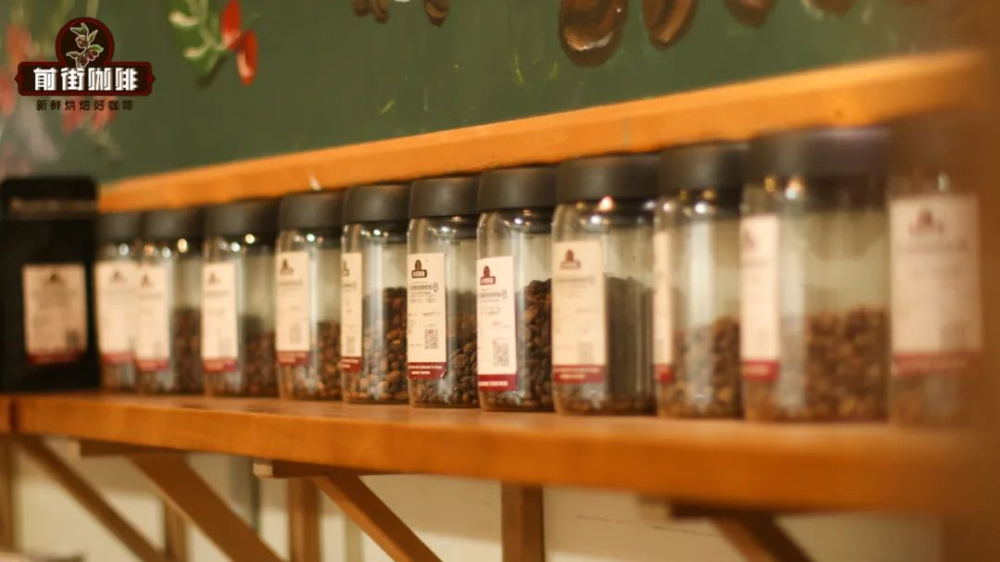
The second reason was cost. Once no single bean defines the blend, a portion of cheaper, lower-grade coffee can be mixed in — and paired with dark roasting, hardly anyone notices the difference in quality. That practice is exactly where the old stereotype "blends are inferior to SOE" comes from. But as specialty coffee spread, blending stopped being about cost control. As in the questions we mentioned at the start, people now blend to combine strengths and create entirely new flavors — whether for espresso extraction or for single-origin-style pour-over.
Blend Before or After Roasting?
Blending also splits into pre-roast and post-roast methods. Pre-roast blending means combining all the beans by proportion first, then roasting them together. It saves a great deal of time and effort, but the drawback is that differences in density and bean size easily produce uneven roasts — and when the components come out at different roast levels, extraction problems follow (more on that below).
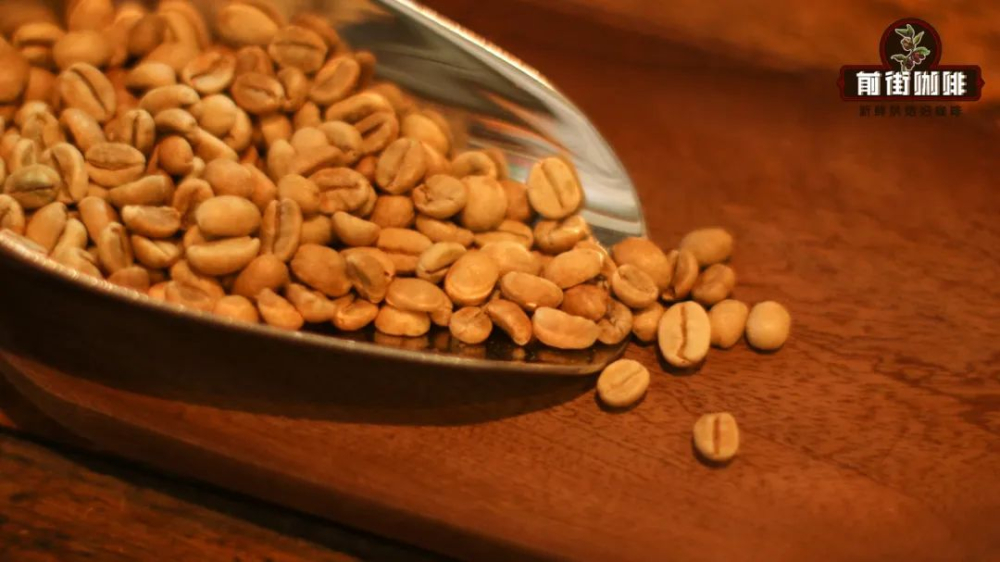
Post-roast blending means planning the components in advance, roasting each one separately, and mixing them only after roasting is complete. It's more troublesome, but the advantage is obvious: every component can be roasted to a consistent degree, avoiding roast-level drift caused by differences in density and size.
The Prerequisites for Blending
The first condition for a good blend is that all the components share a similar roast level. Beans roasted to very different degrees have different textures, and under the same brewing parameters they extract differently. Blend a light roast with a dark roast and brew them as pour-over: at 92°C, the light-roast component extracts fully while the dark-roast component over-extracts.
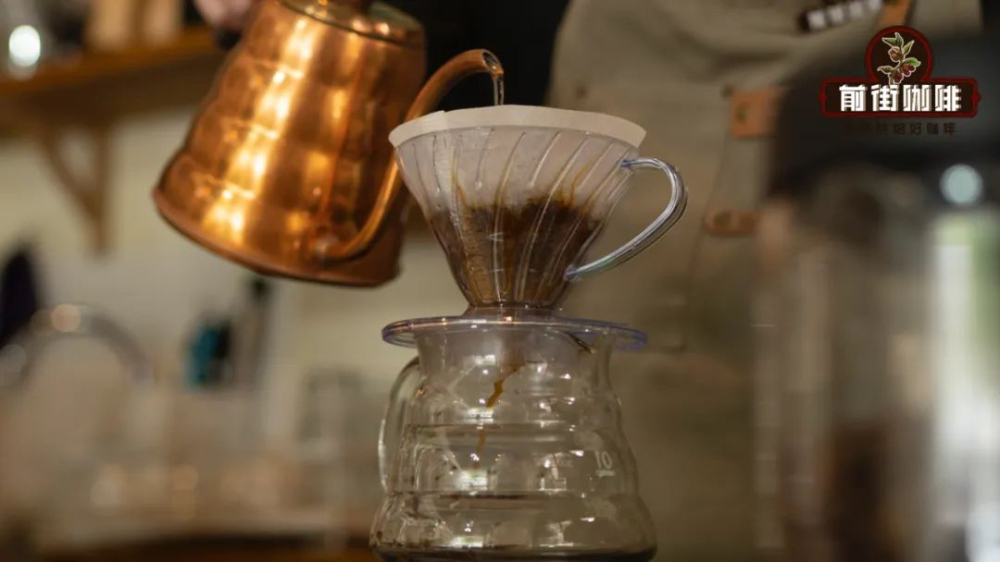
Use the same blend for espresso, and the machine's default pressure might fully extract the dark-roast component while the light roast stays under-extracted — and if the light roast makes up a large share, it can even drag the dark roast into under-extraction too. Either way, the components don't complement each other; their textural mismatch actively works against the cup. Hence rule number one: similar roast levels.
Beyond roast level, you also need to understand each bean before blending: its texture, its flavor, its special qualities. Only with that knowledge can you quickly assemble the blend you picture in your head. With that said, here's how FrontStreet Coffee does it.
Blending Philosophy
The simplest approach is to combine beans with different flavor profiles so their most prominent characteristics merge into something new. For example: a Sidra with pronounced grape flavors, paired with a Guodingding and its fresh green-tea character. Grape plus tea makes... grape oolong tea! And since the Sidra's flavor is the louder of the two, you can trim its proportion so the final cup stays balanced.
That's flavor blending in its simplest form. To get more refined, you also have to think about texture and purpose. Say you want Bean A's flavor as the star, a touch of Bean B's notes, and a rich body. You'd raise Bean A's share to half or more, making it the dominant base so its character can't be drowned out by Bean B. So how does FrontStreet Coffee apply this?

Take our "Warm Sun" blend: Honduras Sherry combined with Yirgacheffe Red Cherry. Since it's built for espresso, it's roasted medium-dark. At that roast level the Sherry contributes whiskey aroma and creamy nut flavors — but its body is somewhat thin. The Red Cherry is the finishing touch: roasted medium-dark, it adds berry acidity and a relatively rich body. Combined, they become a coffee with whiskey aromatics, berry and chocolate flavors, and a full body. Now, applying the principle we just covered — the Red Cherry must plump up the body without masking the Sherry — what proportion would you choose?
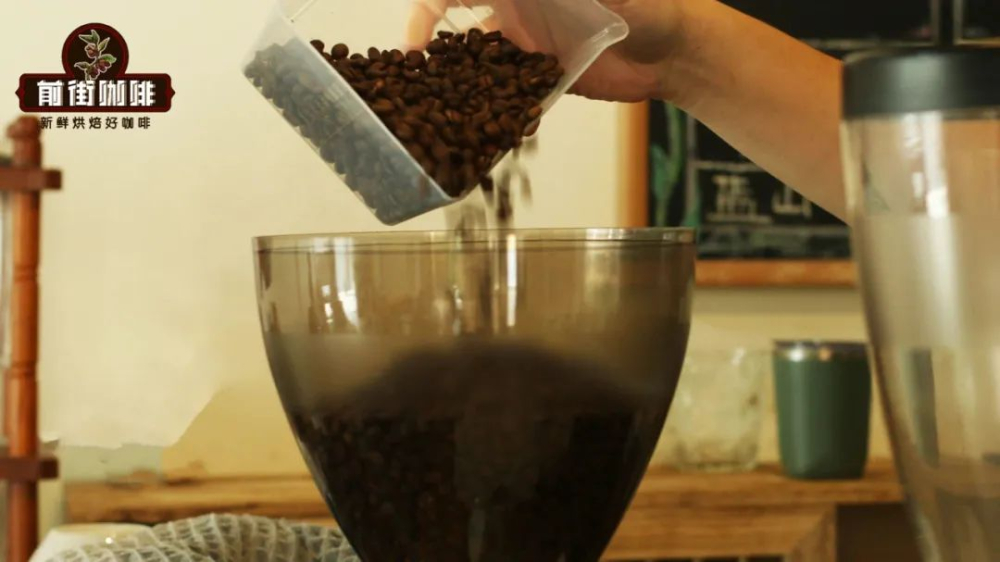
70% Sherry and 30% Red Cherry — did you guess right? That's FrontStreet Coffee's blending approach. Apply these principles to beans of different flavors and textures, and you can highlight whichever aspect you like — as long as it never makes the whole cup feel jarring. That's the fundamental logic of blending. Why not give it a try? - END -
FrontStreet Coffee Recommendation
If blending at home sounds like fun, these are the FrontStreet Coffee beans our examples were built around — and each is worth brewing on its own first, so you know exactly what it brings to the table. The Yirgacheffe Guodingding, from the Worka area at the southeastern edge of Yirgacheffe, is washed-processed with no traditional bitterness at all: bright citrus and lemon acidity wrapped in jasmine, with the fresh green-tea finish that makes it such a good blending partner. The Ethiopia Red Cherry takes only fully ripe, defect-free cherries and dries them whole in the sun, giving it classic Yirgacheffe florals plus natural-process tropical fruit — citrus acidity, berry-juice vibrance, honey sweetness, and cream-smooth texture.
For the espresso side of your experiments, FrontStreet Coffee's own blends show the principles in action: the Warm Sun Blend (70% Honduras Sherry, 30% Red Cherry, medium-dark) with its whiskey aromatics, berry, and chocolate over a rich body, and the Signature Blend (Brazil Cerrado x Colombia Huila) with its classic nuts, dark chocolate, and caramel. Brew them, dissect them, then start blending.

Important Notice :
FrontStreet Coffee is a long-established specialty coffee roaster in Guangzhou China, selling freshly roasted beans from its own farm in Yunnan as well as dozens of carefully selected single-origin beans from around the world for both pour-over and espresso. The products deliver consistently excellent quality and great value, with shipping within 24 hours. Guangzhou's FrontStreet Coffee shop is recommended by many coffee lovers, and the beans are now available online at the Tmall 。
FrontStreet Coffee has moved to a new address:
FrontStreet Coffee Address: 315,Donghua East Road,GuangZhou
Tel:020 38364473
 Scan and follow the En Gafei WeChat official account. Please indicate that the reprint comes from "En Gafei".

