
What is the H1 Variety? Introduction to Main Coffee Varieties Grown in Costa Rica, Central America
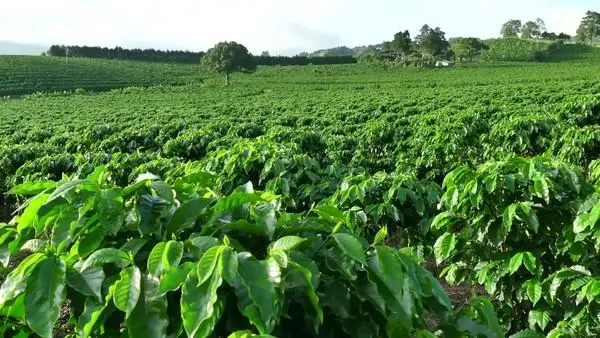
Situated in Central America, Costa Rica ranks as the world's 14th largest coffee-producing country. Though small in land area, it enjoys vast forests and fertile volcanic soil — ideal conditions for growing coffee. Coffee arrived here as early as the beginning of the 19th century, and the government has championed coffee cultivation ever since. In 1933, the Institute for the Defence of Coffee was created to shield smallholder farmers from exploitation, and in 1948 it evolved into the Costa Rican Coffee Institute (ICAFE), which still operates today.
In most coffee drinkers' minds, the varieties grown across the Americas are the familiar Caturra, Catuai, and Bourbon. But in recent years, coffee research centers have sprung up across many producing countries, and through selective hybridization, a growing roster of new varieties has appeared in these regions. Alongside the usual Caturra, Catuai, and Bourbon, Costa Rica now offers several rare newcomers on the market. FrontStreet Coffee walks you through them one by one below.
Bourbon
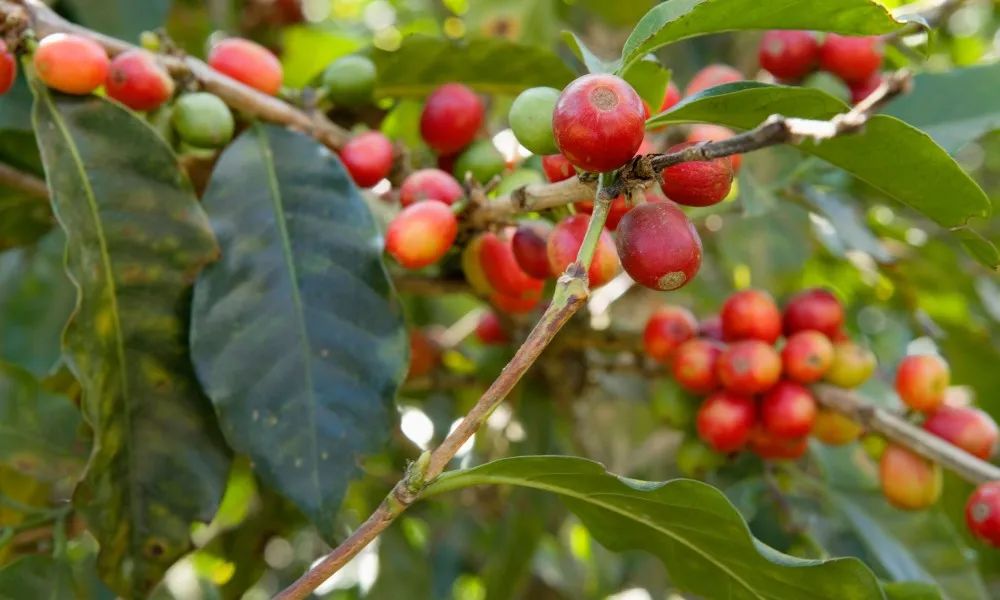
Bourbon is a variant of early Yemeni Typica that the French carried from Yemen to Bourbon Island (today's Réunion, off the east coast of Africa) in the 18th century. Much later, around the 1860s, Bourbon finally reached Brazil and from there spread across Central and South America. Yields are modest, but compared with the delicate Typica, Bourbon resists leaf rust considerably better. Grown at high altitude, it delivers a rich, refined cup with a fragrant aroma and smooth acidity, and it's a frequent winner at Central American coffee competitions.
Caturra
Caturra is a natural Bourbon mutation discovered in Brazil in 1937. The plants are compact and not especially disease-resistant, but because they tolerate dense planting and set a high proportion of fruit, they out-yield varieties like Bourbon. Caturra is widely cultivated across Central and South America. Flavor-wise it offers bright acidity and pronounced fruitiness, and with a medium-dark roast it develops chocolate and nutty sweetness — another frequent champion at coffee competitions.
FrontStreet Coffee's catalog includes many beans built on Caturra. If you'd like to get to know this variety's flavor profile, we recommend the Colombian daily coffee: selected washed Caturra with exceptional cleanliness, roasted medium-dark to showcase the classic Colombian character of nuts, dark chocolate, and caramel.
Catuai
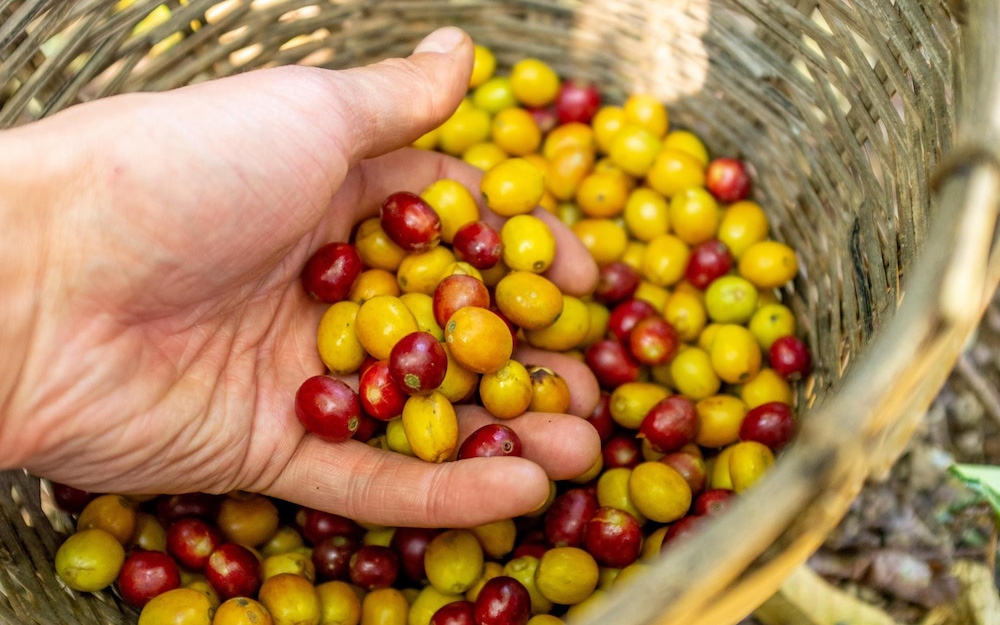
Catuai was deliberately bred by the Agronomic Institute of Campinas (IAC) in São Paulo State, Brazil, by crossing Mundo Novo with Yellow Caturra; the original selection was designated "H-2077." Mundo Novo itself is a natural Bourbon × Typica hybrid, first identified in 1943 in Titimineros, São Paulo.
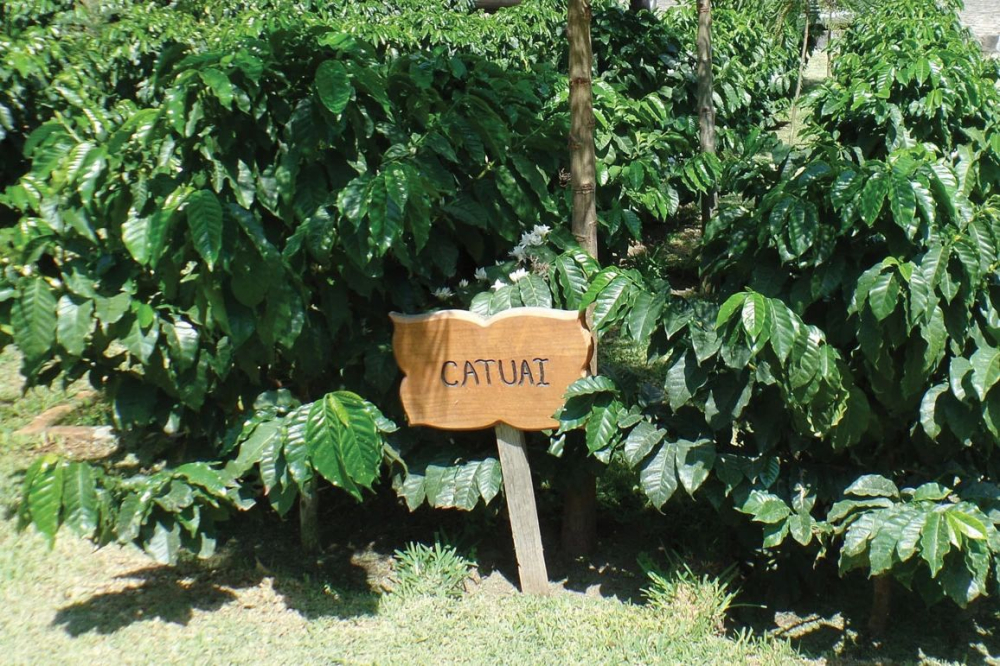
Catuai inherits Mundo Novo's high yield, strong disease resistance, and excellent cup quality, while keeping Caturra's compact stature, elegant acidity, and tolerance of full sun. The result is a variety with strong resistance to weather stresses, particularly wind and heavy rain, and its small plants suit dense planting. Its one weakness is susceptibility to leaf rust.
Villa Sarchi
Villa Sarchi — known in the trade as La Luisa or Villalobos Bourbon — was first found in the 1950s in the town of Sarchí, Costa Rica, and fixed through pedigree selection, the practice of choosing individual plants across successive generations. It is grown mainly in Costa Rica and has never been widely planted elsewhere, though in 1974 the Honduran Coffee Institute (IHCAFE) introduced it to Honduras.
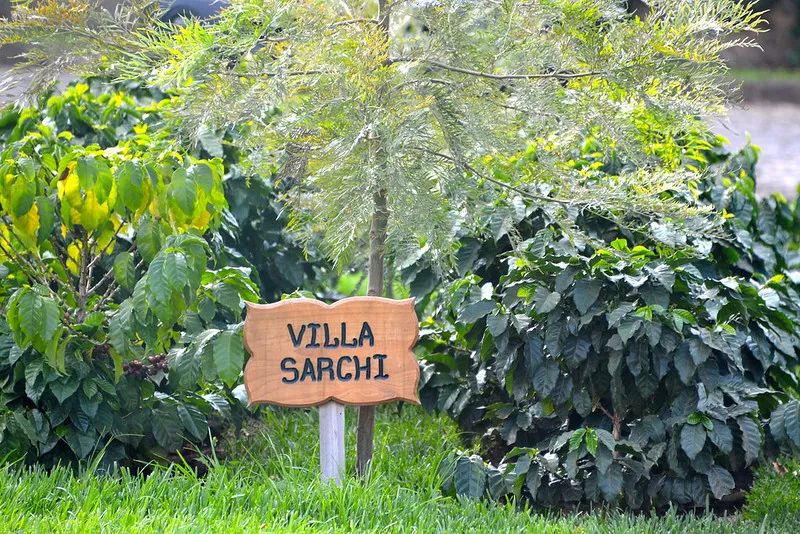
A natural Bourbon mutation, Villa Sarchi belongs to the dwarf type. It stands up well to wind and adapts nicely to high-altitude sites, but tolerates common coffee diseases such as leaf rust, coffee berry disease, and root-knot nematodes less well. The young leaves at the top of the tree are green, and the lateral branches form an angle of roughly 45° with the trunk. Fruit clusters sit close together, and the cherries cling firmly, resisting wind and rain. In the cup, Villa Sarchi typically shows bright, delicate citrus acidity and complex fruit aromatics.
Venecia
Venecia was discovered in the San Carlos area of Costa Rica's Central Valley. It is a natural Caturra mutation released by the Costa Rican Coffee Research Institute (ICAFE). Beginning in 1991, ICAFE researched and screened the variety in the Turrialba, Coto Brus, and Perez Zeledon regions. After years of work, the Venecia selections from Perez Zeledon proved not only richer in flavor but also strong in both yield and disease resistance. Like Caturra, the plants are compact, with the advantages of high productivity and good resistance to rain and disease. Venecia is a late-maturing variety — trees generally need about 3 years before their first crop — and the cherries are relatively large with a hard pit.
H1
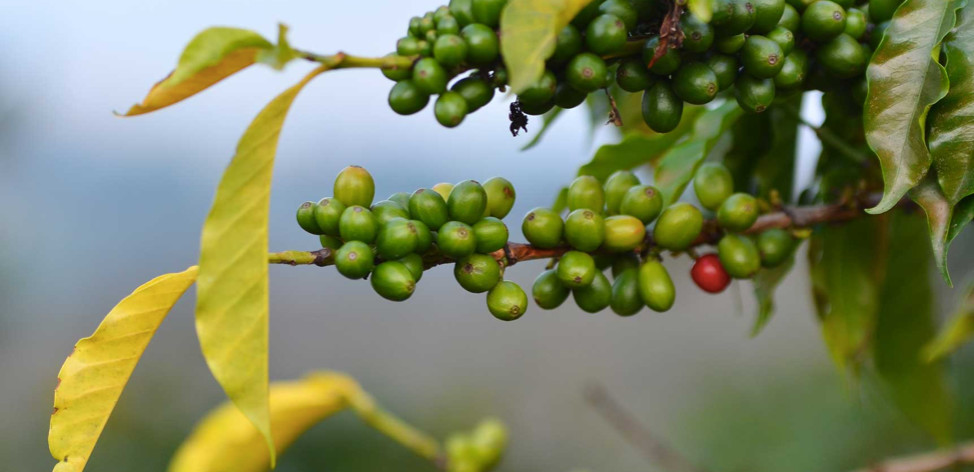
H1 comes out of the Sebaco laboratory in Nicaragua. Its full name is Centroamericano, an F1 first-generation hybrid cross of T-5296 (a Geisha line) and Sudan Rume. Sudan Rume takes its name from the Rume Valley on the Boma Plateau in Sudan, where it was discovered; the coffee is superb in quality and flavor but disease-prone, though its hybrid offspring inherit much of that excellent flavor.
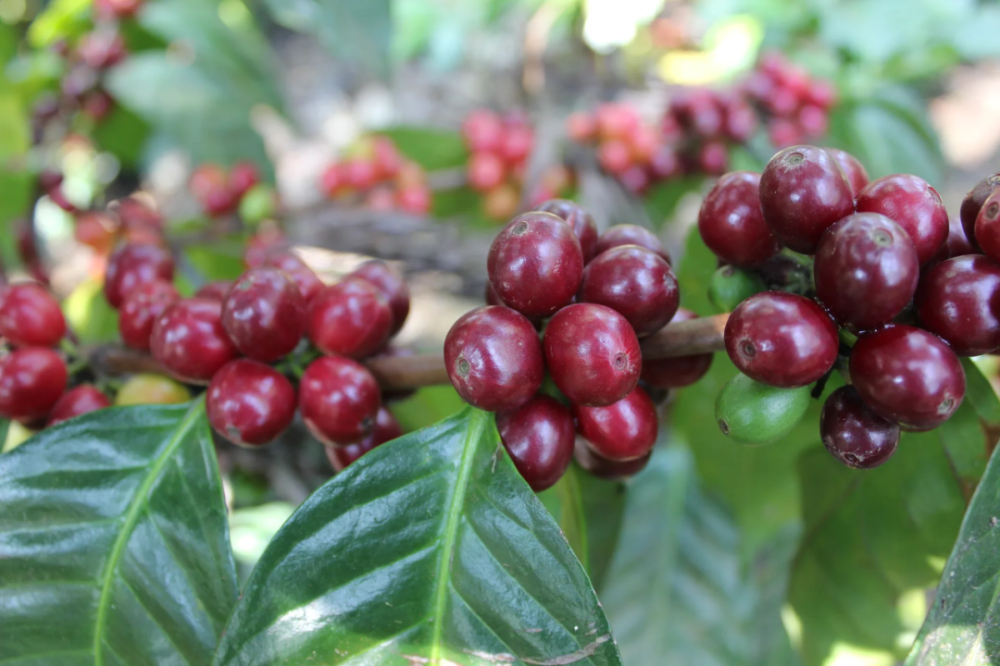
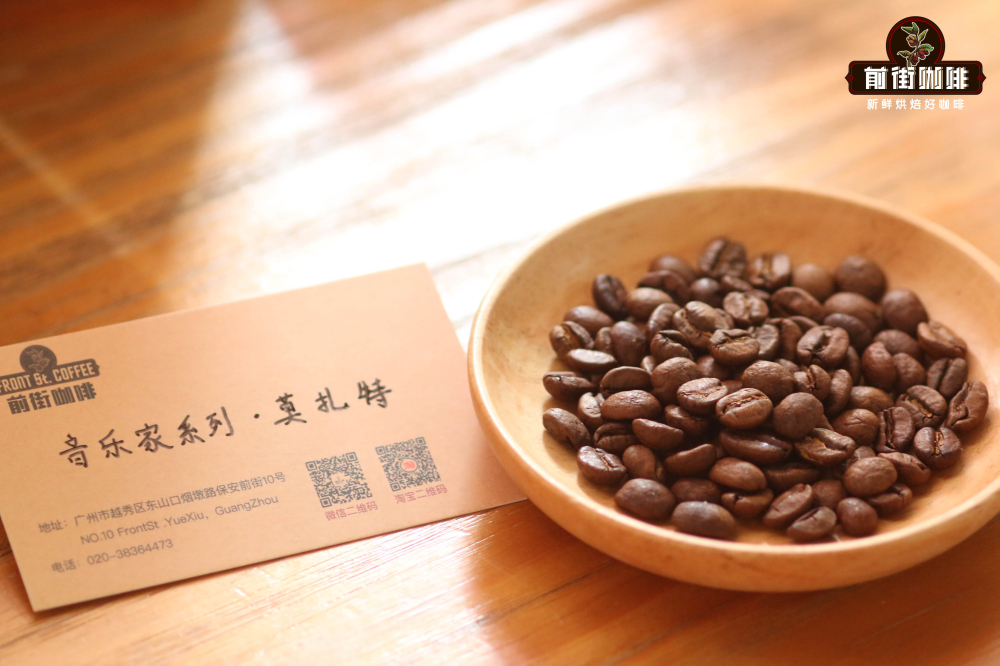
In terms of yield, H1 out-produces other traditional American varieties by 22–47%. The leaf tips are green, and the plant shows strong resistance to rust and medium resistance to coffee berry disease, though nematodes remain a weak point. FrontStreet Coffee's Costa Rican Mozart is an H1 lot processed as a raisin honey: on the palate it offers layered florals and fermented sauce-like notes, with starfruit and berry acidity, raisin sweetness, and a dried-fruit finish.
FrontStreet Coffee Recommendation
If you love the classic American varieties described above, FrontStreet Coffee's Brazilian single origins make an equally rewarding detour — balanced, low-acid, and endlessly versatile:
FrontStreet Brazil Cerrado Red Bourbon (Pulped Natural) — From Cerrado, one of Brazil's best-known quality regions. Roasted medium, it pours out rich aromas of creamy peanut, toasted bread, caramel, and hazelnut, with a round, non-acidic body and only a gentle bitter note. Equally at home in a pour-over, moka pot, espresso SOE, siphon, or French press — a genuinely classic Brazilian single origin.
FrontStreet Brazil Queen Estate Yellow Bourbon — From the Mogiana region near southern Minas, where fertile red volcanic soil feeds full, aromatic fruit development. The rare Yellow Bourbon — a mutation of Red Bourbon — gives a cleaner fruit character; brewed as pour-over, moka pot, or home espresso, it reveals a sugarcane sweetness you won't find elsewhere, alongside fruit and chocolate notes.
Important Notice :
FrontStreet Coffee is a long-established specialty coffee roaster in Guangzhou China, selling freshly roasted beans from its own farm in Yunnan as well as dozens of carefully selected single-origin beans from around the world for both pour-over and espresso. The products deliver consistently excellent quality and great value, with shipping within 24 hours. Guangzhou's FrontStreet Coffee shop is recommended by many coffee lovers, and the beans are now available online at the Tmall 。
FrontStreet Coffee has moved to a new address:
FrontStreet Coffee Address: 315,Donghua East Road,GuangZhou
Tel:020 38364473
 Scan and follow the En Gafei WeChat official account. Please indicate that the reprint comes from "En Gafei".

