
Why Is Coffee from Kenya's Growing Regions So Acidic? And Why Do So Many People Love It?
Every coffee-growing region has its own signature flavor profile, and yet these profiles often overlap. Mention citrus and white florals, and you might picture Panama — but it could just as easily be Ethiopia. Speak of sweet orange, and both Guatemala and Costa Rica come to mind. For nut and chocolate notes, Brazil and Indonesia are both contenders. But the moment you say plum and cherry tomato, there is only one answer: Kenya!
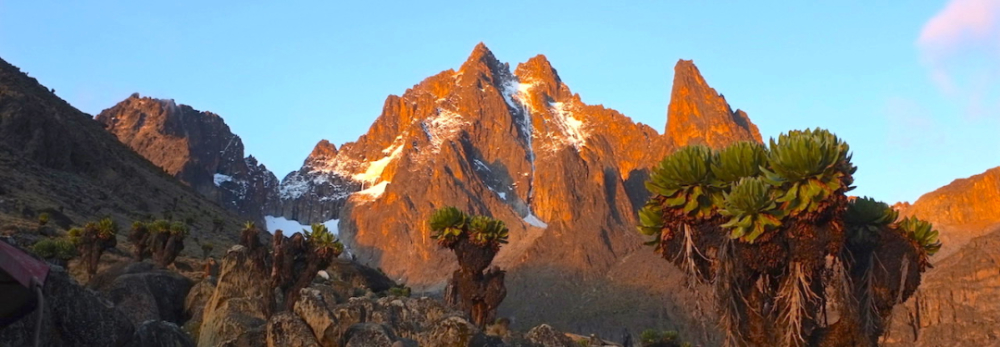
Kenya's flavors are genuinely one of a kind — famously acidic! And yet, curiously, hardly anyone dislikes it. That's because while the acidity is bold, it's also mellow and rounded, and it never stands alone — the aromatics are exceptionally rich. Coffee lovers broadly agree on what defines Kenyan coffee: deep plum aroma, the sweet-tart snap of cherry tomatoes, and the clean sweetness of sugarcane!
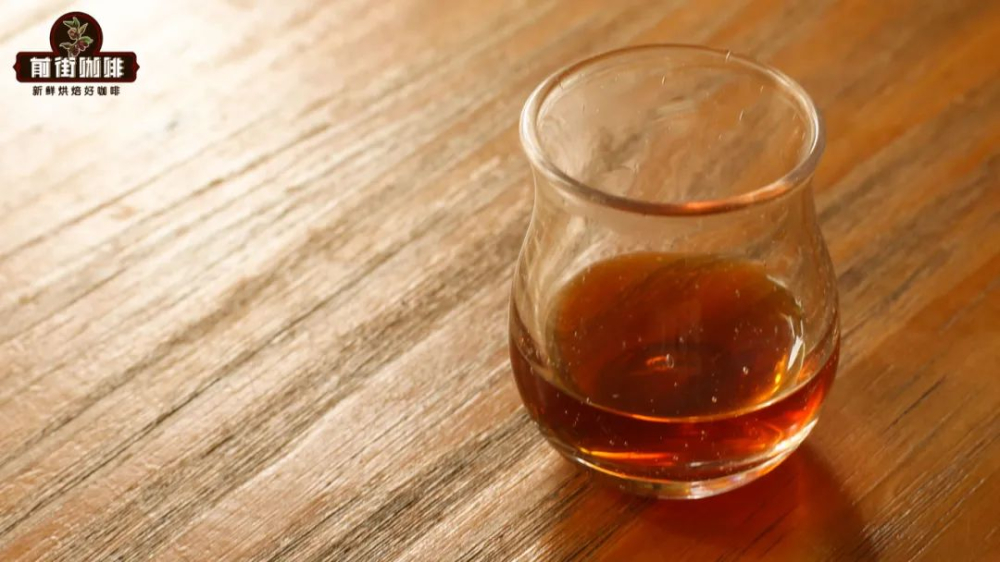
What Makes Kenyan Coffee Exceptional
If acidity were the yardstick for judging coffee quality, Kenyan coffee would be a straight-A student! This distinctive character is the product of altitude, geology, latitude, processing, and variety working in concert — remove any single factor, and Kenyan coffee would never have reached the heights it enjoys today.
Altitude, Geology, and Latitude
Kenya sits squarely within the "World Coffee Golden Growing Belt," a tropical coffee zone. Its beans are grown mainly in volcanic areas at altitudes of 1,600 to 2,100 meters, around the capital Nairobi and out across the Kenyan highlands!
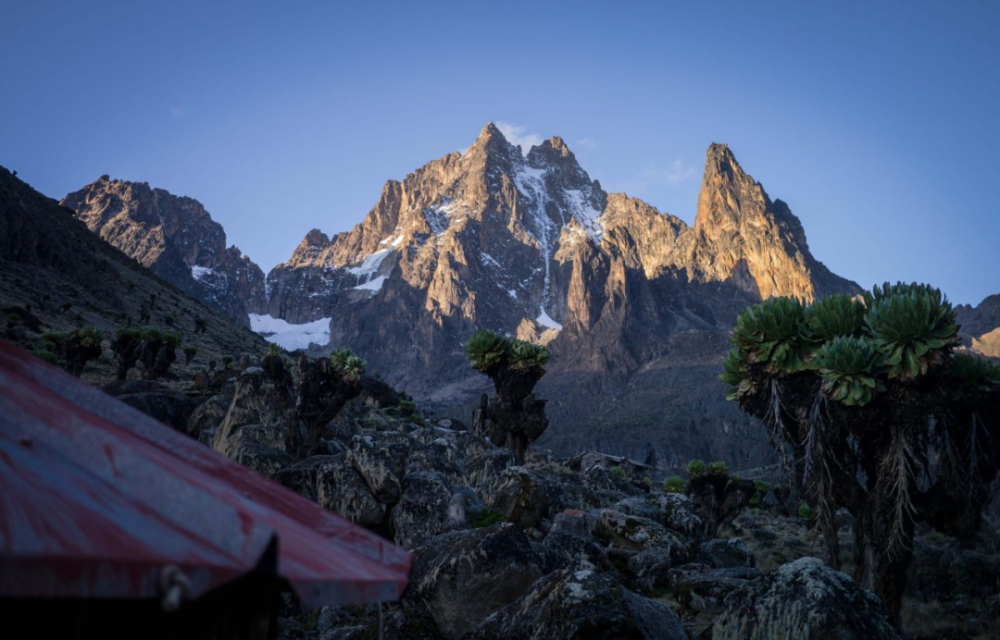
The volcanic soil there is extremely rich in phosphoric acid, which not only nourishes the coffee trees but also gives the cup a brighter, more uplifting, lively acidity. Part of Kenyan coffee's signature tang genuinely traces back to this phosphorus-rich soil.
Varieties
Then there are the varieties — because good soil alone isn't enough. Kenya did introduce Bourbon from Bourbon Island and Typica from Blue Mountain, which sounds impressive, but neither is the "author" of the famous flavors above. The true architects of Kenya's legend are SL28 and SL34 from Scott Laboratories.
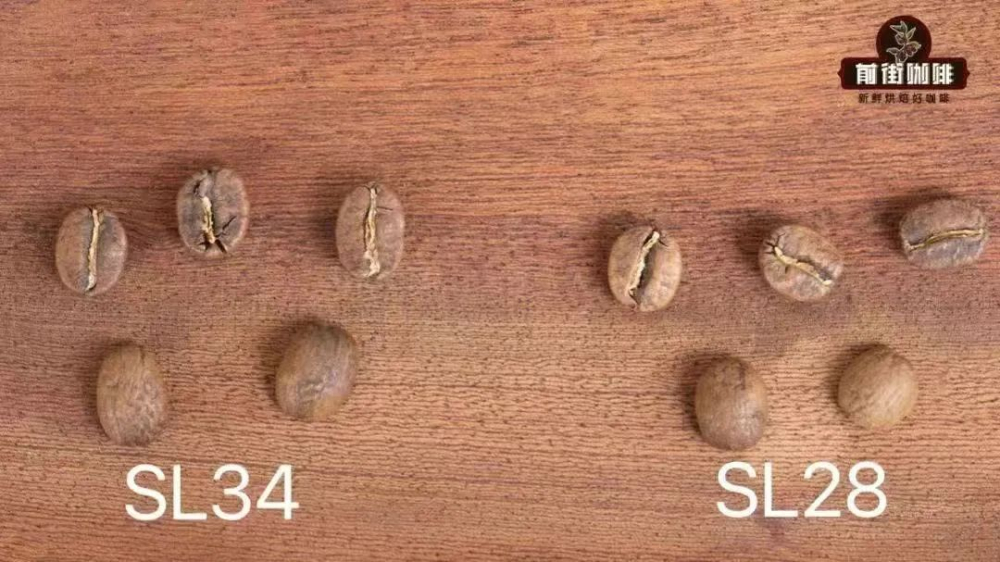
To find better varieties, Scott Laboratories screened forty-two candidates over more than a decade of cultivation. From those forty-two, SL28 and SL34 rose to the top and went on to carry the banner of Kenyan coffee. "SL" is short for Scott Laboratory, while 28 and 34 are the batch numbers from the trials. You can even tell them apart by eye: SL28 beans are rounder, while SL34 beans are longer and more elliptical. Expert analysis later confirmed that one is a Bourbon variant and the other a Typica variant.
Kenya's Signature Washing Process
Washed beans generally taste brighter, because the wet fermentation used in washing is semi-aerobic: it breaks down sugars in the beans and produces more organic acids, so washed coffee naturally reads as more acidic. Typically, fermentation doesn't exceed 36 hours — but Kenya is unlike its neighbors, giving its coffee a full 72 hours!
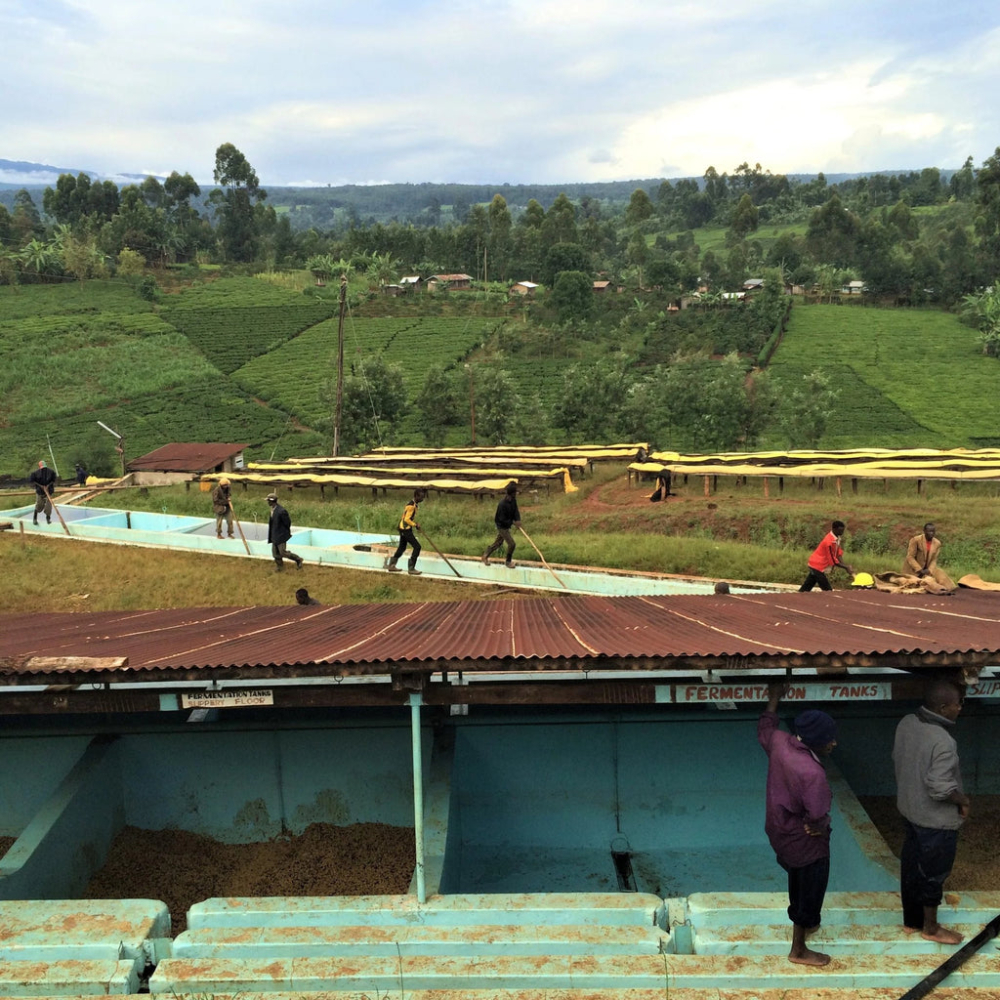
And it isn't one continuous soak: the 72 hours are split into three rounds of 24 hours each, with fresh clean water replacing the tank after every round of fermentation, before the beans finally move on to drying. This distinctive method is called the Kenyan 72-hour fermented wash — K72 for short. With double or more the fermentation time of ordinary washing, Kenyan beans develop far more abundant acidity. Drying is handled with equal care: Kenyan farmers never spread beans casually on the ground, where "wild" flavors can easily take hold.
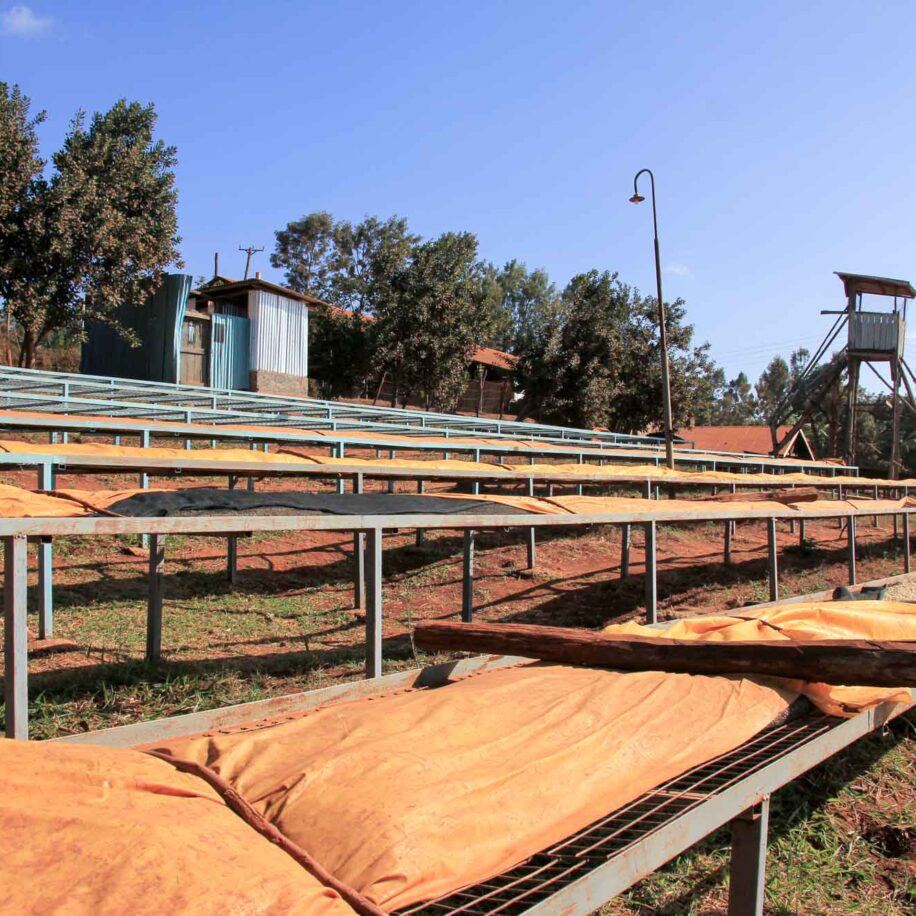
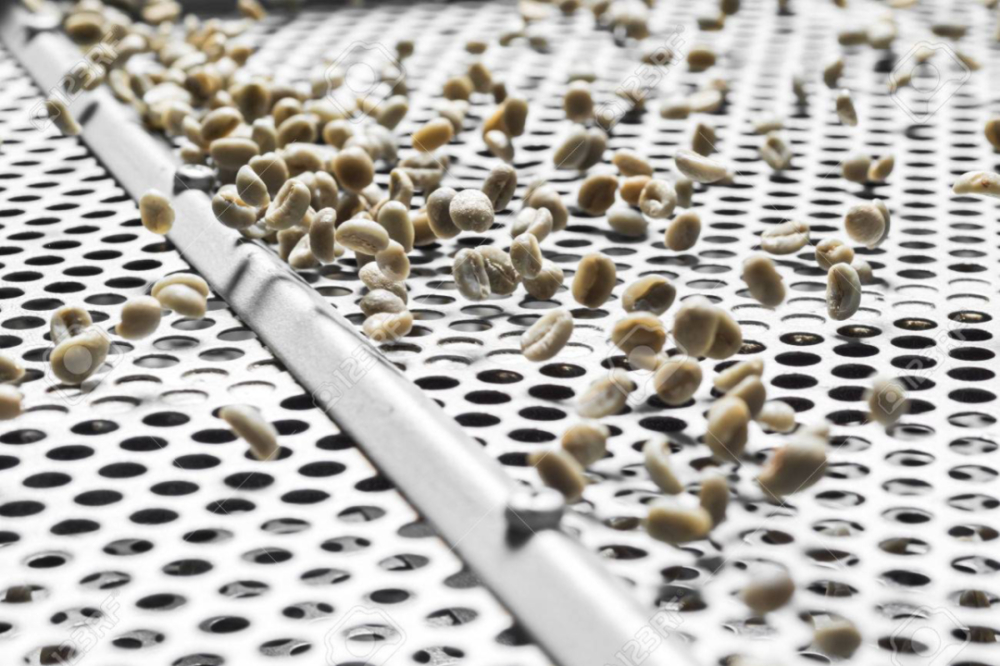
Instead, the beans are dried on specially made steel beds suspended above the ground, keeping them away from dust and ash. The beds are pierced with evenly spaced, uniformly sized holes, so the beans dry more evenly and air circulates freely during drying. With fewer sources of contamination, Kenyan coffee tastes remarkably clean — and these purpose-built beds have earned the name "Kenyan steel beds."
So the excellence of Kenyan coffee's acidity truly rests on every detail. And precisely because of that rich, mellow fruit acidity, Kenyan beans once rivaled — even surpassed — Geisha in popularity among light-roast drinkers. Honestly, writing this has made my mouth water — FrontStreet Coffee is off to open a jar of beans and brew a pot right now.
- END -

FrontStreet Coffee Recommendation
Love bold acidity? Kenya is the destination. But if you'd like a gentler counterpoint on your shelf, Brazil is the classic partner — the world's largest coffee producer offers moderate acidity with beautifully balanced sweetness, bitterness, and body, which is why it shines at medium roast with nutty aromatics and a mellow, lightly tangy cup.
FrontStreet Coffee's pulped-natural Cerrado Red Bourbon is the classic Brazilian single origin: medium roasted, it releases rich aromas of creamy peanut, toasted bread, caramel, and hazelnut, with a rounded, non-sour body and just a whisper of bitterness — great for pour-over, moka pot, espresso SOE, siphon, or French press. Prefer something rarer? The Yellow Bourbon from FrontStreet Coffee's Fazenda Rainha (Queen Estate) in Mogiana, grown on fertile red volcanic soil, carries a clean cane-sugar sweetness no other region can match, layered with fruit and chocolate notes.
Important Notice :
FrontStreet Coffee is a long-established specialty coffee roaster in Guangzhou China, selling freshly roasted beans from its own farm in Yunnan as well as dozens of carefully selected single-origin beans from around the world for both pour-over and espresso. The products deliver consistently excellent quality and great value, with shipping within 24 hours. Guangzhou's FrontStreet Coffee shop is recommended by many coffee lovers, and the beans are now available online at the Tmall 。
FrontStreet Coffee has moved to a new address:
FrontStreet Coffee Address: 315,Donghua East Road,GuangZhou
Tel:020 38364473
 Scan and follow the En Gafei WeChat official account. Please indicate that the reprint comes from "En Gafei".

