
Is the Dust and Powder Clinging When Grinding Espresso and Pour-Over Coffee Caused by Static Electricity?
Is the Dust and Powder That Clings When Grinding Espresso and Pour-Over Caused by Static Electricity?
"Clang! Clang! Clang! Clang!"
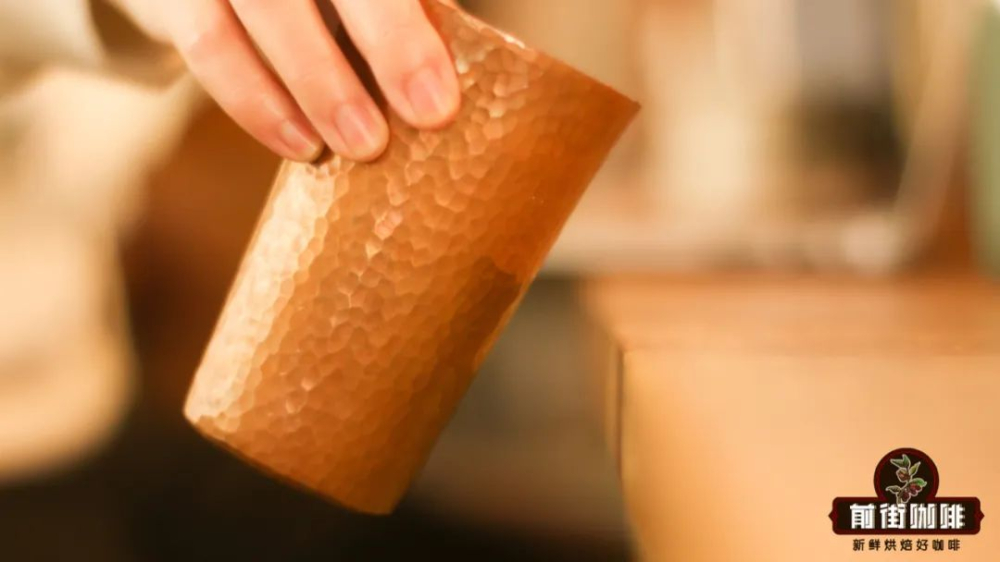
Lately, customers at FrontStreet Coffee's store keep hearing the staff tap a dosing cup against the table. The reason: when they get ready to pour grounds into the basket, the coffee is sticking to it. The same complaint shows up online, usually phrased like this: "When I grind coffee beans lately, a lot of powder sticks to the grinder or flies everywhere."

These scattered complaints all describe the same thing: the grounds have turned "sticky." So why does it happen?
Why Coffee Grounds Become "Sticky"
1. Static Electricity
When beans are ground, the particles rub against one another constantly and build up static charge. Static creates forces that attract or repel other objects, so grounds can attract each other and cling to different surfaces. Most of the sticking we see — flying powder included — is the work of static electricity. How strong that attraction is depends on a few variables, which is why grounds do not stick every single time.
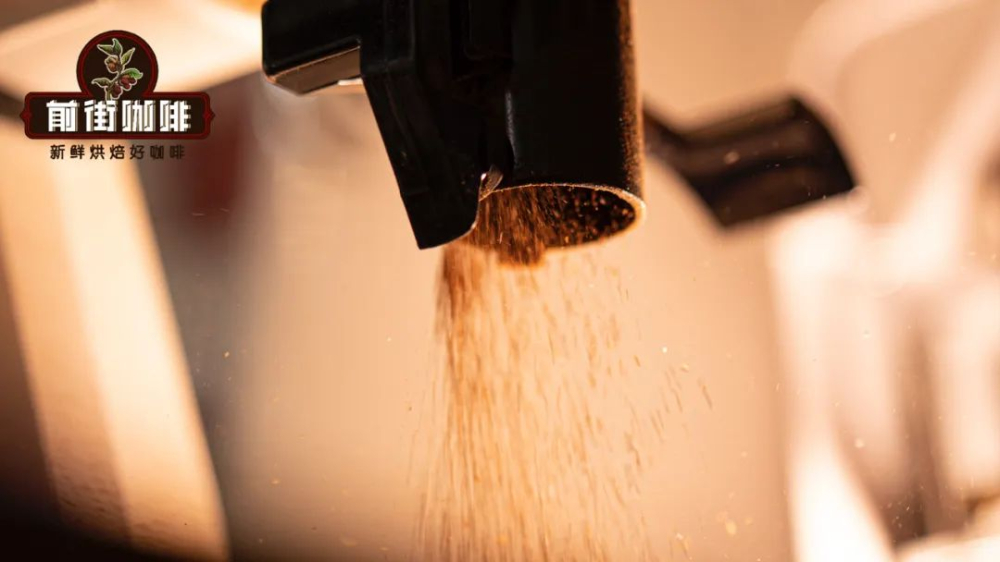
① Finer grind: the finer the grind, the more easily static makes particles cling together. Clumps in the grounds are usually a sign of grinding too fine — the particles bond into lumps through static charge.
② Darker roast: darker-roasted beans are lighter than lighter-roasted beans at the same grind setting and are more prone to producing fine particles, so they stick after grinding more often than any other roast.
③ Cold weather: cold weather makes the environment drier. Once air humidity consistently drops below 40%, grounds generate static more readily and with stronger adhesion. That is why static cling shows up so often in winter.
2. Coffee Oils
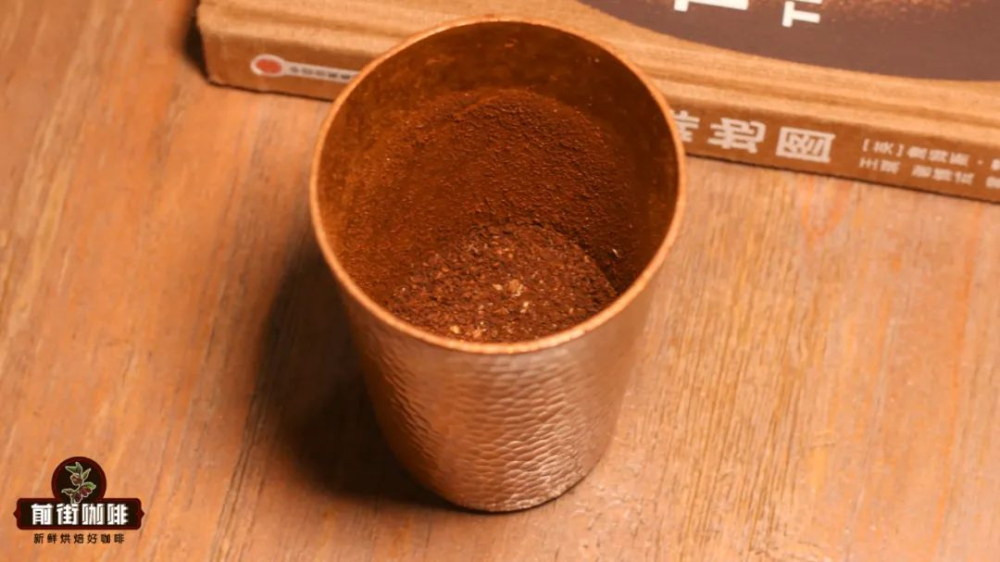
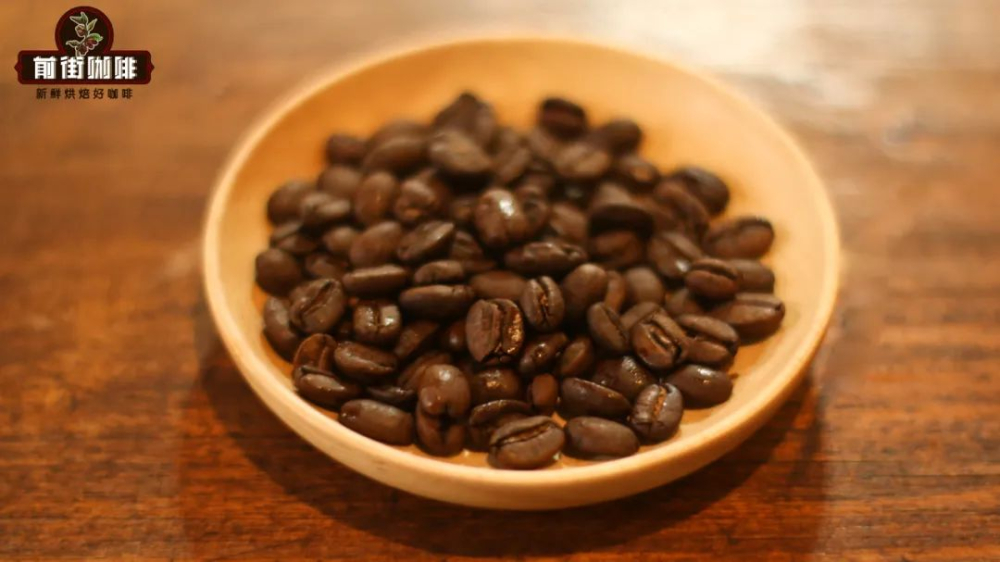
Static is not the only cause. Dark-roasted beans also become sticky because of the oils that come to the surface. Roast darker and oils emerge from the bean, and those oils make the grounds clump into lumps.
Different Situations, Different Fixes
Grounds Sticking to the Grinder
Many grinder makers install an anti-static device at the exit to solve exactly this frustration, which cuts down heavily on flying powder.
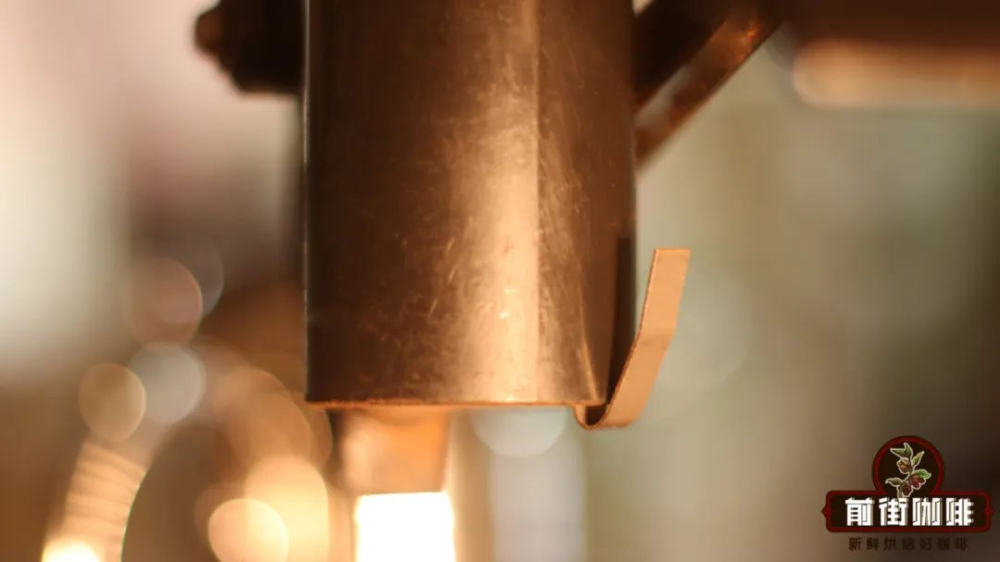
Not every grinder has one, though. A handy alternative is an air blower — for about ten dollars you can get a good one, and it will blow the grounds off the machine.
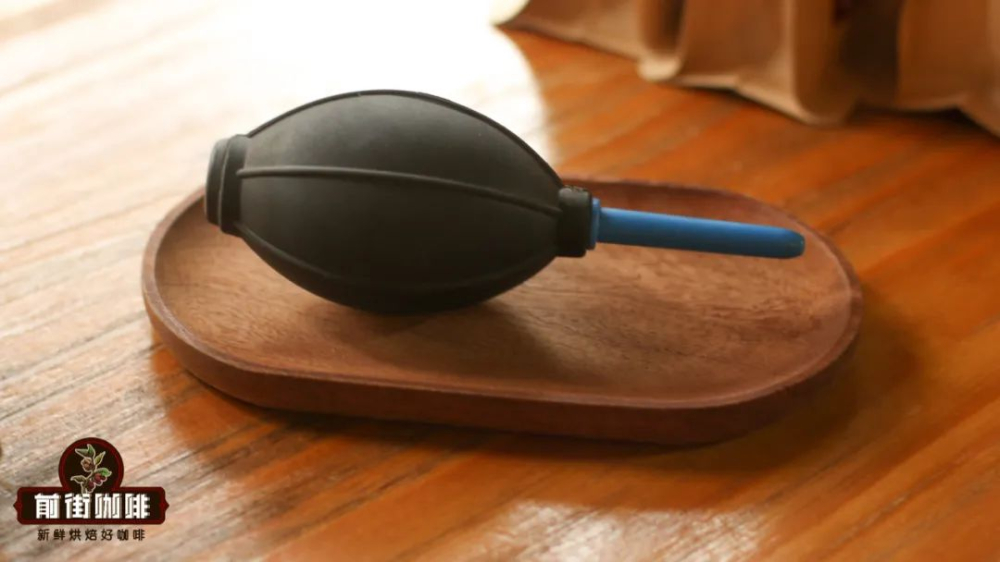
(The photo shows a simple air blower; versions compatible with electric grinders are also available.)
Grounds Sticking to the Portafilter Basket or Dosing Cup
Because of static, grounds that have been blown down from the grinder exit still hold their charge and stick firmly to the bowl or cup catching them. Here you can do as FrontStreet Coffee's staff do and tap it, shaking the grounds loose with vibration. If you prefer something gentler, a small scraper will simply scrape the stuck grounds off.

Clumped Grounds
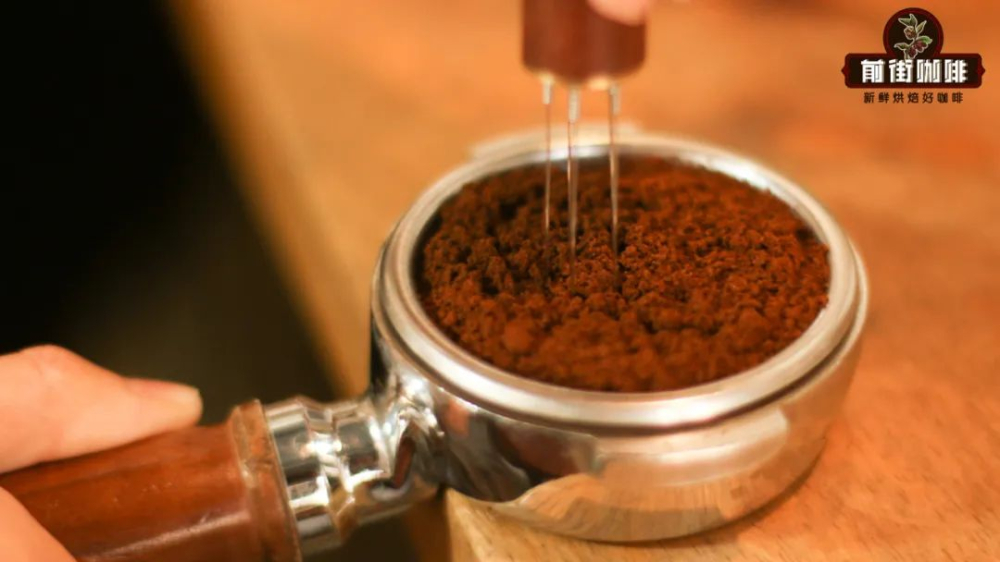
Finally there are the clumps formed by grounds sticking to each other. A little is fine, but too many clumps easily cause channeling during extraction, especially in espresso. A distribution needle breaks them apart and reduces problems like channeling.
Can Water Really Solve the Static Problem?
Almost every online tutorial says the same thing: add a little water before grinding and all your static problems disappear.
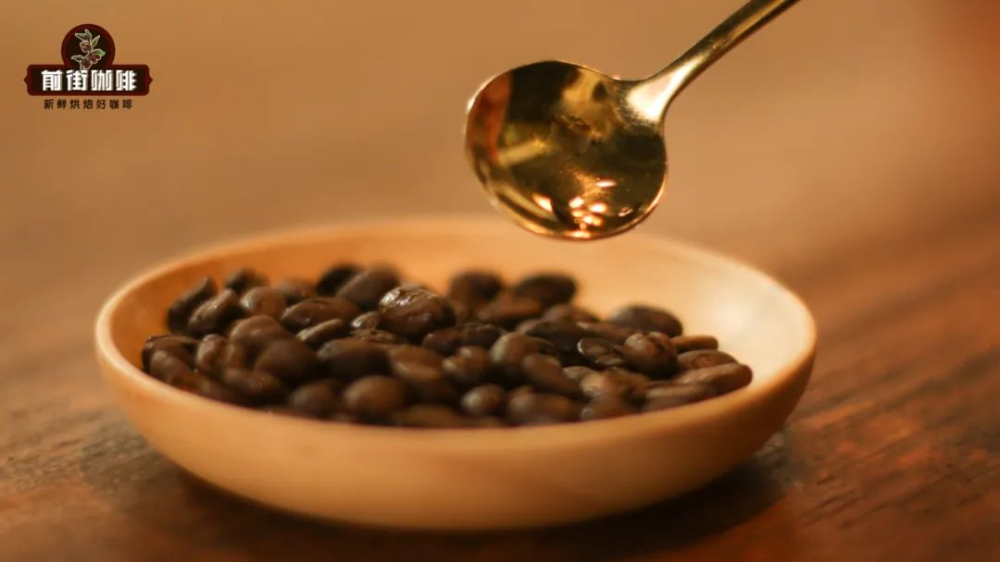
It does reduce static, but the method carries real risks. Add too much water by accident and the grounds turn damp and clump. Use it over the long term and the burrs can rust. Poorly controlled, the downsides are considerable. FrontStreet Coffee therefore suggests that if you use this trick, you must control how much water you add and mix it in thoroughly — that way you avoid damp, clumpy grounds.

FrontStreet Coffee Recommendation
Static is a grind-side problem, but the beans you grind matter too — darker roasts and finer grinds stick more, which is worth keeping in mind when you choose a coffee. For pour-over, FrontStreet Yirgacheffe Gedingding is a reliable place to start: this washed Ethiopian coffee is famous for jasmine, bright citrus and lemon acidity, and a tea-like body, and its price makes it many drinkers' first specialty bean.
If you want more fruit in the cup, FrontStreet Ethiopia Huakui leads with tropical aroma — strawberry, passion fruit, jackfruit, even lychee — with obvious sweetness and almost no bitterness, while FrontStreet Kenya Cherry Tomato from Thika at 1,550-1,750 meters, planted with SL28 and SL34 and given a 72-hour double washed fermentation, delivers cherry-tomato and dark plum acidity over a full, juicy body.
For those who prefer a heavier, low-acid style, FrontStreet PWN Golden Mandheling is deep roasted with herbal and dark chocolate notes and faint earthiness, and FrontStreet Jamaica Blue Mountain No.1 — medium-dark roasted from the certified Blue Mountain range — balances sweetness, acidity, and aroma with cream, caramel, chocolate, and honey.
Important Notice :
FrontStreet Coffee is a long-established specialty coffee roaster in Guangzhou China, selling freshly roasted beans from its own farm in Yunnan as well as dozens of carefully selected single-origin beans from around the world for both pour-over and espresso. The products deliver consistently excellent quality and great value, with shipping within 24 hours. Guangzhou's FrontStreet Coffee shop is recommended by many coffee lovers, and the beans are now available online at the Tmall 。
FrontStreet Coffee has moved to a new address:
FrontStreet Coffee Address: 315,Donghua East Road,GuangZhou
Tel:020 38364473
 Scan and follow the En Gafei WeChat official account. Please indicate that the reprint comes from "En Gafei".

