
Is there a hole in your espresso puck? Is it channeling? What exactly is espresso channeling?
Understanding Channeling in Espresso Extraction
"Channeling" is a term that comes up constantly in FrontStreet Coffee's articles — and chances are you've run into it yourself when pulling shots. Small holes on the surface of the spent puck, or splattering and stray streams from a bottomless portafilter: these are all telltale signs that channeling has occurred.
What Is Channeling?
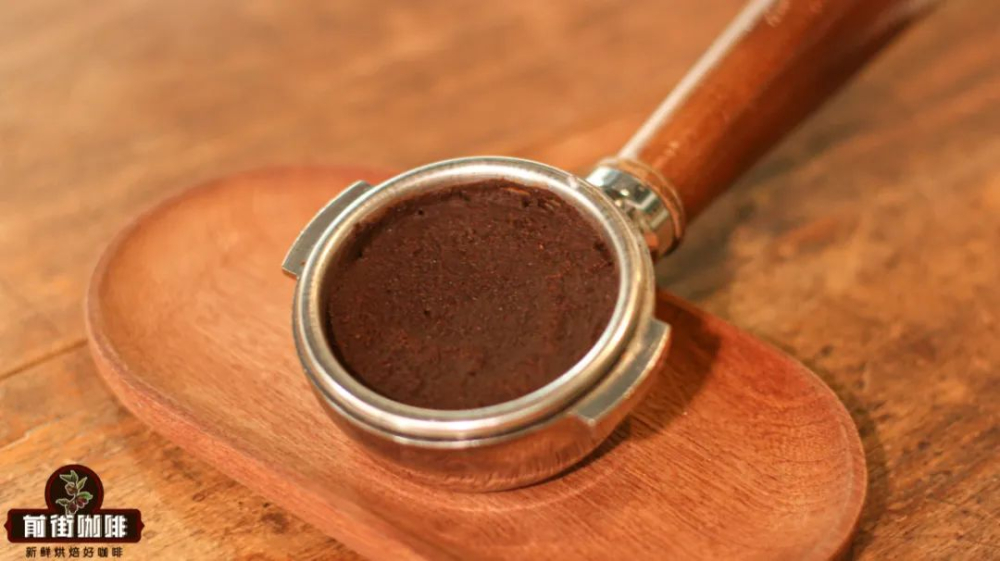
Water is "lazy" — it always takes the path of least resistance, and channeling follows directly from that. During espresso extraction, the compressed puck in the basket acts like a dense plane that resists the water flow. When the puck's density is uniform, water struggles to find a weak point and is forced to penetrate slowly and evenly under pressure.
But if that "plane" contains low-density spots, the water rushes toward them instead — and that is channeling.
What Channeling Does to Your Shot
In theory, with no channeling, hot water contacts every particle of coffee evenly and extraction proceeds properly. Once "channels" form, however, the water that should have extracted the rest of the puck rushes through those channels instead. The grounds the water never reaches end up under-extracted, while the coffee along the channels gets over-exposed to hot water and over-extracted. The result: a thin, sour espresso.

Spotting Channeling
As noted above, channeling is visible after the fact. One reason FrontStreet Coffee prefers bottomless portafilters is that they let us watch the extraction as it happens, so problems can be spotted and fixed in real time.

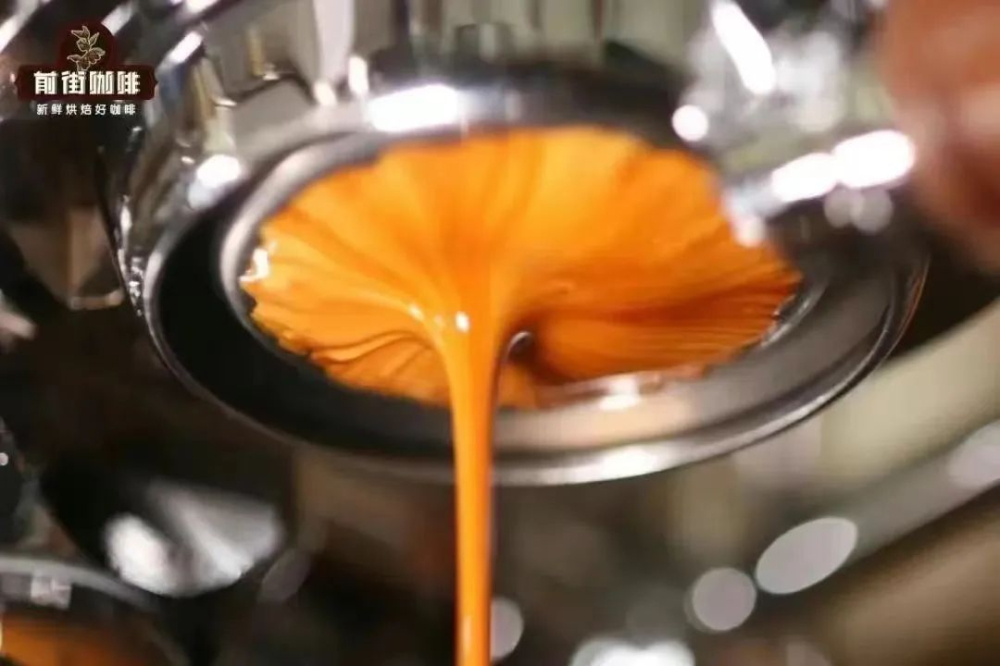
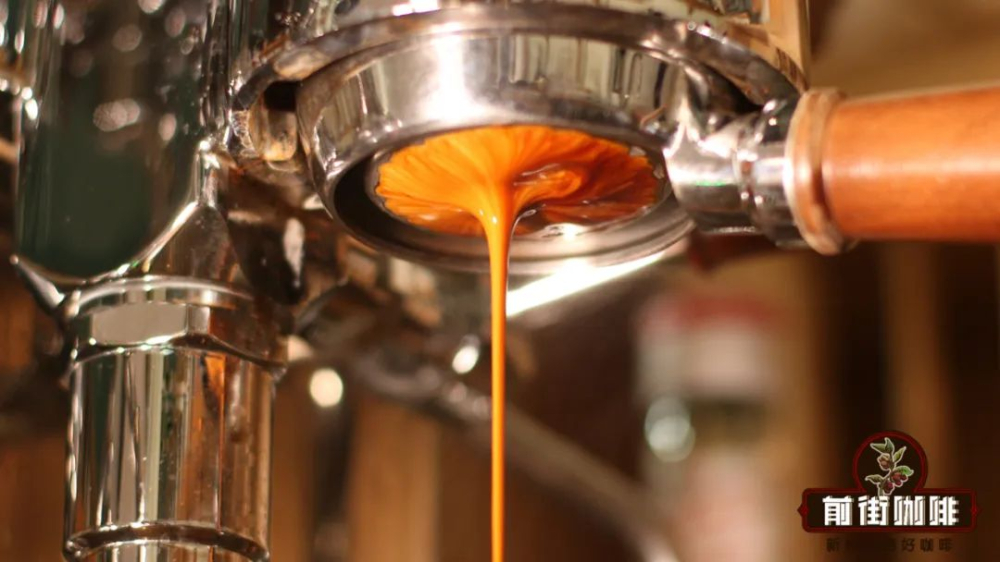
With a healthy extraction through a bottomless portafilter, the espresso emerges from across the basket's underside and converges at the center into a single vertical, uniform stream flowing at a steady rate.
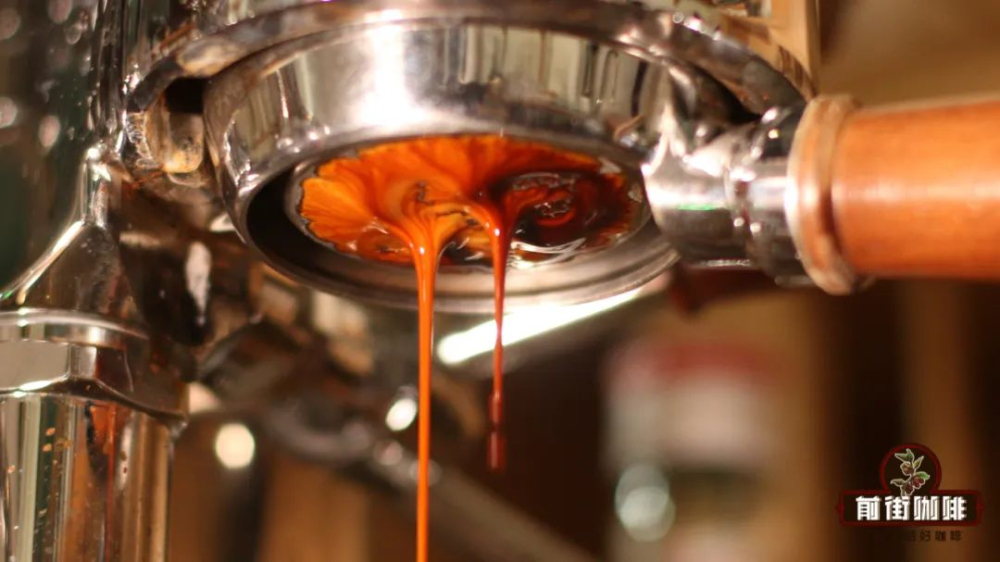
When channeling strikes, you'll see the splattering and wandering streams already mentioned — plus unstable flow rates and multiple streams running at once. Afterwards, you may even find holes of various sizes in the puck. All of these translate into off-tasting espresso, so let's look at how to fix them.
The Causes of Channeling
1. Coffee Ground Clumping
As we covered recently, static electricity is the main culprit behind clumped grounds. Extract espresso straight from a heavily clumped dose and channeling is almost guaranteed. So use a distribution tool or a needle-like whisk (WDT) to break up the clumps first.
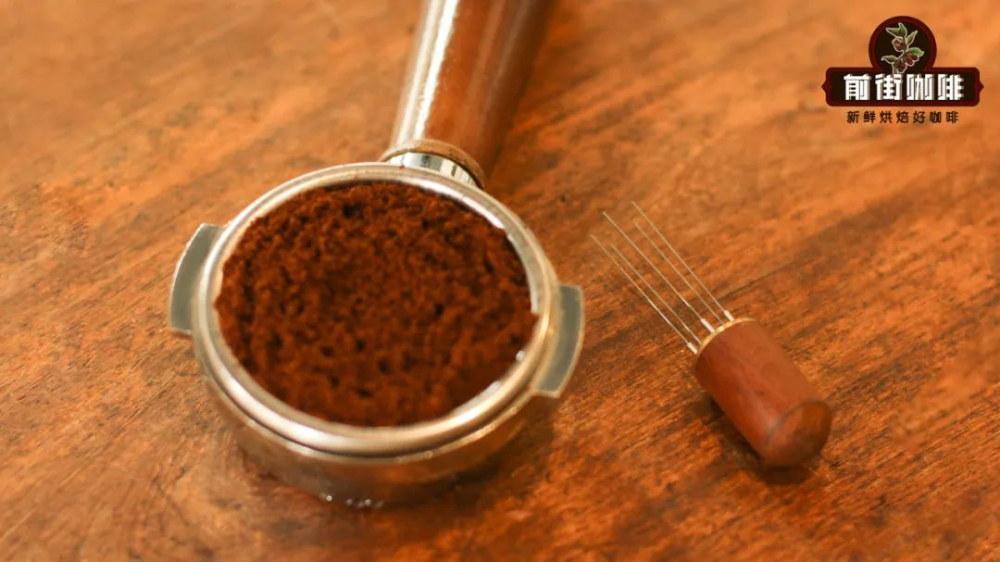
2. Coffee Distribution
Distribution matters just as much. Level the grounds only with your finger and the dose will inevitably be deeper in some areas than others — and uneven dose means uneven density, which is exactly how "channels" form. Use a distribution tool to even the bed out properly.

One caution: set the distribution tool's height to match your basket's capacity. If it's set too deep, it turns into a mini tamper, compressing the grounds during "distribution" — which defeats the whole purpose.
3. Tamping
Tamping is the final step: compress the even but loose coffee bed into a dense puck, ready for extraction.
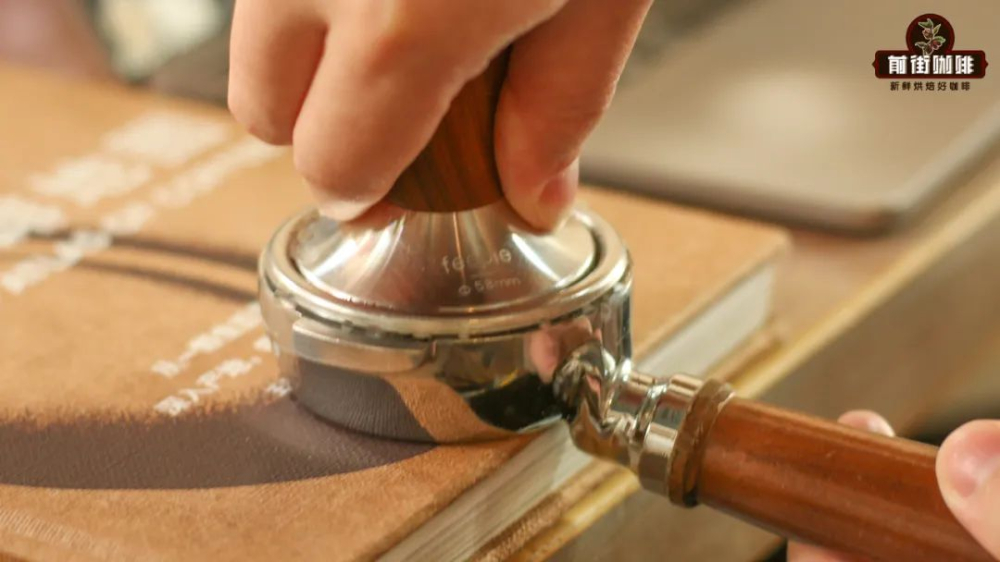
Tamping force matters too. Apply pressure unevenly and you'll end up with a puck of "valleys" and "peaks" — and water, ever lazy, flows to the low spots and carves out big channels on the spot. The safest way to tamp is to concentrate the force through the center, which minimizes the worst pressure errors.
FrontStreet Coffee Recommendation
Channeling is easier to avoid with a fresh, well-built blend behind the puck. The FrontStreet Coffee Classic Espresso Blend, designed specifically for espresso work, extracts with outstanding stability: its traditional Mandheling-Brazil formula plus a touch of Robusta produces thick, golden crema and a mellow body, and it forgives small technique errors — perfect for practicing your distribution and tamping routine. If you run a shop or want extra crema for milk drinks, the FrontStreet Coffee Commercial Blend was long the workhorse for opening cafes: priced below the specialty blends yet purpose-optimized for balance and cost, it performs reliably across all kinds of commercial service.
For home baristas chasing nutty, chocolatey shots, the FrontStreet Coffee Signature Blend (Brazil Cerrado x Colombia Huila) and the 100% Arabica Black Cocoa Blend both deliver smooth, almondy richness with crema to spare — and if you'd like something fruitier to practice SOE-style shots with, the FrontStreet Coffee Strawberry Candy recreates strawberry gummy sweetness in a blend that works straight through the machine or with milk.
Important Notice :
FrontStreet Coffee is a long-established specialty coffee roaster in Guangzhou China, selling freshly roasted beans from its own farm in Yunnan as well as dozens of carefully selected single-origin beans from around the world for both pour-over and espresso. The products deliver consistently excellent quality and great value, with shipping within 24 hours. Guangzhou's FrontStreet Coffee shop is recommended by many coffee lovers, and the beans are now available online at the Tmall 。
FrontStreet Coffee has moved to a new address:
FrontStreet Coffee Address: 315,Donghua East Road,GuangZhou
Tel:020 38364473
 Scan and follow the En Gafei WeChat official account. Please indicate that the reprint comes from "En Gafei".

