Does the "Smell-and-Judge" Method for Pour-Over Coffee Really Work?

Lately, more and more customers have been sniffing the coffee beans before ordering, picking a bag based on whichever fragrance they like. With so many people doing it, FrontStreet Coffee got curious about the logic behind it. The answer we usually hear: "If it smells this good, it must taste even better!" And it's true that coffee beans give off all kinds of distinctive aromas beyond the basic woody and roasted-nut notes.
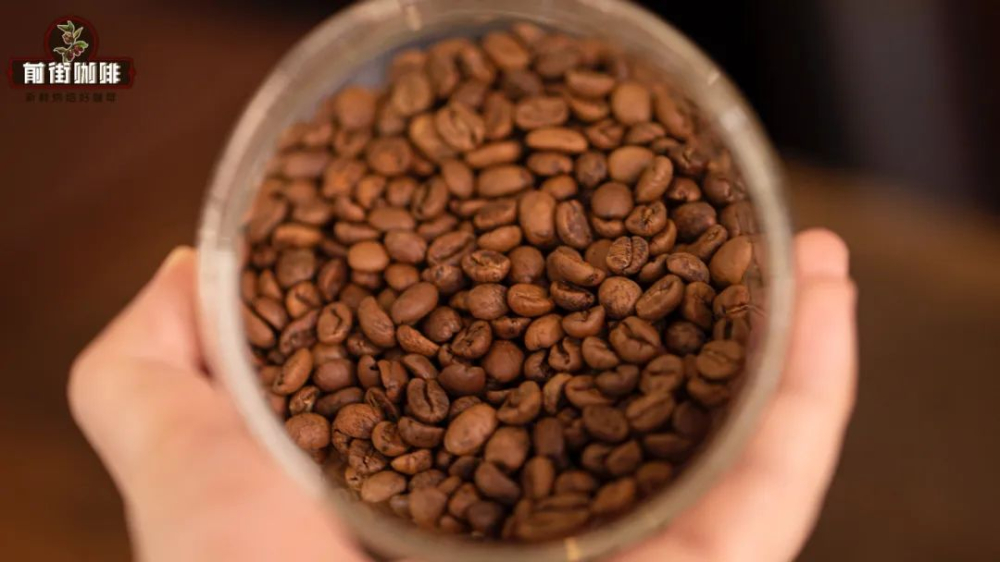
Fruit-forward beans tend to smell abundantly sweet; honey-processed beans carry rich fruit-candy notes; dark roasts put out intense chocolate. Still, FrontStreet Coffee doesn't recommend using bean aroma as your main criterion for choosing coffee. Two reasons:
1. Smell Can Mislead Your Choice
Not every bean characteristic shows up in the dry fragrance — especially before grinding! Most floral-dominant beans, for instance, smell mainly of green tea and cane sugar in whole-bean form; only a few reveal their florals unground.
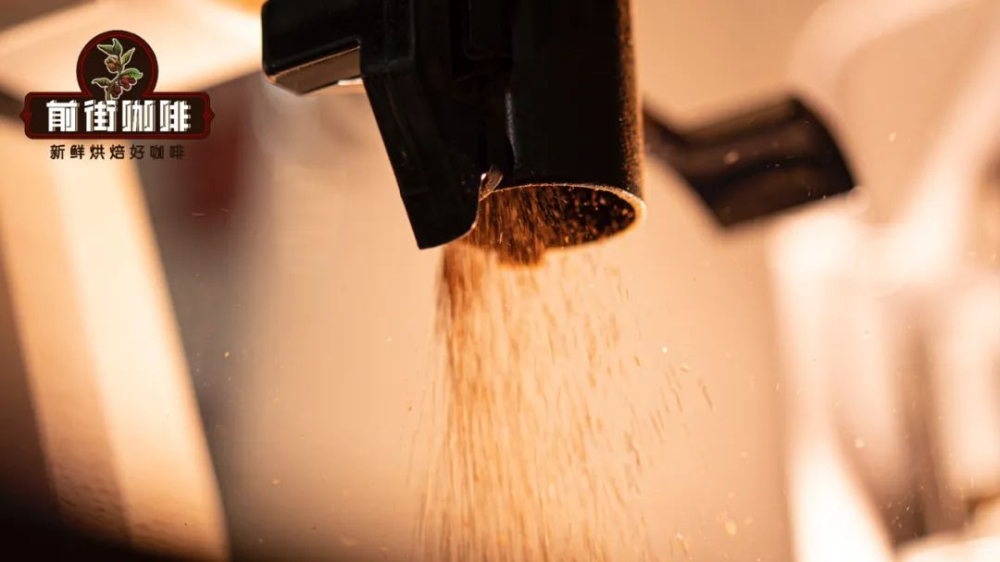
Likewise, some beautifully balanced beans release nothing more than plain woody and nutty notes until they're ground, only opening up their aromatic compounds afterwards. In other words, plenty of beans that seem unremarkable in the jar will far exceed your expectations in the cup!
2. Smelling and Tasting Are Two Different Things
About six months ago, FrontStreet Coffee covered this in an article titled "Coffee Doesn't Taste as Good as It Smells," explaining how aroma can trick you into believing the coffee will taste as sweet as it smells.
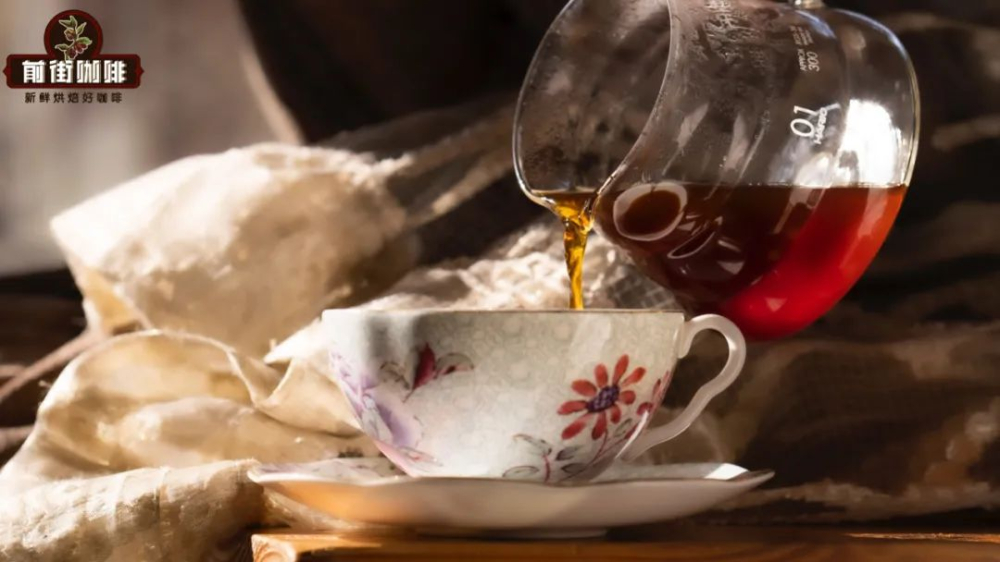
Example: a brewed coffee that shows rich fruit flavor is really displaying "acidity plus sweetness" — the more (appropriate) acidity, the fuller the fruit impression, and the fuller the fruit, the more aromatic and sweet the beans smell. The consequence? Beginners assume they're buying a coffee that's all sweetness and no acidity. Then, expecting sweetness, they taste a bright, assertive acidity — and we get to watch the "face change" happen in real time.

Or the reverse: you smell rich nut and chocolate aromas but taste only bitterness and spice. These mismatches happen all the time — which is why FrontStreet Coffee always reminds customers who ask to smell the beans: "How a bean smells and how it tastes are two different things." So how can you judge a coffee's likely flavor before tasting it?
How to Judge Coffee Flavor Before Tasting
1. Read the Label (Best for Experienced Coffee Drinkers)
Besides the flavor description, the label offers other clues — and the two most important are origin and processing method.
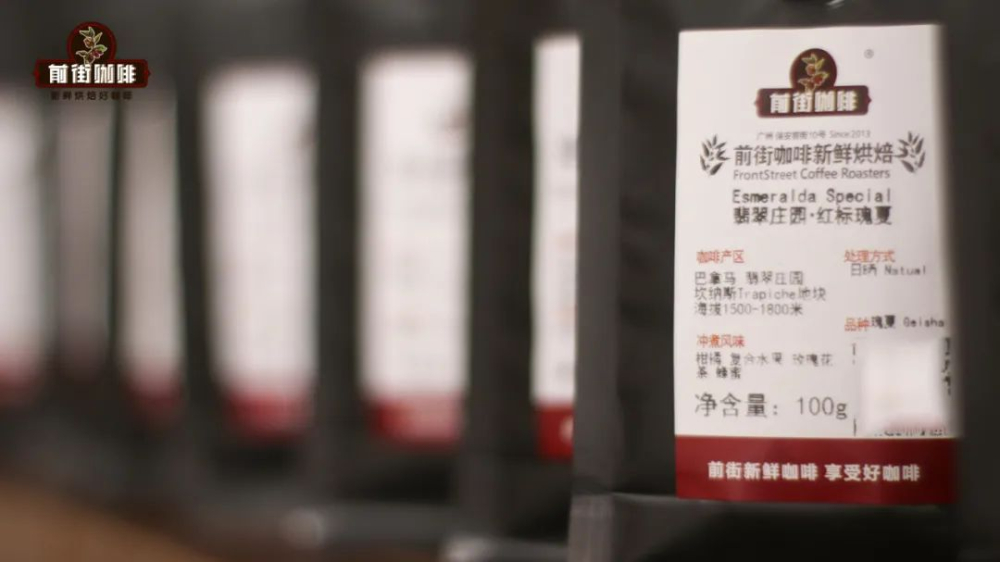
As the saying goes, "An orange grown south of the Huai River is sweet; grown north of it, bitter." Origin sets a bean's baseline flavor — different growing regions produce very different foundations. Processing method, meanwhile, drives different transformations in the green bean's compounds, creating distinct taste characteristics: washed beans typically show brighter acidity, naturals a higher perceived sweetness, anaerobic lots richer fermentation notes, and so on. Combine that with the flavor description and you can map out a bean's basic profile (sweet, sour, bitter) and its special traits. For more detail, see our bean-selection article "How Should You Choose Coffee Beans?"
2. Ask Your Barista (Most Recommended for Beginners!)
Baristas don't just brew coffee all day — they taste it constantly. Plenty of people become baristas in the first place so they can drink good coffee for free.
So the barista drinking the shop's coffee every day knows the beans best. When the menu leaves you lost, just tell them what you're after — sour, sweet, bitter, floral, fruity, wine-like — and they'll steer you to the beans that fit.
- END -
FrontStreet Coffee Recommendation
Reading labels gets a lot easier once you know a few reference points. For washed brightness, FrontStreet Coffee's Yirgacheffe Guodingding is the classic example — distinct citrus, berry, and floral aromatics with a green-tea-like finish, the bean we recommend to anyone starting their journey into specialty coffee. For natural-process sweetness, the FrontStreet Coffee Ethiopia Huakui is hard to beat: tropical fruit aromas of strawberry, passion fruit, jackfruit, and lychee, a smooth juice-like body, and almost no bitterness — "the coffee that tastes least like coffee." And the FrontStreet Coffee Natural Red Cherry, sun-dried whole for three to five weeks on raised beds, offers citrus acidity, berry-juice vibrance, honey sweetness, and cream-smooth texture.
If, after all that sniffing, what you truly love is chocolate and nuts, don't fight it — go medium-dark. The FrontStreet Coffee PWN Indonesia Golden Mandheling is deep-roasted with very low acidity, long and mellow with herbs and dark chocolate, while the FrontStreet Coffee Jamaica Blue Mountain No.1 balances cream, caramel, chocolate, nuts, and honey in that famously harmonious way — proof that the nose may lead you astray, but the label won't.

Important Notice :
FrontStreet Coffee is a long-established specialty coffee roaster in Guangzhou China, selling freshly roasted beans from its own farm in Yunnan as well as dozens of carefully selected single-origin beans from around the world for both pour-over and espresso. The products deliver consistently excellent quality and great value, with shipping within 24 hours. Guangzhou's FrontStreet Coffee shop is recommended by many coffee lovers, and the beans are now available online at the Tmall 。
FrontStreet Coffee has moved to a new address:
FrontStreet Coffee Address: 315,Donghua East Road,GuangZhou
Tel:020 38364473
 Scan and follow the En Gafei WeChat official account. Please indicate that the reprint comes from "En Gafei".