Papua New Guinea Coffee Regions, Coffee Varieties, and Paradise Bird Coffee Introduction
Papua New Guinea lies in the southwestern Pacific Ocean. It borders Indonesia's Papua Province to the west and faces Australia across the Torres Strait to the south—an archipelagic nation of more than 600 islands.
Areas above 1,000 meters have a highland climate, while the rest of the country is tropical. May through October is the dry season, November through April the rainy season. Coastal areas average 21–32°C annually, with mountain regions running 5–6°C cooler, and average annual rainfall is 2,500 millimeters.
History of Coffee Cultivation
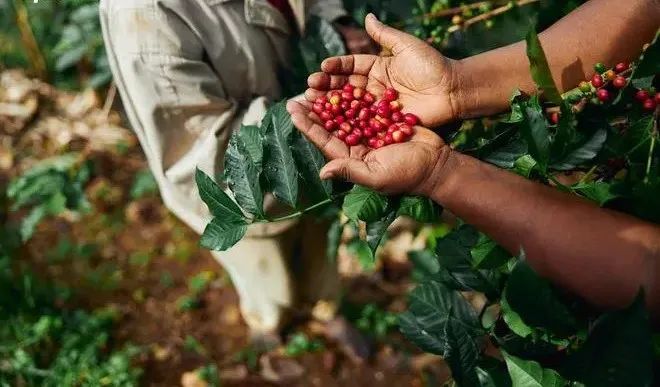
Coffee cultivation began as early as the 1890s, though it was not initially treated as a commercial product. By 1926, 18 coffee estates had been established, seeded from Jamaica's Blue Mountain stock. The plants adapted so well to local conditions that Papua New Guinea earned the nickname "Little Blue Mountain." The industry did not flourish until 1928. In the 1950s it grew structurally as basic infrastructure expanded, and another turning point came in the 1970s: with Brazilian coffee output declining, the government rolled out programs encouraging small farms to convert to cooperative operation. By the 1980s the industry's structure began to shift and diversify. After coffee prices fell, many estates slid into financial crisis, while small farmers—cushioned from market swings—kept producing. Today, 95% of the country's producers are small farmers, growing 95% of the nation's coffee, all of it Arabica.
Most of Papua New Guinea's beans come from the highland provinces, though coffee grows elsewhere in smaller quantities. The main varieties are Bourbon and Typica, with harvest running from April to September.
Coffee Growing Regions
Eastern Highlands Province
The Eastern Highlands is the country's second-largest coffee-producing province, located in the central part of the country. A mountain range spans the entire region, and the Eastern Highlands forms part of it. Coffee grows here at elevations of 400–1,900 meters.
Western Highlands Province
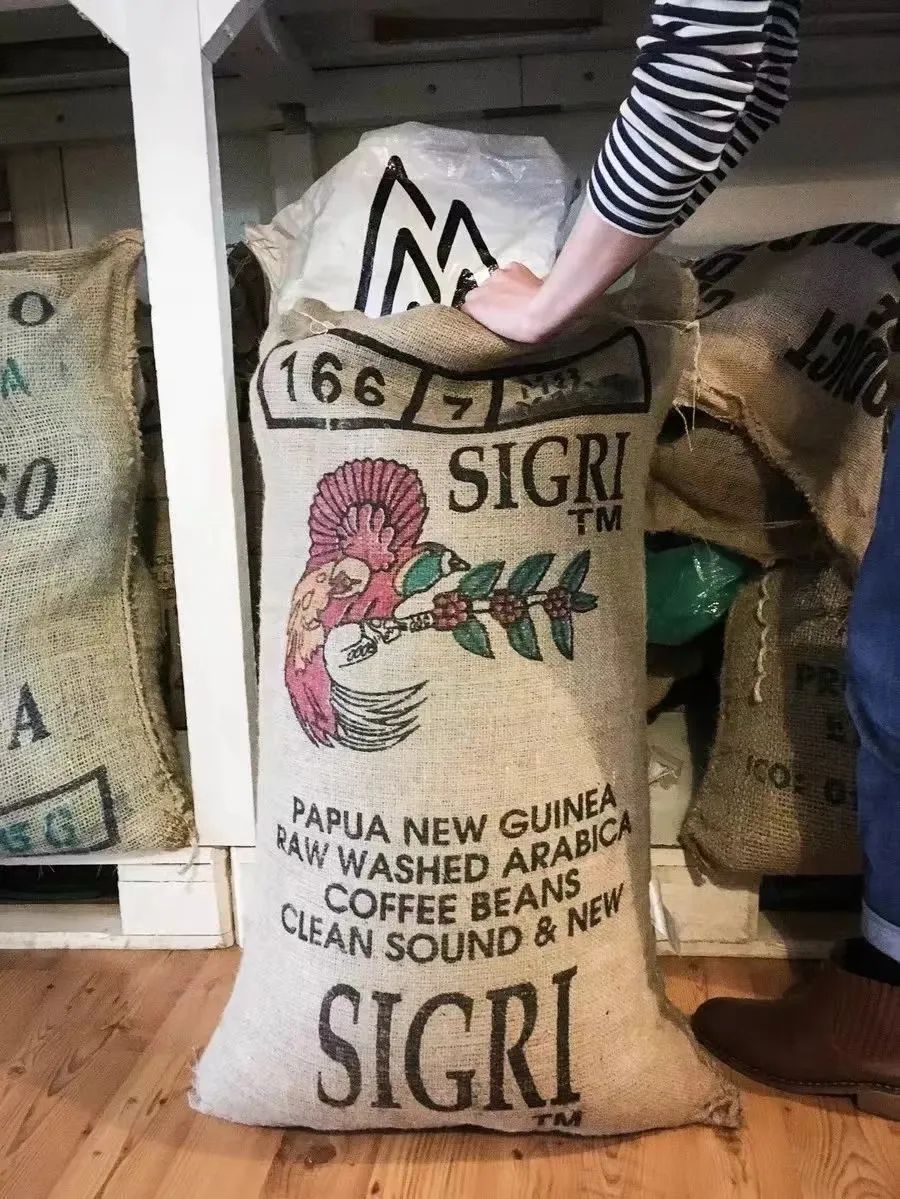
This is the country's main and largest coffee-producing province, with cultivation centered around the provincial capital Mount Hagen—a city named for an ancient dormant volcano. Elevations range from 1,000 to 1,800 meters. FrontStreet Coffee currently sources its Paradise Bird Estate beans from this region: Typica variety, washed processed, with caramel, cocoa, and almond flavors and a balanced, silky mouthfeel.
Jiwaka
Jiwaka sits in central Papua New Guinea, with the Waghi River threading its main valleys between steep volcanoes and ridges. Elevations range from 1,400 to 2,000 meters, and Typica, Bourbon, and Mundo Novo are grown here.
Simbu Province
Simbu is a mountainous inland province with relatively low output—just 7% of national coffee production. Elevations range from 1,300 to 1,900 meters.
Coffee Grading System
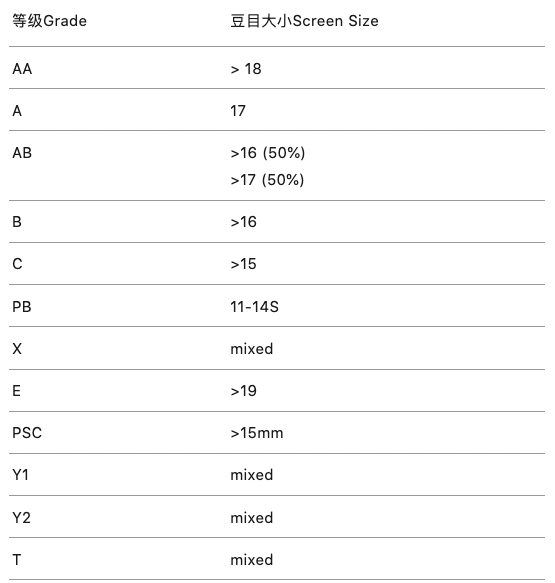
Papua New Guinea grades its coffee by defect count, across 12 grades in total.
FrontStreet Coffee Recommendation
If "Little Blue Mountain" has you curious about the original, here are two certified picks from the FrontStreet Coffee shelf:
FrontStreet Jamaica Blue Mountain No.1 — The top grade of Jamaican Blue Mountain, from the historic Clifton Estate, growing coffee since roughly 1750 at an average elevation of 4,300 feet (1,310.64 meters). High altitude, afternoon cloud cover, ample sunshine, and mineral-rich soil extend cherry ripening; a medium-dark roast then unfolds nuts, dark chocolate, cream caramel, and soft sweetness in perfect harmony. Available for hand-drip (1:15 to 1:16, 85–88°C, medium-coarse grind) or a moka pot for a fuller chocolate-and-caramel cup.
FrontStreet Jamaica Blue Mountain — The genuine article carries Jamaica's official certification and proof of origin, ships in traditional wooden barrels of 15, 45, or 70 kilograms stamped with batch details, and shows green, plump beans with slightly upturned tips. In the cup it is deeply aromatic yet clean and tranquil—dense, complex, and gentle, with sweetness, acidity, and bitterness in flawless proportion and a long fruity finish. The benchmark against which every "Little Blue Mountain" is measured.
Important Notice :
FrontStreet Coffee is a long-established specialty coffee roaster in Guangzhou China, selling freshly roasted beans from its own farm in Yunnan as well as dozens of carefully selected single-origin beans from around the world for both pour-over and espresso. The products deliver consistently excellent quality and great value, with shipping within 24 hours. Guangzhou's FrontStreet Coffee shop is recommended by many coffee lovers, and the beans are now available online at the Tmall 。
FrontStreet Coffee has moved to a new address:
FrontStreet Coffee Address: 315,Donghua East Road,GuangZhou
Tel:020 38364473
 Scan and follow the En Gafei WeChat official account. Please indicate that the reprint comes from "En Gafei".