
Can Hot and Warm Water Be Used to Make Cold Brew Coffee? What Unique Characteristics Do They Create?

Understanding Traditional Cold Brew
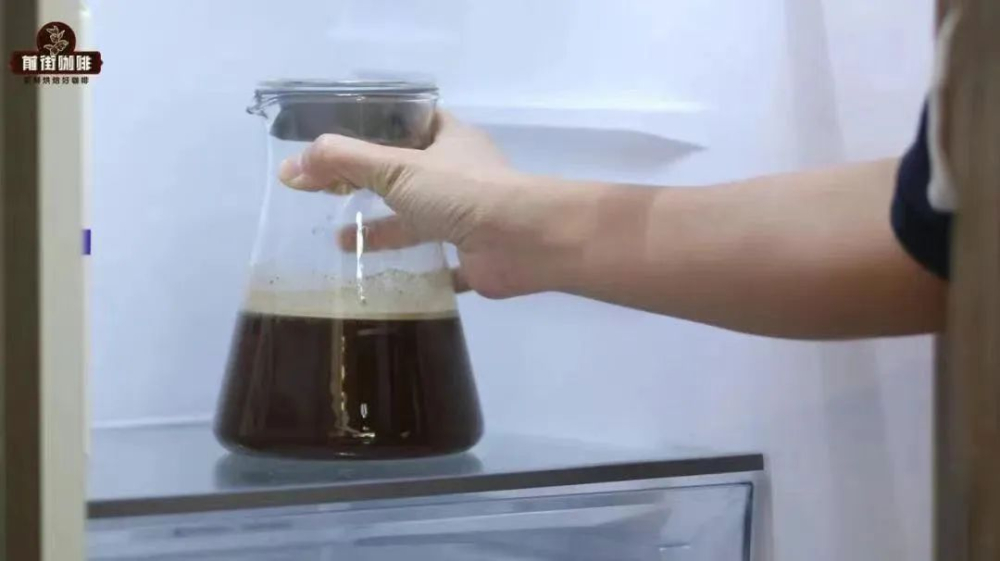
Hold on, we know you have something to say, but hear FrontStreet Coffee out first. Here is the thing: cold brew normally takes 8-12 hours to make. Part of that is because room-temperature or cold water extracts slowly, and part of it is because the coffee needs time to develop. That is why we usually leave it to steep overnight.
The Quest for Quick Cold Brew
But sometimes the craving strikes and you simply do not want to wait through the whole night, so you want cold brew the same day. Is there a way to make it quickly and drink it right away? The answer is a definite yes. Because room-temperature water extracts slowly, we can raise the water temperature to speed up the extraction rate and shorten the time. That way we can cut the preparation time considerably.

The Science Behind Cold Brew Extraction
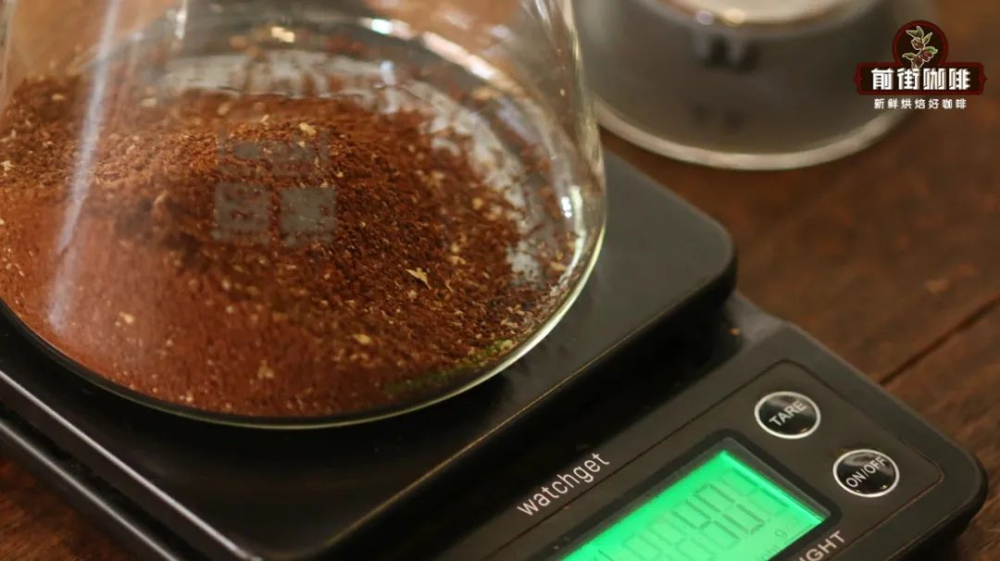
At this point a sharp reader might object: "But is that not just hot water? Care to guess why cold brew is called cold brew?" Fair point. The whole significance of cold brew lies in extracting at low temperature. Low-temperature extraction lets the coffee yield a fuller range of floral and fruity aromas than high-temperature extraction, and the reason is the slower extraction rate. Put simply, it slows the release of every substance from the coffee particles. Acid, sweetness, and bitterness are the three main flavor compounds released during extraction. Although they start being released at the same time, their dissolution rates differ, so the point at which each dominates varies. Acidic compounds pour out first in large amounts, then sweet compounds, and only once those two have mostly been extracted do bitter compounds begin to release in quantity.
Why Traditional Cold Brew Isn't Bitter
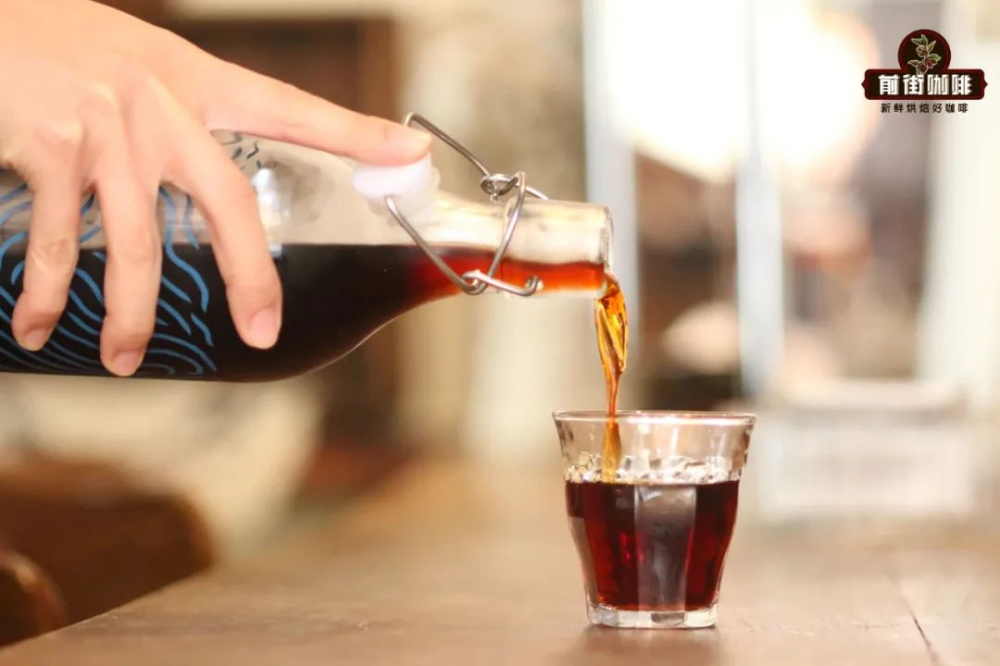
In other words, the reason a traditionally made cold brew is not bitter and shows a fuller range of floral and fruity aroma is that extraction never reaches the point where bitter compounds dominate. By shrinking bitterness's share, the acidic and sweet compounds get more room to shine.
The Optimal Temperature for Quick Cold Brew
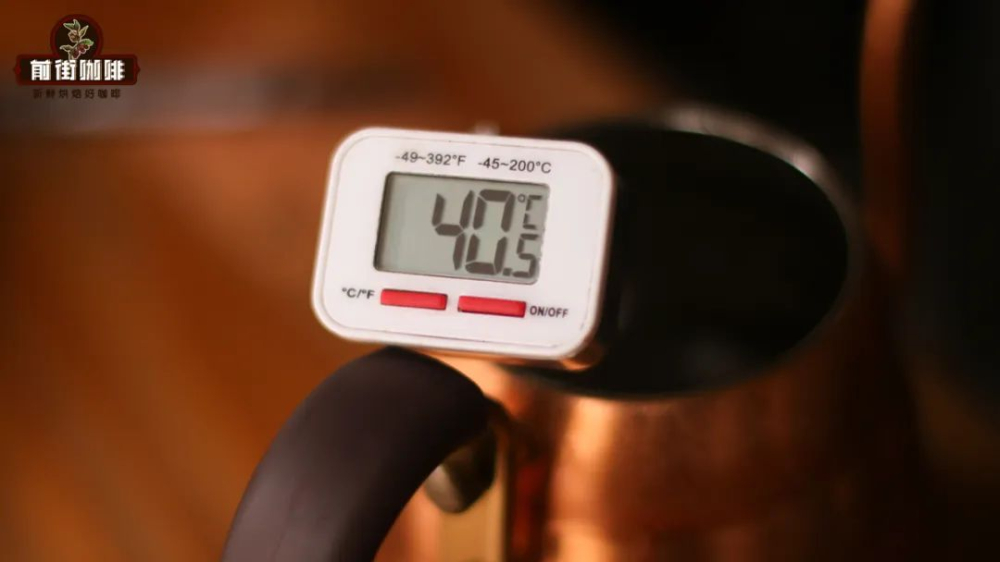
So we cannot simply swap hot water for room-temperature water when making cold brew, because in just a few minutes the 30% of soluble substances in the coffee would be fully extracted. If we want a faster extraction, then, we can only nudge the temperature of the room-temperature water slightly upward. This trims the extraction time while still keeping bitter flavors out of the cup.
So what water temperature suits quick cold brew? In an experiment six months ago, FrontStreet Coffee found that 40°C warm water produces the best quick cold brew.
Experimental Comparison
After that article went out, though, some readers raised a question: would using 92°C hot water for the bloom and then adding room-temperature water for rapid cooling and extraction avoid over-extraction and give an even better result? Good thinking. So for this experiment we added a comparison: for quick cold brew, should we use warm water directly for immersion extraction, or use 92°C hot water to "bloom" and stir before adding room-temperature water to steep?
The previous evening, FrontStreet Coffee had already prepared a regular cold brew for comparison, so the beans used for today's test would match it: Colombia Hanami. It has a full-bodied fruity acidity, rich floral aroma, and a rare pink pepper note. With such distinct layers it is the ideal bean for today's experiment, and it is genuinely delicious.
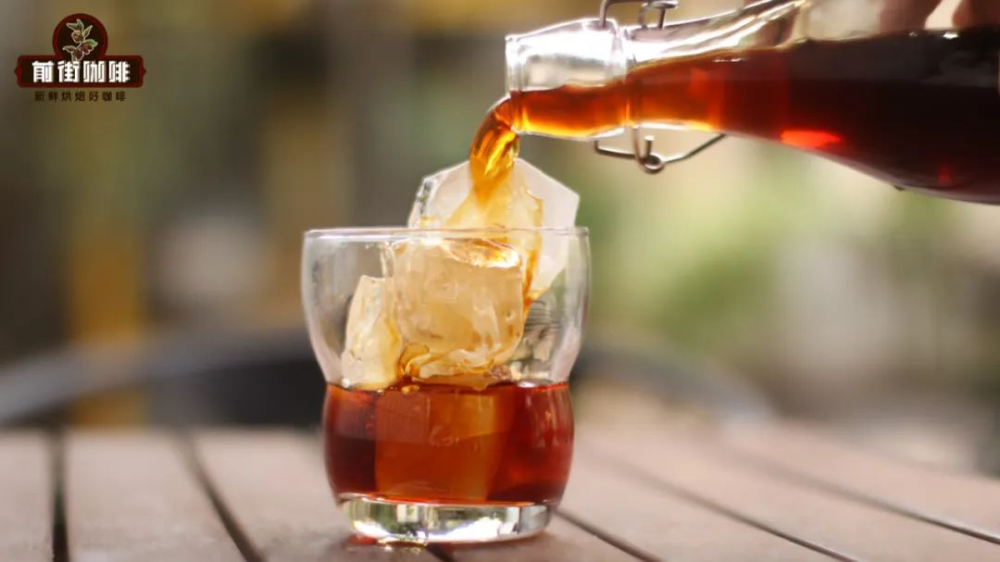
Regular cold brew parameters: 20g coffee powder, water temperature 23°C, grind size at EK43 setting 10, powder-to-water ratio 1:12, refrigeration time 10 hours.
Warm-water cold brew parameters: 20g coffee powder, water temperature 40°C, grind size at EK43 setting 10, powder-to-water ratio 1:12, refrigeration time 4 hours.
Hot-water-bloom cold brew parameters: 20g coffee powder, water temperature 92°C and 23°C, grind size at EK43 setting 10, powder-to-water ratio 1:12, refrigeration time 4 hours.
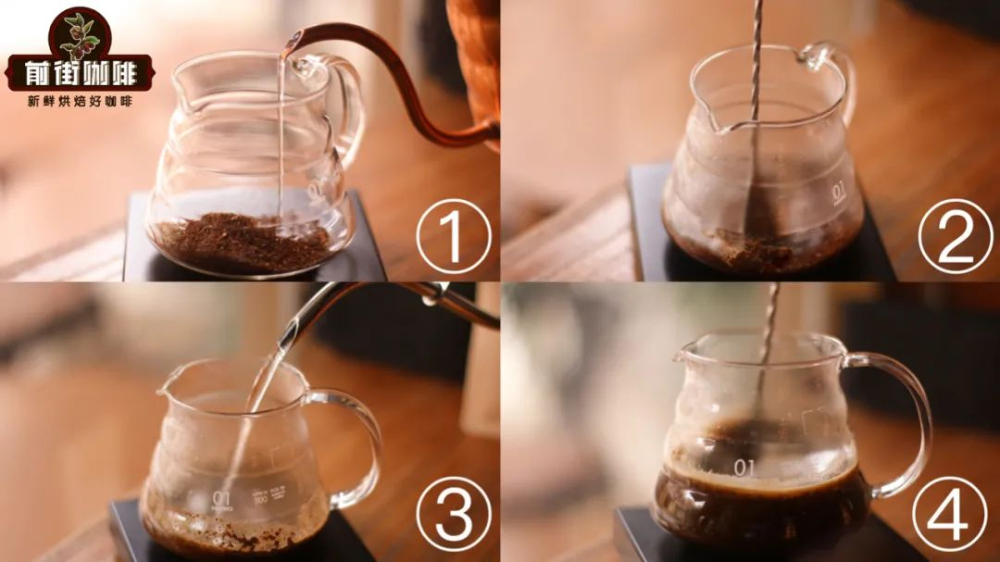
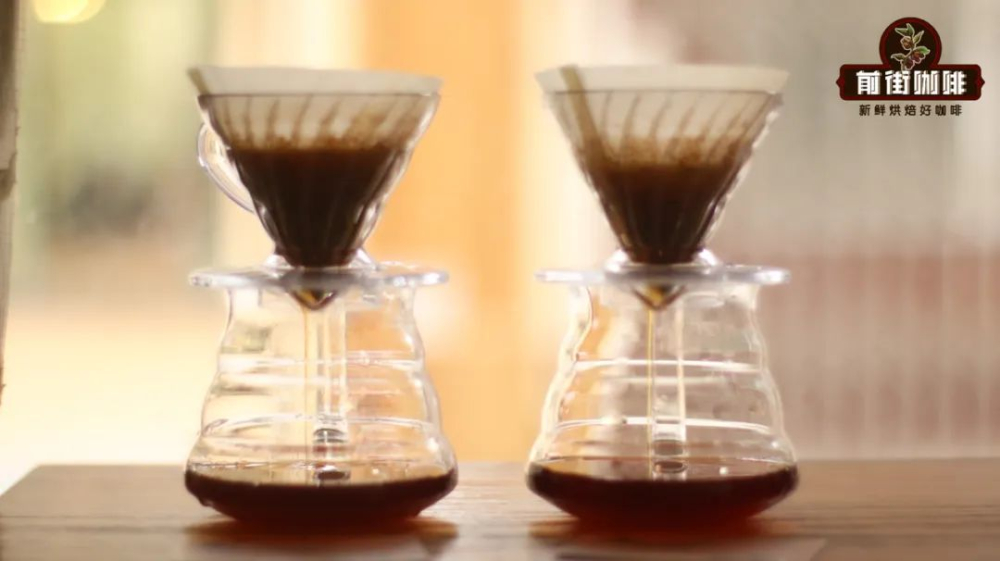
Let's start brewing them directly. The all-warm-water batch simply pours 20g of coffee powder and 240ml of 40°C warm water into the pot and stirs.
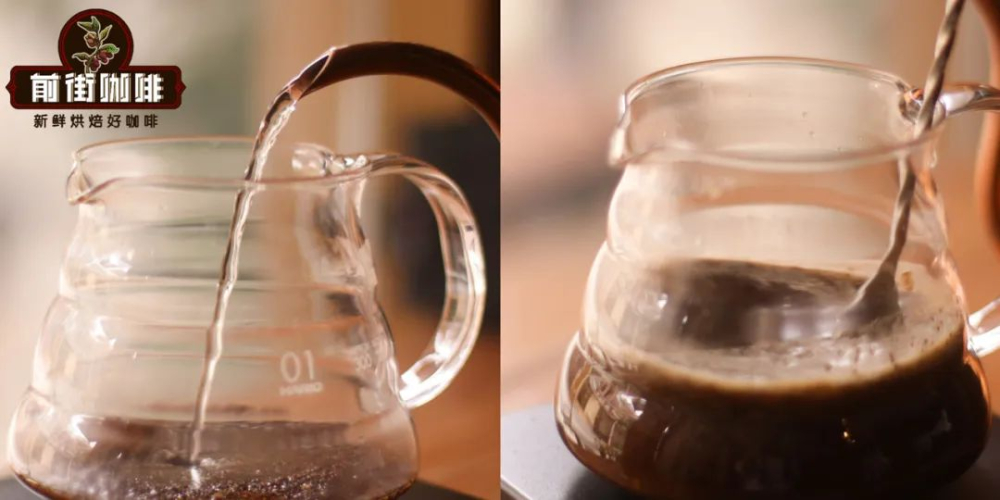
The hot-water-bloom batch, meanwhile, pours 20g of coffee powder and 40ml of 92°C water into the pot and stirs. Once it is evenly mixed, add 200ml of 23°C room-temperature water and stir again.
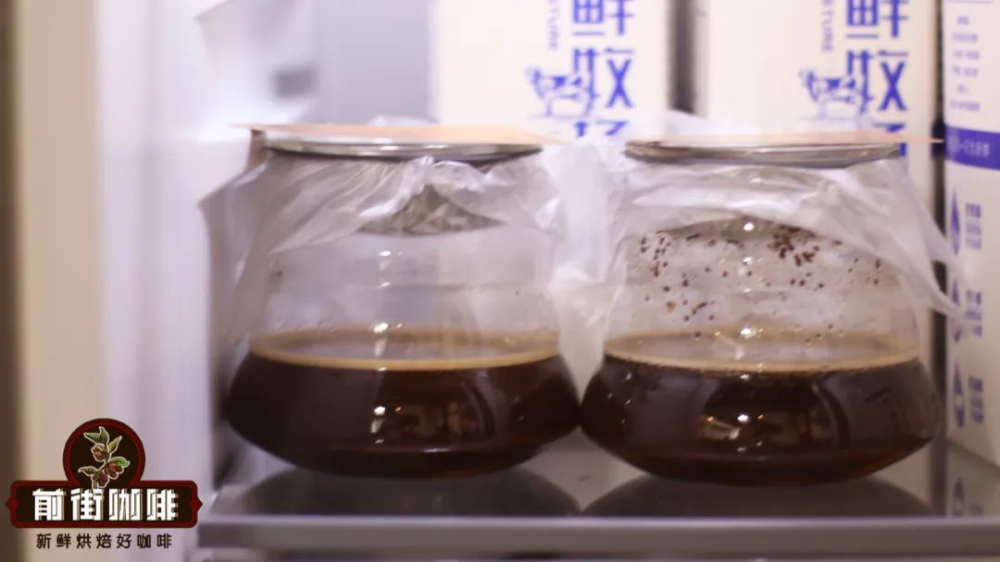
Then both are sealed and placed in the refrigerator for 4 hours of cold storage.
Tasting Results
Refrigeration complete. We take them out, filter each one separately, then taste them in turn to see what differences emerge.
Regular cold brew: full-bodied with round berry flavors, a very distinct pink pepper note, and obvious fermentation, coming together into something like a spiced strawberry juice. Excellent.
Cold brew made with 40°C warm water: also showing excellent berry flavors with prominent sweetness, though slightly less round than the regular version. The pink pepper comes through well, but because the steeping time was shorter, the fermentation note is relatively faint.
Cold brew with 92°C hot-water bloom plus room-temperature water: compared with the first two cups, its flavor is more like an iced pour-over, with acidity, sweetness, and bitterness in balance. In terms of fermentation, it is the weakest of the three.
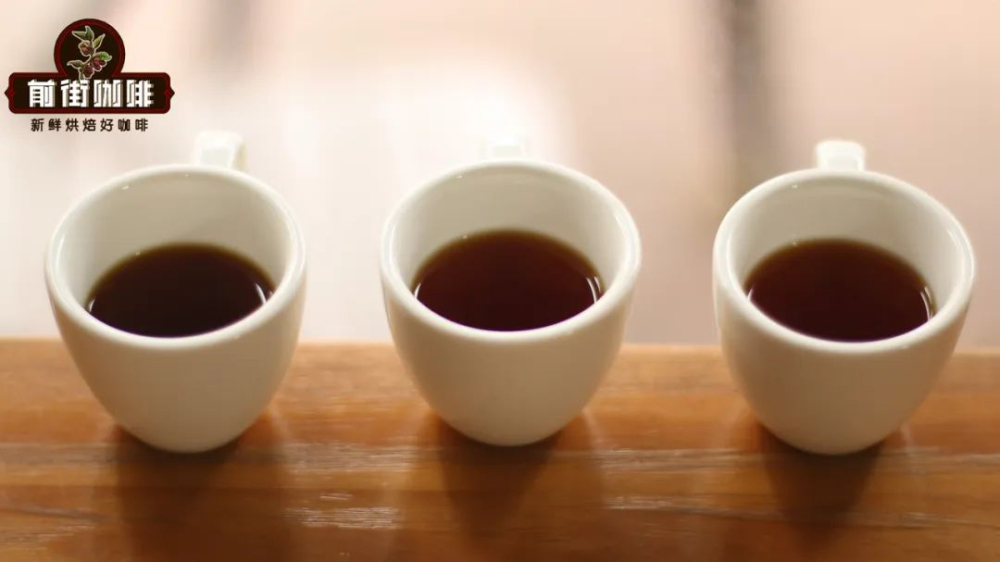
(Because the three were immersed and extracted differently, their colors differ in depth.)
Conclusion
So the quick cold brew made by steeping in 40°C warm water comes closest to a regular cold brew. Although the overall experience is not quite as rich as a regular cold brew, its ability to deliver a cold brew with fermentation notes and well-expressed flavor in a short time already satisfies anyone who is craving their coffee right now.
- END -
FrontStreet Coffee (FrontStreet Coffee)
No. 10, Bao'an Front Street, Yandun Road, Dongshankou, Yuexiu District, Guangzhou City, Guangdong Province

FrontStreet Coffee Recommendation
Cold brew rewards beans that lean floral and fruity, since low-temperature extraction amplifies those notes and mutes woody and roast tones. FrontStreet Strawberry Sugar Geisha blend is a natural fit: it pairs the classic Panamanian Geisha profile of fine rose and orange with a Costa Rican honey-processed coffee full of grape, raisin, and strawberry-candy sweetness, so the cold brew tastes bright and lively and, given a little extra fermentation time, even takes on a fruit-wine character.
If you want flower notes up front, reach for FrontStreet sun-dried Huakui. Grown in Ethiopia and dried with the fruit still on the bean, it soaks up a great deal of sweetness and, as cold brew, shows magnolia, cream strawberry, dried mango, guava, and black tea. For something with more juicy acidity, FrontStreet Kenya Cherry Tomato brings sun-dried tomato, pear, black plum, and smoked plum at low temperature, with low bitterness and a long, lingering finish.
Because cold brew uses more grounds than a pour-over, it also helps to balance quality against cost. Blending FrontStreet Colombia Sidra with FrontStreet Costa Rica Tarrazu at about 1:2 keeps the passion-fruit and stone-fruit richness of the Sidra alongside the clean citrus acidity of the Tarrazu, and it is an economical way to keep cold brew in the fridge all summer.
Important Notice :
FrontStreet Coffee is a long-established specialty coffee roaster in Guangzhou China, selling freshly roasted beans from its own farm in Yunnan as well as dozens of carefully selected single-origin beans from around the world for both pour-over and espresso. The products deliver consistently excellent quality and great value, with shipping within 24 hours. Guangzhou's FrontStreet Coffee shop is recommended by many coffee lovers, and the beans are now available online at the Tmall 。
FrontStreet Coffee has moved to a new address:
FrontStreet Coffee Address: 315,Donghua East Road,GuangZhou
Tel:020 38364473
 Scan and follow the En Gafei WeChat official account. Please indicate that the reprint comes from "En Gafei".

