
What is the connection between Gorie Gesha and Gesha 1931 from Ethiopia's Gesha Village and Panama's Gesha?
The Rise of Geisha: From Ethiopia to Panama
Geisha coffee made its name in Panama, but its roots lie in Ethiopia — which is why coffee people constantly compare Geishas from the two countries. "Geisha 1931" and "Gori Gesha" have emerged as the flagship Ethiopian Geishas, and they're the ones most often held up against their Panamanian counterparts.
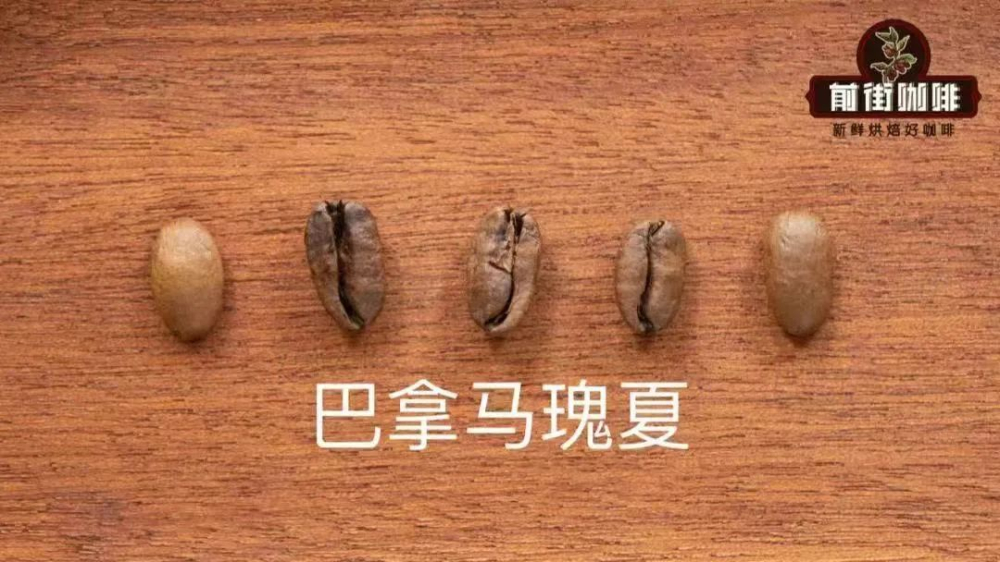
Yet online discussions frequently insist that "these aren't true Geishas." That naturally raises a question: if they're all called Geisha, why do people doubt their authenticity? Let's dig into where these two varieties actually came from.
The Origins of Geisha 1931 and Gori Gesha
In 2004, after Hacienda La Esmeralda shot to fame with a coffee of rich florals and citrus-honey undertones, growers around the world became captivated by those extraordinary flavors. Everyone wanted to grow a coffee that tasted like that.
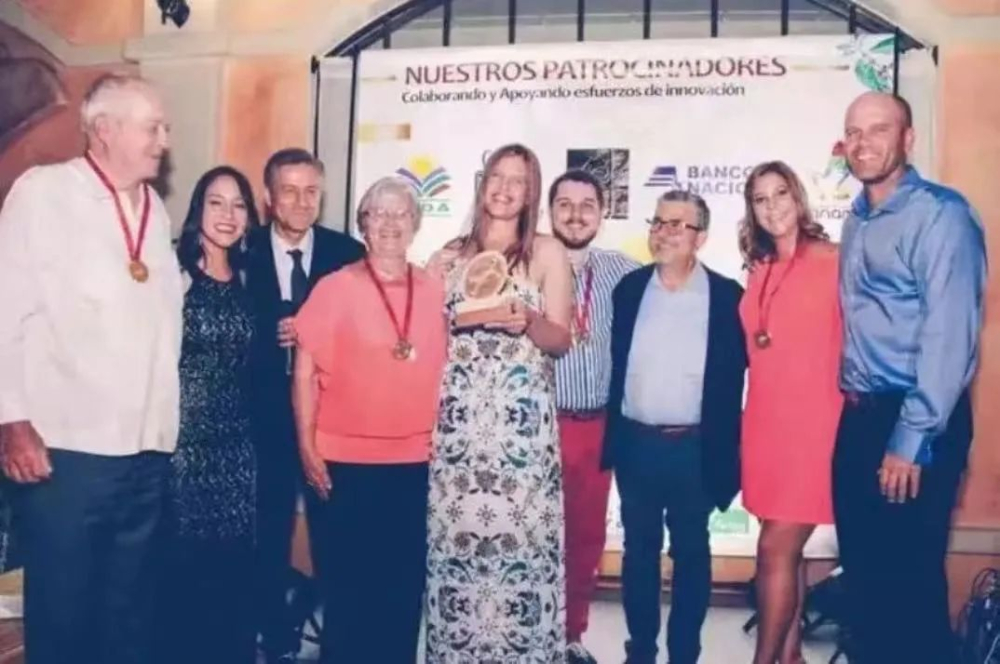
Once people learned those exceptional flavors came from the noble "Geisha" lineage, attention turned to the variety's birthplace. Producers hoped to find the very same "Geisha variety" thriving in Panama back at its origin — and so the hunt for Geisha's roots began. Remarkably, researchers succeeded in tracing Panamanian Geisha to its source: in 1931, British border patrols had collected it from Ethiopia's Gesha Forest along with other native varieties, and after several decades of wandering it eventually reached Panama.
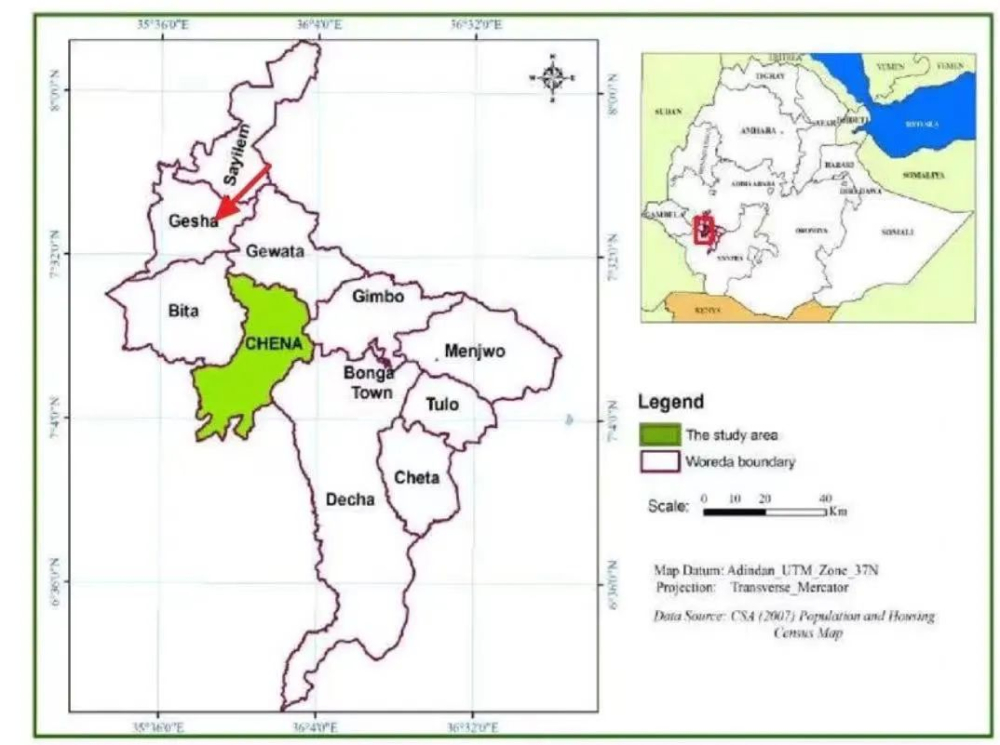
When the news spread, many tried to find genetically identical varieties in that region. The problem: Ethiopia hosts thousands of native coffee varieties, so the odds of finding an exact genetic match are vanishingly small. Then in 2007, Adam Overton arrived in Ethiopia as director of a coffee documentary. As filming progressed he fell under coffee's spell and developed a genuine fascination with it — and in 2009, he returned to Ethiopia.

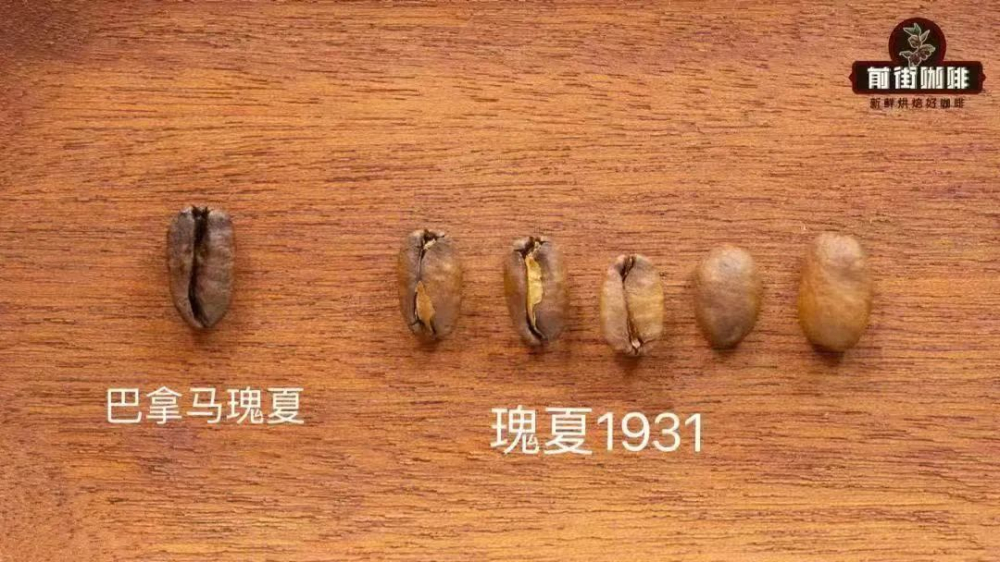
This time he was guided by Willem Boot, owner of Donkey Estate. Their mission was clear: enter the forest where Geisha was first "discovered" and find the variety that made Hacienda La Esmeralda famous. Ultimately, through plant morphology analysis and cupping evaluations, they identified a variety strikingly similar to Geisha in both flavor profile and genetic comparison. They named it "Geisha 1931."
In 2011, Adam and Rachel established their estate in southwestern Ethiopia. Because it sat within the Geisha Village area, they named it "Geisha Village Estate."
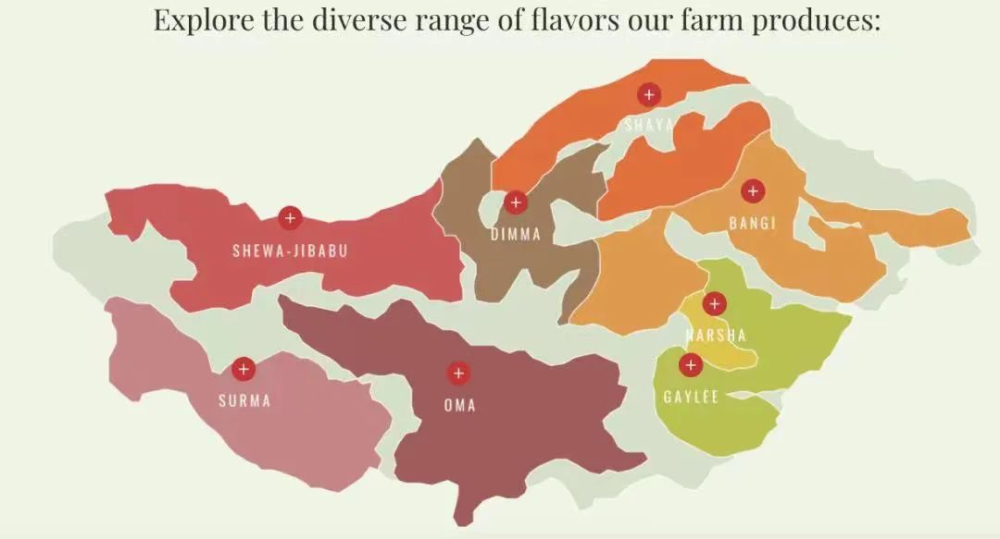
That same year, Adam found a Geisha-like variety in the Gori Forest near the estate and brought it back to cultivate on the farm. Since this Geisha-like variety was found in the Gori Forest, it was named "Gori Gesha."
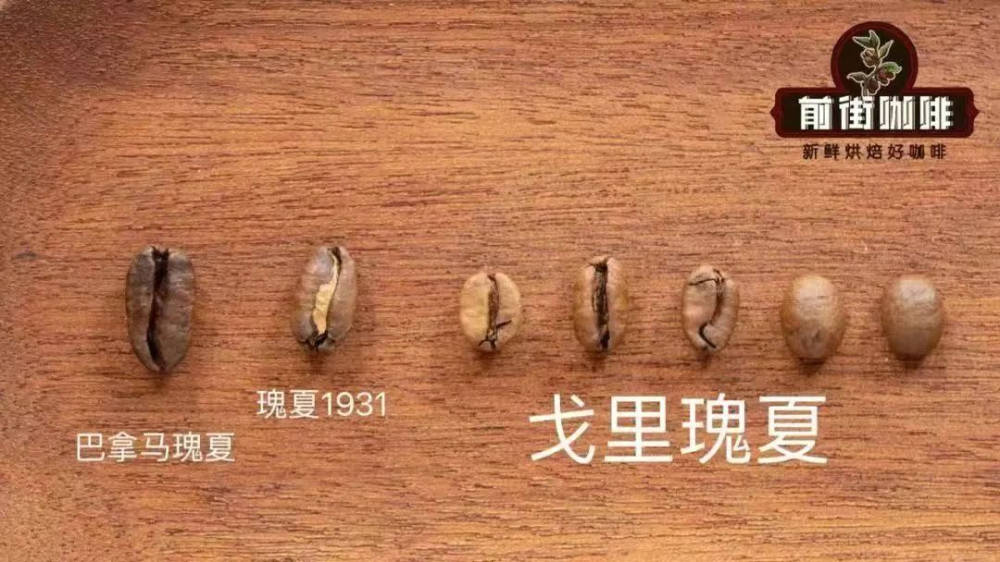
As you've probably gathered, neither Geisha 1931 nor Gori Gesha is genetically identical to Panamanian Geisha. Both were identified by using Panamanian Geisha as a reference template to find similar varieties in Geisha's birthplace — which doesn't prove they share its exact genetic lineage. But they do come from the same Gesha Forest region, so applying the Geisha name to both is entirely reasonable. How you interpret these two Geishas from Geisha Village is, in the end, a matter of personal perspective!

FrontStreet Coffee Recommendation
Geisha is one of the most beloved Arabica varieties: its singular florals and superb sweet-tart character have won over countless coffee lovers, even as low yields, weak disease resistance, and demanding cultivation keep its price climbing. If you want a great-tasting Geisha without a painful bill, it helps to know the types and where the value lies — FrontStreet Coffee's recommendations below.
First, the Panama classics from Hacienda La Esmeralda, the estate that made Geisha famous. The Red Label (officially "Esmeralda Special") grows at 1,600–1,800 meters, every batch must cup above 90 points, and each batch carries its own lot number with all beans drawn from a single small plot — FrontStreet Coffee's Red Label comes from the Jaramillo lot — so buyers can pick the batch that matches their flavor preferences. The Green Label ("Private Collection") blends batches from multiple plots to express Esmeralda's signature high-altitude Geisha character rather than any single terroir, and its more accessible price makes FrontStreet Coffee's Green Label outstanding value.
For newcomers who just want a first taste of the legendary "Geisha flavor," FrontStreet Coffee recommends the Panama Boquete Gesha — an entry-level Geisha that lets you experience classic high-quality Panamanian notes of orange blossom and honey, an oolong-tea-like texture, delicate fruit acidity, and well-defined layers, all at a friendly price.
Ethiopia, coffee's birthplace, has its own Geisha-famous estate: Geisha Village, with grading even stricter than Panama's. It grows three Geisha varieties — Gori Gesha, Geisha 1931, and Illubabor Forest — graded into Gold (RARITIES), Red (GROWERS RESERVE), Green (SINGLE-TERROIR), and CHAKA lots. The Gold label comes from the Geisha 1931 variety, represents 10% of the estate's total production, and is the estate's top coffee outside auction lots, frequently chosen by competing baristas; FrontStreet Coffee's Gold batch is meticulously natural-processed with complex, layered flavor. The Red label is Gori Gesha, 15% of production, scoring 88 or above on the SCA 100-point scale; as a single-terroir series, every lot number carries full traceability — farm block, variety, and processing date.
For an approachable estate-level Ethiopian Gesha, try FrontStreet Coffee's Genlana Gesha. The Genlana farm sits in Yirgacheffe, a rare single-variety estate; its processing station, founded in 2014 and run by Israel Degefa, sits at the border of Kochere and Genlana Abaya, in a coffee-growing area of 700 hectares that remains largely uncultivated, with fertile soil and shade trees everywhere. Hand-picked ripe cherries are dried on raised beds for 14–20 days depending on the weather. Roasted medium-light, this native Ethiopian Gesha shows bright citrus acidity, an elegant ginger-flower aroma, the full sweetness of ripe fruit, and a silky texture with Geisha's signature refined finish.
Brewing tip from FrontStreet Coffee: Geisha is a dense, medium-light roast with floral and fruit aromatics that tends to sink and clog the dripper, so grind to a #20 sieve pass rate of about 78% (roughly fine-sugar texture) and brew at 91°C. For pour-over, use 15g of coffee in a small Hario V60 at a 1:16 ratio with a three-stage pour: bloom with 30g of water for 30 seconds, then pour in slow circles to 125g, wait until the bed drains halfway, pour again to 225g, and finish with a total extraction time of around 2 minutes 10 seconds to 2 minutes 20 seconds.
Important Notice :
FrontStreet Coffee is a long-established specialty coffee roaster in Guangzhou China, selling freshly roasted beans from its own farm in Yunnan as well as dozens of carefully selected single-origin beans from around the world for both pour-over and espresso. The products deliver consistently excellent quality and great value, with shipping within 24 hours. Guangzhou's FrontStreet Coffee shop is recommended by many coffee lovers, and the beans are now available online at the Tmall 。
FrontStreet Coffee has moved to a new address:
FrontStreet Coffee Address: 315,Donghua East Road,GuangZhou
Tel:020 38364473
 Scan and follow the En Gafei WeChat official account. Please indicate that the reprint comes from "En Gafei".

