
Espresso and Pour-Over Coffee Too Bitter: Can Sugar or Ice Reduce the Bitterness?
Sometimes we taste a distinct bitterness in our coffee. It generally comes from one of two directions: the bitterness of over-extraction caused by too long an extraction or too strong an extraction intensity, or the scorched bitterness produced by overly dark roasting.
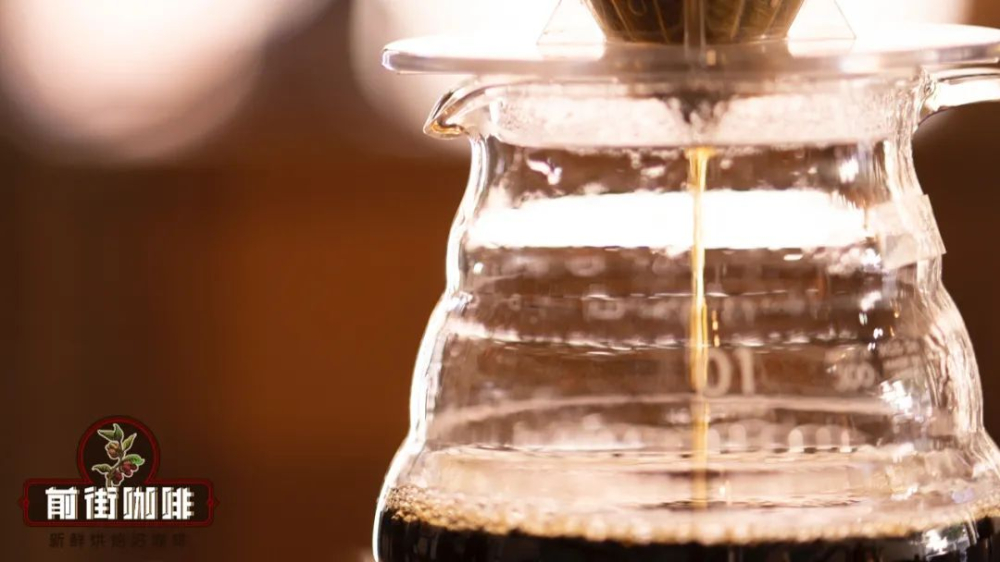
These two kinds of bitterness offer completely different experiences, but for anyone who cannot handle bitterness, both are unfriendly. So, without wasting the coffee, we want to change its bitterness and turn it into a more acceptable cup. The traditional approach is inevitably to add a large amount of sugar, while a more unusual method is to add salt. Both can improve bitterness. The theme of this article, then, is: sugar or salt—which better improves coffee's bitterness? Before that, let us review the sources of bitterness.
Sources of Bitterness
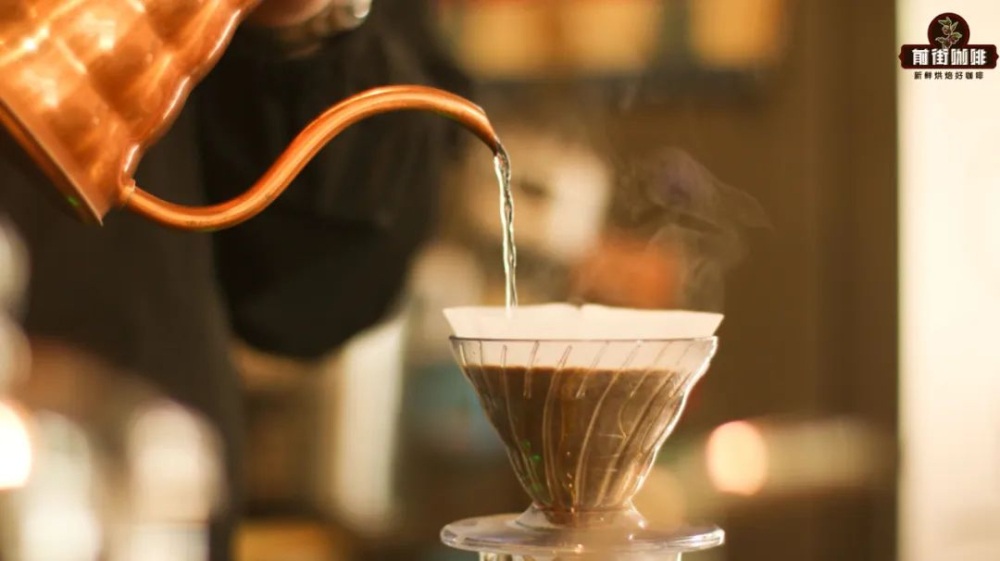
When extraction intensity is too strong, it creates an over-extracted bitterness. Excessively high water temperature, too fine a grind and overly long extraction times are all suspects in over-extraction. They cause us to extract large amounts of caffeine and chlorogenic acid lactones from the coffee, and both are major sources of bitterness.
In addition to over-extraction, there is also the bitterness created by overly dark roasting. During roasting, substances in the beans undergo countless decomposition and polymerization reactions. The darker the roast, the more prominent the scorched bitterness becomes.
How Sugar and Salt Improve Bitterness
When we eat or drink something bitter, we do not perceive the bitterness directly. Our taste buds first release calcium ions, which transmit the "bitter" signal to the brain and activate the bitterness receptors. Only then do we perceive bitterness. In many cases, then, bitterness is the last taste perceived while eating and drinking.
Adding salt blocks the transmission of the bitterness signal, reducing our perception of bitterness. Sugar, by contrast, relies on quantity to reduce the proportion of bitterness. Both create the illusion that bitterness has disappeared, when in reality they only increase the perception of other tastes. We perceive more of the other flavors, and the bitterness is naturally ignored. With the principle understood, let us begin our comparison to see whether sugar or salt improves coffee's bitterness better.
Experimental Comparison
As mentioned above, there are two ways to get bitter coffee: over-extraction or dark roasting. So FrontStreet Coffee wants both. Brewing over-extracted coffee with dark-roasted beans should be even more bitter, right? Here are the parameters.
- Beans used: FrontStreet Coffee Sumatra Golden Mandheling
- Weight: 15g
- Grind setting: Ek43 setting 10 (normally 11)
- Coffee-to-water ratio: 1:15
- Brewing temperature: 92 degrees Celsius (normally 88 degrees Celsius)
- Brewing method: three-stage pour
- Filter used: Kono
Although the parameters are listed, please do not imitate them: these settings will cause over-extraction and are not suitable for daily brewing. Now let us begin. Since this is a deliberate negative example, we will not elaborate on the process.
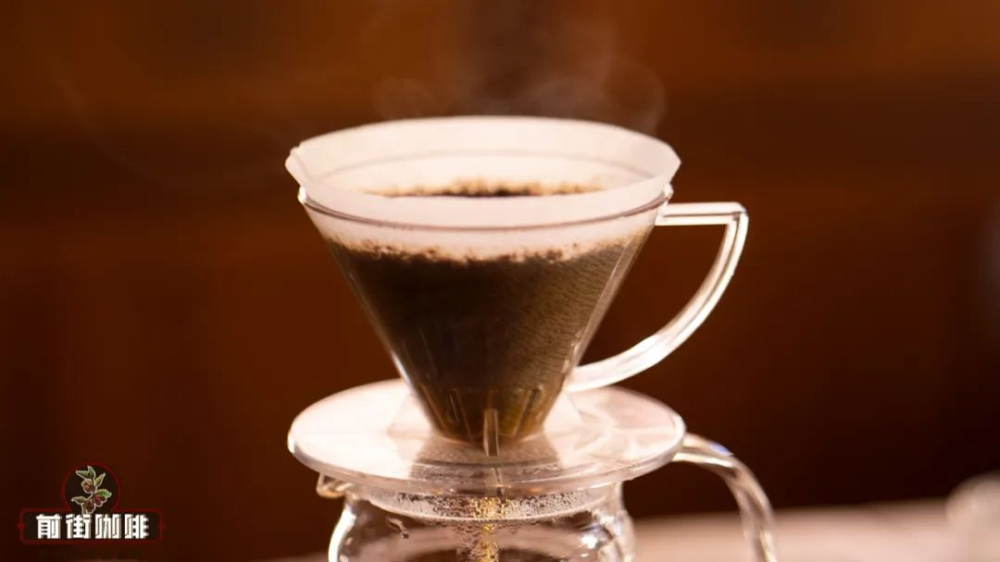
The brewing time was 2 minutes and 30 seconds, yielding a total of 200ml of coffee liquid. We divided it equally into four portions of 50ml each. One portion received an appropriate amount of salt water, another received an appropriate amount of sugar, and we compared the tastes of the two. The remaining over-extracted coffee, with nothing added, was later given out to friends at random.
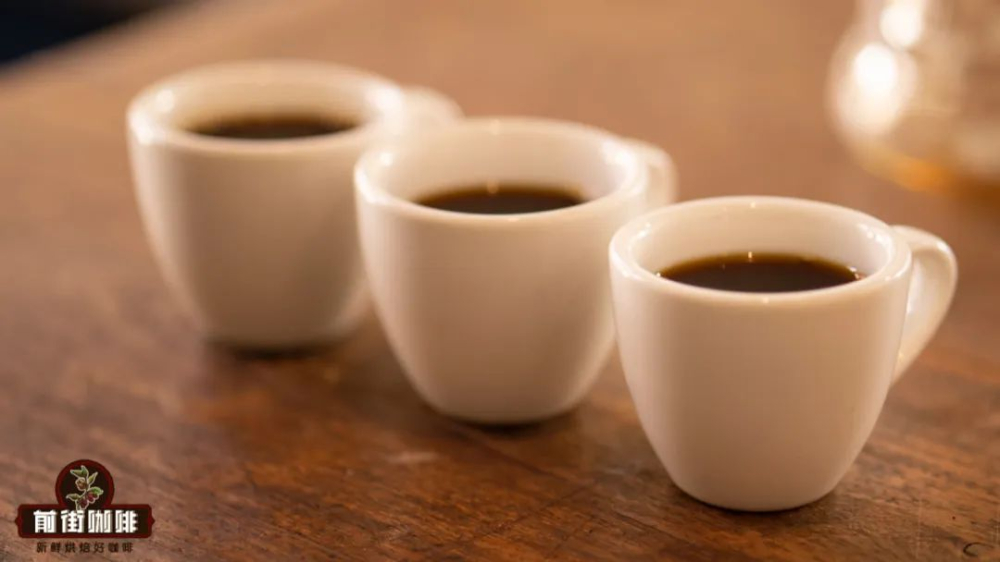
In the earlier experimental article on how much salt is needed to improve coffee's bitterness, table salt proved both fine and salty, and therefore difficult to measure. FrontStreet Coffee mixed salt and water at a 20% ratio to create a fixed-concentration salt solution, allowing the salt data to be measured more reliably. We ultimately concluded that 2ml of salt water could perfectly improve this 50ml of bitter coffee. So for the first cup, we added 2ml of salt water.

Sugar granules, by contrast, are distinct and easy to weigh, so sugar can be added directly. After measurement, FrontStreet Coffee found that, without disrupting the flavor balance, 1g of white sugar could reduce the bitterness of the over-extracted coffee. Both cups are ready, so let us taste them separately.
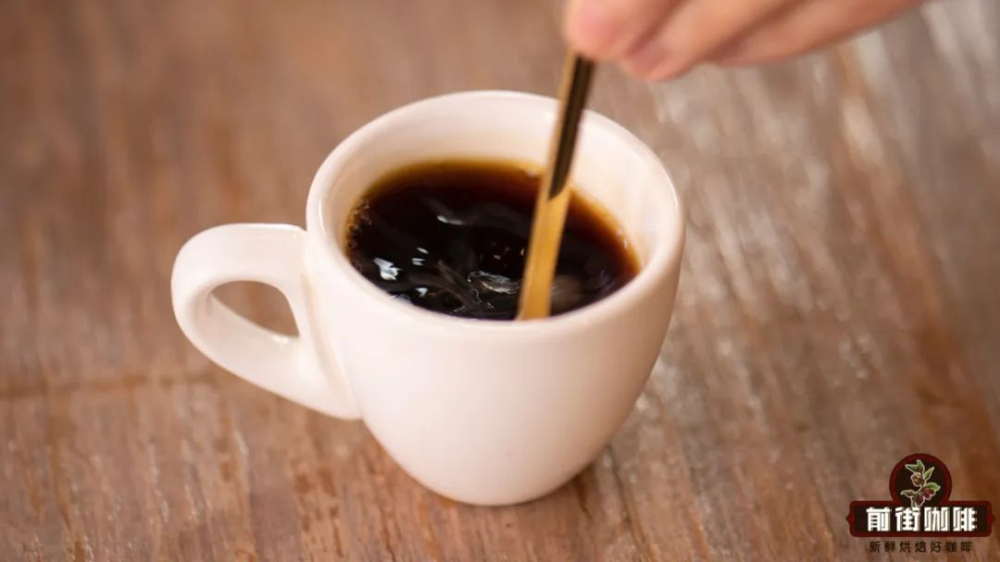
The cup with salt showed a significant decrease in perceived bitterness, with balanced flavors and enhanced body. Overall it was a coffee dominated by salty-sweet notes with weak bitterness, easier to drink than before the salt was added. The cup with sugar did not reduce the perception of bitterness but suppressed it through quantity, reducing bitterness's share of the whole cup. It tasted both sweet and bitter, somewhat conflicting. Add more sugar and the sweetness would dominate, and the cup would lose the characteristic flavor of coffee altogether, becoming something like isatis root sweet water.
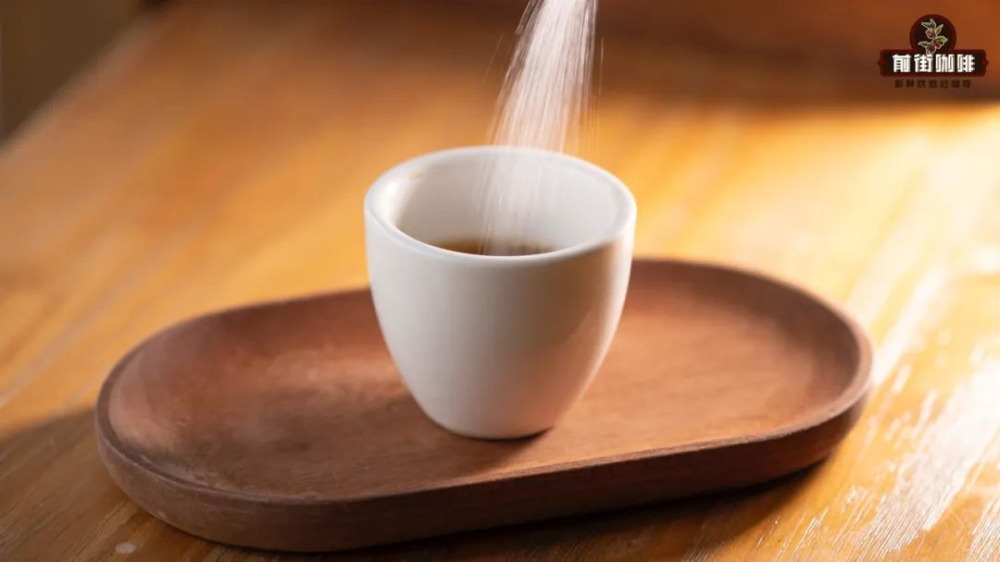
So we can conclude: if you want a unique sensation, salt may suit you better than sugar. If you simply want to finish the cup and get some caffeine, then adding more sugar is the easier route.
- END -

FrontStreet Coffee Recommendation
The cleanest way to avoid unwanted bitterness is to start with a bean that is suited to how you brew, and for pour-over the grinder-friendly partner is the V60. Hario, the company that designed it, was founded in Tokyo in 1921 as a maker of heat-resistant glassware for research institutions; it redesigned the V60's prototype in 2004 into the shape we know today, named for its distinctive 60-degree cone and V shape, and released it a year later. That cone and angle force water toward the center before it drips through, extending contact between water and grounds, while the single large hole lets the flow rate depend almost entirely on the brewer's control.
With a fast-extracting dripper like the V60, floral and fruity beans show most clearly. Classic Yirgacheffe character comes through in the FrontStreet Gudingding, the tropical fruit in the FrontStreet Flower Queen, the Geisha-like profile in the FrontStreet Strawberry Candy and the raisin notes in the FrontStreet Mozart. For a sweeter, cleaner session, the FrontStreet Yirgacheffe Gudingding and the FrontStreet Flower Queen are both excellent, and if you want to push into the highest tier, the FrontStreet Panama Esmeralda Red Label Geisha and the FrontStreet Kenya Cherry Tomato deliver the elegant florals, bergamot and black tea notes that the third wave prizes.
For a fuller, lower-acid cup that pours well with a V60, the FrontStreet PWN Golden Mandheling is deeply roasted and low in acidity, with herbal and dark chocolate notes; the FrontStreet Brazil Queen Farm is low-acid and balanced with strong nut and cocoa aromas and clear caramel sweetness; and the FrontStreet 2013 Yunnan Sun-dried Typica is clean and layered, weaving citrus and caramel with a little nut, chocolate and brown sugar. The FrontStreet Jamaica Blue Mountain No.1 rounds things out, hitting a near-perfect balance of acidity, sweetness, bitterness and aroma.
To brew a washed Yirgacheffe like the Gudingding, FrontStreet suggests a V60 at 90-91 degrees Celsius, 15g of coffee at a 1:15 ratio, and an EK43s setting of 10—roughly the texture of fine sugar, or about 80% passing through a No. 20 sieve. Pour 30g of water for a 30-second bloom, then pour to 125g over about a minute, and when the water level drops to two-thirds of the coffee bed, add the remaining 100g for a total of about 225g, finishing the pour at roughly 1 minute 35 seconds. The drawdown should complete in about 2 to 2 minutes 10 seconds.
Important Notice :
FrontStreet Coffee is a long-established specialty coffee roaster in Guangzhou China, selling freshly roasted beans from its own farm in Yunnan as well as dozens of carefully selected single-origin beans from around the world for both pour-over and espresso. The products deliver consistently excellent quality and great value, with shipping within 24 hours. Guangzhou's FrontStreet Coffee shop is recommended by many coffee lovers, and the beans are now available online at the Tmall 。
FrontStreet Coffee has moved to a new address:
FrontStreet Coffee Address: 315,Donghua East Road,GuangZhou
Tel:020 38364473
 Scan and follow the En Gafei WeChat official account. Please indicate that the reprint comes from "En Gafei".

