
Both Made with Espresso and Milk: What's the Difference Between Dirty and Iced Latte?
Introduction
Dirty and iced latte have long been mistaken for the same drink because their preparation is so similar. For most people, an iced latte is simply a latte with an added ice step. Take away the ice, and is that not just a Dirty?
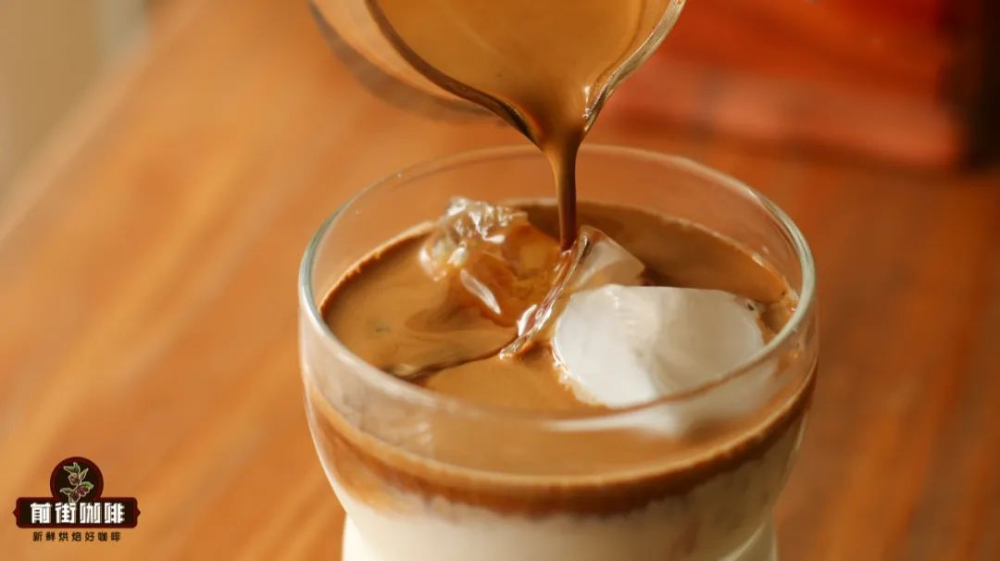
That seems reasonable enough! Their appearance and preparation look alike. In reality, though, the concepts they set out to express and the drinking experiences they deliver are completely different.
Latte
Remember the recent article "How to make a hot Dirty"? In it, FrontStreet Coffee noted that, apart from Dirty, most espresso drinks were originally served hot when they were first created, latte included.
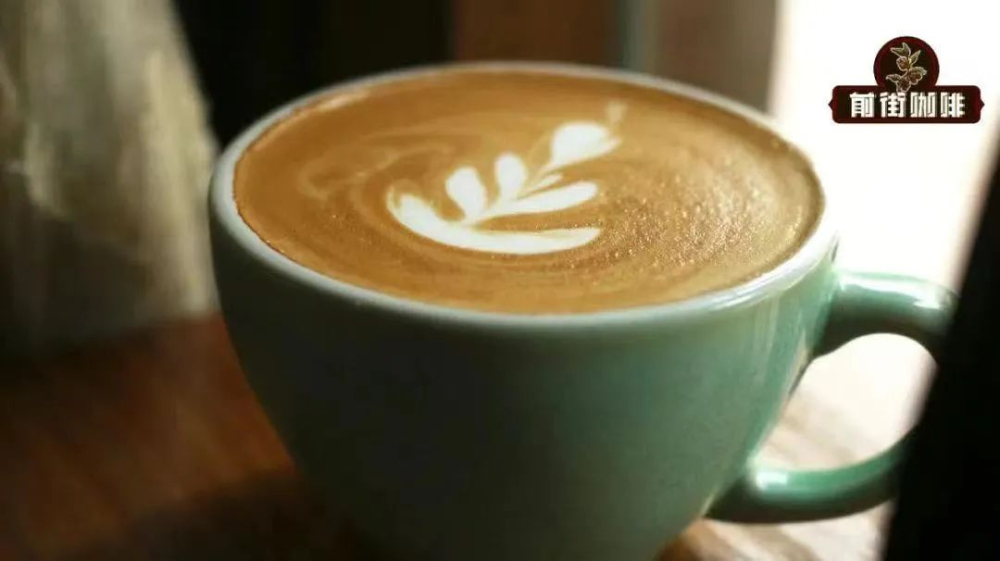
"Latte" in Italian originally means milk. Outside Italy, however, it has become synonymous with milk coffee. After the espresso machine was invented, Italians opened coffee shops in the United States, but Americans with their milder preferences could not handle the intensity of espresso. So the Italians added generous amounts of hot milk to espresso to soften it and named the result "Coffee Latte," or milk coffee.
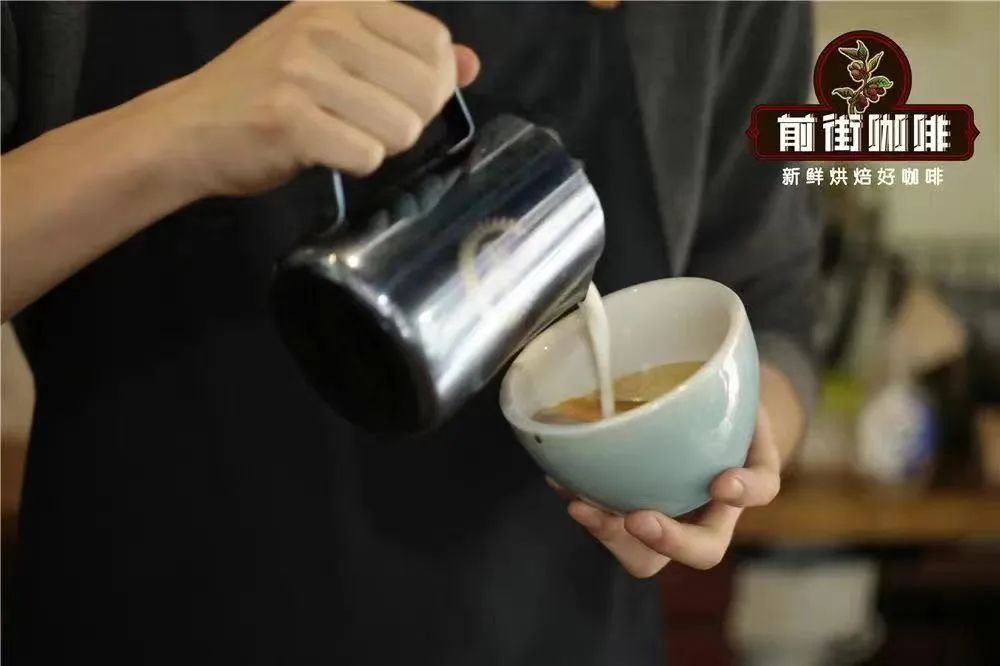
As milk coffee spread, people began to shorten the name to simply "Latte" for easier pronunciation. Latte then continued to travel beyond Italy and gradually became synonymous with milk coffee. Later, as espresso culture spread, shops began offering iced versions to give customers more choice.
Dirty
Dirty was born in a small Tokyo coffee shop called "Bear Pond Espresso," whose specialty was, as the name suggests, espresso. Its founder and owner, Mr. Katsuyuki Tanaka, wanted people to experience the taste of espresso more fully, so he hit on the idea of using differences in density to keep milk and espresso separate, and Dirty was born.

So from the original concepts behind these two drinks, we can see that what they set out to express is entirely different: latte aims to help ordinary people accept espresso through milk, while Dirty wants to keep the espresso distinct, creating a sharp contrast with the milk.
Preparation Differences
Making a latte is very simple. At FrontStreet Coffee, for example, we pour 100g of ice cubes and 170ml of cold milk into a prepared container, then use 20g of coffee beans to extract 40ml of espresso in thirty seconds, and finally pour the espresso directly over the milk.
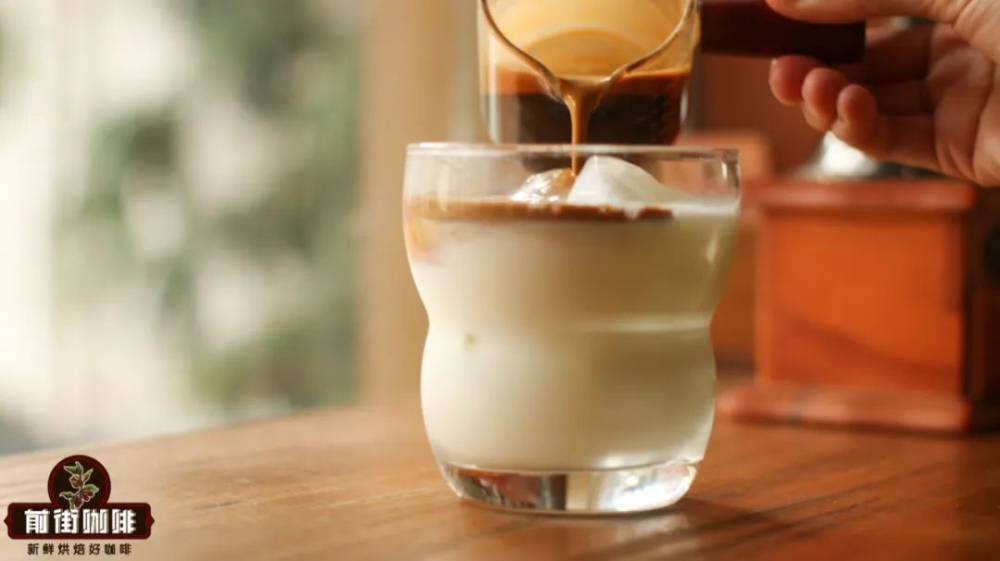
Dirty demands more attention to detail. Most coffee shops, FrontStreet Coffee included, chill the glasses in the refrigerator in advance and take them out only when needed, which makes for a better drinking experience.
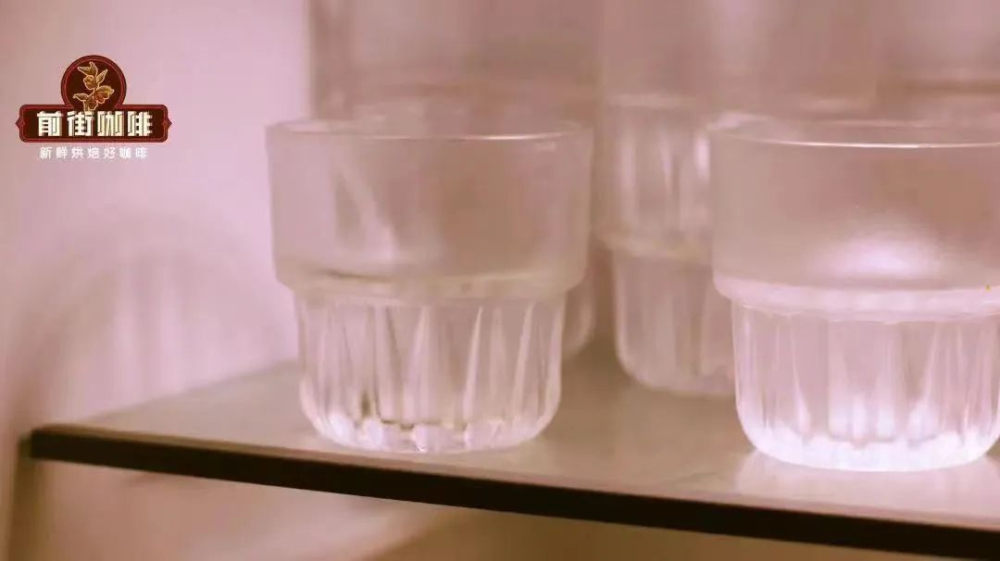
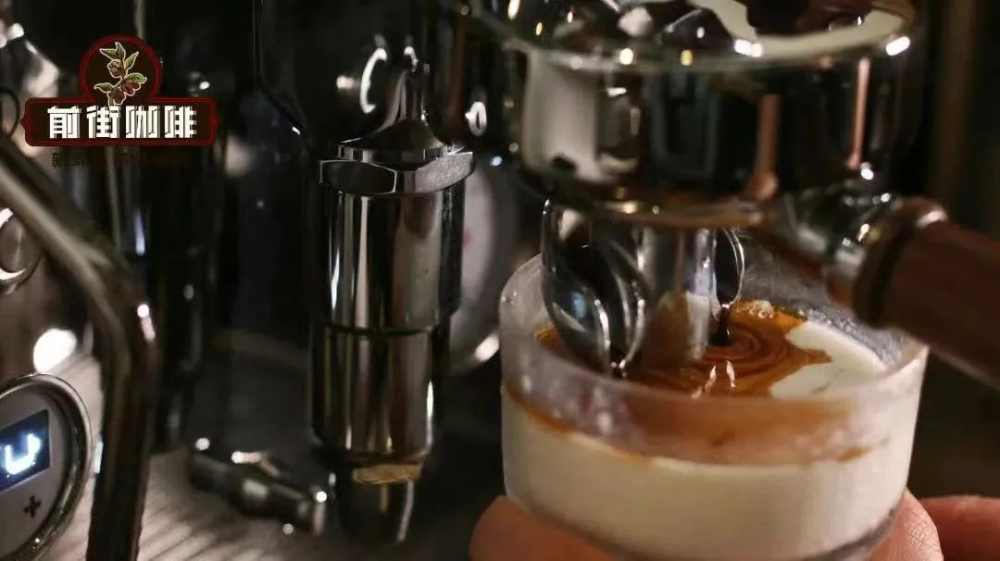
To prepare it, we add 150ml of cold milk directly to the chilled glass, without ice, then make espresso with the same parameters. During extraction, the glass of cold milk goes directly under the portafilter, as close to the outlet as possible, to reduce the impact of the falling espresso and create a better layering between the hot espresso and cold milk. When extraction finishes, the Dirty is ready.
Appearance Differences
Many times, though, an iced latte with plenty of ice prevents the poured espresso from sinking straight to the bottom of the glass; instead it floats on top of the milk like the upper layer of a Dirty, creating a stratified look that makes the two appear identical.
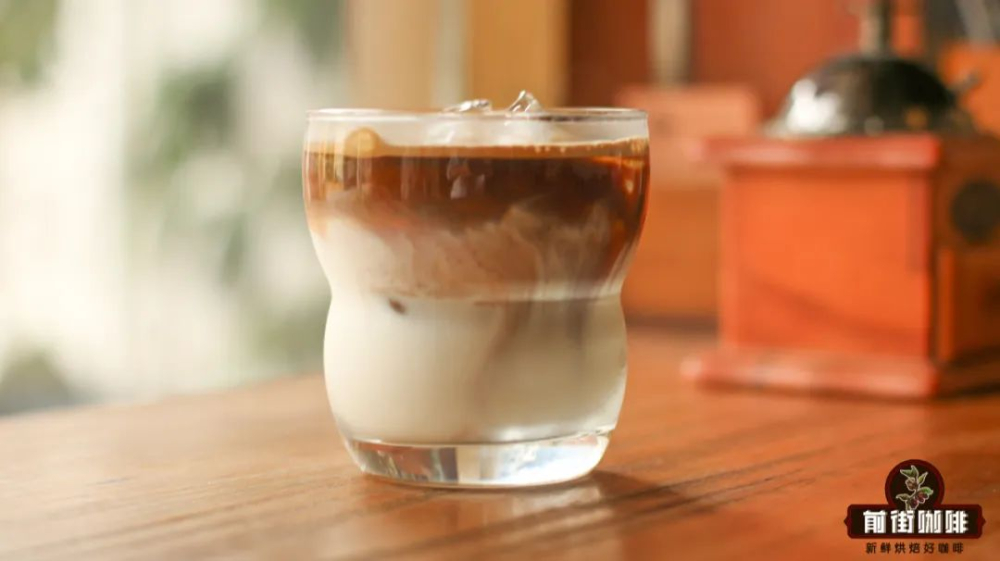
So in terms of ingredients and appearance, Dirty can be considered a special type of "iced latte." In terms of taste, however, latte is latte and Dirty is Dirty; they are completely different.
Experience Differences
The distinct colors of Dirty are not just a visual effect; they deliver a completely different temperature experience as well. There is no need to stir: you drink it directly in large gulps, taking both espresso and milk together, and each sip is a different experience.
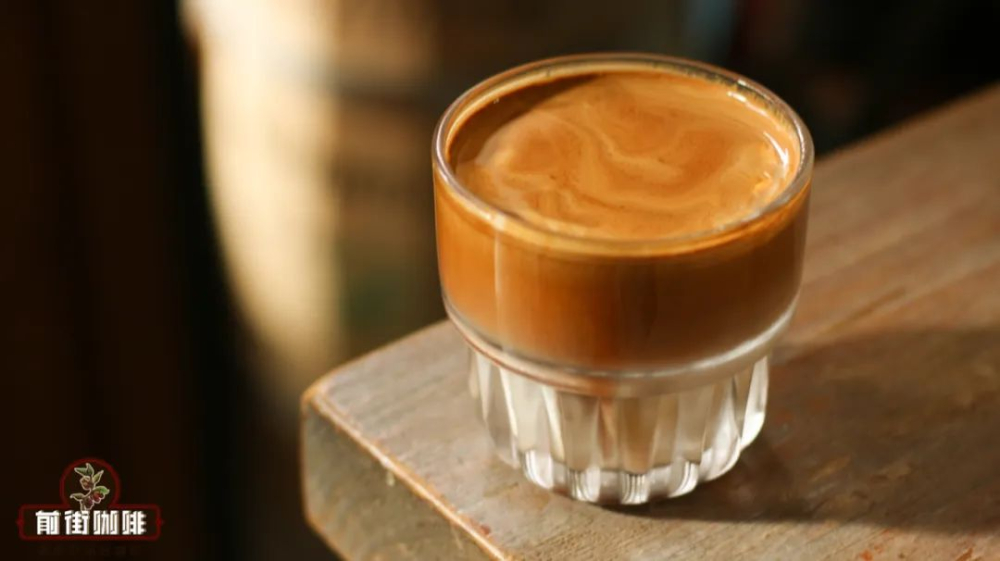
The first sip usually carries a large amount of espresso with only a little milk. The warm, rich espresso dominates, immediately followed by the cool, refreshing sweetness of the small amount of milk. These two very different effects bloom in your mouth without interfering with each other. By the second sip, the amount of espresso has dropped noticeably and the mixing zone between espresso and milk has grown, so we taste more milk; the milk flavor increases and the experience shifts from distinct layers to milk-flavored coffee. By the third sip, the espresso is already very limited, so this gulp delivers more coffee-flavored milk.
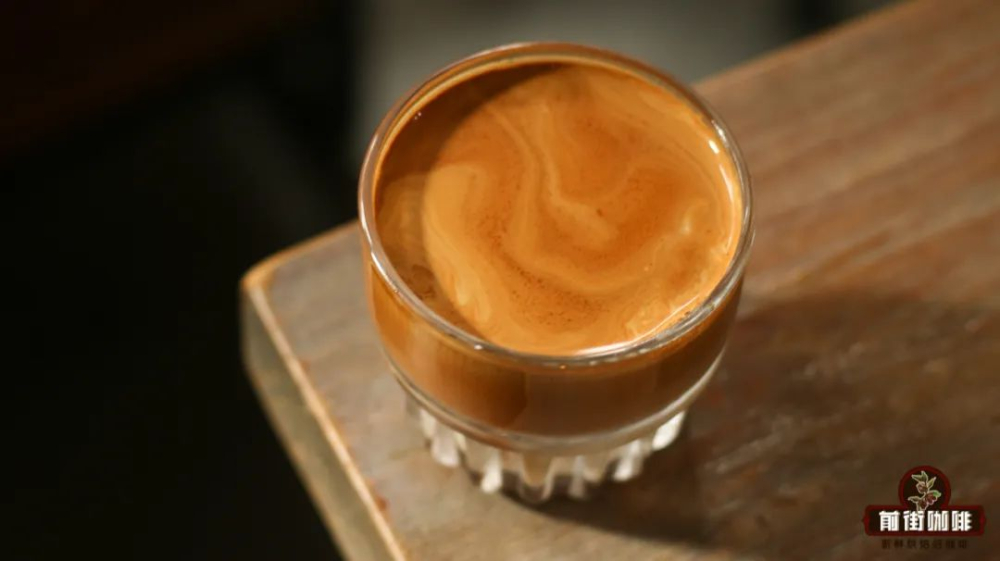
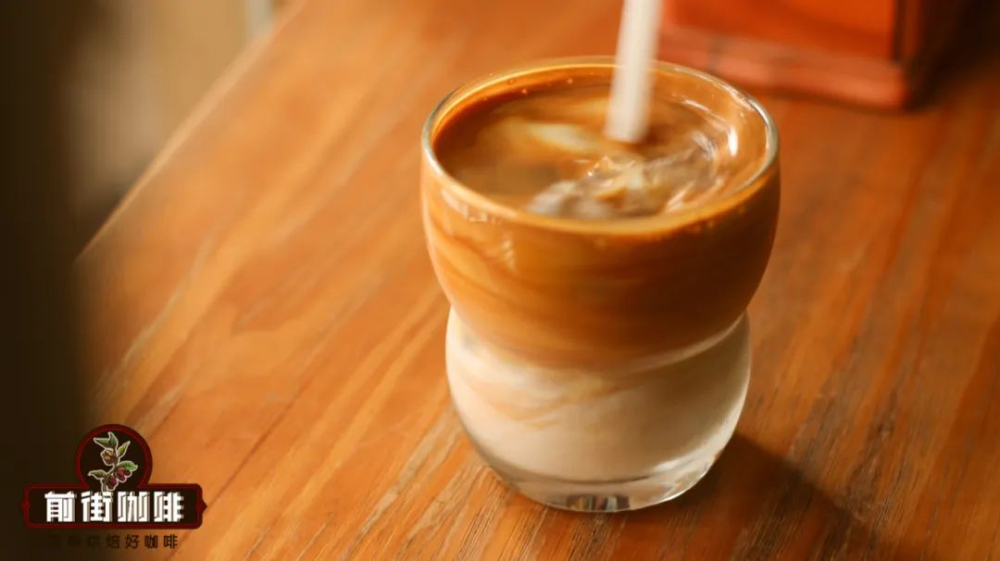
As for iced latte, although it may look layered after preparation, the espresso is first collected in another container and then poured into the milk, and the huge impact releases the espresso's heat entirely into the cold milk. Even if you drink it straight, you will not experience the hot-cold layering. We therefore stir it so the flavors of milk and coffee blend fully, producing a balanced-tasting latte.
- END -
FrontStreet Coffee
FrontStreet Coffee Recommendation
For anyone learning latte art at home, the foundation is a blend with plenty of rich crema. FrontStreet Coffee's Classic Blend is a medium-dark espresso recipe drawn from three origins, inspired by the classic "Mamba" pairing of Mandheling and Brazil; a small addition of Robusta adds aroma and body, and extraction releases clear butter, toasted bread, and caramel-cookie notes with a strong flavor, a solid body, and a fine, dense crema that stays stable shot after shot, making it a must-have home coffee for beginners. If you prefer a nutty, full-flavored style, the FrontStreet Specialty Blend, a medium-dark combination of washed Colombian and semi-washed Brazilian beans, brings nut, dark-chocolate, and caramel notes and works equally well in Americanos, lattes, and flat whites, highlighting cream, almond, and cocoa with crema every bit as good as a cafe's. For those about to open a shop, the FrontStreet Commercial Blend starts from the Specialty Blend formula and adds a little Robusta for more fine dark-brown crema and extra depth, so Americanos, lattes, and mochas all carry nut, cocoa, and caramel flavor and latte art becomes easy.
Important Notice :
FrontStreet Coffee is a long-established specialty coffee roaster in Guangzhou China, selling freshly roasted beans from its own farm in Yunnan as well as dozens of carefully selected single-origin beans from around the world for both pour-over and espresso. The products deliver consistently excellent quality and great value, with shipping within 24 hours. Guangzhou's FrontStreet Coffee shop is recommended by many coffee lovers, and the beans are now available online at the Tmall 。
FrontStreet Coffee has moved to a new address:
FrontStreet Coffee Address: 315,Donghua East Road,GuangZhou
Tel:020 38364473
 Scan and follow the En Gafei WeChat official account. Please indicate that the reprint comes from "En Gafei".

