
What Are the Differences Among So Many Pour-Over Coffee Drippers? What Are Ribs?
Understanding Dripper Construction: How Design Affects Coffee Extraction
In a previous article, FrontStreet Coffee noted that most people pick their drippers based on what they want in the cup: "This one brews a cleaner cup," "This one gives me more body," or "This one really brings out the sweetness."
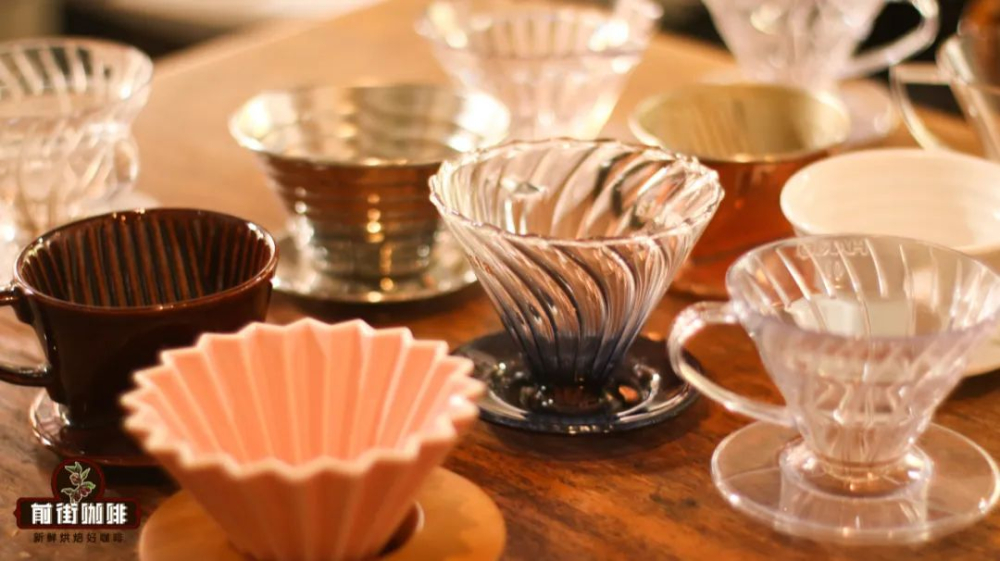
Those extraction characteristics all trace back to the dripper's construction. Change a few structural elements and you get a noticeably different extraction. In this article, FrontStreet Coffee breaks down exactly how dripper design shapes the brew.
What a Dripper Actually Does
Whatever its shape, every dripper does two jobs: guiding the flow of water and controlling drainage speed. Both come down to the layout of the ribs and the size of the drainage holes.
Flow Ribs
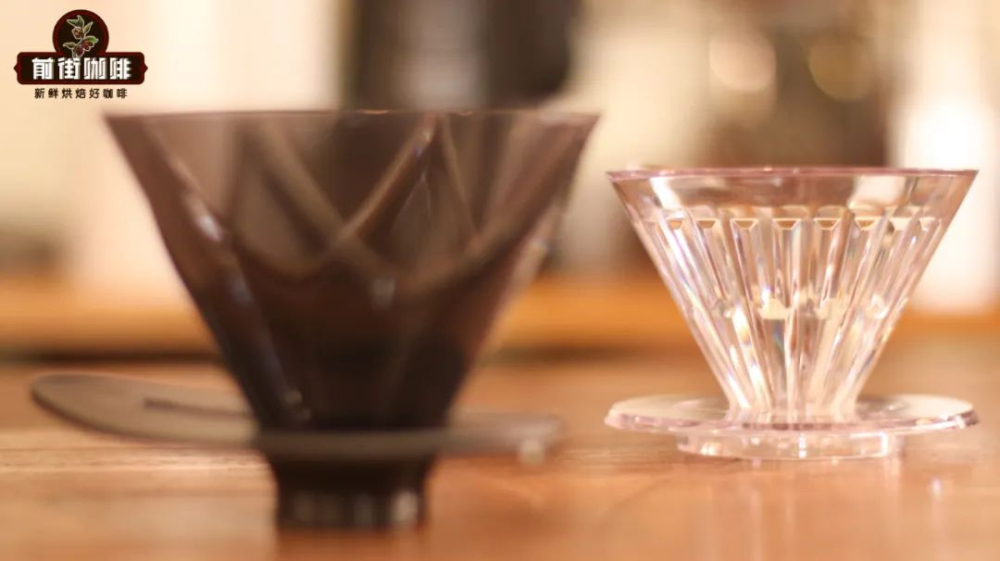
Ribs are either raised lines on the dripper's walls or base, or recessed grooves like those on the Ice Crystal or Cross Star drippers. These lines and grooves hold the filter paper away from the wall, creating the gaps we call "flow channels." Their job is simple: to steer the water's path and give it more room to travel.
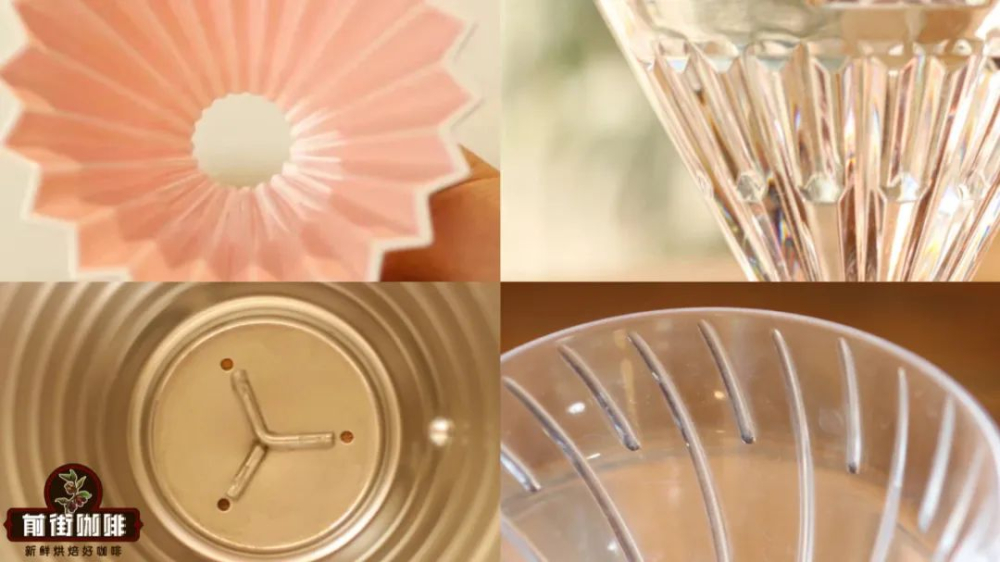
Without flow channels, a dripper is just a funnel with filter paper pressed flat against it (Melitta's original conical design worked exactly this way), and water can only seep downward under gravity. Picture a Kono with no ribs, or a Chemex where the paper sits flush against the wall: the only escape route for water is the small area around the bottom hole. That limited space gets clogged by coffee grounds and fine particles, so drainage slows to a crawl — the kind of slowness that pushes you straight into over-extraction. Flow channels exist to change the water's path and widen the drainage area.

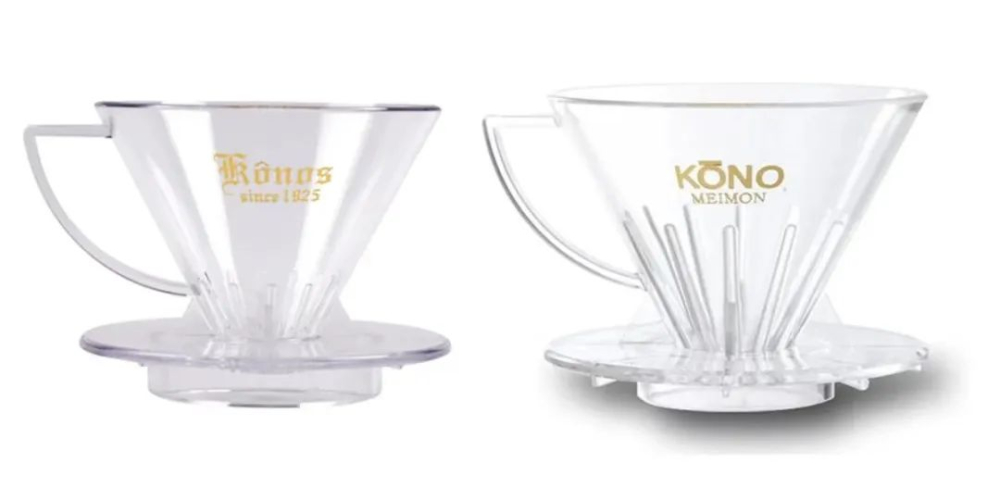
Channel designs vary widely, but straight vertical ribs are the classic approach. Drippers like the Kono and Origami use vertical ribs of different lengths to prop up the filter paper and open up space for the water. Longer ribs mean more room and faster drainage; where there are no ribs, the paper hugs the wall and the coffee in those zones extracts more like an immersion brew.
The V60 takes a different route: its channels are spiral ribs of alternating lengths. Instead of dripping straight down, water spirals along the ribs toward the center, which lets it drain quickly while still extracting the coffee evenly.
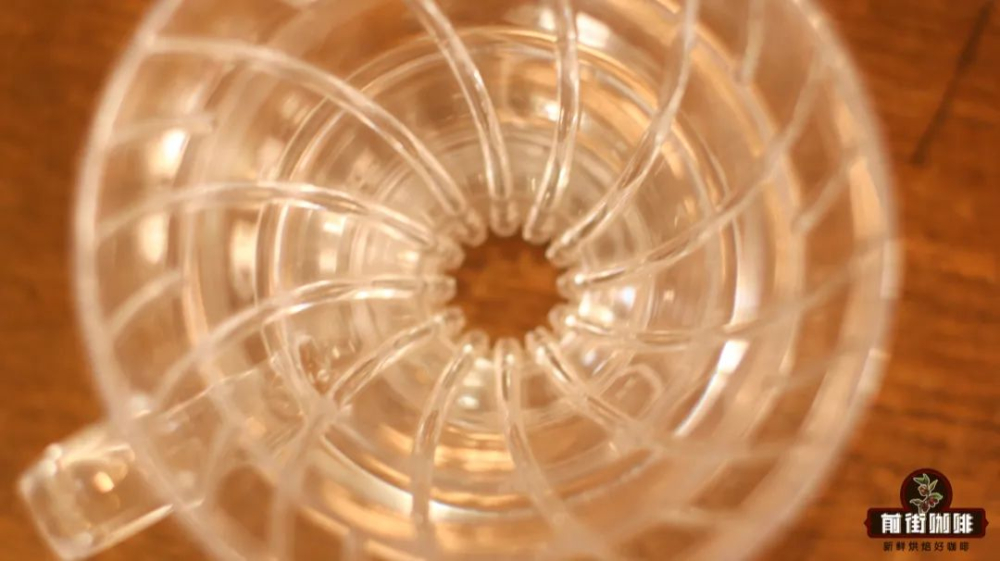
A few unusual drippers, such as the Ice Crystal or the Cross Star Infinity, get their channels from inward curves molded into the walls. The indentations serve the same purpose — creating gaps so water has more room to move.
Drainage Holes
Once the channels are set, the drainage holes decide how fast water actually leaves. Their size and number are critical, and they have to work hand in hand with the channel design — neither can do the job alone.
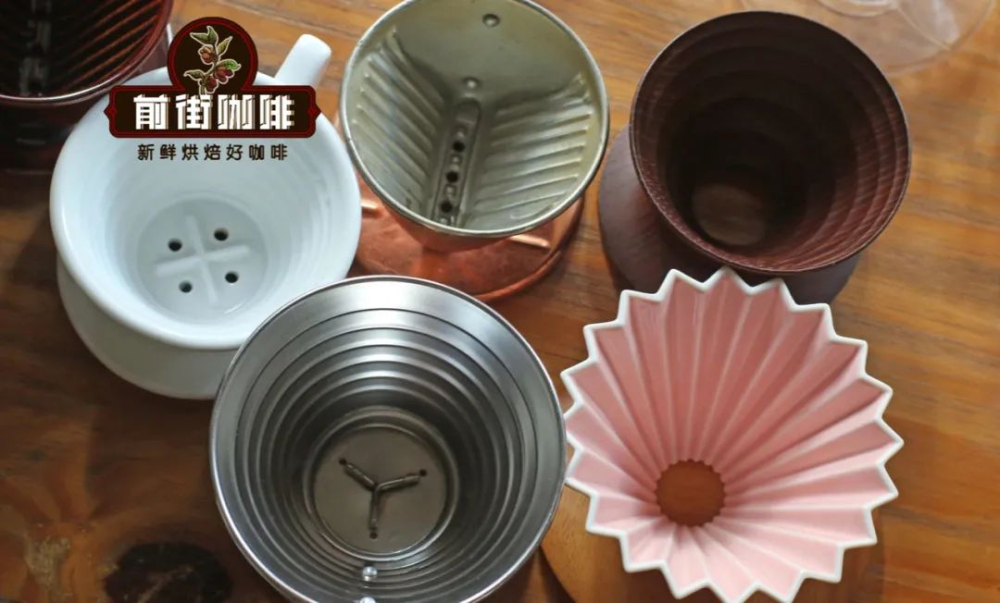
The world's first dripper, designed by Melitta, was a trapezoidal model with plenty of ribs — but just one very small hole. Water crawled through, and over-extraction was a constant risk.

That shortcoming gave Kalita the opening to adapt the design into a trapezoidal three-hole dripper, which dramatically improved drainage. The rule of thumb: the larger or more numerous the holes, the more room water has to escape.
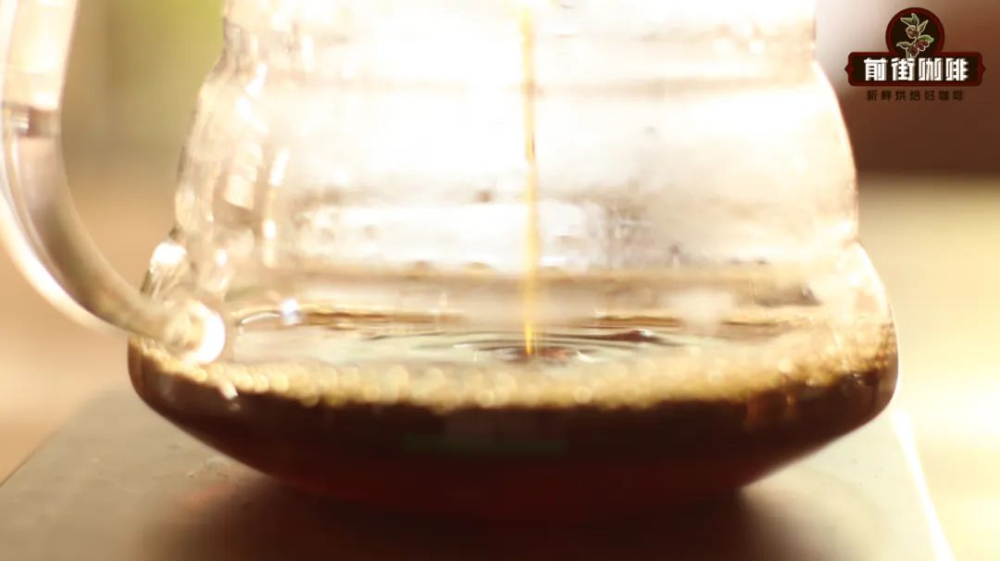
Which is why not every dripper with flow channels drains as fast as a V60. Holes are also a way of deliberately slowing the brew into a reasonable window, so the coffee doesn't over-extract.
Materials
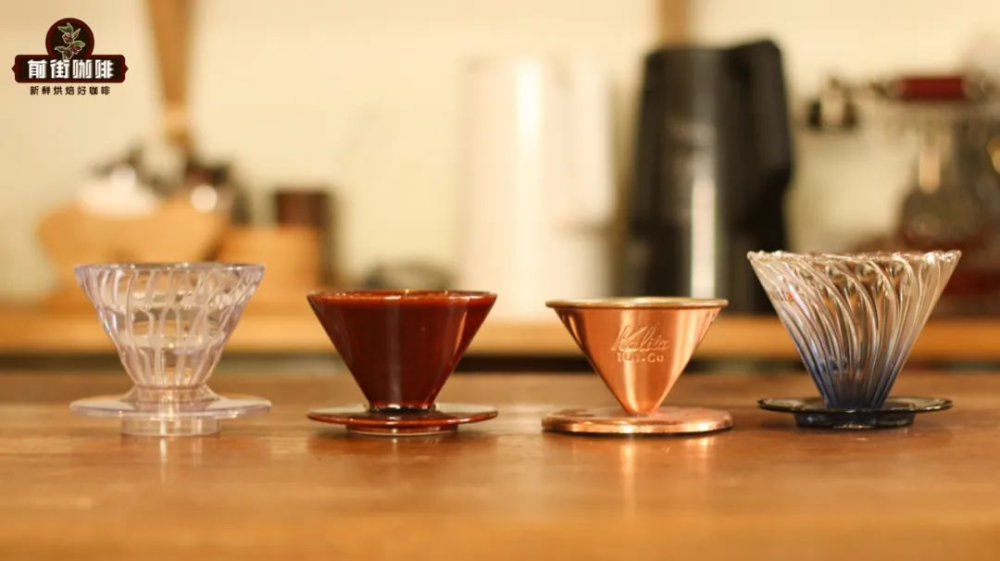
Drippers commonly come in resin, ceramic, metal, or glass. The material has little effect on extraction itself — the real difference is heat retention. As long as you preheat thoroughly, the choice comes down to looks and how well the dripper holds temperature.
Conclusion
Once you understand the core design principles, you can read a dripper's behavior from its appearance alone — and shopping for one stops being overwhelming. One more thing: many manufacturers now offer valve-equipped "smart drippers" that add an adjustable drainage switch to conventional designs. These make brewing far more forgiving for beginners and give seasoned brewers extra versatility. Once you're comfortable with a standard dripper, trying a smart version can be a fun change of pace.
- END -
FrontStreet Coffee Recommendation
If this article has you thinking about upgrading your pour-over setup, start with the dripper FrontStreet reaches for every day: the Hario V60. Hario, founded in Tokyo in 1921 as a maker of heatproof laboratory glassware, redesigned the V60 into its familiar form in 2004 and named it after its signature 60° cone angle. The spiral ribs and single large outlet put flow control in your hands — which is exactly why the beans you pair with it matter so much.
The V60's fast drainage is a natural match for light roasts that showcase floral and fruity character. FrontStreet's Yirgacheffe Guodingding (Guodingding Washing Station) offers bright citrus, berries, and a green-tea-like finish; the Ethiopia Huakui bursts with tropical fruit — strawberry, passion fruit, jackfruit, even lychee — with almost no bitterness; and the Panama Esmeralda Red Label Geisha delivers elegant jasmine, bergamot, and black tea notes. If you prefer something mellower, the low-acid, herb-and-dark-chocolate PWN Golden Mandheling brews beautifully in a V60 as well.

Important Notice :
FrontStreet Coffee is a long-established specialty coffee roaster in Guangzhou China, selling freshly roasted beans from its own farm in Yunnan as well as dozens of carefully selected single-origin beans from around the world for both pour-over and espresso. The products deliver consistently excellent quality and great value, with shipping within 24 hours. Guangzhou's FrontStreet Coffee shop is recommended by many coffee lovers, and the beans are now available online at the Tmall 。
FrontStreet Coffee has moved to a new address:
FrontStreet Coffee Address: 315,Donghua East Road,GuangZhou
Tel:020 38364473
 Scan and follow the En Gafei WeChat official account. Please indicate that the reprint comes from "En Gafei".

