
Should You Wait for the Water to Finish Flowing During Three-Stage Pour-Over Coffee Brewing?
During three-stage pour-over brewing, FrontStreet Coffee often says: "Pour the next stage of water when the water level is about to run out!" That naturally makes curious brewers wonder — why pour while water is still flowing, rather than after it has drained completely? What actually separates the two approaches?

Great question, and the best way to answer it is a controlled experiment. So let's run one.
For this comparison, FrontStreet Coffee will brew the same light roast bean twice, both times with the three-stage method, changing only one thing: one brew gets its third pour of hot water before the bed has drained completely, while the other gets it only after full drainage. Let's see how this small change affects the final flavor.

Experiment Parameters
Coffee beans: Yirgacheffe Gedicho
Dose: 15g
Ratio: 1:15 (225ml)
Grind: setting 10 on the EK43
Water temperature: 92°C
Dripper: V60
Both brews began with a bloom of 30ml — twice the coffee's weight — for 30 seconds. Then the second batch of hot water (120ml) went in slowly, in large circles, with both pours finished by the 46-second mark.
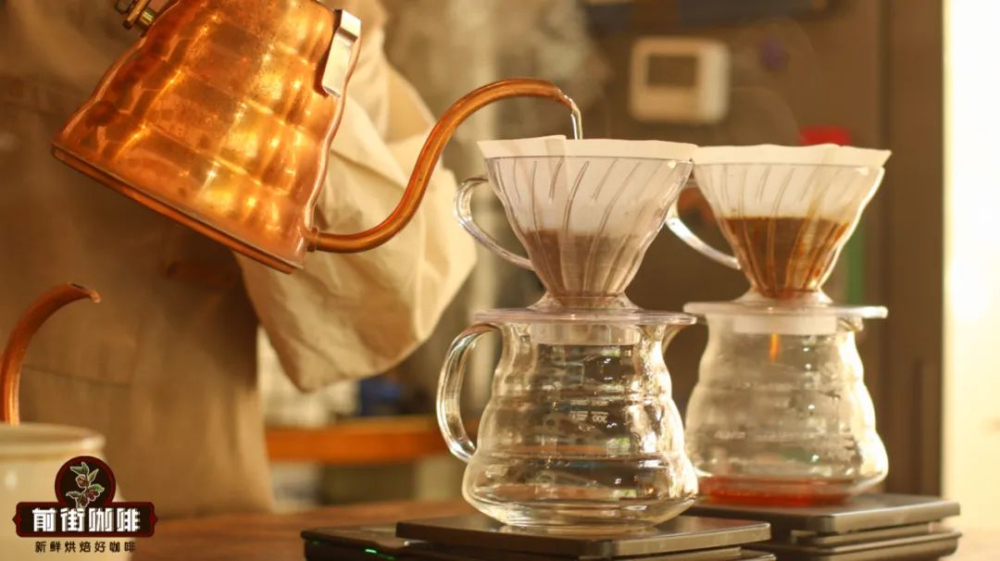
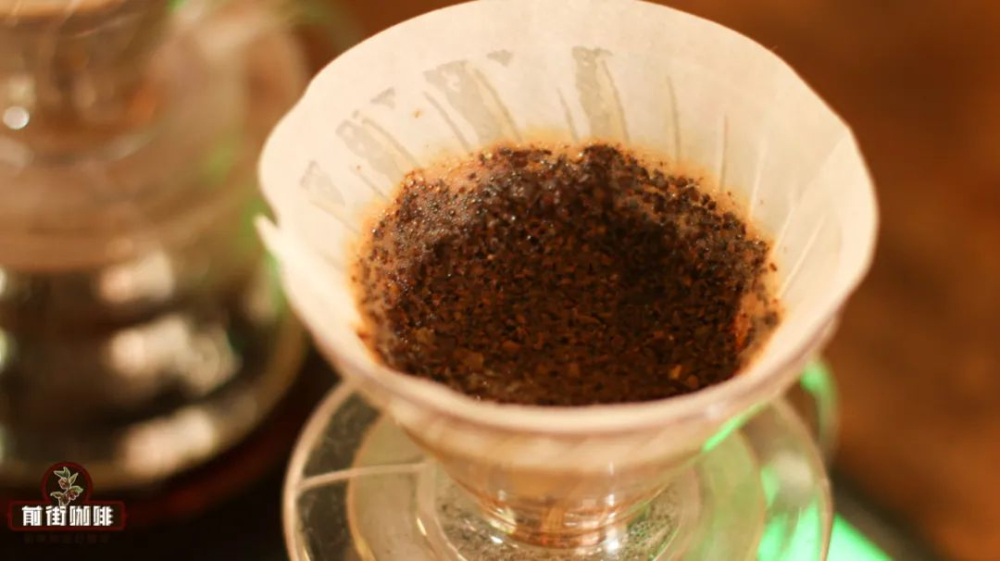
The first brew's water level ran nearly empty at 1 minute 15 seconds, at which point we poured the remaining 75ml slowly in small circles. For the second brew, we waited until 1 minute 25 seconds, when the stream had slowed to droplets (signaling almost no water left in the dripper), then added the third pour — again 75ml, slowly in small circles.
Results
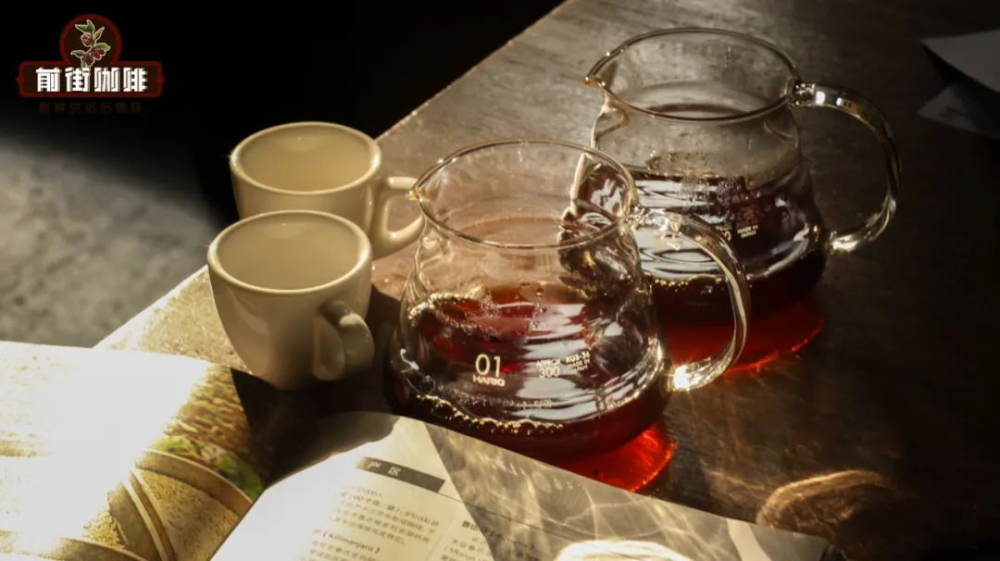
Brews complete! The first finished in 2 minutes 15 seconds; the second took 2 minutes 26 seconds. On aroma, the first was more pronounced than the second. On flavor, the second's acidity read fuller than the first's, with everything else largely similar.
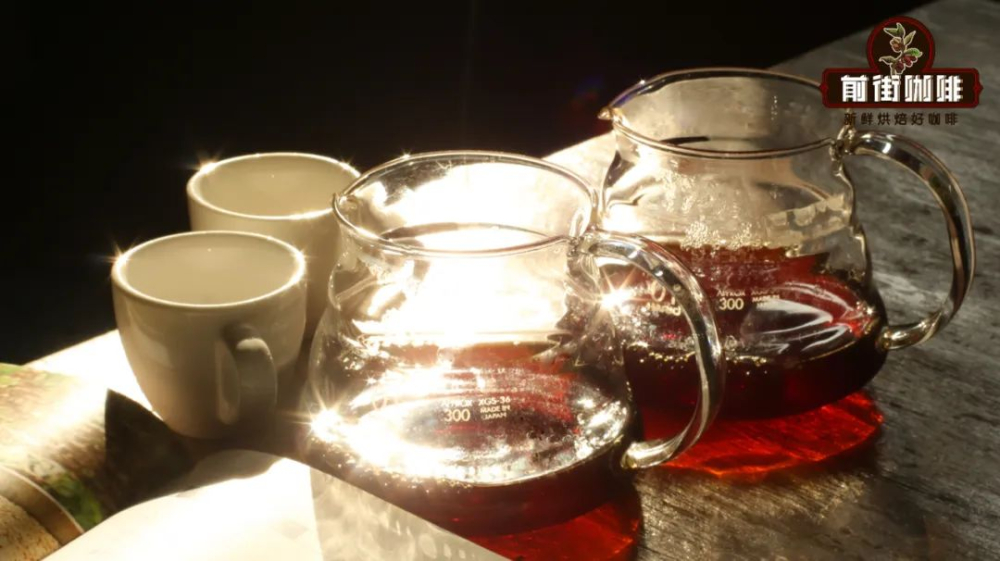
So continuous pouring versus interrupted pouring doesn't seem to make a meaningful difference. Some of you might object: "But the aroma and acidity clearly differed — how can you say there's no distinction?" Here's why those differences appeared: the second brew had to wait for complete drainage, adding 10 seconds. During that wait, the coffee in the server cooled slightly, which made us perceive its acidity more distinctly than in the first brew. Meanwhile the water in the kettle also lost about 1°C, trimming the extraction rate a touch and softening the aroma. But both cups stayed within acceptable parameters — neither under- nor over-extracted, with flavors fully expressed. That's why we call the difference insignificant.
A Second Experiment with Different Beans
Still, Yirgacheffe Gedicho is a light roast and fairly forgiving of extraction. So we ran the same comparison again with a less forgiving medium-dark roast — Papua New Guinea Paradise Bird — using these parameters:
Dose: 15g
Ratio: 1:15 (225ml)
Grind: setting 10.5 on the EK43
Water temperature: 90°C
Dripper: Kono
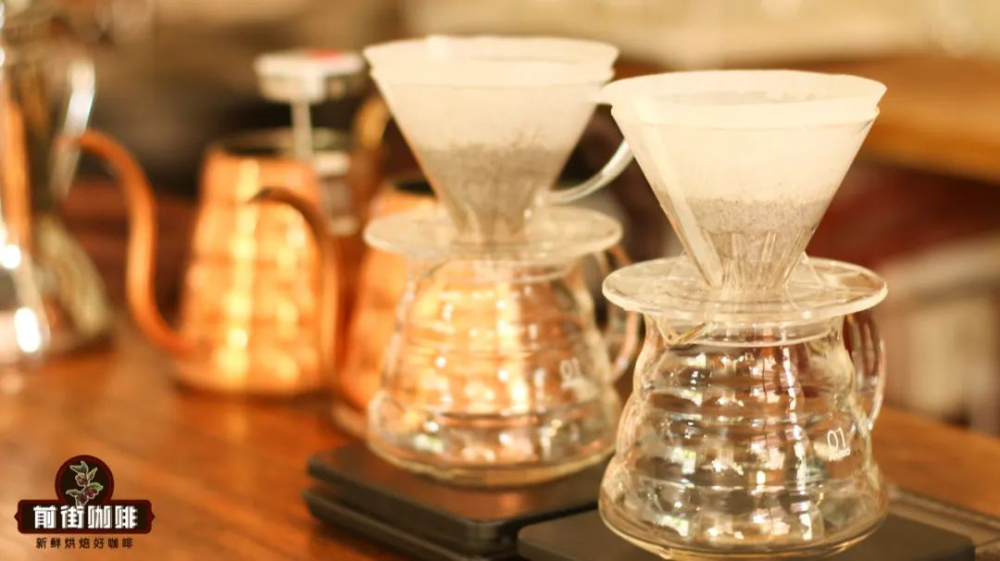
Again, both brews finished the second batch of water (75ml) at the 46-second mark; one then received the third pour before complete drainage, the other after.
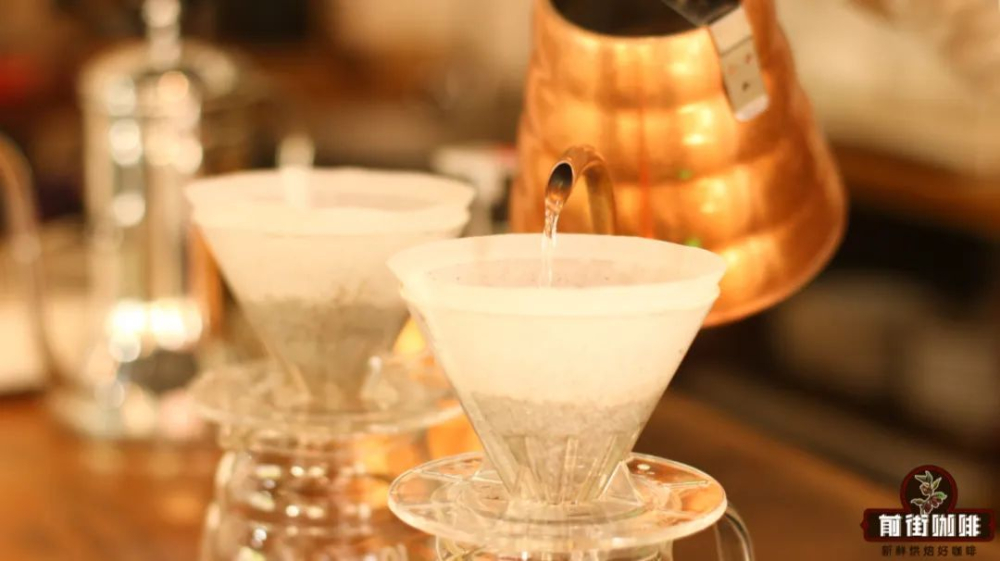
The continuous-pour Paradise Bird got its third pour at 1 minute 16 seconds; the interrupted-pour batch didn't finish draining until 1 minute 30 seconds, when we added its third pour. Total time: 2 minutes 14 seconds for the first brew, 2 minutes 30 seconds for the second. On aroma, both showed the same distinct nutty-cream notes — no real difference. But the flavor profiles diverged noticeably: besides the almond and caramel character typical of Paradise Bird, the second brew carried a clearly slight bitterness!
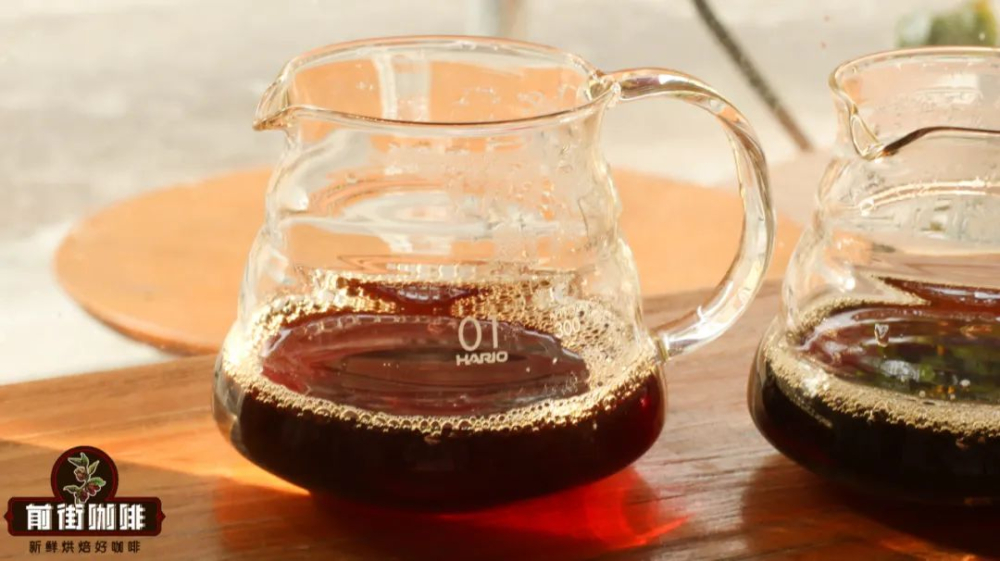
The explanation: medium-dark roast beans have a more porous structure and less margin for error. When extraction time stretches, they quickly reach the point where bitter compounds flood out. The second brew, loaded with extra bitter compounds, lost its sweet-sour-bitter balance — a slightly over-extracted cup. The same thing happens with porous-structure beans or with light roasts brewed with too many fines: fines over-extract first and also clog the bed, dragging the normal-sized particles into over-extraction with them and producing obvious bitterness.
Conclusion
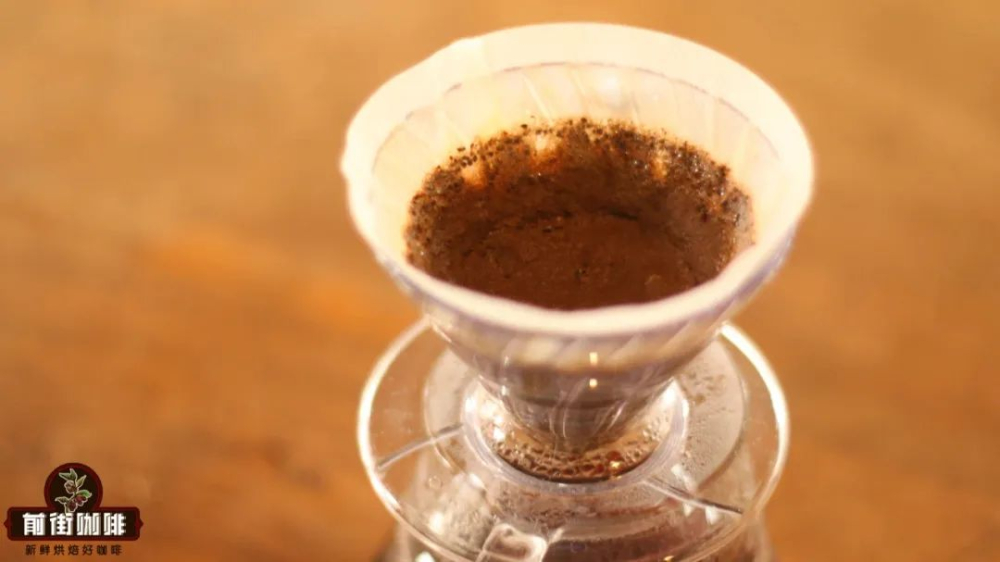
That's why FrontStreet Coffee consistently brews with a higher margin for error, adding the third pour while the water level is about to run out. That doesn't mean interrupted brewing is inherently worse — it simply demands its own parameters. The recipes here were built around fast brewing; adapt them for interrupted brewing (say, the 4:6 method with a coarse grind developed by Tetsu Kasuya) and it can produce delicious coffee too.

FrontStreet Coffee Recommendation
The bean in our first experiment, Yirgacheffe, deserves a closer introduction. Yirgacheffe is a small town in Ethiopia's southern Sidamo region, at roughly 1,700–2,100 meters, with coffee planted above 1,800 meters — among the highest growing zones in the world. The area was originally wetland, and its distinctly recognizable white florals and lemon-citrus acidity have made the name a byword for Ethiopian specialty coffee. In fact, Yirgacheffe's fame grew so great that in 2010 the Ethiopian Commodity Exchange formally separated it from the Sidamo classification.
For newcomers to Ethiopian coffee, start with FrontStreet Coffee's washed Yirgacheffe everyday bean — white jasmine, bright citrus and lemon acidity, and a tea-like finish, all at a friendly price. It's the classic first bean for anyone entering specialty coffee.
For something a step up, try FrontStreet Coffee's Guodingding Cooperative lot. The Yirgacheffe town area breaks down into many small terroirs and villages, several with seasoned, technically mature cooperatives — and the most representative is the washed Guodingding Cooperative from Guodingding village, in the Worka region at Yirgacheffe's southeastern edge. Once part of the Worka cooperative under the Yirgacheffe Coffee Farmers Cooperative Union (YCFCU), it was later picked out by green-coffee hunters worldwide as a "single origin" as traceability became the fashion. Processed by the most traditional washing method, it carries none of the old bitter tonality — just fresh, bright citrus and lemon acidity wrapped in jasmine fragrance. One cup, and many coffee people are hooked.
If you prefer sun-dried character, FrontStreet Coffee's Red Cherry uses a full-red-cherry natural process: only fully ripe, defect-free cherries are picked, screened once at the station, then laid out on raised drying beds — turned every 2–3 hours for the first several days to prevent uneven heating and over-fermentation, then dried in the sun for three to five weeks before the dried pulp is machine-scraped off and the beans go to warehouse. Because the fruit dries on the bean, it keeps classic Yirgacheffe character while gaining tropical fruit: citrus-like acidity, berry juiciness, honeyed sweetness, and a cream-smooth texture.
FrontStreet Coffee's brewing guide for washed Yirgacheffe: V60 dripper, 90–91°C water, 15g dose, 1:15 ratio, grind at EK43s setting 10 (fine-sugar texture, 80% pass on a #20 sieve). Pour 30g to bloom for 30 seconds; add 95g in circles to about 125g on the scale, finishing around the 1-minute mark; once the level drops to two-thirds of the bed, pour the remaining 100g to about 225g, finishing around 1 minute 35 seconds. Drainage completes at 2:00–2:10 — remove the dripper and serve.
Important Notice :
FrontStreet Coffee is a long-established specialty coffee roaster in Guangzhou China, selling freshly roasted beans from its own farm in Yunnan as well as dozens of carefully selected single-origin beans from around the world for both pour-over and espresso. The products deliver consistently excellent quality and great value, with shipping within 24 hours. Guangzhou's FrontStreet Coffee shop is recommended by many coffee lovers, and the beans are now available online at the Tmall 。
FrontStreet Coffee has moved to a new address:
FrontStreet Coffee Address: 315,Donghua East Road,GuangZhou
Tel:020 38364473
 Scan and follow the En Gafei WeChat official account. Please indicate that the reprint comes from "En Gafei".

