
A Beginner-Friendly Guide to Coffee Latte Art That's Easy to Master!
Latte art has drawn many people into the world of coffee from all walks of life, all chasing the day when they can pour delicate, intricate patterns at will. Which raises the obvious question: how long does it actually take to master latte art?

The truth is, it's not as hard as you might imagine. If you just want to produce a decent-looking pattern, then with a bit of luck one day is enough — and even with terrible luck, two to three days will do it.

If you mean complex combination patterns, though, you'll need to understand the underlying principles and pair that knowledge with practice — and you'll get to your target patterns sooner than you'd think. Below, FrontStreet Coffee shares the principles of latte art plus some easily overlooked details, to help you get started with less frustration. For milk frothing techniques, see "How to Froth Milk."
The Principles of Pattern Creation
Latte art boils down to two actions: fusion and pattern creation! The difference between them is the height from which you pour the milk foam. When the pitcher's spout is held well above the liquid surface, the milk flows straight into the coffee and blends with it — that's "fusion."
When you pour with the spout nearly touching the surface, white stripes appear on the brown coffee surface, shaped by the force and motion of your pour — that's "pattern creation."
Normally you first blend coffee and milk until the cup is about half full, then start patterning. One reason is better fusion of milk and coffee; the other is that patterns are simply easier to form once the cup is half full.
Fusion Techniques
Fusion isn't just mindlessly swirling milk from up high! If you don't want your surface to look like a white shirt splattered with stains, pay attention to the height of the pour.
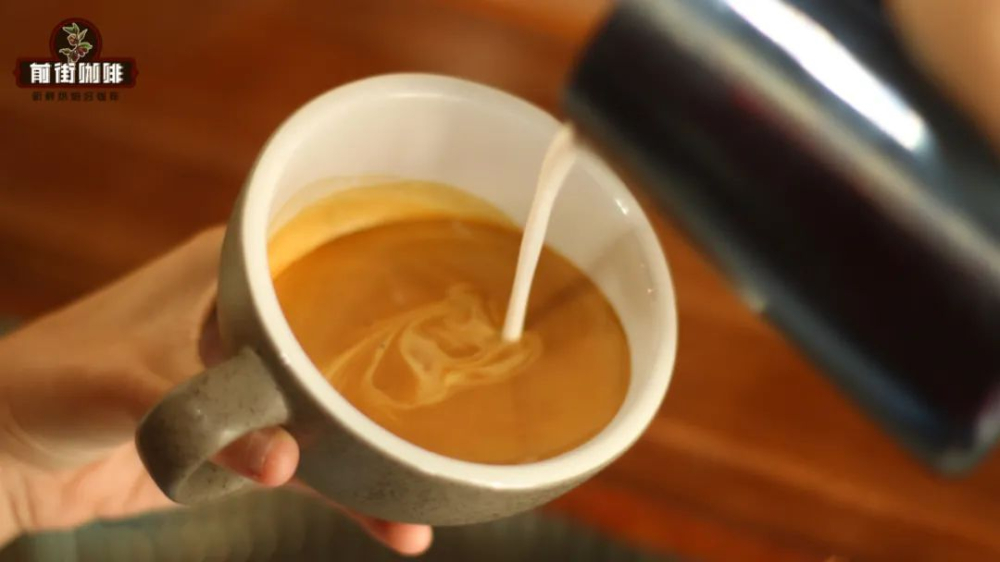
The standard fusion technique: cup in your left hand, pitcher in your right, hands offset by half a turn in relative circular motion. Keep the spout about 5-10 centimeters above the surface, combined with slightly stronger up-and-down stirring movements — do that, and messy stripes are rare.
Pattern Creation Techniques
Pattern creation is the crucial part! By now the coffee has reached half the cup, so it's time to pattern. There are four key points to nail.
Key point 1: While your right hand controls the milk flow, your left hand controls the rotation of the cup — a move generally called "cup return."
Cup return matters a lot. Return too early and the pattern struggles to form; return too late and the coffee easily overflows. So the first skill to practice is coordinating both hands: as the right hand pours, the left hand adjusts the cup return to match the flow!
Key point 2: The harder you push the milk, the more foam comes out — and the stripes created by your shaking motion will run thicker (the same happens if your milk foam was frothed too thick). Pour with a lighter touch, and the shaking produces distinctly textured stripes on the surface (with foam at the right thickness, the stripes come out even crisper!).

Key point 3: Every pattern has its own landing point. Normally there's a slight offset between where you see the pattern end up and where it was actually formed! For example, a heart is meant to sit in the center of the cup, so you need to start the pattern slightly to the right of center (on the pitcher's side) — because the cup return movement and the milk's flow will shift it into place.
Key point 4: The finishing stroke makes or breaks the pattern. A good finish is the final brushstroke on a masterpiece; a bad one is like drawing legs on a snake — even a perfect pattern collapses if you mishandle the height during the finish!
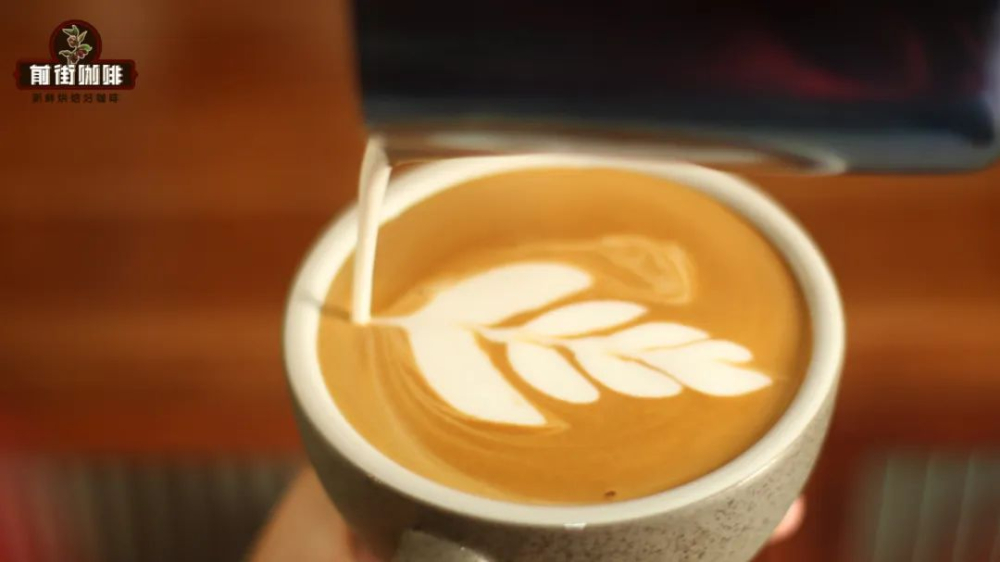
(Poor finishing left the middle lines too thick and threw the whole pattern off balance.) So keep the pitcher's height under control during the finish — don't let it hover too close to the surface, or you'll leave extra "strokes." And start your finish no later than when the cup is nine-tenths full, or the coffee will seep over the edge from sheer volume!
Practice Suggestions
Suggestion 1: When you're brand new, try 1-2 pours with real milk and real coffee first, to feel what "live ammunition" is like. Memorize that resistance and sensation — it makes the later practice with dish soap and soy sauce far more productive. (If you're well-off, by all means keep practicing with the real stuff.)
Suggestion 2: The point of practice is building muscle memory in both hands. Don't fixate on which pattern you want at first; drill the fundamentals — cup and pitcher grip, fusion technique, cup return, and patterning details. It's tedious, but it's the most important part. A day or two of this and you'll have the basic patterns down!
Suggestion 3: Control your practice time. Long continuous sessions breed rigid thinking and fatigue, which makes them ineffective. Take a break every twenty minutes and review which details need work — that's how you improve fastest.
Suggestion 4: Stuck on something? Take a photo and message FrontStreet Coffee — we're happy to offer suggestions.
A Small Detail That's Easy to Overlook
Once you've mastered the basic patterns (heart, leaf, tulip) and set your sights on combination patterns, take a look at your cup. Many people's skills have actually plateaued (allow us a little exaggeration) not because of technique, but because the cup itself is holding them back.
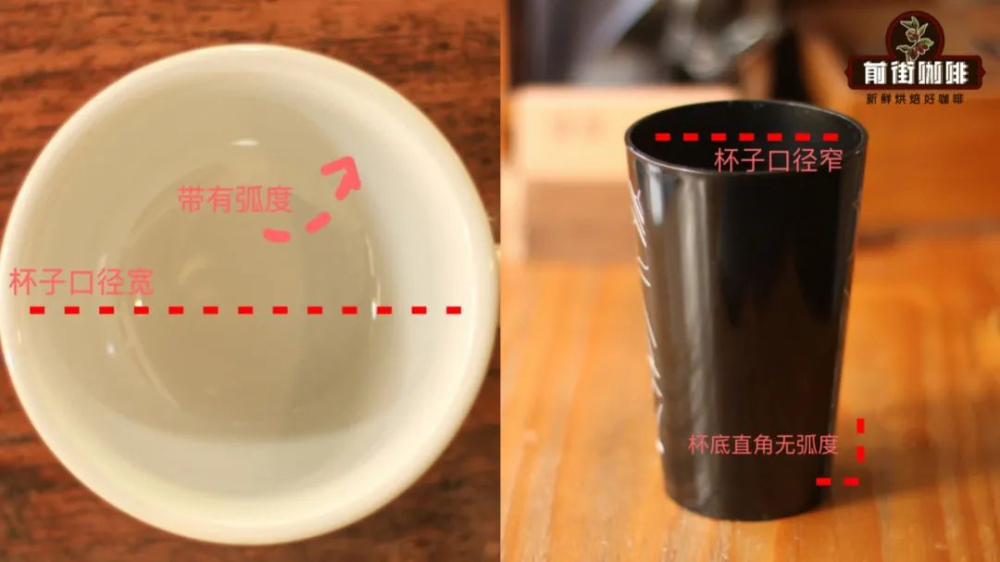
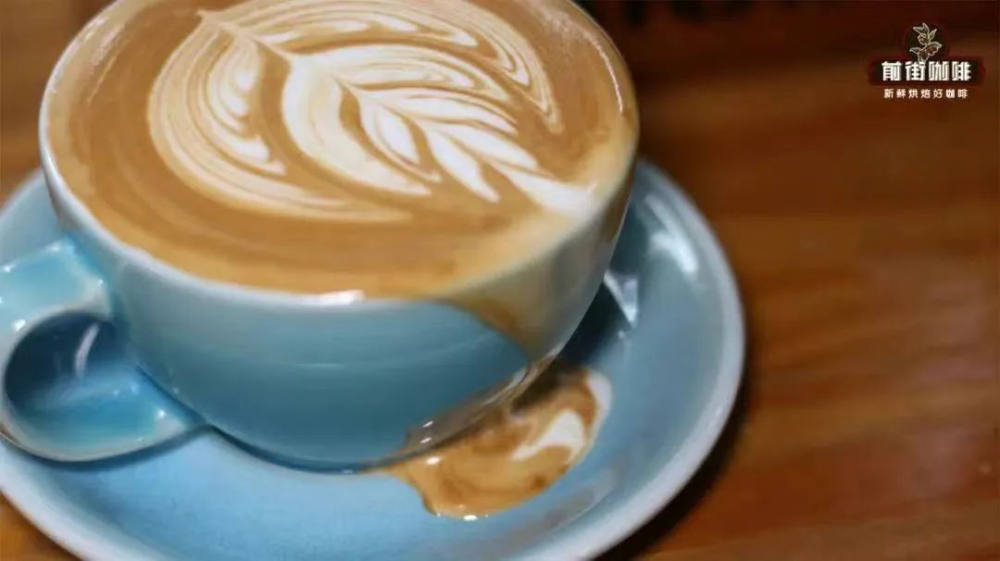
The wider the cup's opening, the larger the canvas for patterning; the narrower, the smaller. And the more curved the cup's bottom, the more thoroughly the milk and coffee can fuse. Simply put: wide-mouthed cups with curved bottoms are the best platforms for high-difficulty latte art.
- END -

FrontStreet Coffee Recommendation
Great latte art starts with an espresso that pours stable, silky crema. FrontStreet Coffee's Classic Blend is the go-to home choice for practice: a medium-dark three-origin formula inspired by the old-school Mocha-Mandheling ("Mamba") pairing, with a touch of Robusta for extra aroma and crema. Expect butter, toasted toast, and caramel-biscuit aromas, a solid body, and very stable extractions.
Craving a nut-forward profile? The medium-dark FrontStreet Signature Blend — washed Colombia and pulped-natural Brazil — shows nuts, dark chocolate, and caramel, with creamy almond and cocoa notes in any milk coffee, crema that rivals cafe output. And if you're gearing up to open a shop, the FrontStreet Commercial Blend adds a little Robusta on top of the Signature formula for deeper brown crema and a heavier body, making every heart and tulip easier to pour.
Important Notice :
FrontStreet Coffee is a long-established specialty coffee roaster in Guangzhou China, selling freshly roasted beans from its own farm in Yunnan as well as dozens of carefully selected single-origin beans from around the world for both pour-over and espresso. The products deliver consistently excellent quality and great value, with shipping within 24 hours. Guangzhou's FrontStreet Coffee shop is recommended by many coffee lovers, and the beans are now available online at the Tmall 。
FrontStreet Coffee has moved to a new address:
FrontStreet Coffee Address: 315,Donghua East Road,GuangZhou
Tel:020 38364473
 Scan and follow the En Gafei WeChat official account. Please indicate that the reprint comes from "En Gafei".

