
What's the Difference Between Milk Coffee Made with Bobo Purified Milk and Regular Milk?
Milk coffee has long been the best-selling item in most cafes and the favorite choice of many coffee lovers. To satisfy that taste, people have developed all kinds of milk with different characteristics to pair with coffee: plant-based milks made from grains, thick coconut cream pressed from coconut flesh, and even condensed milk, which is richer than ordinary milk. Each of these innovations gives a milk coffee its own flavor.
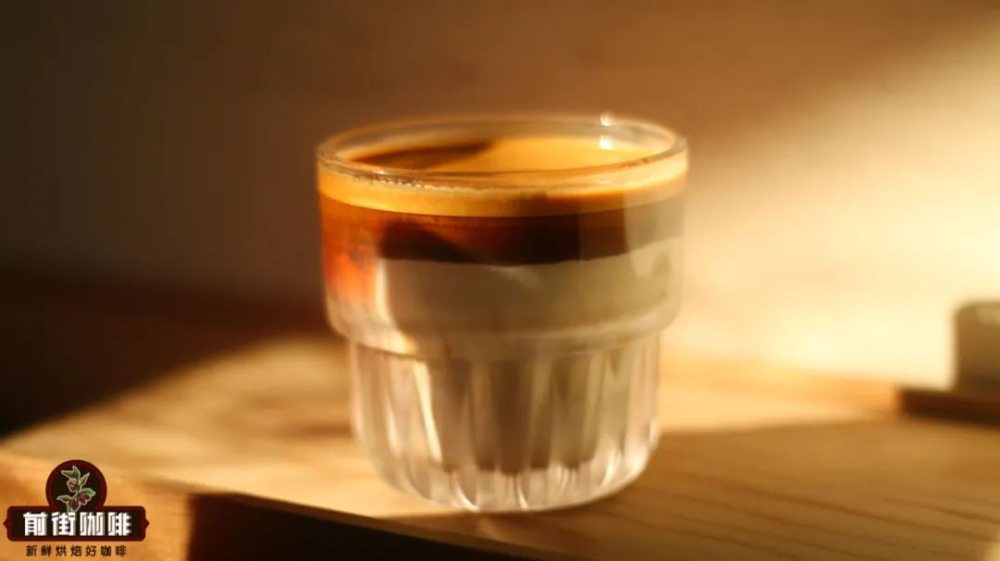
Beginners, though, often use these new milks with the traditional ratios, and the coffee ends up buried under the milk. The first two are manageable, but condensed milk is a particular offender. So when we use condensed milk in a milk coffee, what ratio should we adopt? And if you cannot find condensed milk, no problem. Let's start with how to make "homemade condensed milk," or rather "purified milk."
The Principle Behind Condensed Milk
The condensed milk sold on the market is a product from Biru, a name translated from the German word "Eisbock." The term originally meant "ice bock," a German brewing technique known as the uncrowned king of the beer world, which exploits the difference in freezing points between alcohol and water to obtain a more concentrated liquid. Making condensed milk applies the same principle.
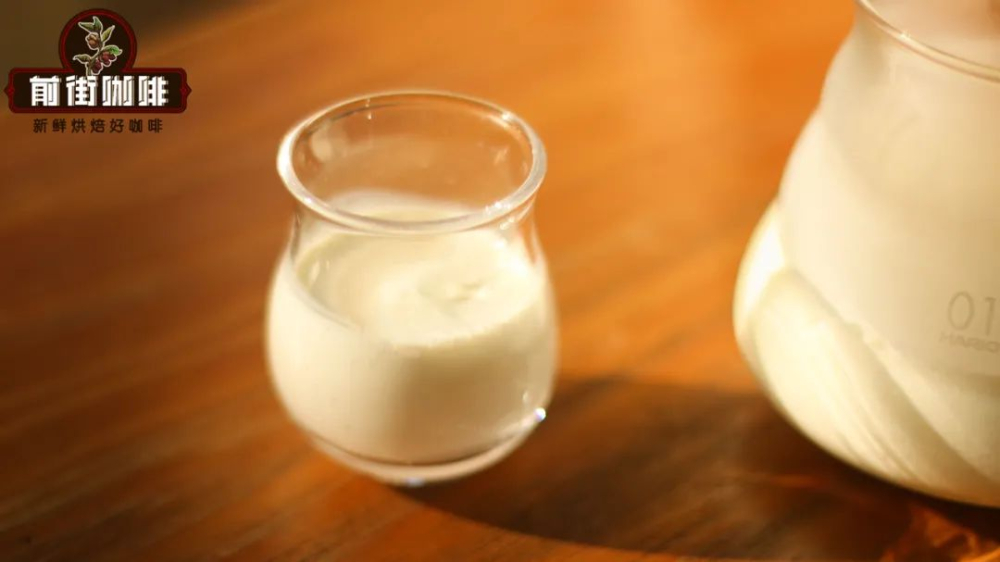
The freezing point of water in milk is 0°C, while other substances such as proteins and fats freeze at slightly lower temperatures. So when you place a bottle of milk in a -20°C freezer, the water freezes first and the other substances follow. Because water takes longer to freeze, it becomes more solid and thaws more slowly than the rest. By collecting the liquid that thaws first and discarding some of the water that has not yet been released, we end up with purified milk.
How to Make "Homemade Condensed Milk"
The method is as simple as it sounds. Place a bottle of milk in the freezer overnight, then take it out the next day. At room temperature, invert it over any container and let it drip until about 40% of the milk's total volume has come out. If you prefer a less concentrated result, extend the dripping time and collect 50% of the total volume before stopping.
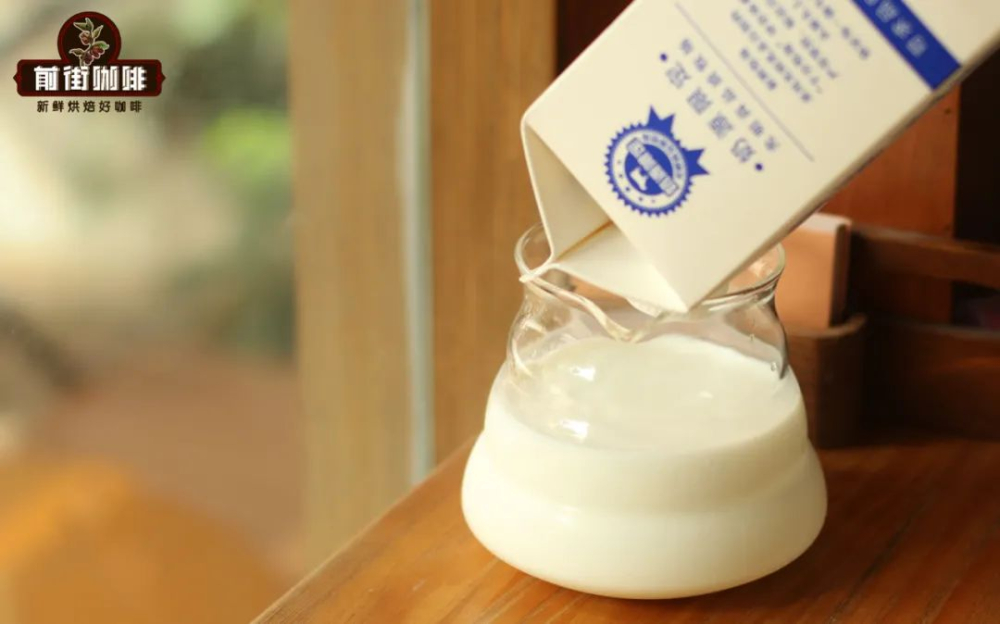
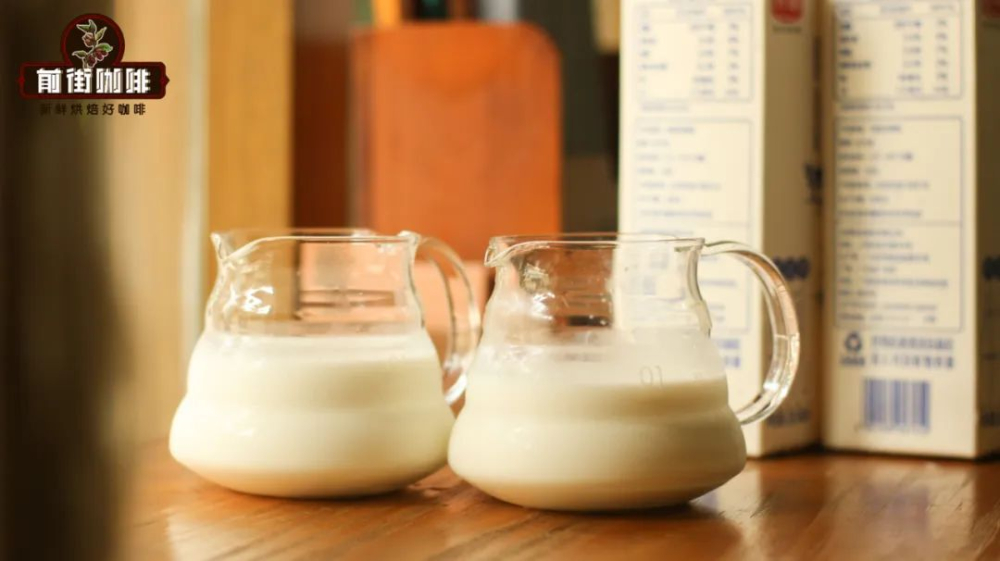
And there you have your "homemade" condensed milk. We call it "homemade" because milk made this way is only about half as concentrated as Biru's commercial condensed milk, which makes it better suited to everyday home-made milk coffee.
What to Consider When Using Purified Milk
Once milk has been purified, its concentration rises to another level. A milk coffee made with it tastes sweeter and feels richer and more mellow. If you keep using your old ratio, though, the coffee will inevitably be overwhelmed by the milk. So when preparing the drink, adjust the balance of coffee to milk so that neither flavor dominates.
For example, if you normally make a latte at a milk-to-coffee ratio of 5:1, meaning 200ml of milk and 40ml of coffee, then when you swap in purified milk you can either raise the espresso proportion to 10:3 (200ml milk, 55ml coffee) or cut the milk to 4:1 (160ml milk, 40ml coffee). Either way you keep the familiar taste while boosting concentration, and neither flavor overpowers the other.

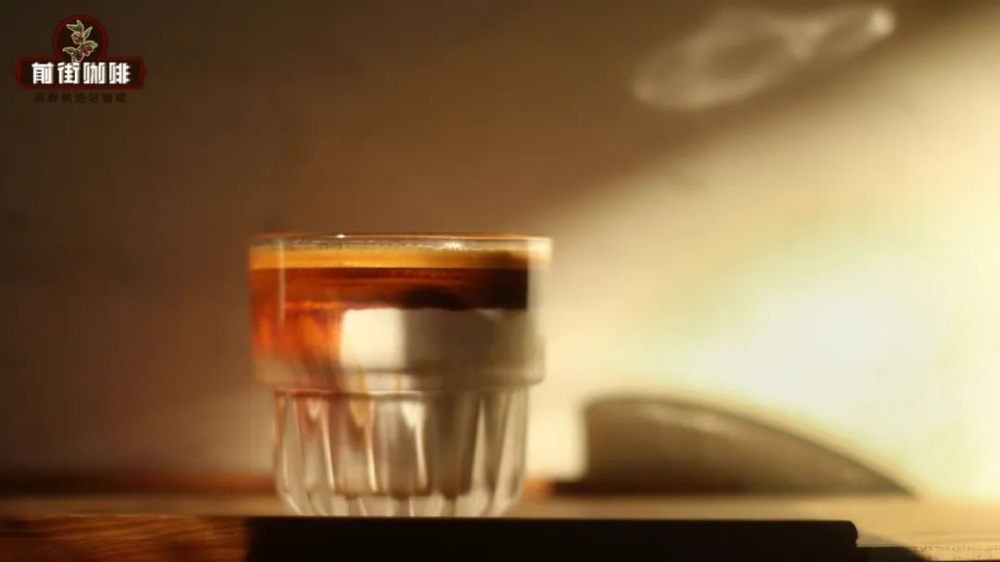
All that said, purified milk is perfect for a Dirty. Concentrated milk holds more lactose, so it is naturally sweeter. Its higher density also makes the overall texture smoother and richer. And it is substantial enough to hold the espresso floating on top, so the layered look lasts longer.
- END -
FrontStreet Coffee
10 Bao'an Qian Street, Yandun Road, Dongshankou, Yuexiu District, Guangzhou, Guangdong Province
FrontStreet Coffee Recommendation
Because concentrated milk pushes the drink toward sweetness and body, the espresso behind it needs enough character to keep up. FrontStreet Classic Blend is the first pick for exactly this reason: designed for espresso and moka pot use, it pulls a remarkably rich, fine crema even from a non-professional home machine, and its traditional Mamba-style recipe gives a mellow, full-bodied shot that suits lattes, cappuccinos, and Dirty alike.
For a nuttier direction, FrontStreet Premium Blend combines Brazilian Cerrado and Colombian Huila beans for a classic espresso flavor with almond, walnut, and cocoa notes, smooth and creamy on the palate and equally at home in a latte or a flat white. If you want the fruit side instead, FrontStreet Strawberry Sugar is a popular fruity espresso blend that recreates a distinct strawberry-candy sweetness from naturally aromatic Arabicas, low in bitterness and ideal when you want a milk coffee that tastes clearly different from the usual.
Important Notice :
FrontStreet Coffee is a long-established specialty coffee roaster in Guangzhou China, selling freshly roasted beans from its own farm in Yunnan as well as dozens of carefully selected single-origin beans from around the world for both pour-over and espresso. The products deliver consistently excellent quality and great value, with shipping within 24 hours. Guangzhou's FrontStreet Coffee shop is recommended by many coffee lovers, and the beans are now available online at the Tmall 。
FrontStreet Coffee has moved to a new address:
FrontStreet Coffee Address: 315,Donghua East Road,GuangZhou
Tel:020 38364473
 Scan and follow the En Gafei WeChat official account. Please indicate that the reprint comes from "En Gafei".

