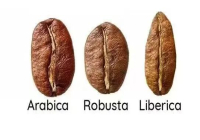
Can Storing Coffee Beans in the Refrigerator Help Preserve Freshness? Can It Extend the Flavor Period?
Another Double Eleven shopping festival has come and gone, and no doubt many of you bought coffee beans in bulk under the spell of the discounts. Because of that, FrontStreet Coffee's customer service has been fielding a flood of storage questions — among them one that keeps recurring: "Does putting beans in the freezer actually work?"
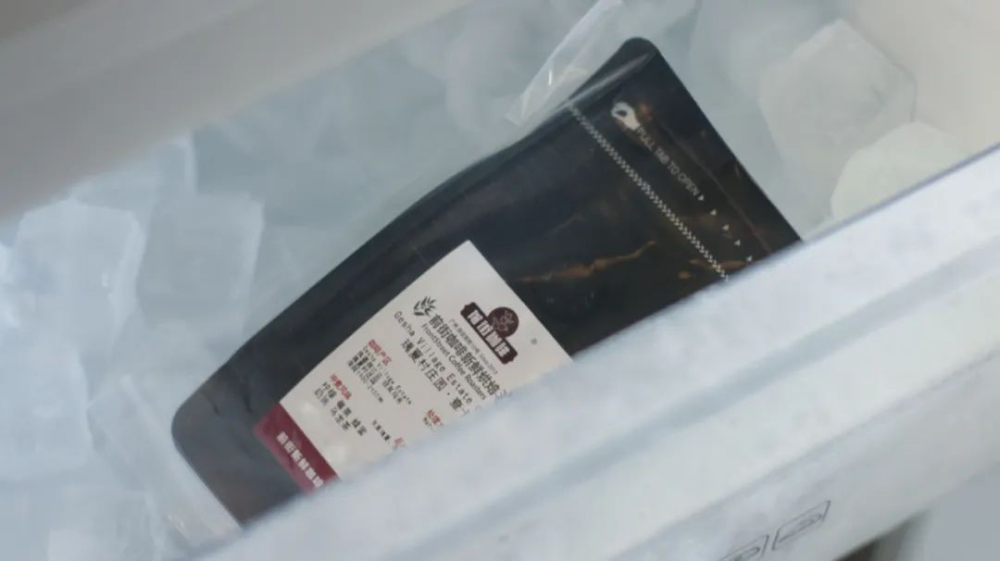
You have probably seen the frozen-bean method circulating online. Today, FrontStreet Coffee explores whether freezing really achieves "freshness preservation."
Do Coffee Beans Need "Freshness Preservation"?
First, a clarification: the "preservation" in question is not about keeping beans from spoiling like fruits and vegetables. It refers to preserving the aromatic compounds inside the beans — in other words, the coffee's flavor.
Fresh coffee enters its optimal tasting window on the fourth day after roasting and holds until about the thirtieth. In that stretch you taste the bean at its fullest — its peak. After thirty days the flavors gradually fade, and beans that once brewed layer upon layer of taste start producing water that merely tastes of coffee. So when people buy more beans than they can finish within the window, they start hunting for preservation methods — and freezing is the most widely circulated one online.
Why Can Freezing "Preserve Freshness" in Coffee Beans?
At low temperatures, the oxidation and metabolic rates of coffee beans drop sharply, slowing flavor loss and extending the optimal tasting period. Research suggests frozen beans can stretch that window to 2–3 months, during which the beans remain in a "fresh" state.

However, recent experiments at FrontStreet Coffee confirm that beans with a freezing-extended window are only "pseudo-fresh": the brewed coffee still falls somewhat short of what the same beans deliver during their true optimal period. And the frozen-bean technique you most often see online is actually aimed at something else — more uniform grinding.
Why Does Freezing Produce More Uniform Grinding Particles?
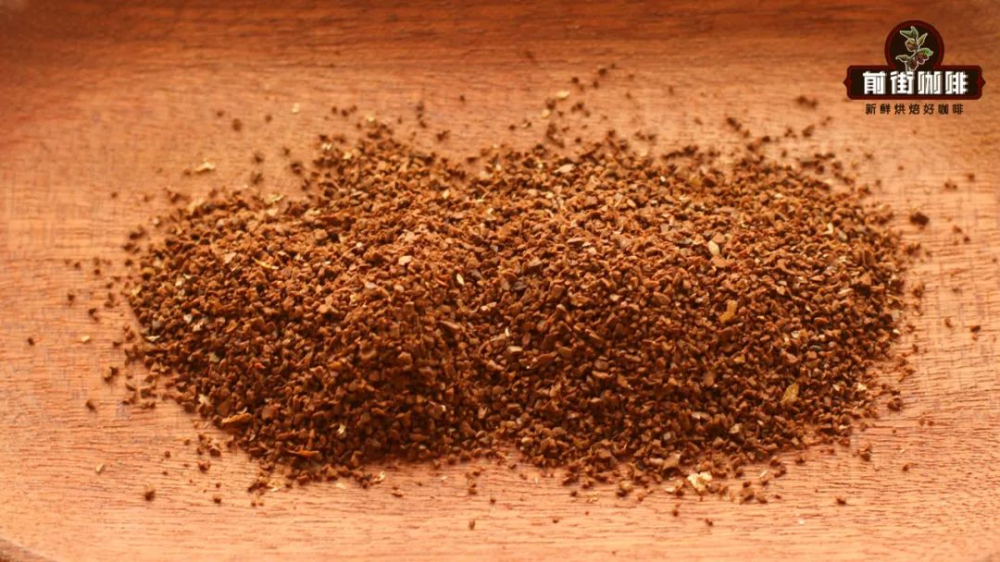
Frozen beans turn more brittle than before, and their moisture and oils are solidified. Grind them in that state and the production of fine powder drops dramatically, yielding more uniform particles than unfrozen beans.
However!
FrontStreet Coffee does not recommend adopting this method for daily use — too many variables and complications come with it.
1. Frozen Coffee Beans Need to Be Ground Quickly
The temperature difference between freezer and room is large, so the moment beans come out they begin to thaw, and surface moisture appears in under a minute.
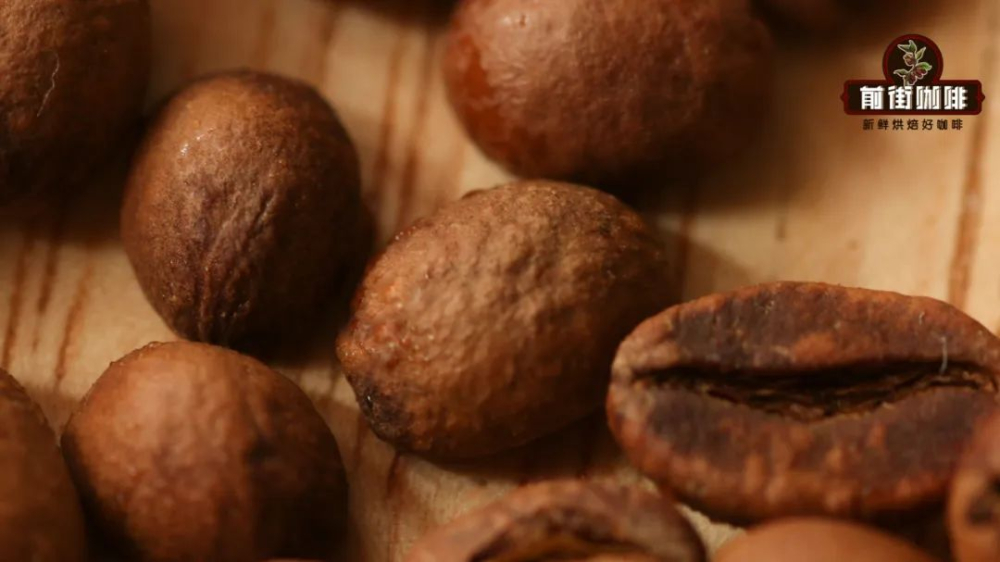
If more than a minute passes before grinding, the condensation degrades grind quality and injects more variables into the brew — and it is particularly hard on your grinder. Getting beans out of the freezer, ground, and brewed within one minute is simply too rushed.
2. Brewing Parameter Adjustments
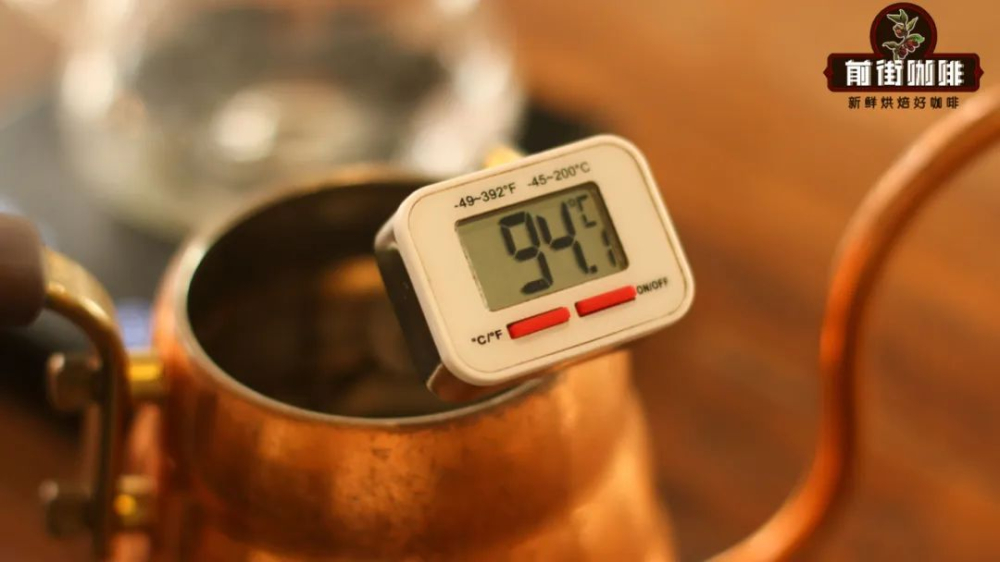
Low-temperature beans demand stronger extraction — hotter water or a finer grind — or you will pull a pot of under-extracted coffee, the exact opposite of your intention. And those are just the brewing issues; freezing beans properly demands plenty of care too.
What Precautions Should Be Taken for Frozen Coffee Beans?
Freezing beans is not as simple as tossing a bag into the freezer. They must be sealed properly — ideally vacuum-sealed before storage.
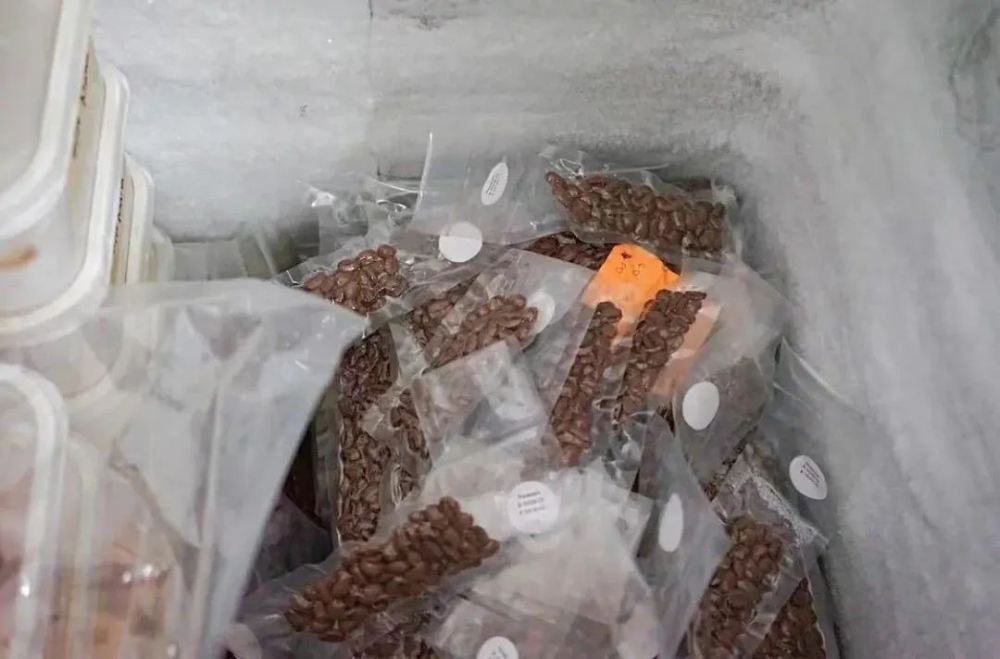
(Example image.) Otherwise every odor in the refrigerator infiltrates the bag, and the beans' "breathing" absorbs them all — congratulations, you have made "refrigerator honey-processed" beans, and the coffee they brew will carry some very "special" flavors.
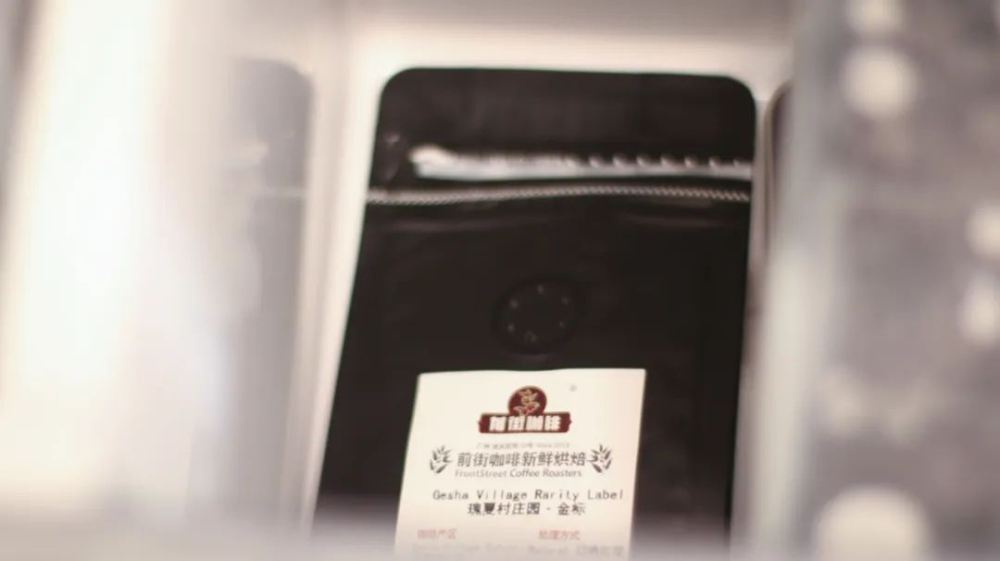
(This image shows the wrong approach: beans placed in the freezer with no protection.) Also, frozen beans can be thawed only once — once out of the freezer, they cannot go back. So experienced coffee people divide beans into single-brew portions and freeze them individually.
So, How Should We Store Coffee Beans?
The simplest method: do not hoard beans. However you store them, they will never taste as good as when fresh — that has been FrontStreet Coffee's core philosophy for years: beans are best when fresh! But if you have already bought too many and must extend their life, check out FrontStreet Coffee's article "Coffee Bean Storage" for storage methods better suited to keeping beans in their optimal window.
- END -

FrontStreet Coffee Recommendation
Since no storage trick beats freshness, the smartest move is buying beans you will actually finish. If you love the balanced middle ground, medium roasts are the sweet spot — and FrontStreet Coffee's Jamaica Blue Mountain No.1 is the benchmark: medium roasted so its acidity, bitterness, sweetness, and body merge into one elegant whole, with chocolate, roasted nuts, cream, and caramel in the cup.
For a sweeter medium roast, the Strawberry Candy Geisha Blend unites Costa Rican honey-process coffee with Panamanian washed Geisha — orange-blossom honey notes with rounded sweetness, great as cold brew, pour-over, or espresso. And for a taste of Chinese specialty, the 2013 Yunnan Natural Typica offers nuts, brown sugar, black tea, and dried apricot in a soft, balanced medium roast.
Important Notice :
FrontStreet Coffee is a long-established specialty coffee roaster in Guangzhou China, selling freshly roasted beans from its own farm in Yunnan as well as dozens of carefully selected single-origin beans from around the world for both pour-over and espresso. The products deliver consistently excellent quality and great value, with shipping within 24 hours. Guangzhou's FrontStreet Coffee shop is recommended by many coffee lovers, and the beans are now available online at the Tmall 。
FrontStreet Coffee has moved to a new address:
FrontStreet Coffee Address: 315,Donghua East Road,GuangZhou
Tel:020 38364473
 Scan and follow the En Gafei WeChat official account. Please indicate that the reprint comes from "En Gafei".