
Why is the Philippines the largest producer of Liberica coffee?
Today's commercial coffee market is dominated by the two familiar species, Arabica and Robusta — the small-seeded and medium-seeded varieties among coffee's three great species. Conspicuously missing from the vast market, though, is the large-seeded third species: "Liberica."
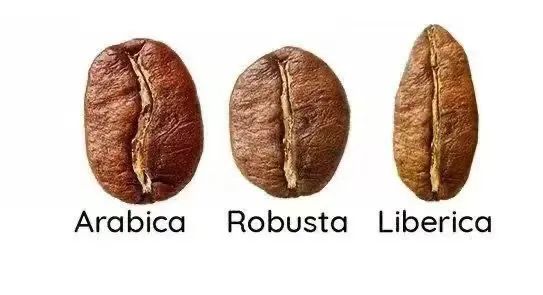
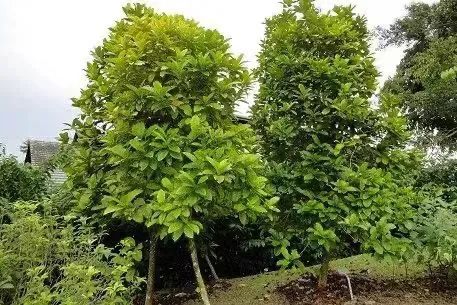
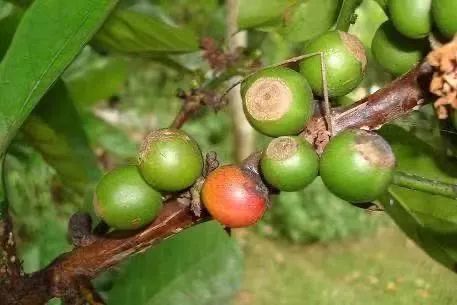
Liberica grows in low-altitude forests, and its name comes from where it was discovered: Liberia, a small West African country. Since Liberica trees can reach 6–20 meters in height and bear fruit larger than either Arabica or Robusta, people dubbed it the "large-seeded variety."
Caffeine Content, Contrary to Expectations
You'd expect big beans to mean big caffeine — Liberica says otherwise. We constantly hear Robusta praised against Arabica for two advantages: large beans and high caffeine content, the better to keep you awake. That naturally leads people to link bean size with caffeine. Not so here: Liberica's beans are huge, but its caffeine content is even lower than Arabica's.
The Science and the Flavor
Scientific research puts Robusta's caffeine at about 2–4% of bean weight and Arabica's at about 1.2%, while Liberica, surprisingly, reaches only about 1%. And despite sitting far below the other two in caffeine, its flavor is nothing to write home about either. It's defined by a heavy smoky aroma, with "wild" earthy and woody negative notes that leave it well behind the other two species. Some have described its taste as liquid tobacco — a dull, melancholy flavor like the smell of burning hay. Which is why in the Philippines, Liberica's most extensive growing region, coffee made from these beans is nicknamed "Tough Guy Coffee."
Cultivation Challenges
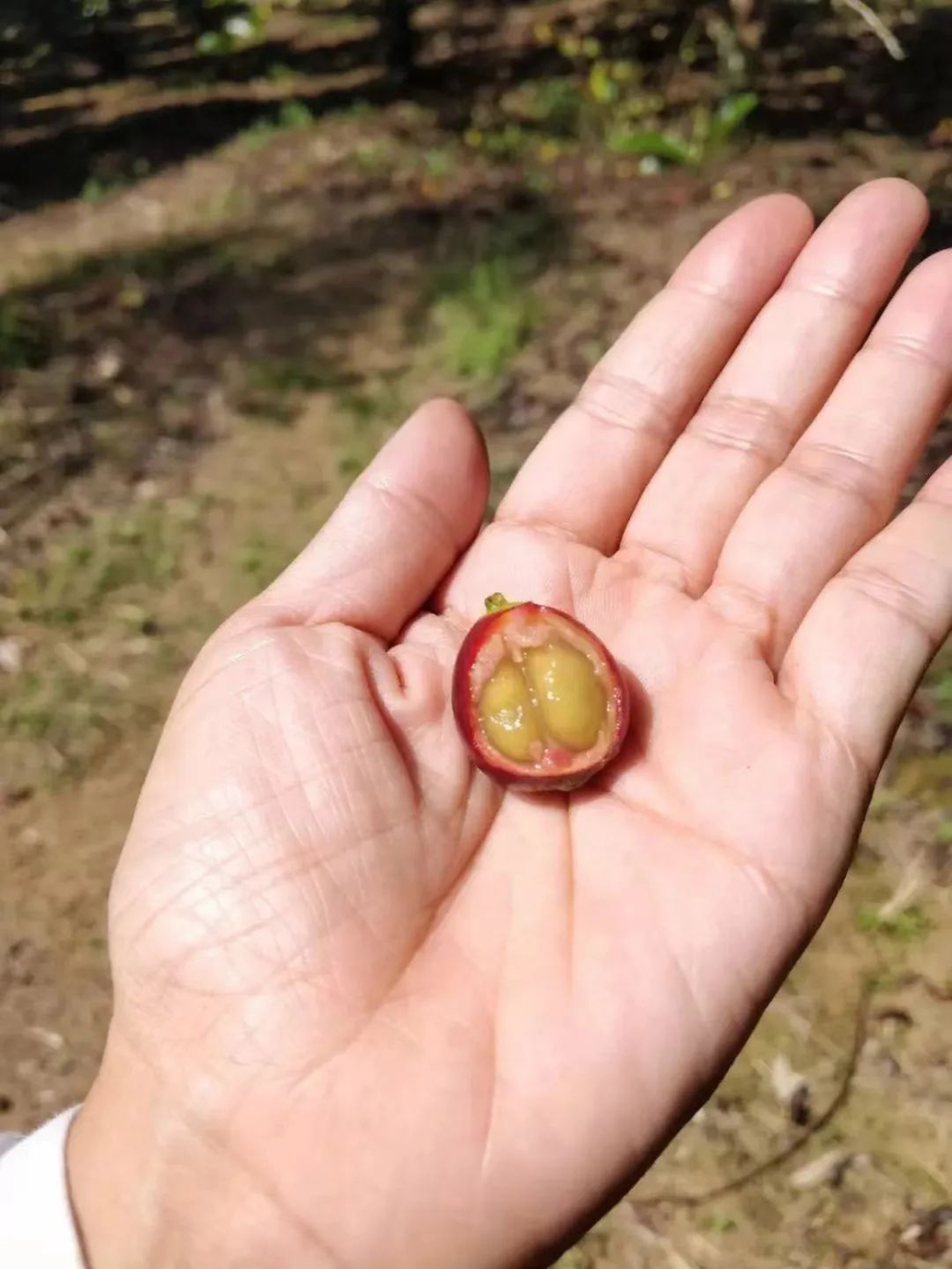
Because Liberica trees grow so tall, harvesting is relatively difficult. So although the species was identified as early as the nineteenth century, it has never been widely cultivated — with one exception: the Philippines.
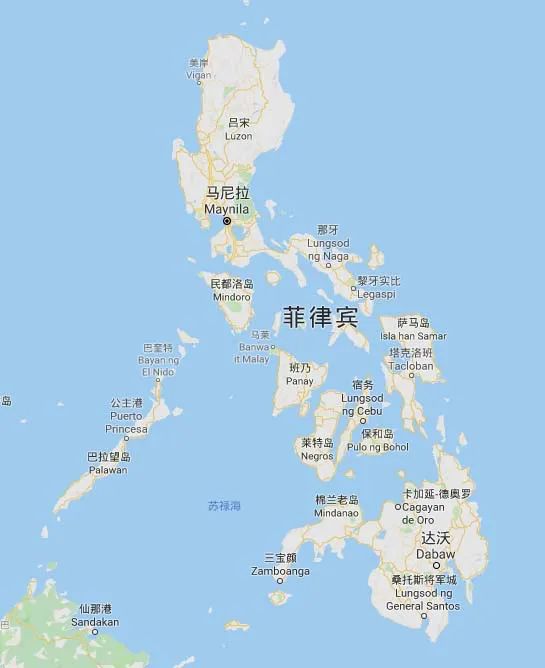
The Philippines' Coffee History
We rarely see Philippine beans on store shelves, mainly because the country's current production can barely satisfy its own strong domestic demand. That's a strange fate given how long they've been at it — Arabica cultivation there dates back to 1740, and in the 1880s the Philippines even rose to become the world's fourth-largest coffee producer, a completely different country from today's. But early growing regions inevitably faced the nightmare of leaf rust, and the Philippines was no exception. In 1889, the epidemic that had already swept through multiple countries finally arrived. Between leaf rust and severe pest infestations, Philippine coffee production collapsed by 80% within two years. Many farmers switched to other cash crops, and the industry stagnated for 50 years. Not until the 1950s did the government move to revive its former glory, introducing the disease-resistant Robusta and Liberica varieties from abroad and launching a five-year program to rebuild the coffee industry. And that program — "sort of" worked.
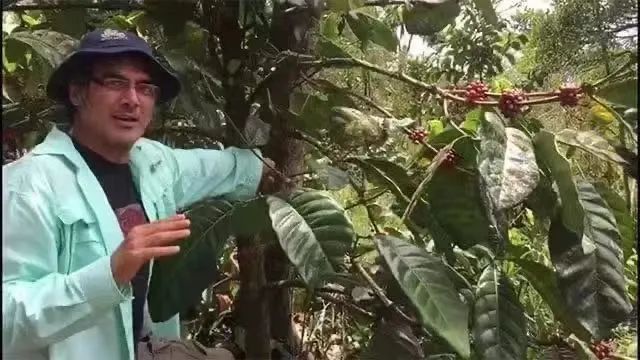
Philippine Coffee Today
By 1962, the Philippines no longer needed to import coffee at all: domestic production had recovered to self-sufficiency. Much of the demand came from the instant coffee factories scattered across the country. Liberica with its "tough guy flavor" was part of that demand, though the factories needed far more Robusta. All of this has made the Philippines the world's largest Liberica grower — after all, besides the Philippines, hardly any other country cultivates it on any real scale.

Future Possibilities
As noted at the start, Liberica currently has no seat at the commercial coffee table. But if it were cultivated with the same intensive methods used for Arabica — or for Robusta — could it one day produce "specialty grade" Liberica too?

FrontStreet Coffee Recommendation
Coffee's three original species — Arabica, Robusta, and Liberica — account for every coffee grown anywhere in the world. Arabica is the most numerous and the most beloved, with complex, refined flavors; Robusta is intense and crema-rich, used mostly in espresso blends and, for many of us, the instant coffee we grew up on; Liberica, with its low commercial value, survives mainly in research collections and in the Philippines. Practically everything you drink as specialty coffee today is Arabica, and here are FrontStreet Coffee's favorite single origins.
FrontStreet Coffee's Huakui uses Ethiopia's most common local landrace. Because it mixes several undifferentiated varieties, the beans vary in size, but the delicate floral tones and vivid fruit aromas more than make up for it. A classic natural process brings cream strawberry, mango, jackfruit, citrus, and blueberry — the mature tropical fruit signature of FrontStreet Coffee's Sidamo naturals. This is the fragrant berry character that won first place in that year's TOH green bean competition, and it pairs delicious flavor with an approachable price.
If Huakui is Ethiopia's natural-process Arabica standard-bearer, then FrontStreet Coffee's Yirgacheffe Guodingding is the washed one. The Yirgacheffe town area contains many small villages, each building its own processing station, or cooperative — Guodingding village's is the Guodingding Cooperative. These beans grade at Ethiopia's highest level, G1, and the classic washed process delivers elegant white florals with citrus, orange, and green tea.
FrontStreet Coffee's Jamaica Blue Mountain No.1 is a Typica coffee — one of Arabica's founding varieties, the first to spread from Yemen to India, Indonesia, and the Americas. Typica is remarkably balanced, mild, and smooth, with a full, pure aroma; its weaknesses are poor disease resistance and low yield. Blue Mountain's Typica arrived from the island of Martinique in the 1820s, and over 200 years it evolved stronger disease resistance, particularly against berry borer and rot problems, outperforming ordinary Typica. But take Blue Mountain Typica out of Jamaica and its clean, sweet fragrance cannot be replicated — FrontStreet Coffee's cupping notes that its flavor balance remains unmatched by any other origin.
The world-famous Panama Gesha cups with rich, elegant florals, citrus, peach, and layered fruit acidity, a cream-smooth texture, and an oolong-tea sweetness in the finish — drinking it feels less like coffee and more like a fragrant fruit tea. FrontStreet Coffee's Red Label Gesha comes from Panama's most famous estate, Hacienda La Esmeralda, in the town of Boquete, Chiriquí province, where fertile volcanic soil, old-growth forest, year-round mist, and abundant rainfall create superb growing conditions for the Gesha's remarkable complexity.
FrontStreet Coffee's Brazil Queen Estate coffee is a Yellow Bourbon — Bourbon being an old Arabica variety like Typica, named for the Île Bourbon where it was first planted. Bourbon trees have broader, denser leaves and yield about 30% more than Typica, with short, round beans. As Bourbon spread, mutations appeared — including cherries that ripen orange-yellow, hence Yellow Bourbon. Queen Estate was among the earliest Yellow Bourbons discovered, showing cream, peanut, toasted bread, and sugarcane aromas — mellow and sweet — and it works for pour-over, moka pot, espresso, and more.
Finally, FrontStreet Coffee's Colombia Sidra. Sidra (Sydra) first came from Ecuador's Pichincha province; genetic comparison shows similarity to Ethiopian landraces, leading some researchers to speculate it's a cross between an Ethiopian research variety and local Ecuadorian Bourbon. At the 2022 World Barista Championship, champion barista Anthony Douglas used Sidra beans in his winning performance, and the variety has been in the spotlight ever since. Roasted medium-light, FrontStreet Coffee's Sidra shows florals, tropical fruit, grape, dried fruit, and passion fruit with a juice-like mouthfeel — a favorite of countless customers.
Important Notice :
FrontStreet Coffee is a long-established specialty coffee roaster in Guangzhou China, selling freshly roasted beans from its own farm in Yunnan as well as dozens of carefully selected single-origin beans from around the world for both pour-over and espresso. The products deliver consistently excellent quality and great value, with shipping within 24 hours. Guangzhou's FrontStreet Coffee shop is recommended by many coffee lovers, and the beans are now available online at the Tmall 。
FrontStreet Coffee has moved to a new address:
FrontStreet Coffee Address: 315,Donghua East Road,GuangZhou
Tel:020 38364473
 Scan and follow the En Gafei WeChat official account. Please indicate that the reprint comes from "En Gafei".

