Should Fine Particles Be Retained in Coffee Extraction?
The Challenge of Excessive Fine Particles in Coffee Grinding
Quite often, thanks to the limitations of the grinding equipment, the coffee grounds end up loaded with excessive fine particles! At that point, whoever is about to brew faces a genuinely tricky call!
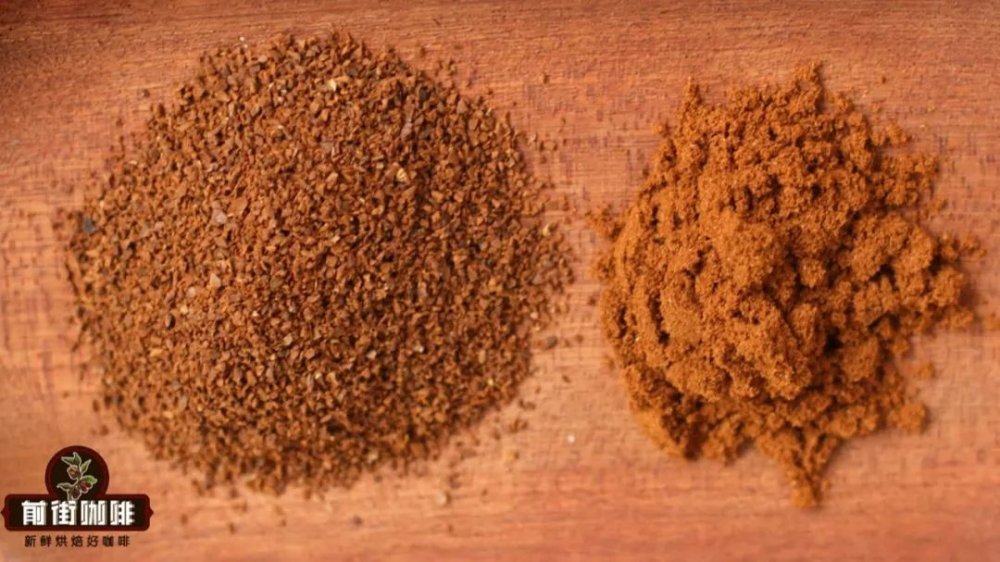
FrontStreet Coffee often describes excessive fines as a double-edged sword. Keep them, and you might gain rich layers of flavor—but you run a high risk of pulling bitter, over-extracted tastes into the cup. Discard them, and while you remove an uncontrollable source of over-extraction, the coffee can come across as somewhat flat! The obvious best fix would be upgrading to a more precise grinder, but many of us—FrontStreet Coffee included—find ourselves on a tight budget. So is there a better way?

Why We Need to Sieve Out Fine Particles
There is! Combining FrontStreet Coffee's article on fine particles from last year with opinions gathered from coffee enthusiasts online, we can land on two practical reference solutions. But first, the fines have to be sieved out!
Why sieve at all? It's true that fine particles are inherently prone to over-extraction—but as long as they aren't excessive, they won't materially disturb the brew. Even the best grinders always produce some fines, and we usually don't bother sifting them because there's no need. The real problem is that certain grinders produce simply TOO! MANY! FINE! PARTICLES! Anything smaller than 0.25mm can perfectly clog the drainage pores of the filter paper, trapping liquid that should have drained quickly inside the filter cone for far longer! And here's the remarkable part: not only do the fines over-extract themselves, they drag the surrounding particles into over-extraction too! So step one is to sieve them out—we can talk solutions afterwards.
How to Sieve Fine Particles
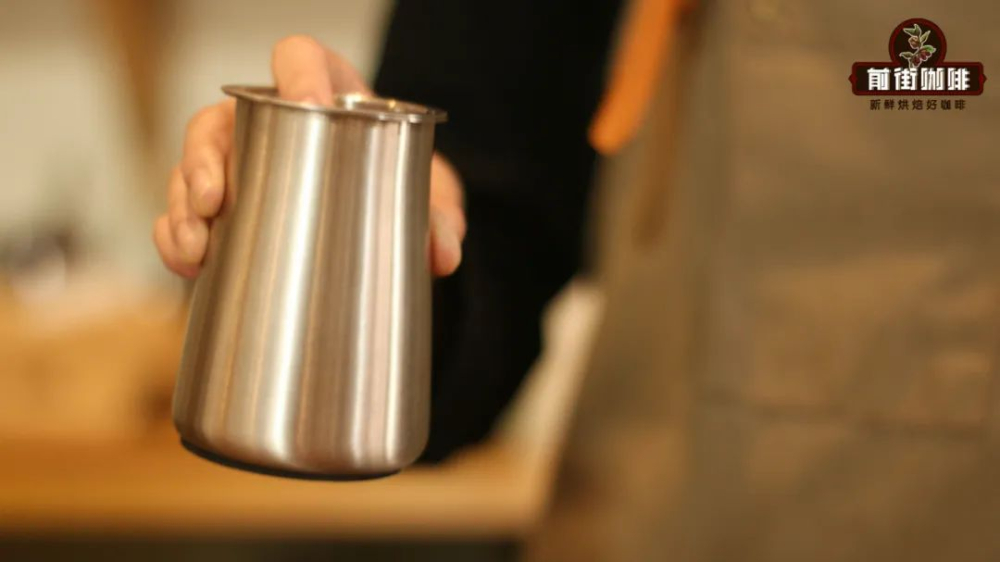
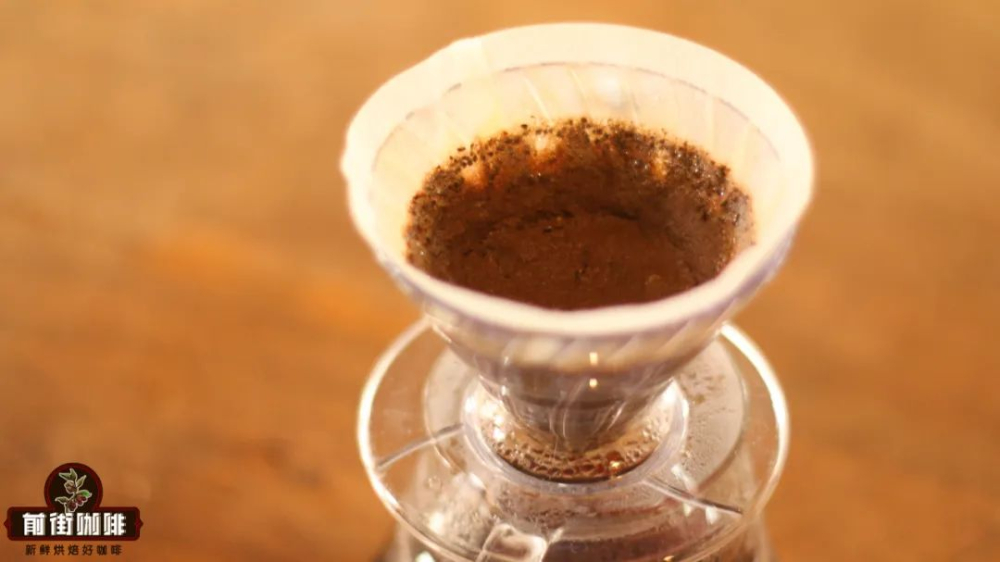
Simply buy a fine particle sieve (commonly sold as a flour sieve), pour all the ground coffee into the inner pot, put the lid on, and shake!!! Keep shaking until you feel the fines have been separated out! For instance, when FrontStreet Coffee grinds 15g of beans with a hand grinder, we sieve out a full 2.5g of fine particles!

That is 16% of the total grounds. Brew them directly and they'll easily clog the filter paper and stretch out the extraction! You'd also finish with a muddy coffee bed.
Two Practical Solutions for Fine Particles
That said, if you discard them outright, extraction does become more stable, but the downsides start to outweigh the benefits: first, you lose 3g of coffee and have to grind extra—which costs both money and effort. So our conclusion is: the best approach is to keep reading! (Yes, that's just padding the word count.) Once the fines are sieved out, you can turn to these two solutions. One is to pre-determine how much fines to include before brewing so they can't do much harm; the other is to add them at just the right moment mid-brew to reduce the risk of over-extraction.
Solution 1: Pre-determined Addition Method
How much can you add before the filter paper clogs? FrontStreet Coffee ran dedicated experiments on exactly this question and concluded that when fines make up less than 10% of the total grounds, the brew proceeds normally with excellent flavor. Above 10%, clogging becomes likely! So the goal is to keep fines under 10%!
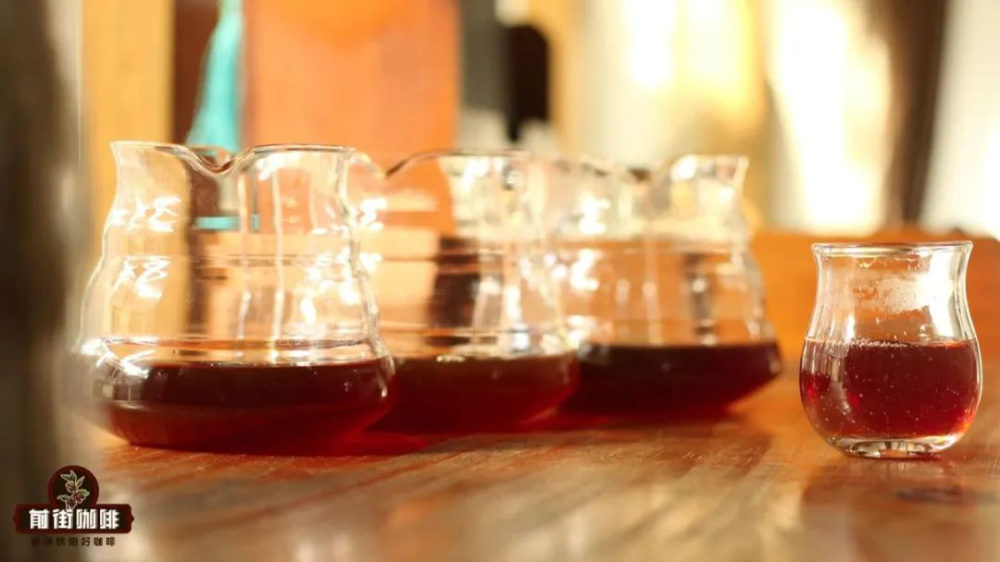
For example, if you grind 15g of beans and collect 2.5g of fines, you can take 1.5g of them into the brew and cut the originally planned water amount by 15ml! After all, even higher-precision grinders produce a similar share of fines, and as long as the other variables stay stable through extraction, the odds of failure drop dramatically!
Solution 2: Mid-brew Addition Method (Unconventional Approach)
Set the sieved fines aside for later, and first brew according to your original parameters. After pouring the second segment of hot water, add the reserved 3g of fines!
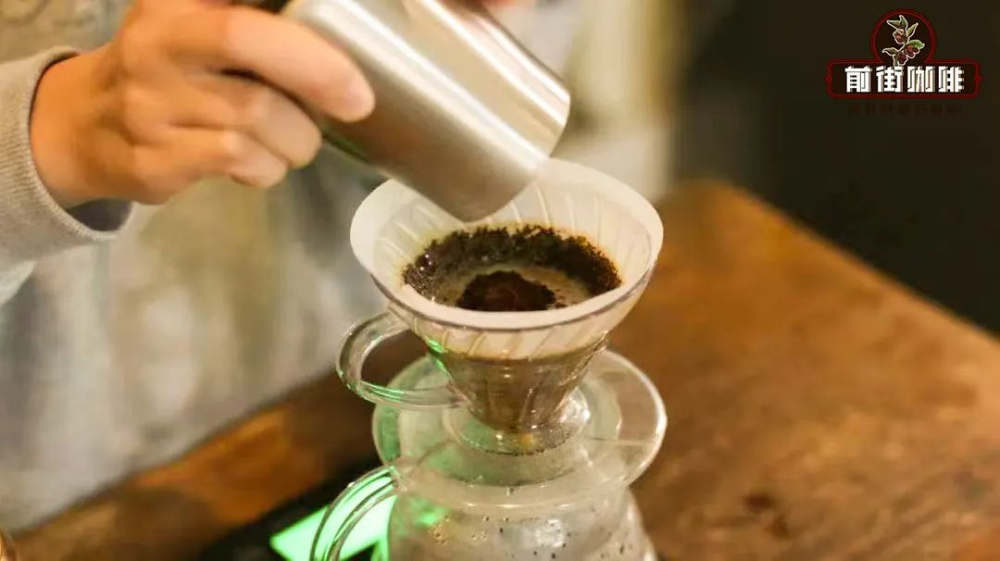
This way, you extract the aromatic compounds from the fines appropriately—not only avoiding wasted flavor from those 3g of grounds, but also preventing the fines from settling at the bottom and clogging the filter paper! Other brew methods can likewise find a suitable moment to add fines following the same logic—it isn't limited to three-stage pouring. This is just one reference approach; fines hold even more possibilities for experimentation. If you have other ideas, feel free to share them~
- END -
FrontStreet Coffee
10 Bao'an Qianjie, Yandun Road, Dongshankou, Yuexiu District, Guangzhou, Guangdong Province

FrontStreet Coffee Recommendation
FrontStreet Yirgacheffe Natural Red Cherry
Hand-grinder fans after a bright, fruity cup should look at the FrontStreet Natural Red Cherry from the famed Yirgacheffe region—one of the earliest coffees to adopt full red-cherry natural processing, which is why its quality runs so high. Roasted medium-light, it smells of ripe fruit, opens with a clear fermented note and berry character, then, as it cools, shows citrus acidity and creamy smoothness, finishing with the juiciness of ripe grapes.
FrontStreet Strawberry Candy Gesha Blend
This blend combines high-altitude beans from two carefully chosen origins: washed Gesha from Panama and honey-processed coffee from Costa Rica. To make the most of both, FrontStreet roasts it medium, preserving rich floral-and-fruit tones while bringing out roast-driven aromas. In the cup: caramel, raisins, dried fruit, and a sweet, heady rose fragrance.
FrontStreet Mozart (Musician Series)
Costa Rican coffee is famous for its sweetness, and the FrontStreet Mozart—processed with raisin honey treatment that lets the coffee fruit ferment slowly during drying—delivers the sweetness of Kyoho grapes plus distinctive pineapple and osmanthus aromas. Roasted medium-light, it shows intensely fragrant raisin, rose, and fermented wine-like flavors.
Important Notice :
FrontStreet Coffee is a long-established specialty coffee roaster in Guangzhou China, selling freshly roasted beans from its own farm in Yunnan as well as dozens of carefully selected single-origin beans from around the world for both pour-over and espresso. The products deliver consistently excellent quality and great value, with shipping within 24 hours. Guangzhou's FrontStreet Coffee shop is recommended by many coffee lovers, and the beans are now available online at the Tmall 。
FrontStreet Coffee has moved to a new address:
FrontStreet Coffee Address: 315,Donghua East Road,GuangZhou
Tel:020 38364473
 Scan and follow the En Gafei WeChat official account. Please indicate that the reprint comes from "En Gafei".