
What is the Roast Color Value of Coffee Beans? How to Judge the Degree of Roast from Appearance
Understanding Coffee Roast Levels Through Color
We all make rough guesses about a bean's roast level from its color. If the surface is brown and leaning bright, we figure it's a light roast; brown and leaning dark, we guess dark roast.
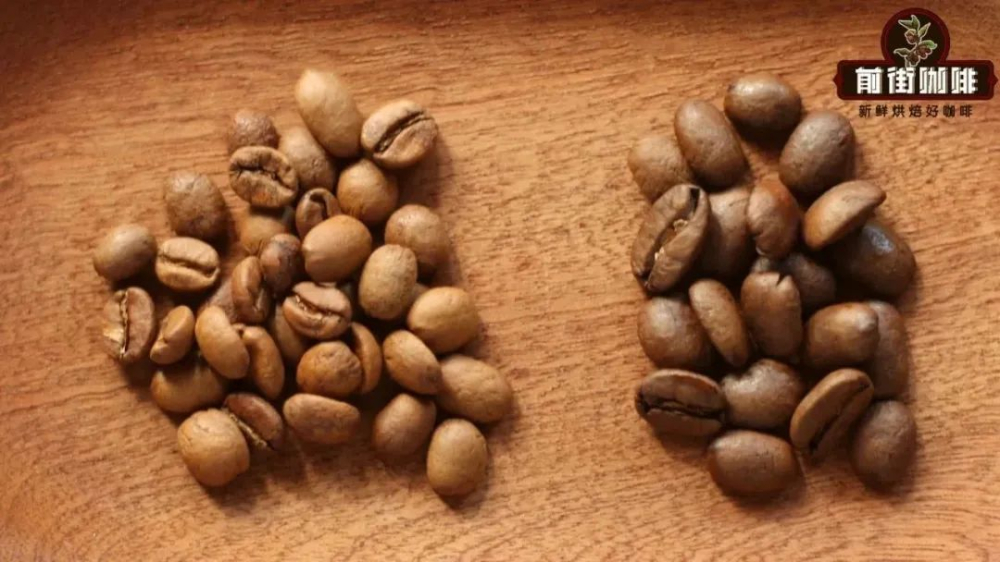
Professionals long ago turned these color differences into a scientific scale. Based on how dark the beans are when they leave the roaster, they assign numerical color values — Agtron values — which today serve as the industry's standard for measuring roast degree. The name roughly translates to "caramelization analysis value."

The Agtron Scale and Roast Levels
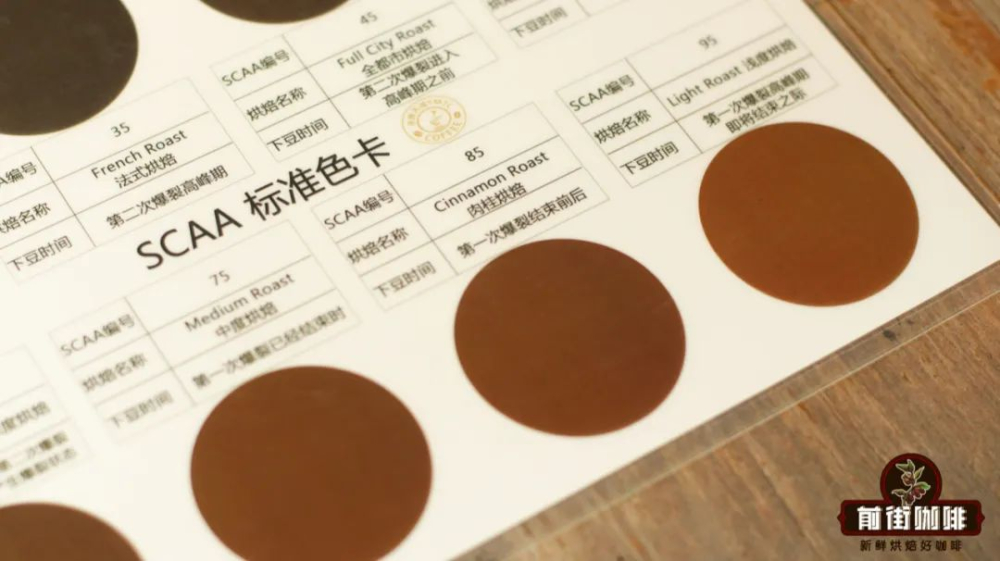
The chart above is a coffee color scale produced by the SCAA, showing eight color sections that correspond to different roast levels. Beneath each are numbers of varying size — those are the Agtron values. The larger the number, the lighter the roast; the smaller the number, the deeper.
The lightest level is Light Roast, Agtron 95, typically dropped at the point when first crack becomes dense and is about to end. These beans showcase bright acidity as their defining trait.
At Agtron 85 we have Cinnamon Roast, usually dropped right around the end of first crack — you can still hear the occasional pop as the beans leave the drum. Acidity softens slightly, and sweetness starts to come forward.
At Agtron 75 it's Medium Roast, typically dropped once the cracks have fully fallen silent. Coffee here balances acidity and sweetness with a juice-like texture.
At Agtron 65 we get High Roast (Dark Roast), dropped in the quiet stretch just before second crack begins. Bitterness now leads, backed by deep-roast flavors of nuts, cream, and chocolate.
At Agtron 55 it's City Roast, dropped roughly when second crack starts — judged, as always, by the first three audible pops. Bitterness deepens further and caramel aromas emerge clearly.
At Agtron 45 it's Full City Roast, dropped just before second crack ends. A difference of only about 10 seconds from the previous level, yet the change is dramatic: bitterness and caramelized notes grow even richer.
At Agtron 35 we have French Roast, dropped roughly when second crack becomes dense and the beans are popping in a chorus. Emerge at this moment and you'll hear the beans continue crackling as they cool — and see oil beginning to seep onto the surface.
At Agtron 25 it's Italian Roast, dropped roughly as second crack ends (after the dense crackling). The beans are jet black, almost reflective, with oils largely migrated to the surface. Flavors at this stage take on unmistakable burnt-oil notes.
Practical Applications of Roast Levels
Roasts like French (35) and Italian (25) have become rare on the market, because since the specialty coffee wave began, preferences have drifted steadily from very dark roasts toward lighter ones. But FrontStreet Coffee's point in sharing these values is simply to build the concept — there's no need to apply them rigidly in daily life. Modern processing methods like honey and anaerobic fermentation can shift bean color and muddy the picture; mapping colors strictly to numbers would only create confusion, not clarity.
So as FrontStreet Coffee suggests, judge roast depth by the flavors in the cup: acidity-dominant coffees are light roasts, bitterness-dominant coffees are dark roasts — and the balanced middle ground is where medium roasts live.
FrontStreet Coffee Recommendation
Roasting balances three things — acidity, sweetness, and bitterness — and the deeper the roast, the more bitter and heavy the cup; the lighter, the more acidic and delicate. If you're chasing that middle ground, medium roast is where to look. FrontStreet Coffee's Brazil Queen Estate, a distinctive Yellow Bourbon from the world's largest coffee producer, roasted medium, offers creamy peanut, chocolate, toast, and sugarcane sweetness — gentle, low in both acid and bitterness, and equally happy in a pour-over, moka pot, or espresso machine. The Jamaica Blue Mountain No.1 is another medium-roast benchmark: Typica grown in Blue Mountain's famed terroir, with chocolate, roasted nuts, cream, and caramel fused into an elegant, famously balanced cup.
If you'd like your medium roast on the sweeter side, the Strawberry Candy blend pairs honey-processed Costa Rica with washed Panama Geisha for orange-blossom honey notes and rounded sweetness — at home in cold brew, pour-over, or espresso. And FrontStreet's 2013 natural Typica from Yunnan brings nuts, brown sugar, black tea, and dried apricot in a soft, harmonious cup that works beautifully in a drip machine too, at a very friendly price.

Important Notice :
FrontStreet Coffee is a long-established specialty coffee roaster in Guangzhou China, selling freshly roasted beans from its own farm in Yunnan as well as dozens of carefully selected single-origin beans from around the world for both pour-over and espresso. The products deliver consistently excellent quality and great value, with shipping within 24 hours. Guangzhou's FrontStreet Coffee shop is recommended by many coffee lovers, and the beans are now available online at the Tmall 。
FrontStreet Coffee has moved to a new address:
FrontStreet Coffee Address: 315,Donghua East Road,GuangZhou
Tel:020 38364473
 Scan and follow the En Gafei WeChat official account. Please indicate that the reprint comes from "En Gafei".

