What's the Difference Between Trapezoid and Cone-Shaped Drippers? Why Do Few People Use Trapezoid Drippers for Pour-Over Coffee?
The Unconventional Shape of Drip Coffee Filters
Have you ever noticed that the drippers we use day to day, whether V60, Kono, or Origami, all share a nearly identical conical shape? The association has become so strong that when people picture a dripper, the image that comes to mind is invariably conical. Yet drippers come in other shapes too, such as the one FrontStreet Coffee is about to discuss: the trapezoidal dripper.
The First Trapezoidal Filter Cup
In 1936, the Melitta Bentz Company, founded by the inventor of pour-over coffee, introduced the world's first trapezoidal dripper. It also had a distinctive alternative name: the "fan-shaped dripper."
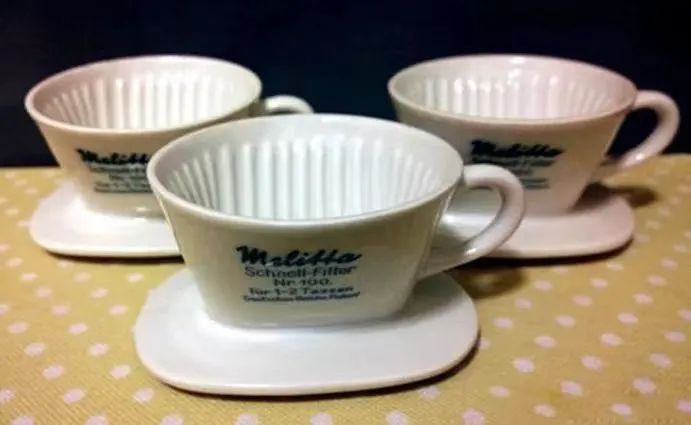
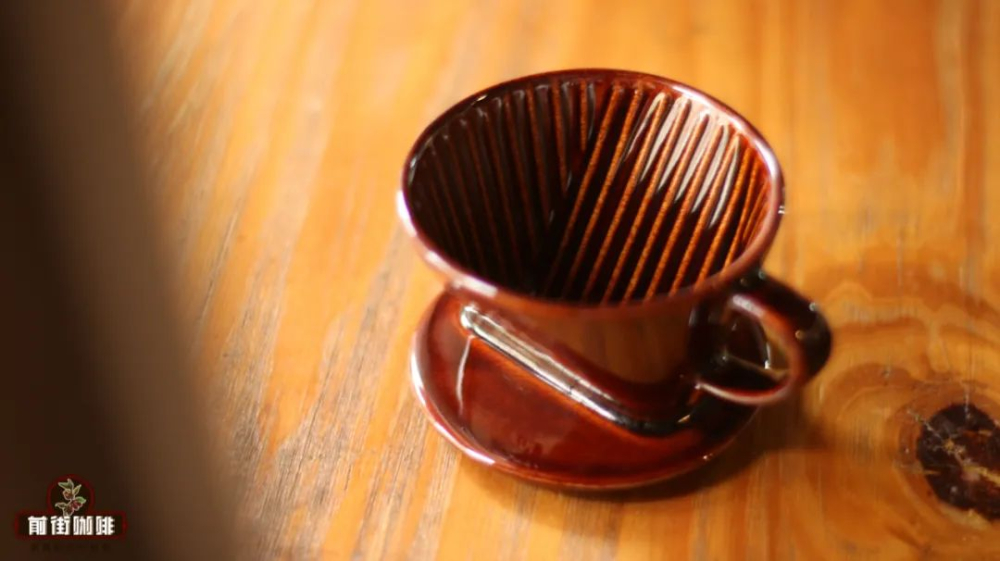
As the photo shows, it is not very different in appearance from today's classic trapezoidal drippers, all of them an inverted trapezoid. The one difference is that the Melitta Bentz Company's dripper had only a single small hole at the bottom.
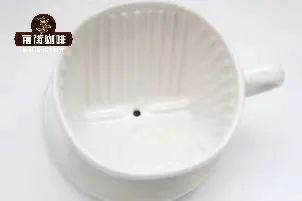
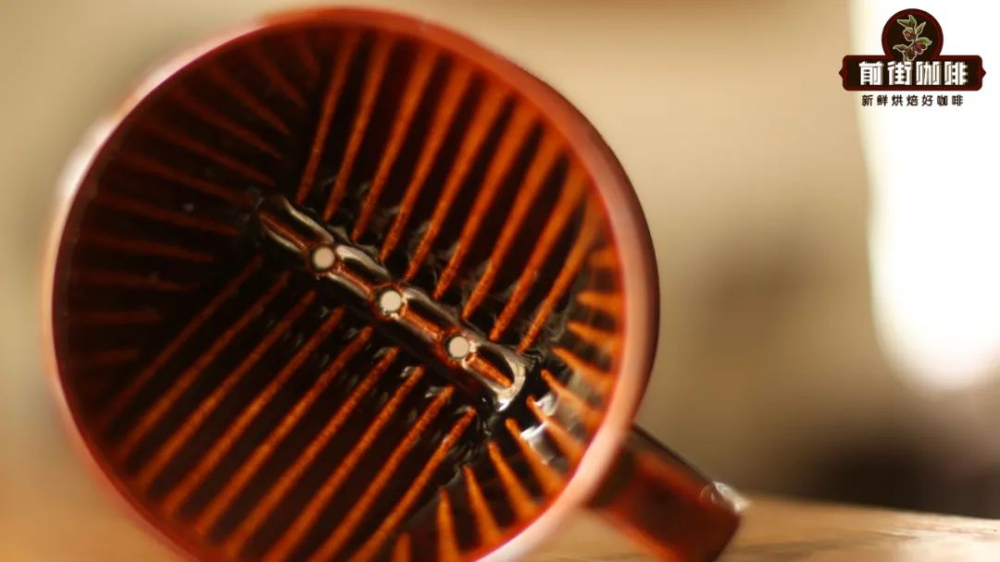
Modern trapezoidal drippers, by contrast, have three holes. Although espresso dominated the era, the arrival of this dripper still generated considerable discussion.
The Classic Trapezoidal Filter Cup
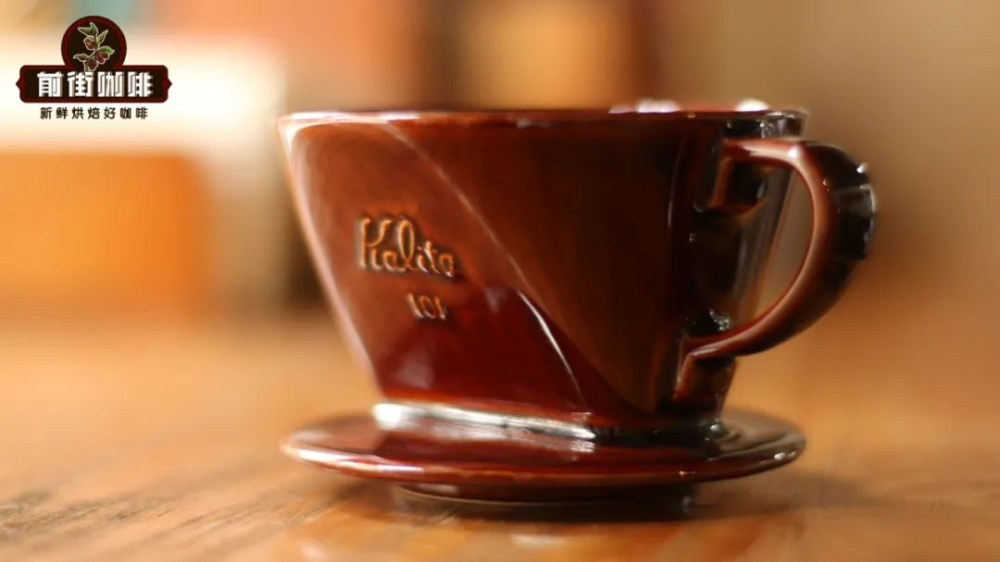
Time moved to 1959, when pour-over coffee had become popular in Japan and the trapezoidal dripper naturally drew equally enthusiastic attention. Kalita, a well-known Japanese gooseneck kettle maker, "borrowed" the design and improved the original single hole into three, then promoted the three holes as a signature feature.
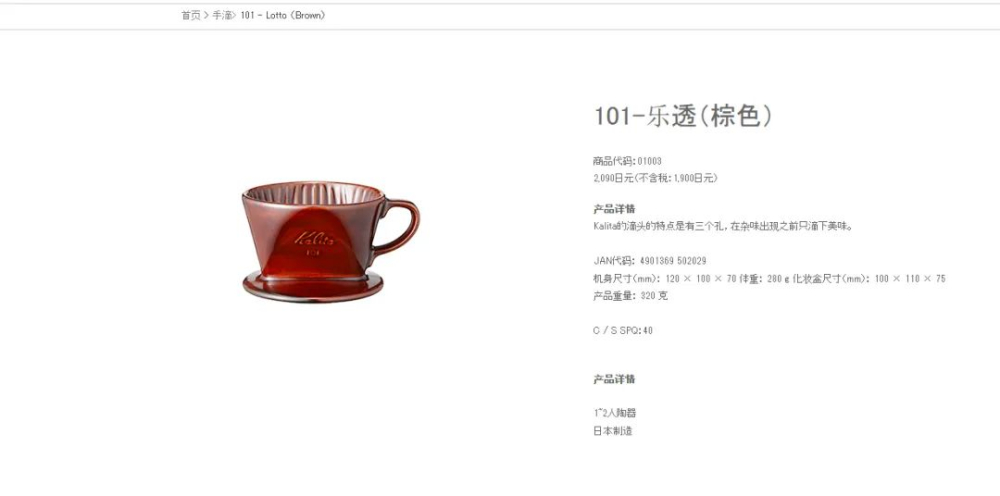
The reason for the change was simple, as Kalita explained it: let deliciousness drip before unpleasant flavors appear. The single-hole fan-shaped dripper Melitta had launched had too small an opening, so water seeped through extremely slowly. Combined with the dark-roasted beans that were mainstream in Japan at the time, this easily caused clogging, extended the extraction time, and pushed the coffee into over-extraction, intensifying bitterness. Kalita therefore opened the single hole into three, and the faster flow greatly reduced the risk of over-extraction.
Why Is the Trapezoidal Filter Cup Called a Fan-Shaped Filter Cup?
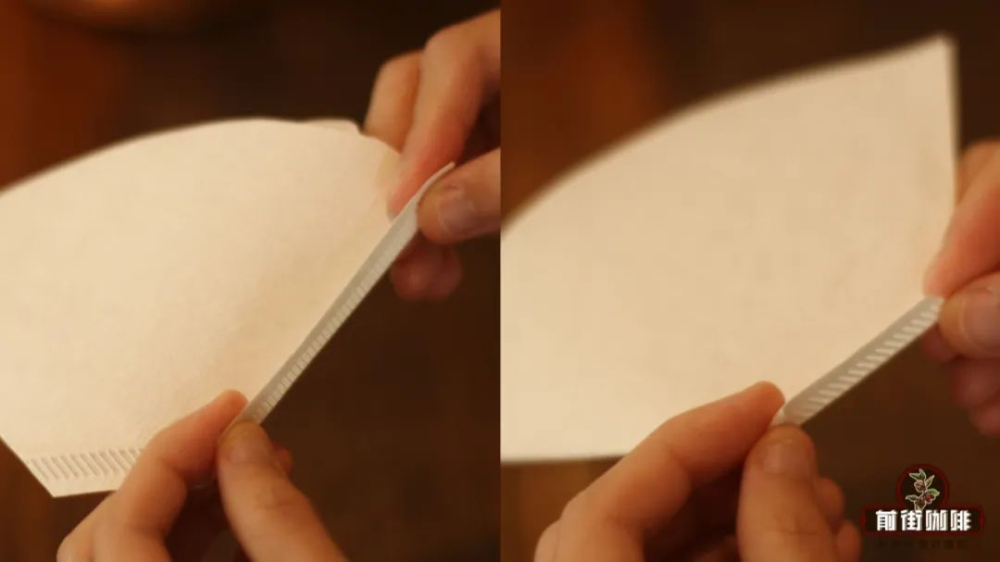
As mentioned earlier, the trapezoidal dripper is also known as a fan-shaped dripper. The name comes from its companion filter paper: because the paper's shape closely resembles a fan, people gave the dripper the "fan-shaped" name.

Traditional conical filter paper has only one fold line, while fan-shaped paper has one on the side and one at the bottom. Now, FrontStreet Coffee will show how to brew with it.
Brewing Experiment
FrontStreet Coffee will use a Kalita trapezoidal dripper for two brews: one with a light-roasted Ethiopia Santa Weni and one with a dark-roasted Indonesia Golden Mandheling, to see what character the dripper brings out.
Grind level: Santa Weni at EK43 9.5 setting (85% pass rate through a #20 sieve), Golden Mandheling at EK43 11 setting (70% pass rate through a #20 sieve)
Dosage: 15g coffee grounds
Water ratio: 1:15 (225ml hot water)
Brewing temperature: 92°C for Santa Weni, 88°C for Golden Mandheling
Brewing method: Three-stage pour
First, fold the filter paper. Because the trapezoidal dripper has two fold lines, we need to fold twice. Fold either line first, flip the paper over, then fold the other line. Open it up and it is ready.
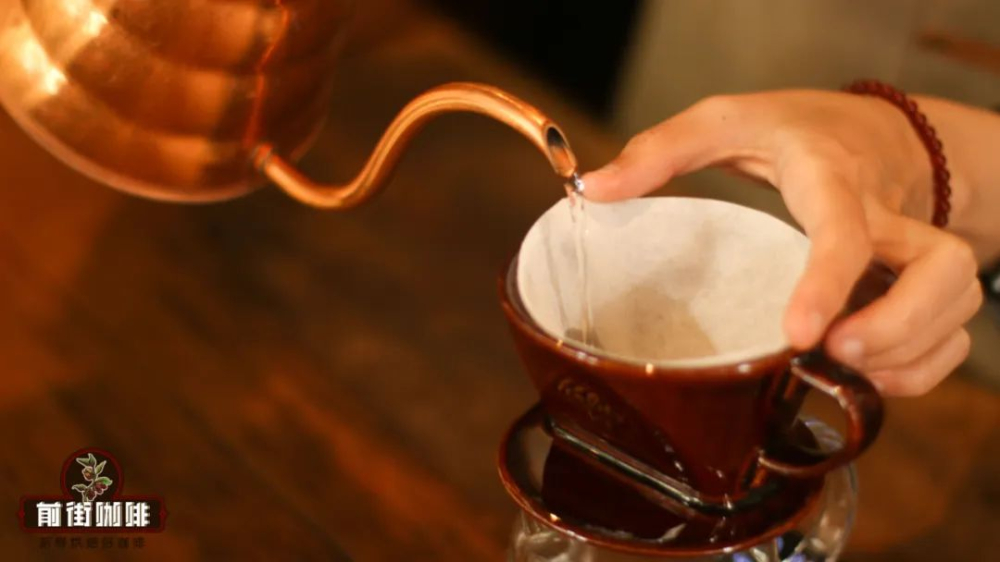
Then wet the filter paper so it sits snugly against the dripper.
Add the coffee grounds and start brewing.
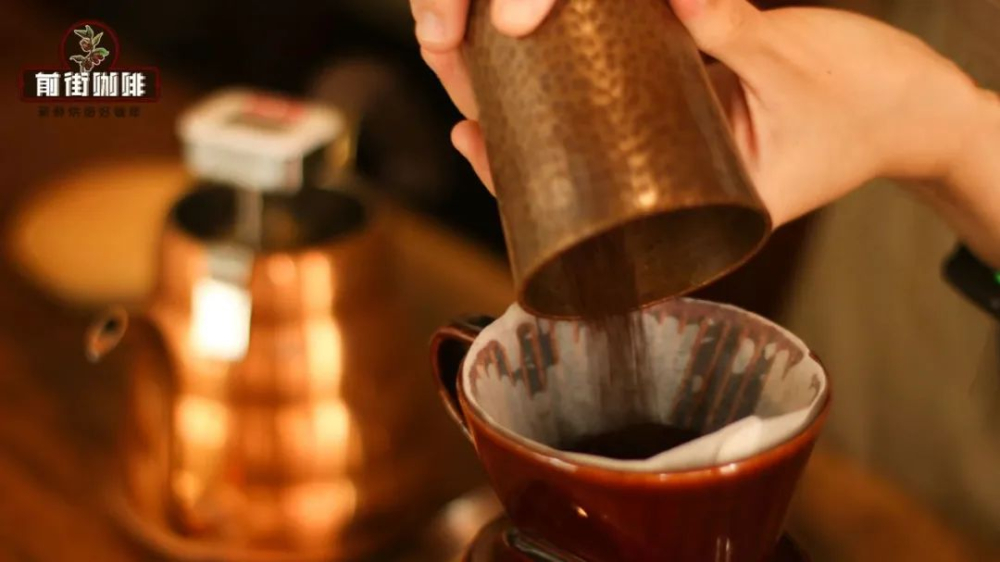
First pour twice the weight of the grounds in water (30ml) and let it bloom for 30 seconds. Then slowly pour 120ml of hot water in a large oval pattern, not the usual circle but an ellipse. After the water level drops, slowly pour the remaining 75ml in a small circular pattern and wait for the filtration to finish.
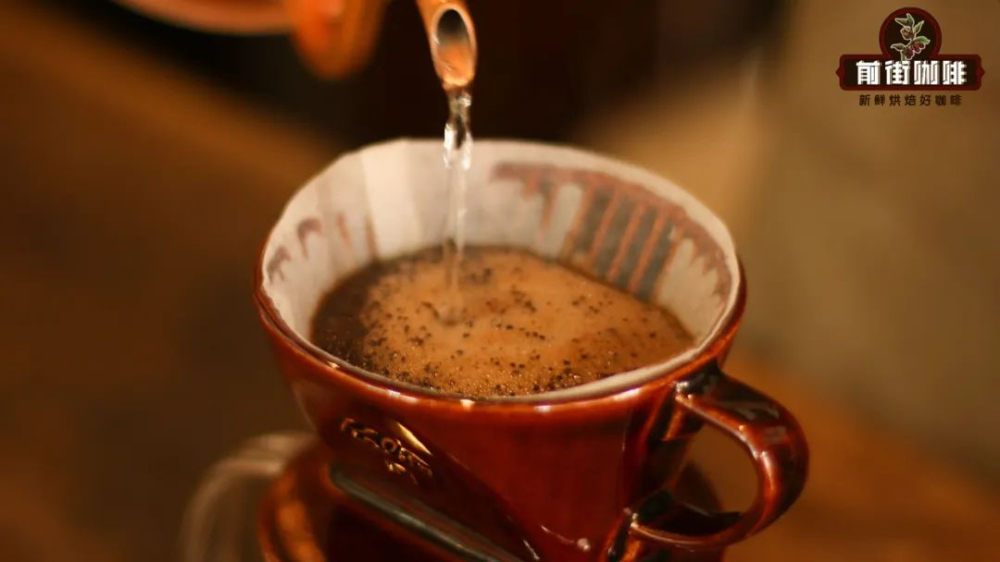
The Santa Weni brewed in 2 minutes and 16 seconds, with a gentle pineapple acidity, guava sweetness, and a thick mouthfeel that came across as balanced overall. The Golden Mandheling brewed in 1 minute and 58 seconds, with spice, nutty creaminess, and rich dark chocolate, very full-bodied and likewise balanced. Clearly, the trapezoidal dripper tends toward a rounder, more balanced profile. That is precisely why it is rarely used now that the V60 has arrived.
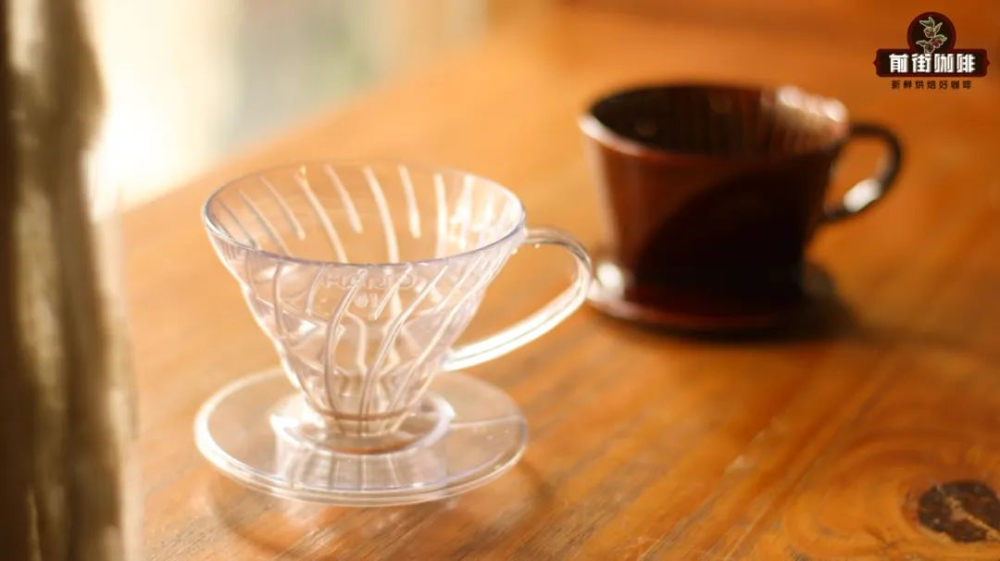
The Rise of V60 and the Decline of the Trapezoidal Filter Cup
In 2000, the idea of specialty coffee gradually shifted people away from traditional dark roasts toward lighter roasts that emphasize flavor expression. The V60 arrived in exactly this era. Compared with more balanced drippers, it places more importance on highlighting particular characteristics, making it better suited to the flavor expression of light-roasted coffee. Against the backdrop of specialty coffee, its popularity grew by the day, and with overwhelming marketing behind it, the result was a knockout. Users of trapezoidal drippers flocked to the V60 and other conical drippers. So although other shapes, the trapezoidal one included, can produce excellent coffee, they remain relatively uncommon next to the V60 and other conical designs.
Conclusion
Whether you favor a balanced trapezoidal dripper or a flavor-forward conical one, the dripper is only part of the equation. Matching the right coffee to the right brewer is what ultimately shapes the cup.

FrontStreet Coffee Recommendation
For a V60 dripper, FrontStreet Yirgacheffe Guodingding Cooperative is a natural fit. It comes from a village-level washing station that was once part of the Woka Cooperative under the Yirgacheffe Union (YCFCU), and washed processing brings out its jasmine aroma and bright citrus acidity with maximum clarity. A medium-light roast adds green tea and honey tones, and it works well as pour-over, cold brew, or espresso.
If you enjoy tropical fruit, FrontStreet Ethiopia Huakui is one of the most successful specialty coffees of recent years. Its tropical aromas are extremely prominent, with strawberry, passion fruit, jackfruit, and even lychee, plus obvious sweetness and almost no bitterness. Smooth and juicy, it is the kind of coffee that wins over people who think they dislike coffee.
For a truly special treat, FrontStreet Panama Esmeralda Red Label Gesha is a legendary lot. It typically shows an exceptionally elegant jasmine aroma alongside delicate citrus, bergamot, and black tea notes, with a clean, transparent body, a long finish, and rich layering, which is why it remains a bucket-list experience for many enthusiasts.
Important Notice :
FrontStreet Coffee is a long-established specialty coffee roaster in Guangzhou China, selling freshly roasted beans from its own farm in Yunnan as well as dozens of carefully selected single-origin beans from around the world for both pour-over and espresso. The products deliver consistently excellent quality and great value, with shipping within 24 hours. Guangzhou's FrontStreet Coffee shop is recommended by many coffee lovers, and the beans are now available online at the Tmall 。
FrontStreet Coffee has moved to a new address:
FrontStreet Coffee Address: 315,Donghua East Road,GuangZhou
Tel:020 38364473
 Scan and follow the En Gafei WeChat official account. Please indicate that the reprint comes from "En Gafei".