
How to Tamp Espresso Coffee Puck? How Much Pressure Should You Apply When Tamping?
The Art of Tamping: Weirdly Relaxing to Watch
Watching a barista tamp can be oddly satisfying. Every barista has their own take on tamping, and that shows up in their technique—no two tamping styles look quite the same.
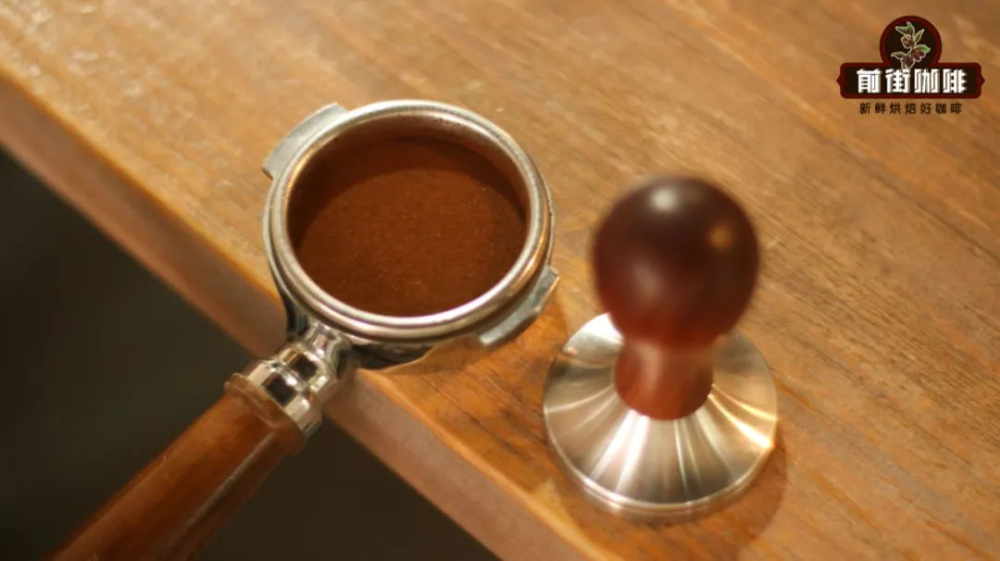
Where Baristas Agree—and Where They Don't
Everyone agrees on one thing: the coffee grounds must be tamped level. An uneven bed, with one side higher than the other, invites channeling and uneven extraction. Where opinions split is over how much pressure it actually takes to compact the grounds properly.
Two Schools of Tamping
Some baristas believe that once the puck is level and compact, you're done. They tamp with a gentle press and a light polish, the whole motion flowing smoothly and gracefully. Their logic: no matter how hard you press, the density of the puck hardly matters once the machine's nine bars of pressure hit it during extraction!
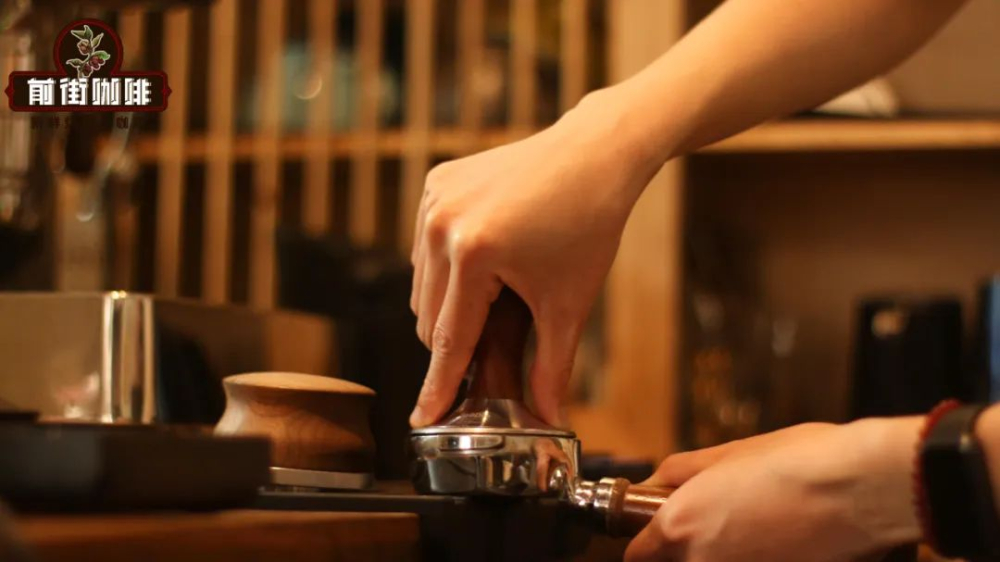
Then there's the other camp—the baristas who put their whole body into it. You can practically see the force travel down the tamping arm as they lean in with what looks like enough weight to lift themselves off the floor, as if to say the counter or the grounds are going to give way first. Their belief: tamping pressure controls flow rate, and firmer pressure means a more even extraction.

The Tamping Experiment
So how hard should you actually tamp?
FrontStreet Coffee set up an experiment using both fine and coarse grind settings—two groups, each tamped at different pressures. The goal: find out whether controlling tamping pressure really matters. We used a Galileo Q18 grinder, a 20g dose, and a target extraction of 40ml. The fine grind setting was 1.5; the coarse setting, 2.5. Extraction time would tell us whether tamping pressure affects the shot.
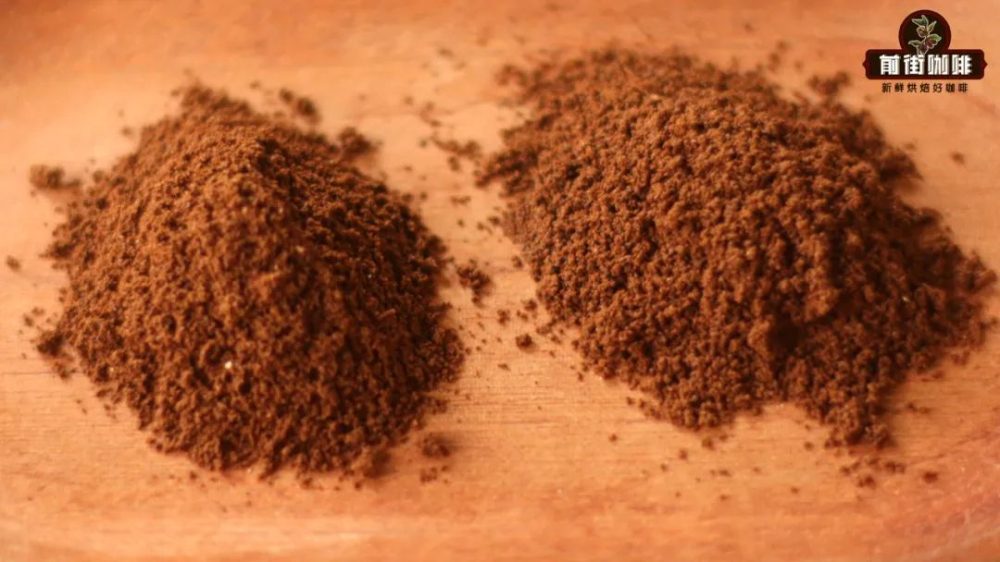
(Left: grounds at setting 1.5. Right: grounds at setting 2.5.)
Fine Grind, Different Pressures
With 20g of coffee ground at setting 1.5 and evenly distributed, we tamped two pucks: one at 1.5kg (a "normal" press), one at maximum force.
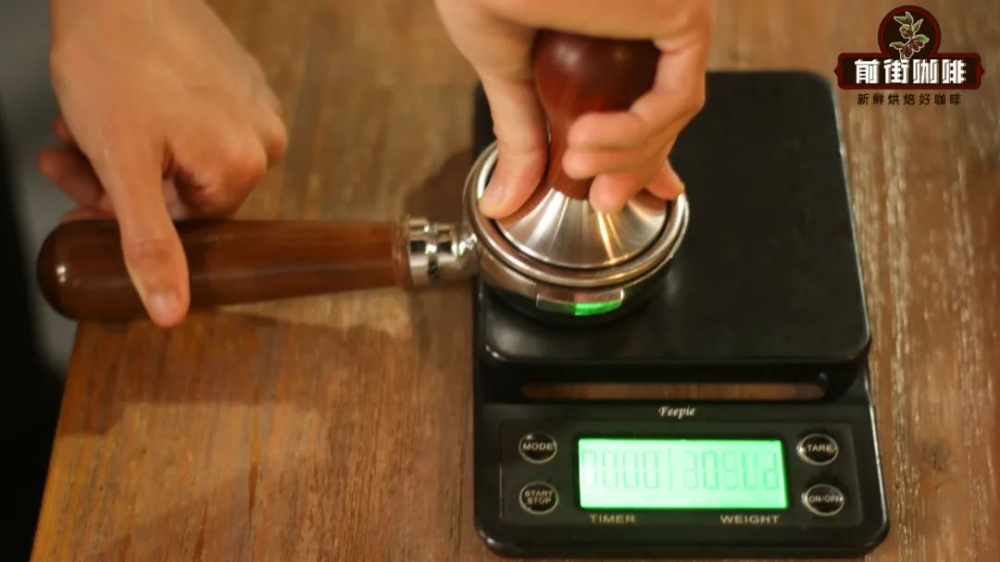
(Our electronic scale maxes out at 3kg, so we borrowed the neighbor's body weight scale. Maximum-force tamping came out at roughly 9kg.)
The puck tamped at 1.5kg took 30 seconds to yield 40ml; the maximum-force puck took 33 seconds. To rule out variation in the grounds themselves, we pulled it again—the time held steady at 33 seconds. So for finely ground coffee, tamping pressure does change the extraction.
Coarse Grind, Different Pressures
We repeated the same test on coarse-ground coffee: 1.5kg versus maximum force, after distribution. This time the results were remarkably consistent—both pucks took 20 seconds to yield 40ml (faster overall because of the coarser grind).
What the Experiment Tells Us
The results show that the density of the grounds determines how much force is needed to fully compact the puck. Here's what that means: in the fine grind test, the two tamping pressures produced different results because the particles were so small—compressing them into a dense bed genuinely takes more force. At 1.5kg, the puck was clearly not fully compacted.

When we nudged the force up to 2kg, the extraction time matched the maximum-force puck—at that point both pucks had reached the same density, so naturally they extracted in the same time. The coarse grind test proves the flip side: with larger gaps between particles, 1.5kg was already enough to reach optimal compaction. Tamping the coarse puck with maximum force produced extraction nearly identical to the 1.5kg press.
Bottom line: match your tamping force to your grind size—the finer the grind, the more force the puck can actually use.
- END -
FrontStreet Coffee

FrontStreet Coffee Recommendation
Want to put your tamping to the test with beans built for espresso? Two picks from our espresso lineup:
FrontStreet Classic Blend — a traditional Mocha-style blend (Brazil + Mandheling base) with a small amount of robusta added to the old-school Italian formula. Expect butter, nuts, spice, dark chocolate and toast aromas, a thick and wild body, and rich golden crema that makes latte art easy. Ideal for traditional Americanos and lattes, and friendly to beginners on home machines.
FrontStreet Guojiang (Huakui) Natural SOE — a natural-processed Ethiopia from Guji Hambela, grown at elevations up to 2,300m, medium roasted to keep its florals while caramelizing sweetness. As an Americano or latte it brings cream, cocoa, berries, delicate florals and a black-tea finish. A great choice once you've mastered the basics and want a single-origin espresso with distinct origin character.
Important Notice :
FrontStreet Coffee is a long-established specialty coffee roaster in Guangzhou China, selling freshly roasted beans from its own farm in Yunnan as well as dozens of carefully selected single-origin beans from around the world for both pour-over and espresso. The products deliver consistently excellent quality and great value, with shipping within 24 hours. Guangzhou's FrontStreet Coffee shop is recommended by many coffee lovers, and the beans are now available online at the Tmall 。
FrontStreet Coffee has moved to a new address:
FrontStreet Coffee Address: 315,Donghua East Road,GuangZhou
Tel:020 38364473
 Scan and follow the En Gafei WeChat official account. Please indicate that the reprint comes from "En Gafei".

