
Can This Little Brewing Gadget Really Make Coffee Taste Better? How Lily Drip Affects Coffee Extraction
Pour-over coffee has long been woven into most people's daily routines, and for this brewing method — with all its potential points of failure — a whole range of "auxiliary tools" has emerged to help our brewing along. Today, FrontStreet Coffee brings you one of those intriguing little gadgets: the "Lily Drip."
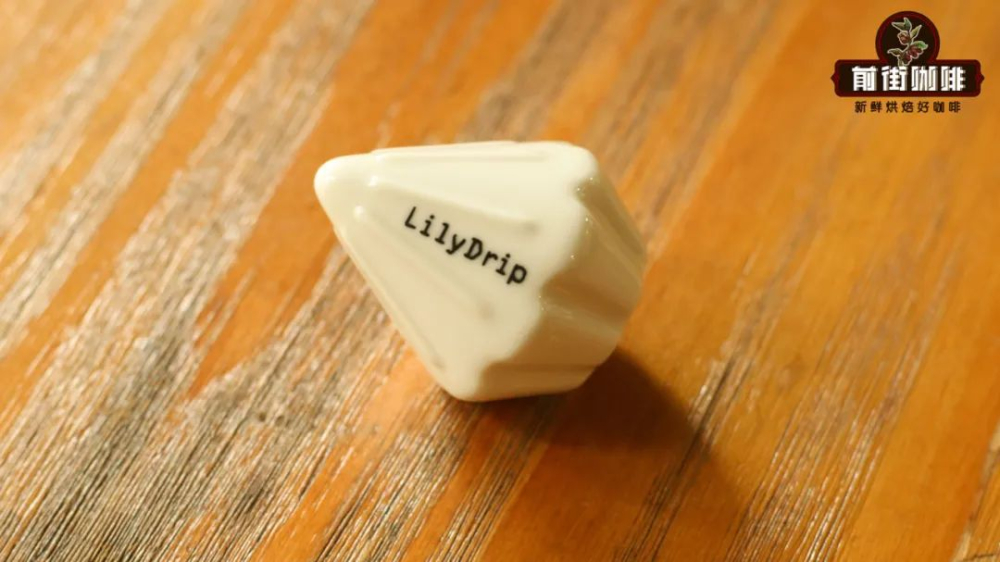
The Story Behind the Lily Drip
Who would have guessed that this cone-shaped helper was actually inspired by a glass marble!
The Lily Drip's story begins with a little girl named Lily who loved watching her father brew coffee. One day, as her father was about to brew, Lily playfully dropped a glass marble into the filter cup. Rather than fishing it out right away, her father decided the experiment might be interesting, folded the bottom of the filter paper to fit the marble, and started brewing. To his surprise, the coffee genuinely tasted better with the marble in place! He then dug deep into the principle behind it.

Two months of research later, the product was finished. The spherical marble had become a bullet-shaped cone, better suited to conical filter cups! And so this little brewing aid was born, named after the girl who inspired it — the Lily Drip.
What Is the Lily Drip For?
The Lily Drip is primarily designed for conical drippers, and after continuous updates there are now versions made specifically for flat-bottom (cake) filters too!
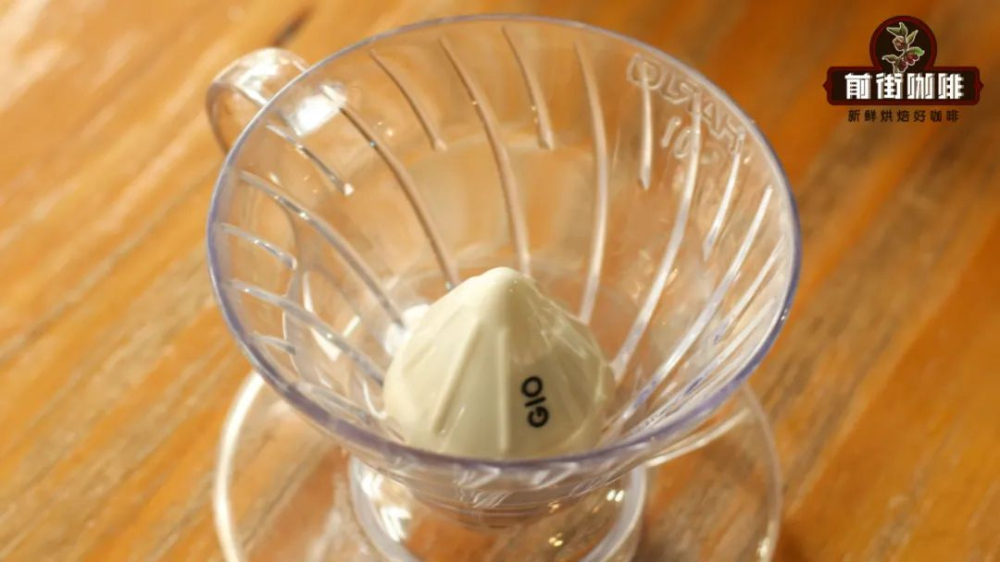
It exists to solve a common problem with conical drippers: the grounds tend to pile up in the center, forming a V-shaped bed with a very thick middle layer! During blooming, hot water may fail to penetrate those deeper grounds, causing uneven extraction. Or with light-roasted beans — which produce more fines — the flow channels shrink dramatically, water can't pass through in time, the brew stalls, extraction stretches out, and the whole cup tips into over-extraction!
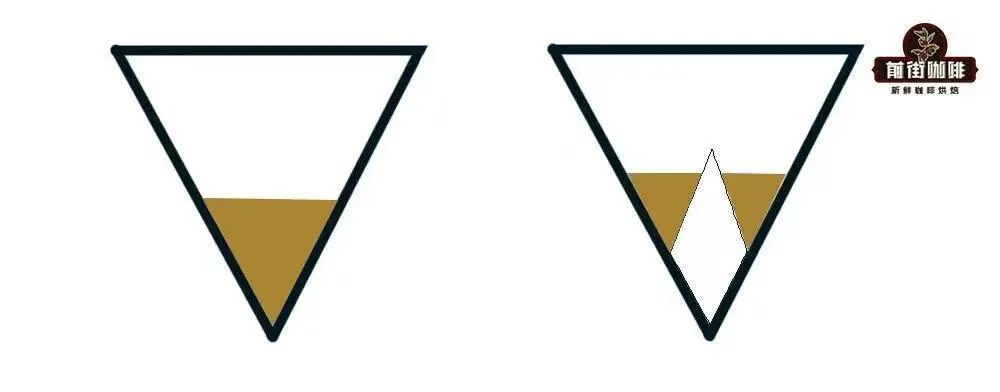
With the Lily Drip in place, the grounds that would normally pile up in the center are pushed out toward the sides. That eliminates both worries at once: extraction that's uneven because the bed is too thick, and over-extraction caused by too little flow space and a dragged-out brew.
Experimental Comparison
Let's get straight to the practical test! FrontStreet Coffee used a light-roast coffee for this comparison — V60 alone versus V60 with the Lily Drip — to see whether the gadget is really as magical as the rumors claim!
Beans Used: Yirgacheffe Guodingding
Dose: 15g
Ratio: 1:15 (225ml hot water)
Brewing Temperature: 92°C
Dripper: V60
Brewing Method: Three-stage pouring
Auxiliary Tool: Lily Drip
Before using the Lily Drip, you need to press the bottom of the filter paper in the opposite direction to form a "hat shape" that can cradle the Lily Drip.
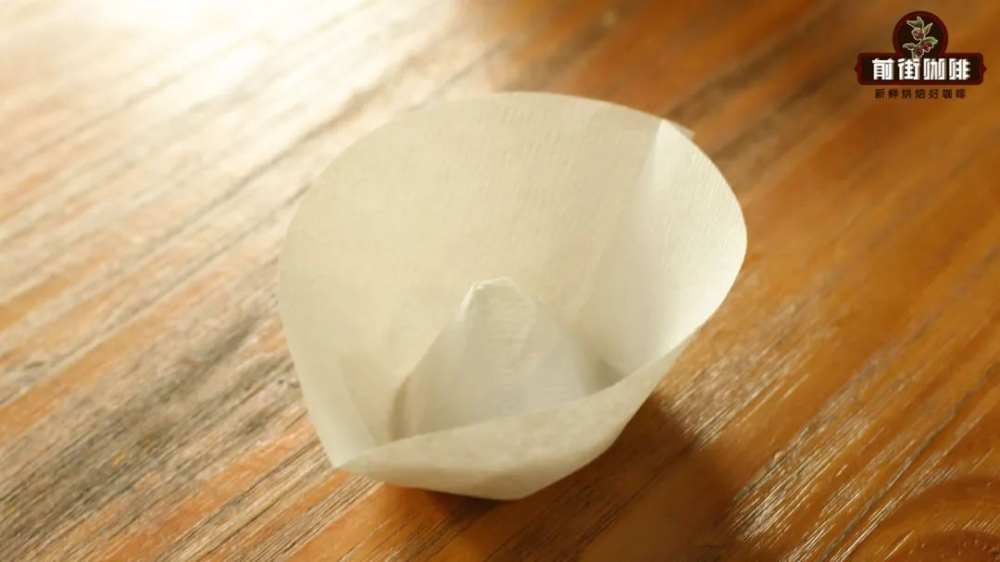
(After folding the filter paper normally, use the Lily Drip itself to press the outer bottom of the paper in the reverse direction — or use a dedicated pressing tool.)
We first bloomed with double the dose in water (30ml) for 30 seconds, then poured 120ml in large circles; once the water had nearly drained, we poured the remaining 75ml in small circles and waited for the drawdown to finish. With the Lily Drip, you pour in large circles throughout (in fact, that's the only option)!
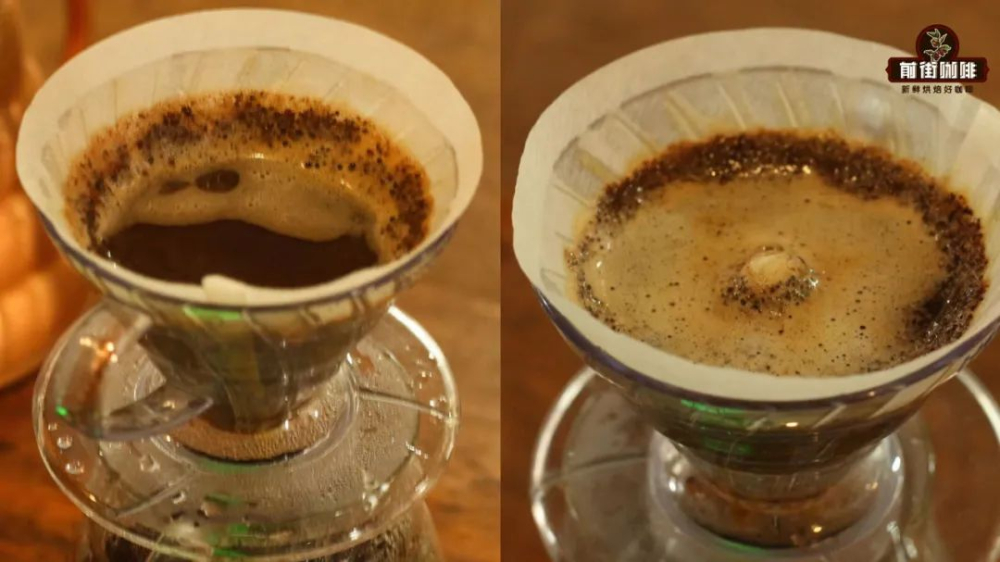
Results and Analysis
The plain V60 took 2 minutes 18 seconds. Tasting notes: elegant jasmine fragrance, soft citrus acidity, and a fresh Longjing-tea sensation — very traditional Yirgacheffe flavors, overall quite balanced.
The V60 with Lily Drip finished in 1 minute 55 seconds. Tasting notes: bright citrus, subtle jasmine, and the same Longjing tea character, with a rounder mouthfeel and an overall profile leaning toward sweet-and-sour fruitiness!
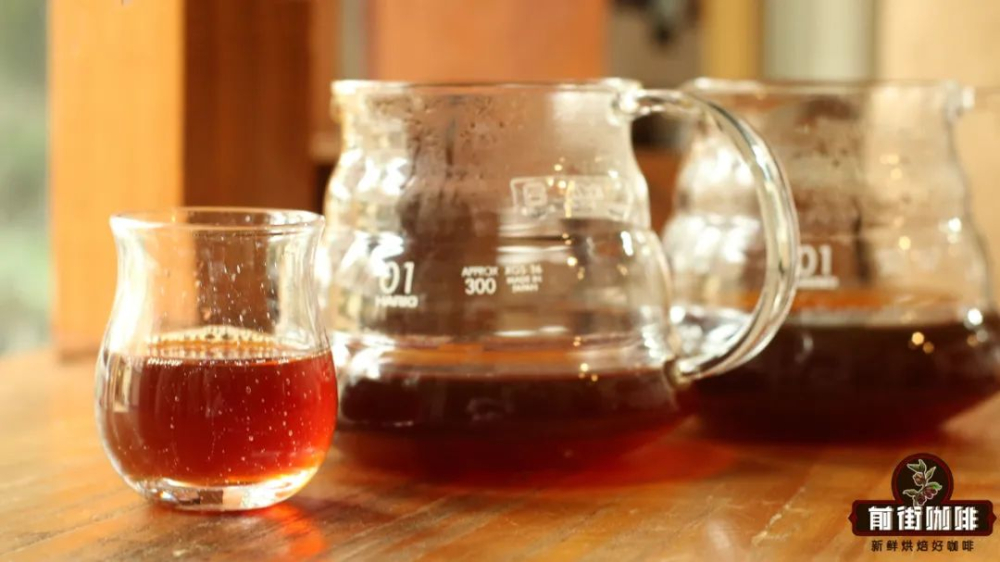
As you can see, paired with the Lily Drip the V60 brewed about 20 seconds faster, effectively solving the blockage-driven over-extraction that plagues most light roasts. The Lily Drip Guodingding was dominated by sweet-and-sour notes from the middle of the brew, with a round, smooth mouthfeel.
Online, you'll also find plenty of reports of under-extraction with the Lily Drip. In that case, simply raise the water temperature or grind finer to boost extraction strength. That way the Lily Drip still solves the blockage and over-extraction problems while delivering a delicious cup!
About FrontStreet Coffee

FrontStreet Coffee Recommendation
The Lily Drip test used FrontStreet Coffee's Yirgacheffe Guodingding — and it's exactly the kind of bean this gadget was made for. Guodingding comes from a small cooperative in Yirgacheffe's Worka zone, processed with the traditional washed method: bright, delicate citrus and lemon acidity wrapped in elegant white jasmine florals, light and clean in the cup — a perfect canvas for the V60's quick, vivid extraction.
If you love that flower-and-fruit style, also try FrontStreet Coffee's Huakui (Flower Champion), overflowing with tropical fruit sweetness, or the Geisha-toned Strawberry Candy blend. All of them flourish on a conical V60 — with or without a Lily Drip.
Important Notice :
FrontStreet Coffee is a long-established specialty coffee roaster in Guangzhou China, selling freshly roasted beans from its own farm in Yunnan as well as dozens of carefully selected single-origin beans from around the world for both pour-over and espresso. The products deliver consistently excellent quality and great value, with shipping within 24 hours. Guangzhou's FrontStreet Coffee shop is recommended by many coffee lovers, and the beans are now available online at the Tmall 。
FrontStreet Coffee has moved to a new address:
FrontStreet Coffee Address: 315,Donghua East Road,GuangZhou
Tel:020 38364473
 Scan and follow the En Gafei WeChat official account. Please indicate that the reprint comes from "En Gafei".

