
Does Tapping the Dripper Affect Coffee Extraction?
A single coffee bean is a bundle of different flavor compounds—acidity, sweetness, bitterness, and aroma—each dissolving at its own pace, some fast, some slow. To brew a pot that captures all of these without tipping into the negative tastes of over-extraction, we distill our past brewing experience into one idea: execute the "fundamentals" properly so every coffee particle extracts relatively evenly in the cup.
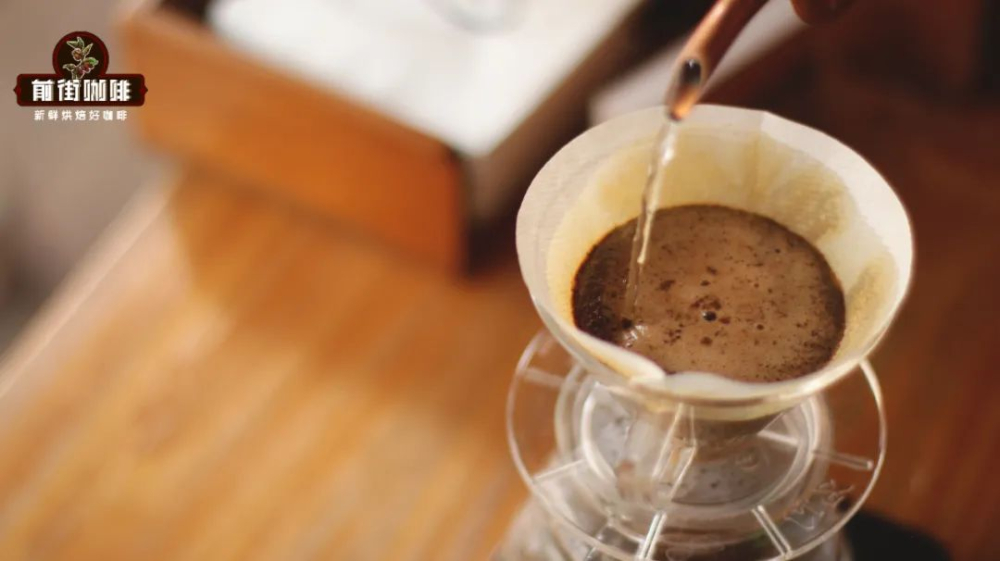
Uniform particle size distribution, steady circular pouring with a consistent arc and force, adjusting grind settings to roast depth, sieving out extreme fines—all of it ultimately serves uniform contact between particles and water. But FrontStreet Coffee has noticed that many meticulous coffee lovers add one more step before the actual pour: "tapping the dripper" to level the coffee bed as flat as possible—unaware that this may be "quietly" altering the density uniformity of the bed.
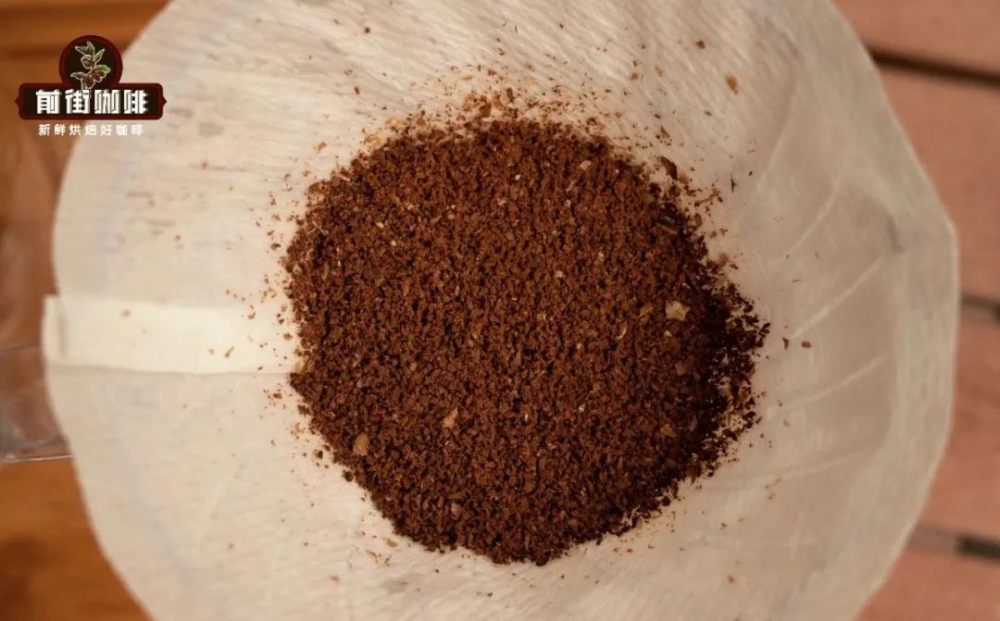
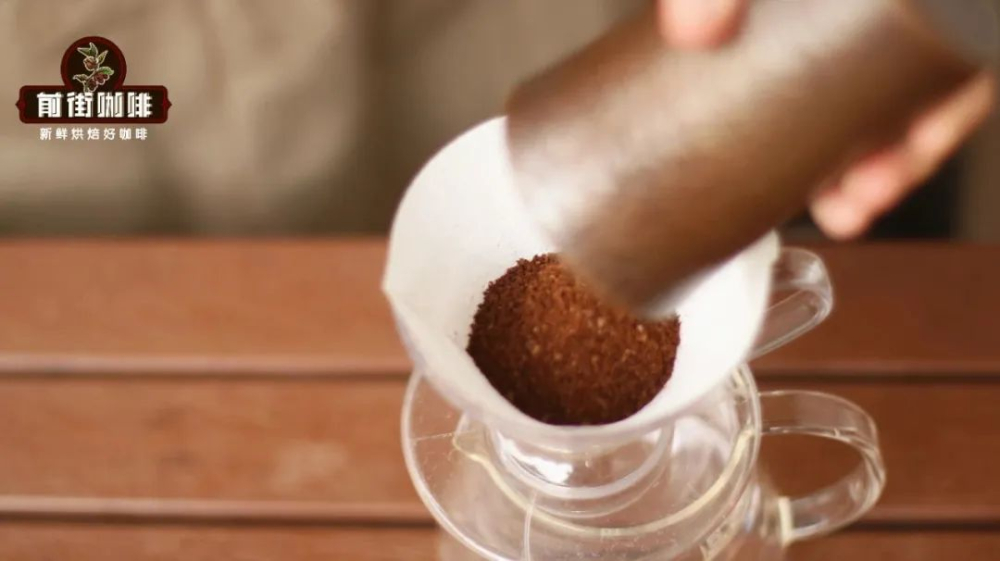
Look closely: this is freshly ground Panama Santos Geisha from an EK43s grinder at setting 10. To the eye, the bed looks fairly uniform and loose, with particle sizes and shapes largely consistent. Static electricity clings the finest particles to the surfaces of larger ones, while the gaps between coarse particles are dotted with fines.
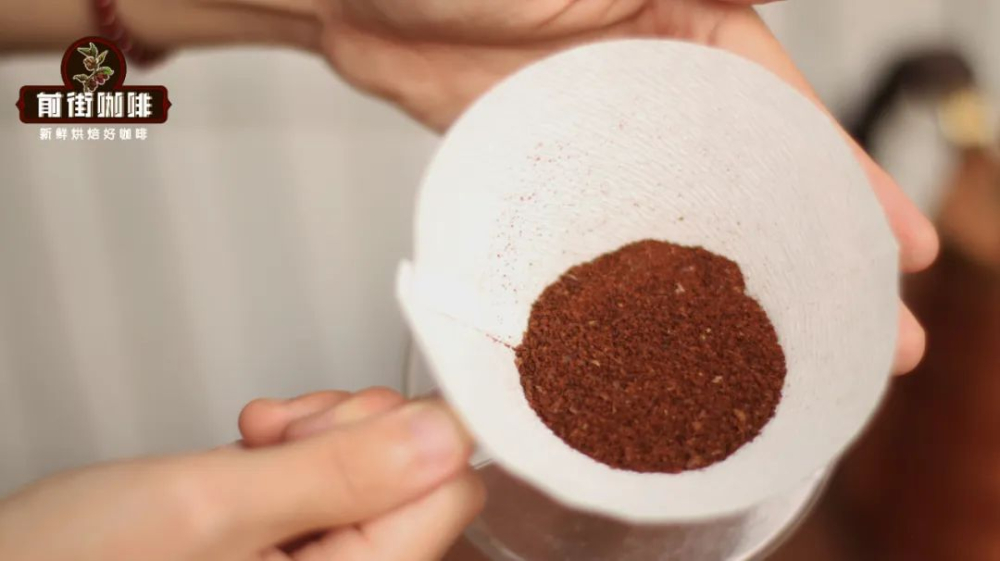
Then FrontStreet Coffee gently tapped the dripper holding the grounds about 10 times and inspected the bed again. The top layer now consisted almost entirely of large particles, with sparse gaps making the bed look fluffier. But when we tilted the dripper to one side, a large amount of fine particles had gathered at the bottom, leaving that portion of the bed far more "compacted." In other words, the vibration of tapping made the fines fall through the gaps to the bottom under gravity, restructuring the bed's density: looser on top, denser below.
Comparative Experiment
To test whether "tapping multiple times" actually affects extraction, FrontStreet Coffee ran a simple side-by-side experiment.
Coffee beans: 15g Panama Santos Geisha
Grind setting: EK43s at setting 10
Filter cup: V60
Coffee-to-water ratio: 1:15
Water temperature: 91°C
Three-stage pouring: 30g, 95g, 100g
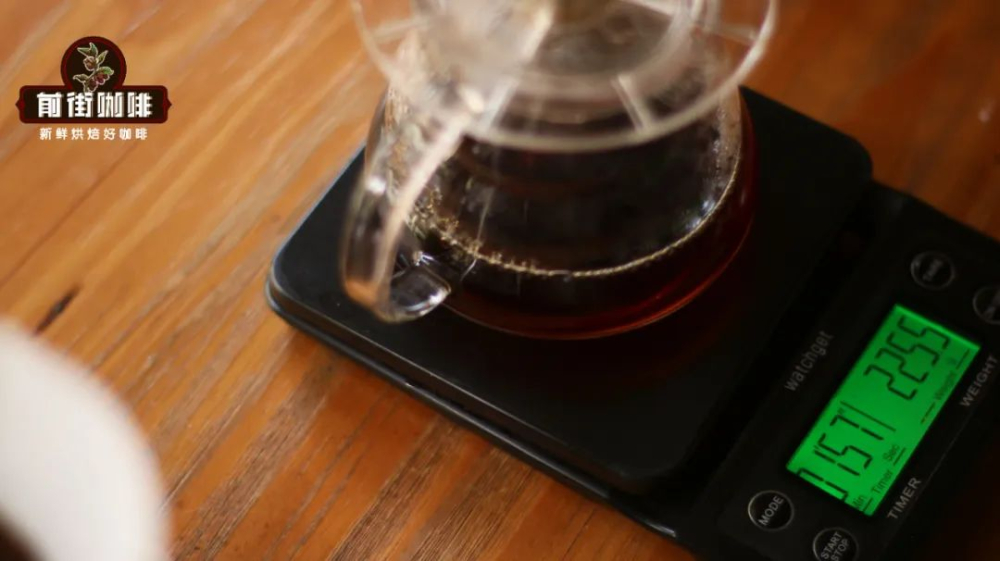
No Tapping Group
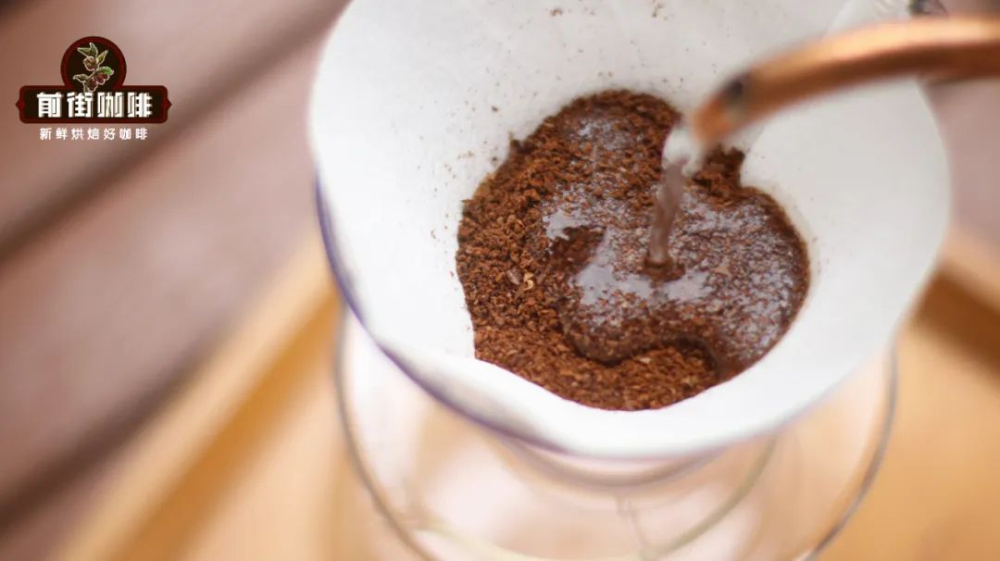
During the bloom, particles absorbed water evenly, forming a regular "dome" that released gas ahead of the main extraction. Once dripping finished, total extraction time came to 1 minute 58 seconds. The cup was led by dark berry notes, backed by the rounded textures of brown sugar and sweet orange, with lively rising acidity.
10 Taps Group
Here, the hot water poured during blooming wasn't absorbed right away; instead it escaped and ran to the edge of the dripper. During the subsequent pours, large bubbles occasionally surfaced, and the later stages showed slight clogging and water pooling, for a total drip time of 2 minutes 17 seconds. The taste was dominated by tea-like character with unremarkable aroma, carrying citrus acidity and faint woody flavors.
The lesson is plain: the hot water couldn't fully penetrate the bed and drain into the server—instead it "flowed backward" outward, because a bed packed with extreme fines had become too compact. Water is lazy; it follows the path of least resistance through coffee grounds. Faced with a compacted pile of fines, it prefers to "find another way out" and overflow toward the edges. The result is a bed that's wet in places and dry in others—the classic bad bloom. This not only produces channeling, but the bubbles released when water finally meets the dry patches can also impede the dissolution of other compounds, causing uneven extraction.
Recommendations
If you habitually tap the dripper and often see clogging and pooling in the final stage of your brew, or suspect your coffee tastes over-extracted, FrontStreet Coffee suggests first mastering proper grounds distribution to reduce the need—or frequency—of tapping.
Before pouring the grounds, check whether static electricity is making particles stick to the inside of the dosing cup; if so, stir gently with a spoon to dissipate it. When you pour the grounds into the dripper, aim for the center line and pour slowly. The particles will first fill the inverted triangular cone and then form a small hill-shaped peak. At that point there's no need for repeated tapping—just give the dripper a gentle shake to level the bed, which won't disturb the extraction.
- END -
FrontStreet Coffee
No. 10, Bao'an Qianjie, Yandun Road, Dongshankou, Yuexiu District, Guangzhou, Guangdong Province
FrontStreet Coffee Recommendation
FrontStreet Boquete Gesha
For newcomers curious about the legendary "Gesha flavor," FrontStreet Coffee always points first to the Panama-grown FrontStreet Boquete Gesha—an entry-level Gesha that lets you taste classic high-quality Panama character at an affordable price: orange-blossom sweetness and honeyed depth, an oolong-tea feel, delicate fruit acidity, and clearly defined layers.
FrontStreet Esmeralda Red Label & Green Label Gesha
If Esmeralda Estate made Gesha famous, its product line remains the benchmark. The Red Label, officially "Esmeralda Special," grows at 1,600–1,800m, must cup above 90 points each batch, and every batch carries an independent lot number sourced from a single small plot—such as the Harrymio plot—so buyers can choose the micro-flavor that suits them. The Green Label, originally "Private Collection," blends batches from multiple plots to express Esmeralda's signature high-altitude Gesha profile, and its lower price makes it exceptional value.
FrontStreet Gesha Village Gold Label Gesha
Ethiopia's Gesha Village applies a grading system even stricter than Panama's, growing three Gesha varieties: Gori Gesha, Gesha 1931, and Illubabor Forest. The Gold Label belongs to the Gesha 1931 variety, accounts for just 10% of Gesha Village's total output, and is the estate's top coffee outside auction lots—frequently chosen by baristas for international competitions. FrontStreet's Gold Label lot uses meticulous natural processing, delivering complex, layered flavors whose distinctive dry aroma, sip profile, and lingering finish stay with you.
Important Notice :
FrontStreet Coffee is a long-established specialty coffee roaster in Guangzhou China, selling freshly roasted beans from its own farm in Yunnan as well as dozens of carefully selected single-origin beans from around the world for both pour-over and espresso. The products deliver consistently excellent quality and great value, with shipping within 24 hours. Guangzhou's FrontStreet Coffee shop is recommended by many coffee lovers, and the beans are now available online at the Tmall 。
FrontStreet Coffee has moved to a new address:
FrontStreet Coffee Address: 315,Donghua East Road,GuangZhou
Tel:020 38364473
 Scan and follow the En Gafei WeChat official account. Please indicate that the reprint comes from "En Gafei".

