
Why Were Sun-Dried Coffee Beans Once Considered Inferior?
We often hear the saying: natural processed beans were once considered inferior beans. Like FrontStreet Coffee, many friends were surprised when they first heard this. How could beans be classified differently based on processing method? To understand, we need to go back several centuries.
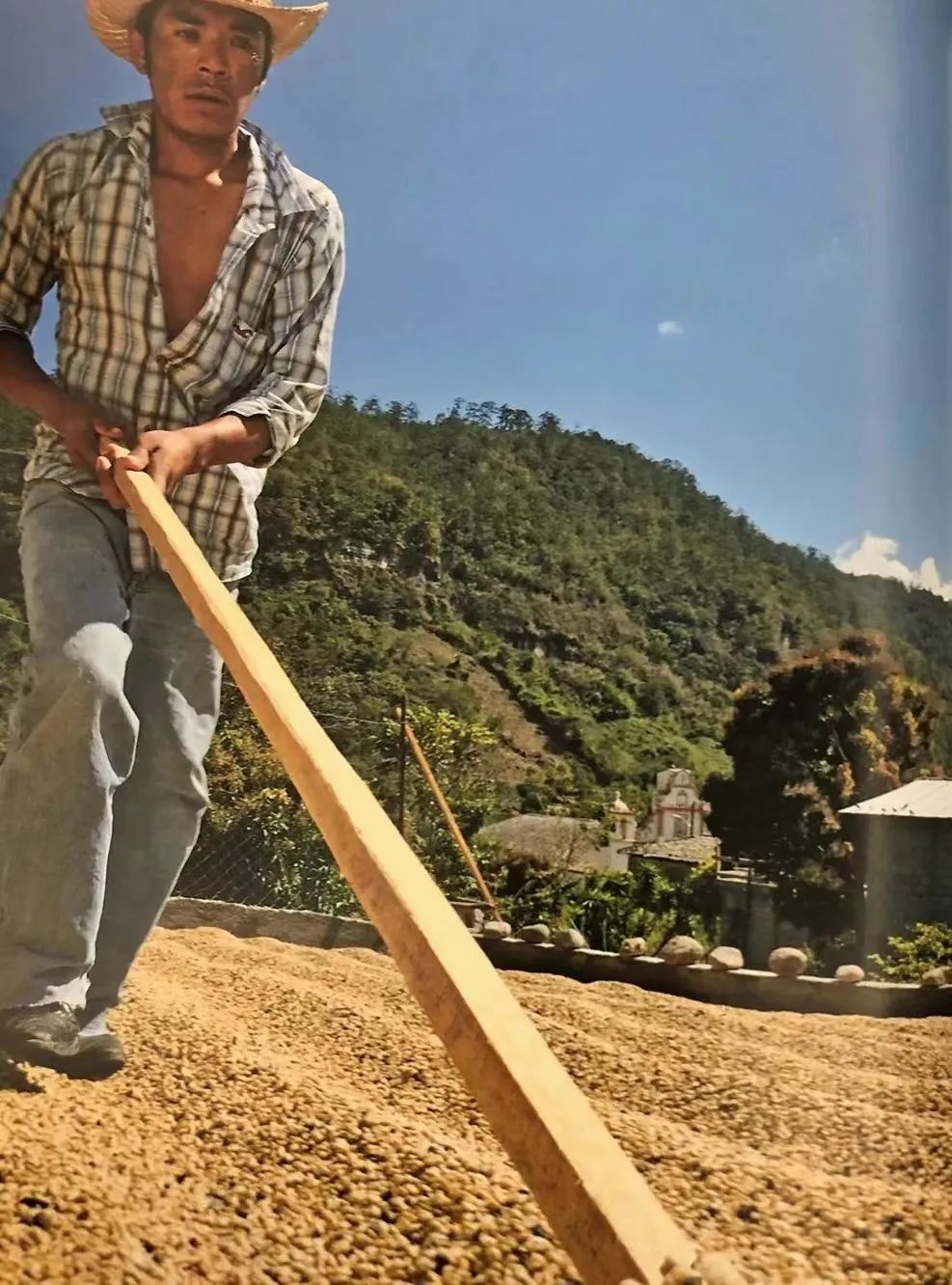
According to Middle Eastern literature, coffee first appeared in 1400, while washed processing only emerged from the Caribbean islands in 1850. Before washed processing became widespread, European countries imported only natural processed coffee beans from Yemen, Java, and Latin America. It is worth noting that before 1750, coffee-producing regions worldwide had to conduct coffee trade through Yemen for three hundred years, so Yemen alone could represent coffee from most producing regions. That means that between 1400 and 1850, nearly all coffee-producing regions globally used natural processing. The natural method at the time mainly involved laying coffee fruits directly flat to dry, letting the entire nutrient-rich fruit ferment and dry. The fruit's fermentation could attract more microorganisms to take part in decomposition and fermentation, making the flavor more intense. When properly controlled, natural processed beans would possess very rich flavors, high sweetness, and a full body. Of course, that depended on proper control.
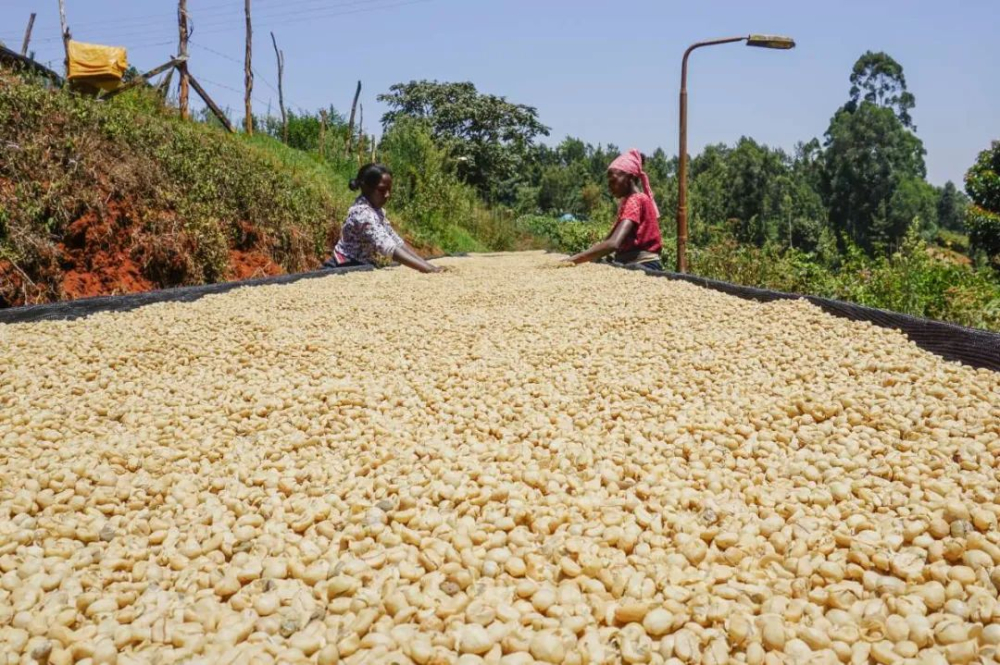
FrontStreet Coffee once mentioned in an article about Harar that the reason Yemeni coffee and Harar coffee share similar wild flavors, besides having roughly similar climate and environment, is that they both used the same crude natural processing method. Often, to save money and effort, coffee farmers would harvest unripe green fruits together with ripe red fruits without sorting, and lay them directly on any surface, such as doorways, rooftops, roadsides, or non-moisture-proof straw mats, leaving the fruits easily contaminated by dust or moisture. Some farmers could not bear to discard defective, moldy, or rotten fruits, mixing them directly with good fruits for processing together. Worse, because drying time was poorly controlled, the beans often suffered over-fermentation and contamination, producing musty and sour odors. Natural processed coffee beans therefore gradually became synonymous with inferior products after washed processing emerged.
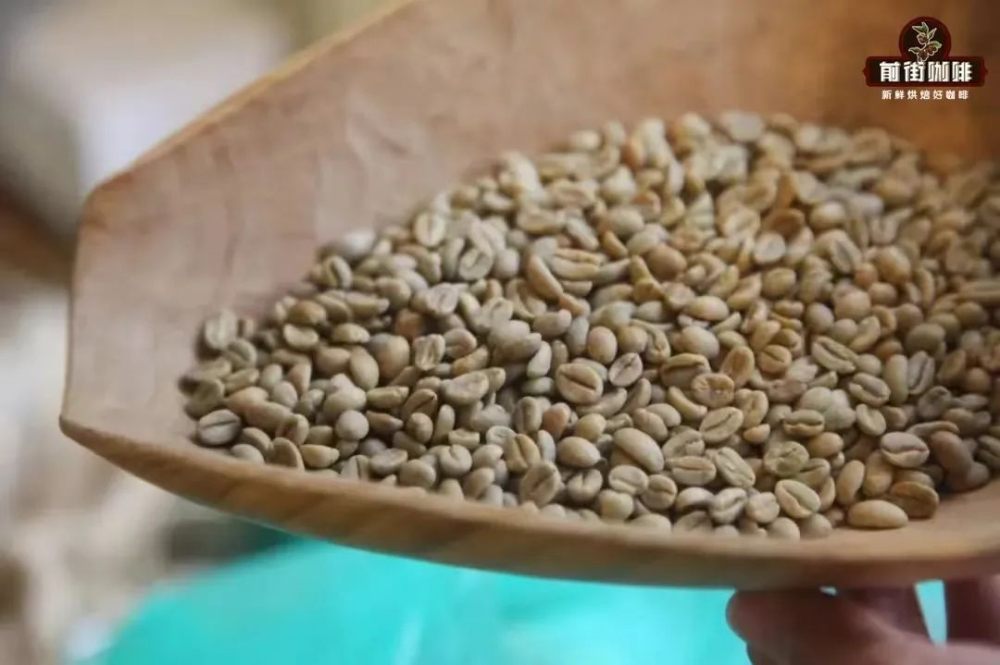
The Birth of Washed Processing
Washed processing was born because coffee trees were transplanted to the Caribbean islands, where people discovered that the island climate was unsuitable for natural processing, which requires drying whole fruit. Natural processing needs long drying times, while islands have humid and rainy climates. Coffee fruits in such an environment inevitably need even longer drying, with a higher chance of mold, easily destroying half a year of hard work. So in 1730, the West Indies in the Caribbean introduced a locally adapted washed processing method that removed skin and pulp. People were still quite traditional at the time, however, so washed processing did not become widespread.
The Rise of Washed Processing
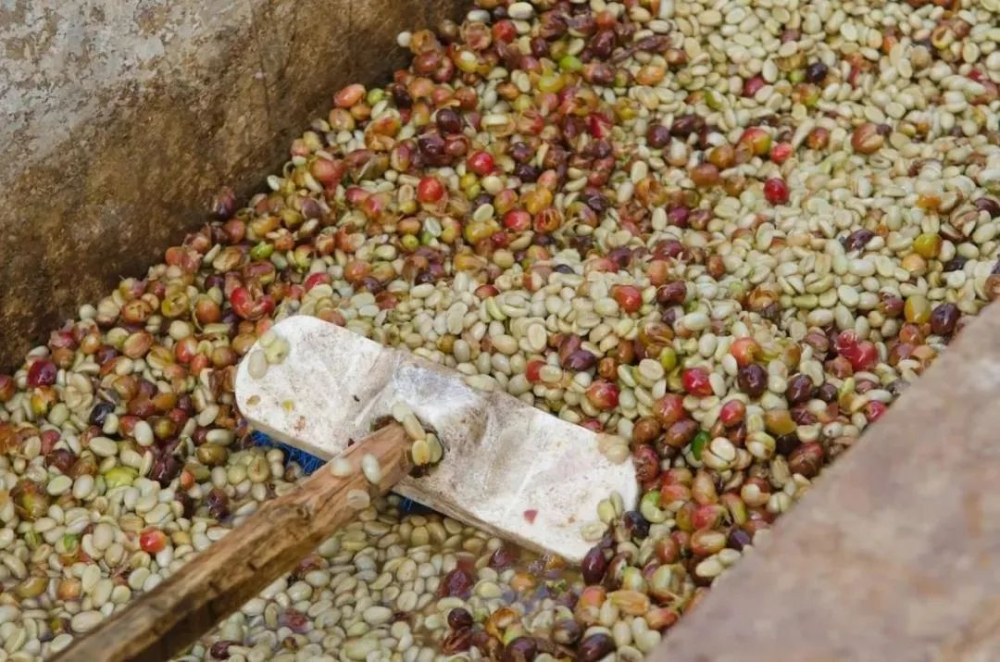
More than a hundred years later, in 1850, washed processing truly became widespread. People began to embrace this "untraditional" method because washed processing required very short drying times and produced very clean coffee with clear flavors. Consequently, except for Brazil, which continued to use natural processing, other producing regions gradually switched from natural to washed. There were pros and cons: the disadvantage of washed processing was that it required large amounts of water and was more expensive. Under normal circumstances, then, people used washed processing only for high-quality coffee fruits, while the screened-out, inferior fruits were processed naturally. Thus the label of inferior product became imprinted on natural processed coffee beans for a very long time.

The Natural Processing Renaissance
It was not until two heavyweight names emerged that natural processing's century-long stigma was completely washed away. One was Idido Mist Valley from Ethiopia, and the other was Ninety Plus from Panama. They abandoned the mainstream washed processing of the specialty coffee world, going against the current to produce natural processed coffee beans with extremely high cleanliness and explosive flavors. These beans swept away the years of gloom that had plagued farmers using natural processing, and they proposed adding a "Natural Category" to the BOP (Best of Panama) competition, which had previously offered only washed processing categories for green beans. So although practices of "inferior natural beans" still exist today, they are only a small portion. Most other natural beans are now produced in good environments with meticulous control, making them premium natural beans.
- END -

FrontStreet Coffee Recommendation
Washed processing is a traditional way of handling coffee fruit with water. Its steps generally include flotation, depulping, fermenting in water to remove mucilage, washing or further soaking, and drying before hulling, which gives us the beans we need. Because washed beans soak in water for a long time, chemical changes occur inside the bean and much of the monosaccharides, fructose and glucose, are consumed, lowering the sugar content while increasing various organic acids. Washed coffee therefore tends to keep more of the bean's own aromatics while carrying bright fruit acidity and a clean, fresh character.
FrontStreet Coffee's Gotiti Cooperative is a good example. Many people know Yirgacheffe without realizing that smallholders there deliver their cherries to a cooperative for centralized processing. Gotiti is an excellent processing team from Gotiti village with skilled experience, and its coffee became well known for being especially refined and clean. The washed process lets it show jasmine florals and bright citrus acidity to the fullest, and at a medium-light roast it adds green tea and honey tones, suitable for pour-over, cold brew, and espresso alike.
When it comes to washed processing, FrontStreet Coffee's Kenya Cherry Tomato is one of the best-known representatives, since Kenya is especially skilled at the double washed method, repeating the washing step to maximize juice and clarity. Through repeated rinsing and soaking, it delivers rich aromas of cherry tomato, smoked plum, snow pear, black plum, and yellow sugar, with a sweet-and-sour, juicy body. And the Jamaica Blue Mountain No. 1 shows how much washed processing helps in a humid island climate: removing skin, pulp, and mucilage before drying shortens drying time and yields beans with a translucent color and a low defect rate, giving Blue Mountain its rich aroma and its pure hazelnut, cream, chocolate, and caramel character, balanced so that no single note dominates.
Important Notice :
FrontStreet Coffee is a long-established specialty coffee roaster in Guangzhou China, selling freshly roasted beans from its own farm in Yunnan as well as dozens of carefully selected single-origin beans from around the world for both pour-over and espresso. The products deliver consistently excellent quality and great value, with shipping within 24 hours. Guangzhou's FrontStreet Coffee shop is recommended by many coffee lovers, and the beans are now available online at the Tmall 。
FrontStreet Coffee has moved to a new address:
FrontStreet Coffee Address: 315,Donghua East Road,GuangZhou
Tel:020 38364473
 Scan and follow the En Gafei WeChat official account. Please indicate that the reprint comes from "En Gafei".

